Key takeaways
- Looking for the best value rangefinder camera? Compare rangefinder-style cameras for image quality, handling, size, and long-term value before you buy.
Introduction

Finding the best value rangefinder camera is not about chasing the most expensive badge on the shelf. It is about finding a camera that gives you the rangefinder experience — a compact body, a viewfinder on the corner rather than in the middle, quiet handling, and a lens you actually want to carry — without paying flagship money for features you may never use.
The quick answer is the Fujifilm X100VI (B0CW17YXLS). It combines a 40.2MP APS-C sensor, a fixed 23mm f/2 lens, in-body image stabilisation, and a hybrid optical and electronic viewfinder in a body that fits in a jacket pocket. For most photographers looking for value in this class, it is the most complete single purchase: no extra lens to buy, no bulky kit to carry, and a shooting experience that feels deliberate rather than rushed.
That said, value is personal. A street photographer, a traveller, and a portrait shooter need different things. This guide explains how to weigh sensor size, lens, viewfinder, autofocus, and running costs, then looks at four cameras in detail.
Quick Picks
| Product | Best For | Key Spec |
|---|---|---|
| Fujifilm X100VI (B0CW17YXLS) | Best overall value | 40.2MP APS-C, fixed 23mm f/2 lens, hybrid viewfinder, in-body stabilisation |
| Fujifilm X100V | Best previous-generation value | 26.1MP APS-C, fixed 23mm f/2 lens, hybrid viewfinder, tilting screen |
| Fujifilm X-Pro3 | Best interchangeable-lens rangefinder style | 26.1MP APS-C, X-mount lenses, hybrid viewfinder, titanium body |
| Leica Q3 | Best full-frame rangefinder styling | 60MP full-frame, fixed 28mm f/1.7 lens, tilting touchscreen |
How to Choose
Understand What Rangefinder Means Today
A classic rangefinder focuses by aligning two images in a viewfinder, with no mirror and no image passing through the lens. Very few digital cameras still work exactly that way. Most cameras sold as rangefinder cameras today are rangefinder-style: they keep the corner viewfinder, the flat top plate, and the compact shape, but focus with autofocus and show the scene through an electronic viewfinder or a hybrid viewfinder. If you want the traditional manual focusing experience, a true rangefinder body is a different purchase. Every pick in this guide is flagged where it is rangefinder-style rather than a true rangefinder.
Sensor Size and Image Quality
Sensor size shapes low-light performance, depth of field, and how much you can crop. APS-C sensors, found in the Fujifilm picks here, are a strong middle ground: noticeably better than a phone or a small-sensor compact in dim light, while keeping bodies and lenses small. Full-frame sensors gather more light and give shallower depth of field, but the camera and its running costs rise with them. For value, APS-C is usually the sweet spot. A 26.1MP sensor already produces large prints and generous crops. A 40.2MP or 60MP sensor adds cropping freedom, but it also means larger files and more storage.
Fixed Lens or Interchangeable Lenses
A fixed-lens camera is simpler and often better value as a complete system: the lens is matched to the sensor, there is nothing extra to buy, and the camera stays compact. The trade-off is flexibility. A 23mm lens, equivalent to 35mm on a full-frame camera, is a classic street and travel focal length, wide enough for scenes and tight enough for portraits with context. A 28mm lens, equivalent to 28mm on full-frame, is wider still and suits architecture, interiors, and environmental portraits. If you shoot one focal length most of the time, a fixed lens is liberating. If you switch between wide, standard, and telephoto work, an interchangeable-lens body such as the X-Pro3 is better value in the long run.
Viewfinder and Screen
The viewfinder is the heart of the rangefinder experience. A hybrid viewfinder lets you switch between an optical view, which shows the scene directly with frame lines, and an electronic view, which shows exactly what the sensor sees. That flexibility is one of the strongest reasons to choose the Fujifilm X100 series or X-Pro series. A purely electronic viewfinder is still useful, especially for checking exposure before you shoot, but it does not give the same direct connection to the scene. Also check the rear screen. A tilting screen helps with low-angle shooting, while physical dials for shutter speed, aperture, and exposure compensation let you change settings without looking at a menu.
Autofocus, Stabilisation, and Everyday Speed
Modern autofocus should lock onto a subject quickly and hold it while the subject moves. Face and eye detection help with portraits and candid shots. In-body image stabilisation steadies the sensor, which helps in low light and with video. Battery life also belongs in the value calculation: a camera that needs frequent charging needs spare batteries and the habit of carrying them.
Size, Weight, and Whether You Will Carry It
The best value rangefinder camera is the one you carry. A camera that stays at home because it is heavy or awkward is poor value at any level. Rangefinder-style bodies are prized because they are flat, quiet, and easy to carry. A fixed-lens compact disappears into a small bag. An interchangeable-lens body with one small prime is nearly as portable, but add a second lens and the kit grows. Weather sealing is worth weighing if you shoot outdoors in rain or dust.
Total Cost, Not Just the Body
Value means total cost over the years you will use the camera. Add memory cards, spare batteries, a strap, a case, and, for an interchangeable-lens body, the lenses you actually plan to own. A fixed-lens camera keeps that total simple and predictable. An interchangeable system can start modestly with one lens and grow slowly, which spreads the cost, but it can also grow into a large collection if you are not disciplined. Cameras with pleasing colour profiles straight out of the camera can also save editing time. Resale value matters too: popular models tend to hold their value better if you later change systems.
The Best Value Rangefinder Camera Reviewed
Fujifilm X100VI (B0CW17YXLS)
The Fujifilm X100VI is the strongest all-round pick in this guide, and the one most buyers should start with. It is a rangefinder-style fixed-lens compact, not a true rangefinder, because it focuses with autofocus and uses a hybrid viewfinder rather than a coupled rangefinder mechanism. That is a practical advantage for most photographers: you get the rangefinder handling and the optical viewfinder experience, with modern autofocus doing the precise work.
Its 40.2MP X-Trans CMOS 5 HR sensor and X-Processor 5 give detailed files with plenty of room to crop, and the fixed 23mm f/2 lens is equivalent to 35mm on a full-frame camera, a versatile focal length for street, travel, and everyday photography. In-body image stabilisation rated at up to 6.0 stops helps in low light and steadies handheld video. The hybrid viewfinder lets you switch between optical and electronic views, and the tilting touchscreen makes low and high angle shooting easier. Built-in film simulation modes give distinctive colour looks in camera, while raw files remain available for deeper editing. Video reaches 6.2K.
Who it suits: street, travel, and documentary photographers who want one camera, one lens, and no extra decisions. It also suits anyone moving from a phone or a larger interchangeable system who wants a smaller camera without giving up image quality.
Who should skip it: photographers who need telephoto reach, macro work, or frequent lens changes. The fixed lens is a commitment. If you shoot wildlife, sports, or tight portraits at a distance, an interchangeable-lens body will serve you better. It is also worth skipping if you strongly prefer a traditional manual rangefinder focusing experience, because this camera focuses by autofocus.
Fujifilm X100V
The Fujifilm X100V is the previous generation of the same idea, and it remains a sensible value choice for buyers who want the X100 experience with a lower outlay. It is also a rangefinder-style camera, not a true rangefinder, with the same hybrid viewfinder concept and the same fixed 23mm f/2 lens, equivalent to 35mm on a full-frame camera. Its 26.1MP APS-C sensor produces detailed images that are more than enough for prints, online work, and generous crops, and its tilting touchscreen and classic dial layout make it a pleasure to handle.
The differences from the newer model are real but manageable. It has no in-body image stabilisation, so low-light handheld shooting needs steadier hands or higher sensitivity settings. Its autofocus and video are a generation behind, and its resolution is lower, which matters mainly if you crop heavily or print very large. In return, you get the same lens character, viewfinder, and compact body.
Who it suits: buyers who value the X100 handling and lens above the latest sensor and stabilisation, and who shoot mainly in good light or with a tripod. It is a good fit for a second camera, a travel companion, or a first serious compact.
Who should skip it: photographers who shoot handheld in dim light, who crop aggressively, or who need the strongest video and autofocus available in this class. For those uses, the newer model justifies its position.
Note on availability: no Amazon ASIN for this model was verified for this article, so it is listed here as a named product only. Check the current listing before buying, and confirm the exact model, condition, and included accessories.
Fujifilm X-Pro3
The Fujifilm X-Pro3 is the pick for photographers who love rangefinder handling but want to change lenses. It is a rangefinder-style interchangeable-lens camera with a hybrid viewfinder, a 26.1MP APS-C sensor, and the Fujifilm X mount, which opens up a wide range of prime and zoom lenses. Its titanium body and hidden rear screen give it a distinctive, deliberate character: the screen folds away to encourage shooting through the viewfinder, and flips down when you need it for menu work or unusual angles.
The hybrid viewfinder is the headline feature. You can frame through the optical view with frame lines, like a classic rangefinder, or switch to the electronic view to preview exposure and focus precisely. Paired with a small prime lens, the X-Pro3 is nearly as portable as a fixed-lens compact, yet it can grow into a full system with wide, standard, and telephoto lenses.
Who it suits: photographers who want one body and several lenses, especially those who shoot street, portrait, and documentary work and like to choose a focal length for each outing. It also suits buyers who already own Fujifilm X-mount lenses, since the body slots straight into an existing kit.
Who should skip it: photographers who want a simple, single-lens camera with nothing to decide, and anyone who dislikes the hidden-screen design or wants the strongest video features. It is also a larger commitment than a fixed-lens camera, because the total cost depends on the lenses you add.
Note on availability: no Amazon ASIN for this model was verified for this article, so it is listed here as a named product only. Check the current listing before buying, and confirm the exact model, condition, and included accessories.
Leica Q3
The Leica Q3 is the premium stretch pick in this guide, included because it shows what the rangefinder idea looks like at full-frame level, and because some buyers will consider it the long-term value choice if they keep one camera for many years. It is a rangefinder-style camera, not a true rangefinder: it focuses with autofocus, uses an electronic viewfinder, and has a fixed 28mm f/1.7 lens. Its 60MP full-frame sensor gives exceptional detail and low-light performance, and the fast f/1.7 lens gives shallow depth of field and strong performance in dim conditions. A tilting touchscreen, wireless connectivity, and video capability round out a camera that can serve as a single, do-everything tool.
The value case for the Q3 is about longevity and simplicity rather than a low outlay. One camera, one excellent lens, and a sensor that will not feel dated quickly can be better value over a decade than a cheaper body replaced twice. The fixed 28mm lens is wider than the classic 35mm view, so it suits architecture, interiors, and environmental portraits more than tight head-and-shoulders work. It is a partial fit for a value roundup, and it is flagged as such here.
Who it suits: photographers who want full-frame quality in a compact fixed-lens body, who shoot mainly at 28mm, and who plan to keep the camera for many years.
Who should skip it: buyers working to a value budget, photographers who need a 35mm or 50mm field of view as their main lens, and anyone who wants interchangeable lenses or traditional rangefinder focusing.
Note on availability: no Amazon ASIN for this model was verified for this article, so it is listed here as a named product only. Check the current listing before buying, and confirm the exact model, condition, and included accessories.
What to Check Before You Buy
Before you buy any rangefinder camera, confirm the exact model name, the colour or finish, and what is included in the box, because similar model names can hide different generations. Check the lens specification carefully: a fixed 23mm lens and a fixed 28mm lens give noticeably different fields of view, and that difference shapes every photograph you take. Confirm the sensor size and resolution, the viewfinder type, and whether the camera has in-body stabilisation, because those features affect low-light shooting more than any single specification on its own.
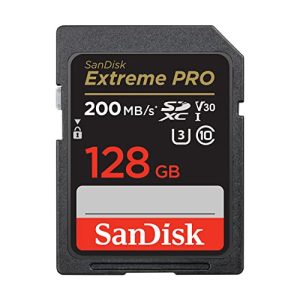
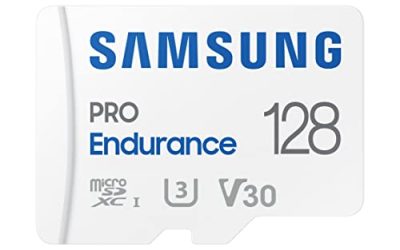
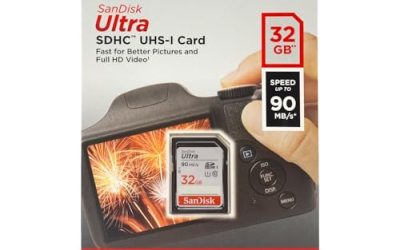
Check the memory card type and the battery type, and make sure you have a card fast enough for the video and burst modes you plan to use. Confirm the warranty and the return terms for the seller you choose. When the camera arrives, test the viewfinder, autofocus, screen, and lens at several apertures in the light you normally shoot in. For a fixed-lens camera, the lens is part of the body, so any lens issue is a camera issue. Finally, think about accessories before you need them: a strap you trust, a spare battery, and a card with enough capacity.
FAQ
Is a rangefinder-style camera the same as a true rangefinder?
No. A true rangefinder focuses by aligning two images in the viewfinder through a coupled mechanism, and it has no mirror. A rangefinder-style camera keeps the corner viewfinder, flat top, and compact shape, but focuses with autofocus and usually shows the scene through an electronic or hybrid viewfinder. Most modern cameras in this class, including the Fujifilm picks here, are rangefinder-style.
What focal length is best for a value rangefinder camera?
A 23mm lens on an APS-C camera, equivalent to 35mm on full-frame, is the most versatile single focal length for street, travel, and everyday photography. A 28mm lens is wider and suits architecture and environmental work. If you can only have one lens, 35mm equivalent is the safer choice.
Do I need in-body image stabilisation?
It helps, especially in low light and for video, but it is not essential for every photographer. If you shoot handheld in dim interiors, at dusk, or while walking, stabilisation saves shots. If you shoot mainly in daylight, use a tripod, or prefer fast shutter speeds, you can manage without it. In this guide, the X100VI has it and the X100V does not, which is one of the clearest differences between them.
Is APS-C enough, or should I buy full-frame?
APS-C is enough for most photographers. It gives strong low-light performance and detailed files in a smaller, lighter body. Full-frame gives more low-light headroom and shallower depth of field, but the camera and its total cost rise with it. For value, APS-C is usually the better balance.
Should I buy the newest model or the previous generation?
Buy the newest model if you need its specific improvements — in this guide, that means the higher resolution, in-body stabilisation, and newer autofocus of the X100VI. Buy the previous generation if those improvements do not match the way you shoot, and you would rather keep the difference for accessories, a trip, or a second lens. The previous generation is often the better value when the core experience — the lens, the viewfinder, and the handling — is unchanged.
Bottom Line
The best value rangefinder camera for most photographers is the Fujifilm X100VI (B0CW17YXLS). It pairs a 40.2MP APS-C sensor with a fixed 23mm f/2 lens, a hybrid viewfinder, and in-body stabilisation in a compact body that you will actually carry. It is a rangefinder-style camera, not a true rangefinder, and that is part of its value: modern autofocus and a hybrid viewfinder make it easy to use every day, while the handling keeps the deliberate, rangefinder feel.
If your budget points to the previous generation, the Fujifilm X100V keeps the same lens and viewfinder experience with a 26.1MP sensor and no stabilisation. If you want to change lenses, the Fujifilm X-Pro3 gives you the same rangefinder handling with an interchangeable X-mount system. If you want full-frame quality in a single fixed-lens camera and plan to keep it for many years, the Leica Q3 is the premium alternative, with a wider 28mm lens. Choose by focal length first, then by sensor and viewfinder, and let the total cost decide the final value.
Disclosure: As an Amazon Associate, we may earn from qualifying purchases.
More from Amazon
Programs that pair well with the guide above. Offers and eligibility are set by Amazon and may change.
Free shipping on eligible items, Prime Video and more. Eligible new members can start with a free trial.
Start a Prime free trialAudiobooks and podcasts to listen to on the go. Eligible new members can start with a free trial.
Try Audible freeAd-free music streaming. Eligible new subscribers can start with a free trial.
Try Music Unlimited freeA free business account with business pricing and bulk-buying tools for work, shop or home office.
Create a business accountAs an Amazon Associate we earn from qualifying purchases.