Our Short List of 3

- Best for: Road riders and commuters who want the sharpest 360 footage with long battery life.
- 8K 360 video
- 4K wide-angle video
- Waterproof body
- Invisible selfie stick effect

- Best for: Cyclists who want proven 360 recording and a touchscreen at a lower cost than the newest model.
- 5.7K Active HDR 360 video
- 72MP 360 photos
- 4K single-lens mode
- FlowState stabilization with horizon lock

- Best for: Riders with GoPro mounts who want a 360 camera that fits their current setup.
- Spherical 5.6K30 HD video
- 16.6MP 360 photos
- 1080p live streaming
- Waterproof body
All 3 Picks at a Glance
| Product | Specs | Action |
|---|---|---|
| Insta360 X4 Standard Bundle |
| Check price on Amazon |
| Insta360 X3 Standard Bundle |
| Check price on Amazon |
| GoPro MAX |
| Check price on Amazon |
Our Top Picks

Here, “bike” means bicycle. A 360 camera for cycling records the road ahead, the rider, and everything behind in one clip, so a camera on a handlebar or helmet mount can capture a ride without aiming. That makes the choice different from a general action camera: the mount has to survive vibration and rough roads, the camera has to keep recording through long rides, and wind noise has to stay low enough that the footage stays usable. The wrong pick rattles loose, runs flat, or produces shaky clips that are hard to watch.
Commuters want a set-and-forget camera that mounts in seconds and records the whole trip, road riders want long battery life and clean stabilization at speed, and mountain bikers want a tough body that handles dust, mud, and crashes. The three cameras below come from their Amazon titles and listed specs: the Insta360 X4 for the sharpest 360 footage, the Insta360 X3 as the lighter-value pick, and the GoPro MAX for riders already using GoPro mounts.
Quick Picks
As an Amazon Associate we earn from qualifying purchases
| Product | Best for | Key spec from title |
|---|---|---|
| Insta360 X4 Standard Bundle | Sharpest 360 footage on a bike | 8K 360 video, 135-minute battery life |
| Insta360 X3 Standard Bundle | Lighter-value 360 recording | 5.7K Active HDR 360 video, 72MP photos |
| GoPro MAX | Riders using GoPro mounts | 5.6K30 spherical video, 16.6MP 360 photos |
How to Choose
Mounting that survives vibration and rough roads
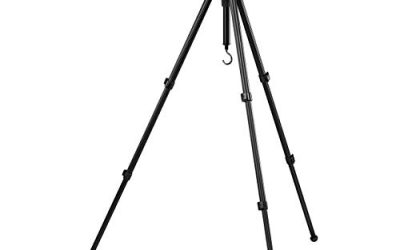
A 360 camera is only useful on a bike if it stays put. Look for a camera with a standard tripod thread or GoPro-style mounting fingers at its base, because those two interfaces fit nearly every handlebar, helmet, and chest mount made for cycling. Check that the mount clamps firmly to your bar diameter and that the camera sits high enough for both lenses to see past the bars and your hands. On a helmet, keep the weight low and centered so the camera does not pull to one side on long rides. A mount that loosens over bumps is worse than no camera at all, since a falling camera can end up under a wheel.
Battery life and storage for the whole ride
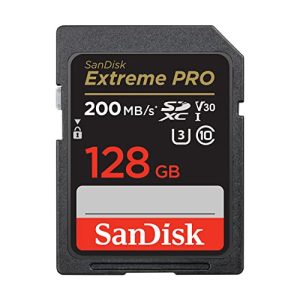
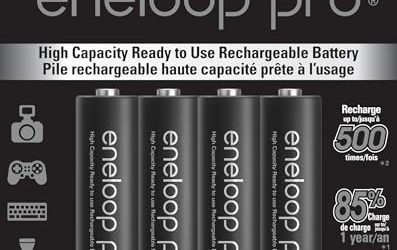
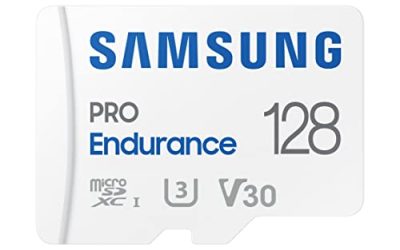
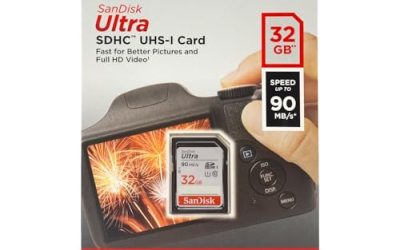
A 360 camera records two wide lenses at once, so it drains its battery and fills memory cards faster than a normal action camera. Match the listed battery life to your usual ride length and carry a spare battery or a small power bank for rides that run past two hours. Use a fast microSD card with enough capacity for a full ride, since 360 files are large and a slow card can stop recording mid-ride. Check whether the camera records to a card only or also has built-in storage, and confirm that you can swap the battery without removing the camera from its mount.
Stabilization and wind handling at cycling speed
At 20 miles per hour and above, every bump and gust shows up in the footage unless the camera smooths it out. FlowState stabilization on the Insta360 cameras and the stabilization built into the GoPro MAX are designed to level the horizon and remove shake from rough surfaces, which matters far more on a bike than it does on a walk. Wind is the other enemy: a bare microphone picks up a roar at speed, so look for wind-noise reduction in the listed features and consider a foam wind cover for the microphones. The camera should keep the horizon level even when you lean into a turn.
Lens protection and weather sealing
The two bulging fisheye lenses are the most exposed part of any 360 camera, and on a bike they face grit thrown up by the front wheel, branches on narrow trails, and rain. Removable lens guards are worth having because a scratched guard is cheap to replace while a scratched lens is not. Check the waterproof rating in the listing so a rain shower does not end your recording, and remember that a camera rated as waterproof still needs its battery door and card slot fully closed. After a muddy ride, rinse the lenses gently and dry them before storage so dried grit does not scratch the glass later.
The 3 Best Options
Insta360 X4 Standard Bundle
- Best for: Road riders and commuters who want the sharpest 360 footage with long battery life.
- 8K 360 video
- 4K wide-angle video
- Waterproof body
- Invisible selfie stick effect
Road riders and commuters who want the sharpest 360 footage with long battery life.
The 8K files are large, so use a fast, high-capacity microSD card and plan time for reframing and editing.
The Insta360 X4 is the strongest pick for cyclists who want the sharpest 360 footage from a bike mount. Its 8K 360 recording captures fine detail on the road surface and in the scenery, which holds up when you reframe the footage to a normal flat view afterward. FlowState stabilization keeps the horizon level over potholes and gravel, and the listed 135 minutes of battery life covers most road rides and commutes without a mid-ride swap. Removable lens guards protect the exposed fisheye lenses from grit, and the invisible selfie stick effect lets a short pole disappear from the shot when you mount it to the bike.
Insta360 X3 Standard Bundle
- Best for: Cyclists who want proven 360 recording and a touchscreen at a lower cost than the newest model.
- 5.7K Active HDR 360 video
- 72MP 360 photos
- 4K single-lens mode
- FlowState stabilization with horizon lock
Cyclists who want proven 360 recording and a touchscreen at a lower cost than the newest model.
Battery life is shorter than the X4, so carry a spare battery for rides that run past two hours.
The Insta360 X3 is the lighter-value pick for cyclists who want full 360 recording without paying for the newest model. Its 5.7K Active HDR 360 video still looks clean after reframing, and the 72MP photo mode is handy for grabbing a still of a viewpoint mid-ride. FlowState stabilization and horizon lock keep the footage steady on rough roads, while the 4K single-lens mode works when you only want a normal forward-facing view. The 2.29-inch touchscreen makes it easy to check framing and change modes at a rest stop without pulling out your phone, and the waterproof body handles rain without a case.
GoPro MAX
- Best for: Riders with GoPro mounts who want a 360 camera that fits their current setup.
- Spherical 5.6K30 HD video
- 16.6MP 360 photos
- 1080p live streaming
- Waterproof body
Riders with GoPro mounts who want a 360 camera that fits their current setup.
The 5.6K resolution is lower than the 8K Insta360 X4, so reframed clips show less fine detail.
The GoPro MAX suits cyclists who already own GoPro mounts and want a 360 camera that drops straight into their existing kit. Its 5.6K30 spherical video records everything around the bike, and the touch screen lets you frame shots and change modes without a phone. The camera also works as a traditional action camera, so you can switch to a normal forward view for a climb or a descent. Built-in mounting fingers fit the same handlebar, helmet, and chest mounts as other GoPro cameras, which saves buying a second set of mounts. Live streaming at 1080p is listed for riders who want to share a ride as it happens.
Which One Fits Your Situation
Daily commuter who wants set-and-forget recording
Pick the Insta360 X4 if your commute runs long, since its listed 135 minutes of battery life covers most round trips without a swap. Mount it on the handlebar with a firm clamp, set it to record before you roll out, and the 360 view captures the road, the rider, and traffic behind in one file. The removable lens guards matter here because city grit and road spray hit the lenses every day.
Road rider on long weekend rides
Pick the Insta360 X4 for the sharpest reframed footage, and carry a spare battery or a small power bank for rides past two hours. The 8K recording keeps distant scenery and road detail clean when you crop the 360 file down to a normal view. Use a helmet or handlebar mount that holds the camera high enough for both lenses to see past your hands and the bars.
Mountain biker on dusty and muddy trails
Pick the Insta360 X3 for trail riding, since its lower cost softens the risk of a crash damaging the camera, and its waterproof body handles mud and stream crossings. FlowState stabilization smooths out roots and rocks, and the lens guards take the scratches that branches and grit would otherwise leave on the glass. Check the mount after the first rough descent to make sure vibration has not loosened the clamp.
Rider who already owns GoPro mounts
Pick the GoPro MAX if your helmet, handlebar, and chest mounts are all GoPro-style, because it fits them without adapters. The touch screen makes mode changes quick at a trailhead, and the traditional camera mode covers rides where you only want a forward view. Keep in mind that reframed 360 clips will show less detail than those from the 8K X4.
Common Mistakes
- Mounting the camera so low that the handlebars or your hands block one of the lenses.
- Using a loose or worn clamp that lets vibration slowly rotate the camera during a ride.
- Forgetting a spare battery or a large enough memory card for a long ride.
- Riding without lens guards on dusty trails or gravel roads where grit hits the lenses.
- Leaving wind noise unaddressed and ending up with footage where the audio is unusable.
Frequently Asked Questions
Can I mount a 360 camera on my handlebars?
Yes. Most 360 cameras have a tripod thread or mounting fingers at the base that fit handlebar clamps, so you can mount one in seconds with the right adapter. Choose a clamp that matches your bar diameter and tighten it, then check that both lenses have a clear view past the bars and your hands. An extension arm can raise the camera above the bars for a cleaner shot.
How long will a 360 camera record on a bike ride?
It depends on the model and the recording mode. The Insta360 X4 lists 135 minutes of battery life, which covers most commutes and road rides, while the X3 runs shorter and may need a spare battery on longer days. Higher resolutions drain the battery faster and fill the memory card sooner. Carry a spare battery and a large, fast microSD card if your rides run past two hours.
Do I need a special mount for a helmet?
You need a helmet mount that fits the camera base, a GoPro-style adapter or a tripod-thread mount with an adhesive or strap base. Keep the camera centered and low on the helmet so it does not pull to one side, and check that the mount is secure before each ride. A chin mount gives a forward view, while a top mount captures more of the rider and the road behind.
Will wind noise ruin my bike videos?
Wind noise is a problem at cycling speed, but it can be managed. Cameras in this guide list wind-noise reduction, which helps, and a foam wind cover over the microphones cuts the roar. Mounting the camera behind the bars or lower on the bike also shields it from direct wind. If the audio still sounds rough, many riders mute the wind and add music or narration when they edit.
More from Amazon
Programs that pair well with the guide above. Offers and eligibility are set by Amazon and may change.
Free shipping on eligible items, Prime Video and more. Eligible new members can start with a free trial.
Start a Prime free trialAudiobooks and podcasts to listen to on the go. Eligible new members can start with a free trial.
Try Audible freeAd-free music streaming. Eligible new subscribers can start with a free trial.
Try Music Unlimited freeA free business account with business pricing and bulk-buying tools for work, shop or home office.
Create a business accountAs an Amazon Associate we earn from qualifying purchases.