Our Short List of 3
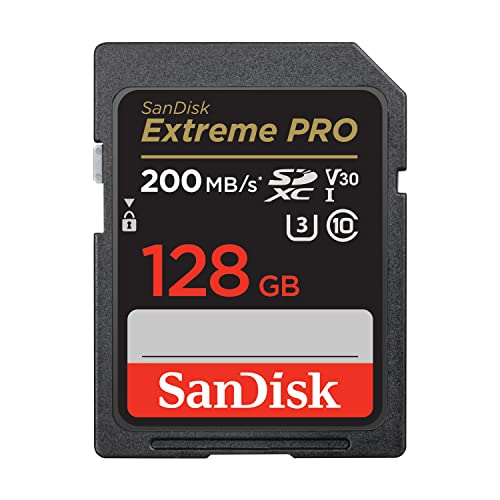
- Best for: Owners who want the fastest offloads from a full-size card.
- Capacity: 128GB
- Format: SDXC, full-size SD
- Bus interface: UHS-I
- Read speed: up to 200MB/s

- Best for: New kit builders who want the card and reader in one box.
- Capacity: 128GB
- Format: SDXC, full-size SD
- Bus interface: UHS-I
- Read speed: up to 180MB/s

- Best for: Hybrid shooters mixing burst stills with 4K clips.
- Capacity: 128GB
- Format: SDXC, full-size SD
- Bus interface: UHS-I
- Read speed: up to 205MB/s
All 4 Picks at a Glance
| Product | Specs | Action |
|---|---|---|
| SanDisk Extreme PRO SDXC 128GB |
| Check price on Amazon |
| Samsung PRO Plus SDXC 128GB with Reader |
| Check price on Amazon |
| Lexar Professional Silver SDXC 128GB |
| Check price on Amazon |
 SanDisk Extreme microSDXC 128GB with Adapter |
| Check price on Amazon |
Key takeaways
- Four U3 and V30 memory cards that keep a 4K point-and-shoot recording without dropped frames, with the speed classes and capacities that actually matter.
A point-and-shoot camera that records 4K video is only as reliable as the card inside it. When a card cannot sustain the write speed the camera demands, recording stops mid-clip, files corrupt, or the camera refuses to start filming at all. The real decision is therefore not brand loyalty but matching the card’s sustained write rating to the camera’s video bitrate, then choosing enough capacity for the way you shoot.
Travel shooters, family videographers, and vloggers who carry a compact camera all land in the same place: a UHS-I card carrying U3 and V30 markings, sized generously enough that a full day of 4K clips never forces a mid-trip delete. The four cards below meet that bar, drawn from current Amazon listings with their speed classes and capacities stated on the page.
Quick Picks
As an Amazon Associate we earn from qualifying purchases.
| Product | Best for | Key spec from title |
|---|---|---|
| SanDisk Extreme PRO SDXC 128GB | Fastest full-size offload speeds | UHS-I, U3, V30, up to 200MB/s read |
| Samsung PRO Plus SDXC 128GB with Reader | Buyers who want a reader in the box | UHS-I, U3, V30, up to 180MB/s read |
| Lexar Professional Silver SDXC 128GB | High write speed on a UHS-I card | UHS-I, U3, V30, up to 140MB/s write |
| SanDisk Extreme microSDXC 128GB with Adapter | Cameras with either slot size | UHS-I, U3, V30, A2, adapter included |
How to Choose
Sustained Write Speed and the V30 Rating
Peak read speed printed in large type on a card’s packaging says almost nothing about video recording. What keeps a 4K clip alive is sustained write speed, and the Video Speed Class marking is the honest measure of it. A V30 card guarantees a minimum sustained write of thirty megabytes per second, which covers the bitrates that compact 4K cameras from Sony, Canon, and Panasonic actually use. Cards marked only Class 10 or U1 can advertise fast transfers yet fall below that floor during a long take, which is exactly when a point-and-shoot stops recording and shows a buffer error.
UHS Bus Interface and Camera Compatibility
Nearly every current point-and-shoot with 4K video uses a UHS-I slot, so a UHS-I card is the natural match and reaches its full speed in the camera. UHS-II cards carry a second row of pins and cost considerably more, yet a UHS-I-only camera reads them at UHS-I speeds, so the premium buys nothing inside a compact body. Check the camera manual for the slot type before ordering, and confirm whether the body takes full-size SD or microSD, because a handful of ultra-compact models use the smaller format while most travel zooms take full-size SD cards.
Capacity Matched to 4K File Sizes
Four-K footage consumes storage far faster than stills, and a card that feels generous for photography can fill during a single afternoon of filming. A 128GB card is the practical middle ground for most compact-camera owners: it holds hours of 4K clips alongside a large stills library, and it stays affordable enough that carrying a second card as a spare is realistic. Smaller 64GB cards suit short outings and mostly-stills shooters, while 256GB makes sense for multi-day trips where offloading to a laptop every evening is not guaranteed.
Card Format, Adapters, and Handling
Full-size SD cards slide straight into most point-and-shoot bodies and are easier to handle with cold or gloved hands. microSD cards need the included adapter to work in a full-size slot, and that adapter becomes one more small part to lose in a camera bag, although it also lets the same card serve a phone, drone, or action camera. Whichever format you choose, format the card inside the camera before a trip rather than on a computer, because in-camera formatting sets the file system the body expects and reduces the chance of write errors.
The 4 Best Options
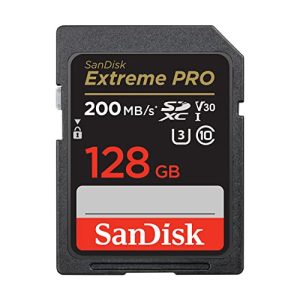
SanDisk Extreme PRO SDXC 128GB
- Best for: Owners who want the fastest offloads from a full-size card.
- Capacity: 128GB
- Format: SDXC, full-size SD
- Bus interface: UHS-I
- Read speed: up to 200MB/s
Owners who want the fastest offloads from a full-size card.
The top read speed needs a compatible reader; a basic reader will run slower.
SanDisk’s Extreme PRO is the full-size card most compact-camera owners end up comparing everything else against. Its U3 and V30 ratings clear the sustained-write bar for 4K recording, and the headline read speed shortens the wait when a full card meets a laptop at the end of the day. Listing details for this card were confirmed through a single Amazon tracking source, so double-check the model code at checkout before ordering. For a point-and-shoot that shoots long clips and fast stills bursts, it is the straightforward first choice.
Samsung PRO Plus SDXC 128GB with Reader
- Best for: New kit builders who want the card and reader in one box.
- Capacity: 128GB
- Format: SDXC, full-size SD
- Bus interface: UHS-I
- Read speed: up to 180MB/s
New kit builders who want the card and reader in one box.
The bundled reader takes a bag slot that a separate slim reader might not.
Samsung bundles this PRO Plus card with its own USB reader, which removes the separate accessory purchase that many first-time card buyers forget until the first offload. The card itself carries U3 and V30 markings for 4K work, and its rated write speed sits comfortably above what compact cameras demand during long takes. Samsung positions the line at photographers and media professionals, and the ten-year limited warranty is longer than most rivals offer. Anyone setting up a new point-and-shoot kit from scratch gets a complete, ready-to-use package here.
Lexar Professional Silver SDXC 128GB
- Best for: Hybrid shooters mixing burst stills with 4K clips.
- Capacity: 128GB
- Format: SDXC, full-size SD
- Bus interface: UHS-I
- Read speed: up to 205MB/s
Hybrid shooters mixing burst stills with 4K clips.
Peak speeds assume a fast reader; the camera itself will not reach them.
Lexar’s Professional Silver pairs the familiar UHS-I interface with a write speed that stands out in this group, which helps when a compact camera fires long stills bursts between video clips. The U3 and V30 ratings cover 4K recording requirements, and the card is aimed at photographers and videographers who move large batches of files regularly. Its read rating also keeps offload sessions short. For a point-and-shoot owner who shoots hybrid stills and video days, the Silver balances both halves of that workload without stepping up to UHS-II pricing.
SanDisk Extreme microSDXC 128GB with Adapter
- Best for: microSD-slot compacts and multi-device households.
- Capacity: 128GB
- Format: microSDXC with full-size SD adapter
- Bus interface: UHS-I
- Read speed: up to 190MB/s
microSD-slot compacts and multi-device households.
The tiny card and adapter are easy to misplace in a crowded bag.
Some ultra-compact and rugged point-and-shoot models take microSD instead of full-size SD, and this SanDisk Extreme covers those bodies while the included adapter lets it serve full-size slots too. It carries U3 and V30 ratings for 4K capture plus an A2 app-performance marking that matters more to phones than cameras. SanDisk rates the card shockproof, temperature-proof, waterproof, and X-ray-proof, which suits a camera that travels in a jacket pocket. It is the flexible pick for households where one card rotates between a compact camera and other small devices.
Which One Fits Your Situation
A Week-Long Trip With Daily 4K Filming
Pick the Samsung PRO Plus bundle or the SanDisk Extreme PRO and carry the second as a spare if the budget allows. Daily 4K filming fills 128GB faster than expected, and the Samsung’s included reader makes nightly laptop offloads simple in a hotel room. Rotating two cards also means one failed or lost card never ends the trip’s footage.
Mostly Stills With Occasional Short Clips
The Lexar Professional Silver fits this pattern well, because its strong write speed keeps stills bursts clearing quickly while the V30 rating handles the occasional 4K clip without drama. A single 128GB card should cover a weekend of mixed shooting, and there is little reason to pay for a reader bundle if a laptop with a built-in slot already handles offloads at home.
A Rugged Compact That Lives Outdoors
The SanDisk Extreme microSDXC suits a waterproof or shockproof compact that takes the smaller format, and its stated resistance to water, shock, temperature swings, and X-rays matches a camera that gets rained on and tossed into daypacks. Keep the adapter stored in the camera case rather than a pocket, because losing it strands the card when the camera only offers a full-size slot elsewhere.
A First Card for a New Camera Owner
Start with the Samsung PRO Plus bundle, since it removes the two most common beginner mistakes in one purchase: the card already carries the right speed class for 4K, and the reader is in the box when the first offload arrives. Format it in the camera before the first outing, then shoot a short test clip at home to confirm recording runs past a minute without stopping.
Common Mistakes
- Buying by headline read speed alone, when sustained write speed and the V30 marking decide whether 4K recording survives a long clip.
- Ordering a UHS-II card for a UHS-I camera, paying extra for pins the compact body cannot use.
- Choosing 32GB or 64GB for a 4K trip, then deleting clips mid-day and losing footage that cannot be reshot.
- Using a microSD adapter that came with a different, slower card, which can bottleneck writes and cause recording errors.
- Skipping the in-camera format, leaving a file system from a computer or another camera that the body may write to unreliably.
Frequently Asked Questions
Does a point-and-shoot camera really need a V30 card for 4K?
Yes, for dependable recording it does. Compact 4K cameras write data continuously at rates that a V30 rating is designed to sustain, while slower U1 or Class 10 cards may keep up for a few seconds and then force the camera to stop. The V30 marking is a guaranteed minimum sustained write speed, not a peak figure, which is why it is the specification to trust.
Will a UHS-II card make my compact camera record faster?
No. A UHS-II card only reaches its higher speeds in a camera with a UHS-II slot and the second row of contacts. Most point-and-shoot bodies use UHS-I slots, so the card falls back to UHS-I performance while costing more. Spend the difference on a second UHS-I card instead, which also gives you a spare when one fills up.
How much 4K video fits on a 128GB card?
It depends on the camera’s bitrate, but 128GB typically holds several hours of 4K footage from a compact camera, alongside a large number of still photographs. High-bitrate modes and slow-motion settings consume space much faster, so a spare card is still wise on trips. Checking the remaining-time readout after the first day of shooting gives a realistic personal estimate.
Can I use a microSD card in a camera with a full-size SD slot?
Yes, with the adapter included in the package, and all four cards here either are full-size or ship with that adapter. The combination records at the microSD card’s rated speeds in most cameras. The trade-offs are practical rather than technical: the small parts are easier to lose, and a worn adapter can cause intermittent contact, so inspect it if errors appear.
More from Amazon
Programs that pair well with the guide above. Offers and eligibility are set by Amazon and may change.
Free shipping on eligible items, Prime Video and more. Eligible new members can start with a free trial.
Start a Prime free trialAudiobooks and podcasts to listen to on the go. Eligible new members can start with a free trial.
Try Audible freeAd-free music streaming. Eligible new subscribers can start with a free trial.
Try Music Unlimited freeA free business account with business pricing and bulk-buying tools for work, shop or home office.
Create a business accountAs an Amazon Associate we earn from qualifying purchases.