Our Top Picks
 Delkin 512GB CFexpress Type B 4.0 Memory Card512GB6.25 x 4.2 x 0.35 inches0.05 poundsCheck on Amazon
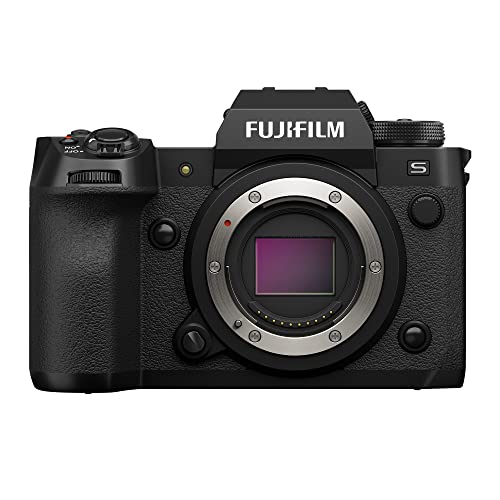
Two of the most capable hybrid cameras of the current generation come from very different traditions. The Nikon Z6 III is a full-frame all-rounder built around a 24.5MP partially stacked sensor, 6K internal RAW video, and a deep grip that suits long days with heavy lenses. The Fujifilm X-H2S is the speed flagship of the X Series, built around a 26.1MP stacked APS-C sensor, 40 frames per second bursts, and 6.2K open-gate video in a compact stills-first body. Both take CFexpress Type B and SD cards, both record 10-bit 4:2:2 video, and both aim at creators who shoot stills and video in equal measure.
As an Amazon Associate, we earn from qualifying purchases.
At a Glance
The Z6 III is a full-frame camera that puts low-light cleanliness and shallow depth of field first. The X-H2S is a smaller-sensor camera that puts speed, reach, and compact lenses first. Nikon gives the Z6 III a larger sensor, 6K RAW video, and 8 stops of stabilisation. Fujifilm gives the X-H2S a faster sensor readout, a 40 frames per second electronic shutter, and film simulations that make straight-out-of-camera colour a pleasure. If your week is mostly portraits, weddings, events, and low-light work, the Nikon pulls ahead. If your week is mostly wildlife, sports, and travel, where reach and burst speed matter more than sensor size, the Fujifilm pulls ahead.
Sensor and Image Quality
Sensor size is the first real fork in the road. The Z6 III uses a full-frame sensor measuring about 35.9 by 23.9 mm, while the X-H2S uses an APS-C sensor measuring about 23.5 by 15.6 mm. The Nikon sensor gathers more light, and that shows up in cleaner files at high ISO settings and in shallower depth of field at the same aperture and framing. The Fujifilm sensor answers with a fully stacked design and a very fast readout, which keeps rolling shutter under control and lets the camera shoot at remarkable burst speeds. In dim light, the Z6 III holds an edge, with less noise in shadows and more room to lift exposure in editing. Fujifilm film simulations give JPEG shooters a finished look with little editing, while Nikon Picture Controls and N-Log grade well but ask for more work after the shoot.
Video Codecs and Frame Rates
Video is where both cameras show their hybrid ambition, and the choice here depends on the codec and the length of your takes. The Z6 III records 6K at up to 60 frames per second in N-RAW internally, plus 4K at up to 120 frames per second and Full HD at up to 240 frames per second, with 10-bit 4:2:2 internal recording and N-Log for flexible grading. The X-H2S records 6.2K open gate at 30 frames per second, 4K at up to 120 frames per second, and Full HD at up to 240 frames per second, with ProRes 422 HQ, ProRes 422 LT, and ProRes 422 Proxy available internally, plus F-Log2 and HLG for flexible grading. Open-gate capture uses the full sensor height, so one take can serve both horizontal and vertical cuts. Its stacked sensor reads out fast, so rolling shutter is controlled even in quick pans.
Autofocus
Both cameras use phase detection autofocus with subject detection, and both are far ahead of the generation before them. The Z6 III offers detection for people, animals, birds, vehicles, and aircraft, with eye and face tracking that holds well during video and stills. Its autofocus feels confident in low light, and it locks onto subjects that fill only a small part of the frame. The X-H2S covers humans, animals, birds, automobiles, motorcycles, bicycles, airplanes, and trains, with detection down to very low light levels, and its autofocus feels a little more sure-footed for stills, especially for birds and fast sports. The Fujifilm burst advantage is decisive here: 40 frames per second with the electronic shutter means the decisive moment is far more likely to land inside a burst, while the Nikon tops out at 20 frames per second in RAW and 120 frames per second in JPEG at reduced resolution. Lean toward the X-H2S for wildlife and sports, where burst depth and subject detection decide the shot. Lean toward the Z6 III for portraits, events, and low-light work, where the larger sensor and confident tracking decide the shot.
Stabilisation
In-body stabilisation is excellent on both cameras, and both pair it with lens stabilisation for a combined effect. The Z6 III offers up to 8 stops of correction, among the best figures in its class, and its video stabilisation includes modes tuned for walking shots and for locked-off framing. Handheld footage from the Nikon looks calm and usable, even with unstabilised prime lenses, and the larger sensor does not hold it back. The X-H2S offers up to 7 stops of in-body correction, a little behind the Nikon on paper but still very strong in practice, and it holds up well for handheld stills at slow shutter speeds. Neither one replaces a gimbal for running shots or for long tracking moves.
Battery, Handling, and Build
Handling separates the two cameras as much as any specification. The Z6 III is the bigger body, at about 670 g body only, with a deep grip, a fully articulating screen, a 5.76m-dot viewfinder that is bright and detailed, and a control layout built around hybrid shooting. Its EN-EL15c battery is rated for about 380 shots per charge, and USB-C power delivery keeps it fed on long shoots. The X-H2S is a touch lighter, at around 660 g with battery and card, with a 5.76m-dot viewfinder that is equally sharp, a 1.62m-dot articulating screen, and classic Fujifilm top-plate dials for shutter speed, ISO, and exposure compensation. Its NP-W235 battery is rated for about 580 shots per charge, a clear advantage for a day of stills away from a charger. The Nikon lens mount opens the door to a wide range of full-frame Z lenses, while the Fujifilm X mount opens the door to a wide range of compact APS-C lenses that keep the whole kit light.
Which One Wins
There is no single winner, because the two cameras win in different places. The Z6 III wins on sensor size, low-light cleanliness, internal RAW video, stabilisation, and grip comfort with large lenses. The X-H2S wins on burst speed, subject detection for wildlife and sports, open-gate video, battery life for stills, and the size and weight of the whole kit. If you shoot weddings, portraits, events, and low-light work, and you want the shallow depth of field that only a full-frame sensor gives, choose the Nikon. If you shoot wildlife, sports, and travel, and you want the longest reach and the fastest bursts in the smallest bag, choose the Fujifilm.
Our Picks
The two cameras below are the heart of this comparison. The three accessories that follow work with both bodies, since each camera takes CFexpress Type B and SD cards, each has a standard hot shoe and a 3.5mm microphone input, and each mounts on a standard tripod plate.
1. Nikon Z6 III Mirrorless Camera Body

The Z6 III is the full-frame hybrid for photographers who want one body for portraits, events, and video. This listing is the body-only version, model 1890, so you can pair it with the Z lenses you already own or choose the glass that fits your work.
Specs
- 24.5MP partially stacked full-frame CMOS sensor; EXPEED 7 processor; 6K/60p internal N-RAW video; 4K/120p and Full HD/240p; up to 8 stops of in-body stabilisation; 5.76m-dot electronic viewfinder; dual slots for CFexpress Type B and SD UHS-II; EN-EL15c battery; about 670 g body only.
2. Fujifilm X-H2S Mirrorless Camera Body
The X-H2S is the speed flagship of the X Series, and it earns that title with a stacked sensor, a 40 frames per second electronic shutter, and 6.2K open-gate video. This listing is the body-only version, model 16756924, so you can pair it with the X lenses that fit your subjects.
Specs
- 26.1MP stacked APS-C X-Trans CMOS 5 HS sensor; X-Processor 5; 6.2K/30p open-gate video; 4K/120p and Full HD/240p; 40 fps electronic shutter; up to 7 stops of in-body stabilisation; 5.76m-dot electronic viewfinder; dual slots for CFexpress Type B and SD UHS-II; NP-W235 battery; about 660 g with battery and card.
3. Delkin Devices POWER 4.0 CFexpress Type B 512GB Memory Card
Both cameras record their fastest video and deepest bursts to CFexpress Type B, and this Delkin card keeps up with either body. Its 512GB capacity holds long 6K and 6.2K takes, and its fast sustained write speed keeps the buffer clear during bursts.
Specs
- 512GB CFexpress Type B 4.0 card; up to 3650 MB/s read and up to 3240 MB/s write; 820 MB/s sustained write; shockproof and waterproof build; includes a protective storage case; works with CFexpress Type B hosts from Nikon and Fujifilm.
4. Rode Stereo VideoMic Pro Camera-Mount Microphone
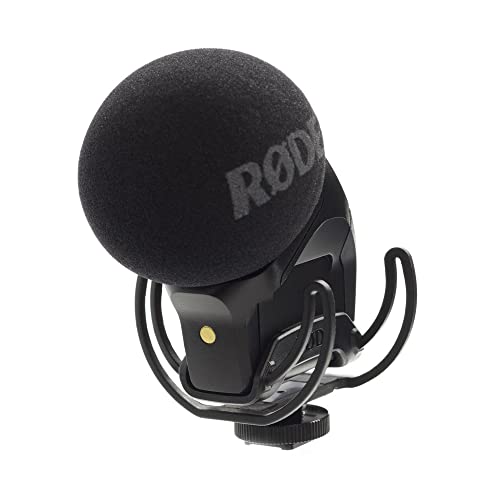
Both cameras record strong video, and both deserve better audio than their built-in microphones can give. This Rode stereo microphone mounts on the hot shoe of either body and connects through the 3.5mm input, capturing a wide stereo image that suits music, ambience, and interviews.
Specs
- Matched pair of half-inch cardioid condenser capsules in XY stereo; 40Hz to 20kHz frequency range; 3.5mm stereo output; Rycote Lyre shock mount; three-position level control at minus 10dB, 0, and plus 20dB; high-pass filter at 75Hz; 9V battery with up to 100 hours of use.
5. Manfrotto Befree Compact Carbon Fibre Tripod

Both cameras benefit from a tripod that is light enough to carry all day and strong enough to hold a full-frame body with a zoom lens. This carbon fibre Befree folds down small, sets up fast with twist locks, and includes a ball head that locks firmly for landscapes, long exposures, and video.
Specs
- Carbon fibre travel tripod, model MKBFRC4-BH; folds to 40 cm; maximum height 142 cm; weighs about 1.1 kg; holds up to 4 kg; ball head with quick-release plate; four-section legs with twist locks.
The Bottom Line
The Nikon Z6 III and the Fujifilm X-H2S are both excellent hybrid cameras, and the right choice is the one that matches your subjects. The Nikon gives you a full-frame sensor, cleaner low-light files, internal RAW video, and a deep grip for large lenses. The Fujifilm gives you a stacked APS-C sensor, faster bursts, longer reach from the same lenses, and a lighter kit for travel and wildlife. Buy the Nikon if your work lives in dim rooms and shallow depth of field. Buy the Fujifilm if your work lives in fast action and long lenses.
FAQ
Is the Nikon Z6 III better than the Fujifilm X-H2S for low-light photography?
Yes, in most low-light work the Z6 III holds an edge, because its full-frame sensor gathers more light than the APS-C sensor in the X-H2S, which gives cleaner files at high ISO settings and more room to lift shadows in editing.
Is the Fujifilm X-H2S better than the Nikon Z6 III for wildlife and sports?
Yes, for wildlife and sports the X-H2S holds an edge, because its 40 frames per second electronic shutter, fast stacked sensor readout, and APS-C crop factor give you more reach and more chances to catch the decisive moment.
Can both cameras use the same memory cards and accessories?
Yes, both cameras take CFexpress Type B and SD UHS-II cards, both have a standard hot shoe and a 3.5mm microphone input, and both mount on a standard tripod plate, so cards, microphones, and tripods can be shared between them.
Which camera should a hybrid shooter who does both stills and video choose?
Choose the Z6 III if your hybrid work leans toward portraits, events, and graded video with internal RAW, and choose the X-H2S if your hybrid work leans toward travel, wildlife, and open-gate video, since each body leads in the kind of work it was built around.
More from Amazon
Programs that pair well with the guide above. Offers and eligibility are set by Amazon and may change.
Free shipping on eligible items, Prime Video and more. Eligible new members can start with a free trial.
Start a Prime free trialAudiobooks and podcasts to listen to on the go. Eligible new members can start with a free trial.
Try Audible freeAd-free music streaming. Eligible new subscribers can start with a free trial.
Try Music Unlimited freeA free business account with business pricing and bulk-buying tools for work, shop or home office.
Create a business accountAs an Amazon Associate we earn from qualifying purchases.