
Our Short List of 3

- Sensor: 32.5MP APS-C CMOS; Processor: DIGIC X; Mount: Canon RF; Autofocus: Dual Pixel CMOS AF II with subject detection; Stabilization: 5-axis in-body, up to 8 stops; Video: 4K60, Canon Log 3; Battery: LP-E6NH; Card slots: Dual SD UHS-II.

- Sensor: 20.9MP APS-C CMOS; Processor: EXPEED 7; Mount: Nikon Z; Autofocus: Subject detection for people, animals, vehicles; Stabilization: Electronic vibration reduction, no IBIS; Video: 4K60, 10-bit N-Log; Battery: EN-EL25; Card slots: Single SD UHS-II.

- Capacity: 256GB; Format: microSDXC UHS-II; Speed class: V60; Read speed: up to 200 MB/s; Write speed: up to 140 MB/s; Durability: Water, shock, temperature resistant.
All 5 Picks at a Glance
| Product | Specs | Action |
|---|---|---|
| 1. Canon EOS R7 Body |
| Check price on Amazon |
| 2. Nikon Z50 II Body |
| Check price on Amazon |
| 3. SanDisk Extreme PRO microSDXC 256GB |
| Check price on Amazon |
 4. DJI Mic Mini (2 TX + 1 RX + Charging Case) |
| Check price on Amazon |
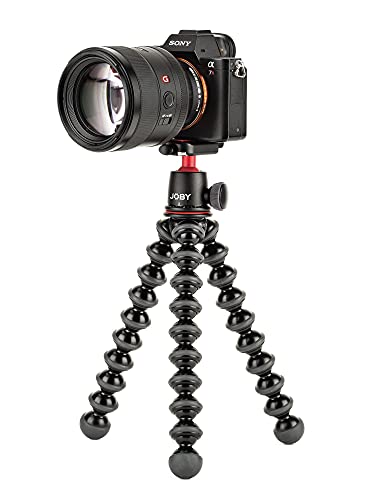 5. Joby GorillaPod 3K Kit |
| Check price on Amazon |
Our Top Picks
Two APS-C mirrorless cameras, two very different ideas about what an enthusiast camera should be. The Canon EOS R7 is a speed machine aimed at wildlife and sports shooters, with a 32.5MP sensor, in-body stabilization, and a deep buffer. The Nikon Z50 II is a compact creator camera, built around a 20.9MP sensor, strong video features, and a body small enough to carry everywhere. Both use a 1.5x crop sensor, both shoot 4K video, and both cost far less than a full-frame body, but they serve different photographers.
As an Amazon Associate, we earn from qualifying purchases.
This comparison looks at the two cameras head to head on resolution, autofocus, video, stabilization, battery, and handling, then adds three accessories that work with either body. The goal is not to declare a universal winner, because there is not one, but to show which camera fits which shooter so you can choose with confidence.
The Two Cameras at a Glance
The R7 is the larger, faster camera. Its 32.5MP APS-C sensor is the highest-resolution APS-C sensor Canon has made, and it pairs with the DIGIC X processor for 15 frames per second with the mechanical shutter and 30 with the electronic shutter. Dual card slots, a joystick, and a deep grip make it feel like a shrunken professional body, and the RF mount gives access to Canon’s growing mirrorless lens catalog.
The Z50 II is the smaller, lighter camera. Its 20.9MP sensor comes from the same family as the Z fc and the original Z50, but the EXPEED 7 processor brings flagship autofocus features down to an entry-level body, including subject detection for people, animals, and vehicles. The vari-angle screen flips forward for self-recording, and the body is small enough to slip into a day bag with a kit zoom attached.
1. Canon EOS R7 Body
- Sensor: 32.5MP APS-C CMOS; Processor: DIGIC X; Mount: Canon RF; Autofocus: Dual Pixel CMOS AF II with subject detection; Stabilization: 5-axis in-body, up to 8 stops; Video: 4K60, Canon Log 3; Battery: LP-E6NH; Card slots: Dual SD UHS-II.
The R7 is Canon’s APS-C flagship, and it behaves like one. The 32.5MP sensor resolves fine detail that the Z50 II cannot match, which matters when you crop into a distant bird or print large. The autofocus system uses Dual Pixel CMOS AF II with subject detection for people, animals, and vehicles, and it tracks tenaciously once locked on. In-body stabilization is rated up to 8 stops with compatible lenses, which steadies long telephoto shots and smooths handheld video.
Video is strong: 4K60 oversampled from 7K in the standard 4K30 mode, Canon Log 3 for grading, and no recording time limit in most modes. The battery is the LP-E6NH, shared with Canon’s full-frame bodies, and it lasts notably longer per charge than the Z50 II’s smaller battery. Two card slots mean you can record backups or separate stills from video, which working photographers value.
The trade-off is size and weight. The R7 is bigger and heavier than the Z50 II, and its RF-S lens catalog is still smaller than Nikon’s Z DX range in some niches. But for wildlife, sports, and action, it is the most capable APS-C camera Canon makes.
2. Nikon Z50 II Body
- Sensor: 20.9MP APS-C CMOS; Processor: EXPEED 7; Mount: Nikon Z; Autofocus: Subject detection for people, animals, vehicles; Stabilization: Electronic vibration reduction, no IBIS; Video: 4K60, 10-bit N-Log; Battery: EN-EL25; Card slots: Single SD UHS-II.
The Z50 II is the camera you buy when portability and video matter most. Its 20.9MP sensor is modest on paper, but the EXPEED 7 processor gives it autofocus that punches far above its class, with reliable subject detection and a pre-release capture mode that records frames before you fully press the shutter. That feature alone saves shots of birds taking off and children mid-laugh that slower cameras miss.
Video is where the Z50 II shines for its size. It records 4K60, offers 10-bit N-Log and HLG, and includes a dedicated Picture Control button for quick looks. The vari-angle screen flips to the front for vlogging, and the body works with the full Z-mount lens range, including compact DX zooms that keep the kit small. At around 550 g with battery, it is easy to carry all day.
The trade-offs are real: there is no in-body stabilization, so you rely on lens stabilization and electronic vibration reduction, and the EN-EL25 battery is small, so a spare is close to essential. Resolution is lower, so heavy cropping is limited. But for creators, travelers, and anyone who values a camera that is always with them, the Z50 II is a compelling package.
Head to Head: Resolution
The R7 wins on resolution, and it is not close. Its 32.5MP sensor captures roughly 55 percent more pixels than the Z50 II’s 20.9MP sensor, which shows up in two places: fine detail in landscapes and portraits, and cropping freedom. A wildlife shooter can crop a distant subject to half the frame and still have a usable file, while the Z50 II runs out of pixels sooner.
That said, resolution is not everything. The Z50 II’s files are clean, its high-ISO performance is solid, and 20.9MP is plenty for online use and prints up to a generous size. If you rarely crop hard and rarely print large, the difference is academic. If you shoot birds or sports and crop aggressively, the R7’s extra pixels are a genuine working advantage.
Head to Head: Autofocus
Both cameras have modern subject-detection autofocus, and both are good, but they have different strengths. The R7’s Dual Pixel CMOS AF II is fast, sticky, and excellent at tracking animals and vehicles, with a deep buffer that lets you fire long bursts while it works. The Z50 II’s EXPEED 7 system is surprisingly capable for its class, with reliable eye detection and a pre-release capture feature the R7 lacks.
In practice, the R7 holds focus a little more tenaciously on fast, erratic subjects, while the Z50 II’s pre-release capture catches moments that happen before you react. For a wildlife shooter the R7 edges ahead; for a family photographer or a creator catching fleeting moments, the Z50 II’s pre-release mode is a quiet superpower.
Head to Head: Video
Both cameras record 4K60, but they approach video differently. The R7 offers Canon Log 3, oversampled 4K30, and no recording limit, which suits longer takes and graded footage. The Z50 II offers 10-bit N-Log, a flip-forward screen, and a body built for solo creators, which suits vlogging and short-form work.
The R7’s in-body stabilization gives it an edge for handheld video, while the Z50 II leans on lens stabilization and electronic correction. For a run-and-gun creator the Z50 II’s screen and size matter more; for a videographer building graded footage the R7’s Log profile and stabilization matter more. Neither camera is a bad video tool, and the right one depends on how you shoot.
Head to Head: Stabilization, Battery, and Handling
Stabilization is a clear R7 win: 5-axis in-body stabilization rated up to 8 stops steadies stills and video with any lens, including older adapted glass. The Z50 II has no in-body stabilization, so unstabilized primes and third-party lenses get no help, and video relies on electronic correction that crops the frame slightly.
Battery life also favors the R7. The LP-E6NH is a large, full-frame-class battery that lasts through a long day of shooting, while the Z50 II’s EN-EL25 is small and needs a spare for serious work. Handling follows size: the R7 has a deeper grip, a joystick, and dual card slots, which working photographers prefer, while the Z50 II is smaller, lighter, and easier to carry everywhere, which travelers and creators prefer.
3. SanDisk Extreme PRO microSDXC 256GB
- Capacity: 256GB; Format: microSDXC UHS-II; Speed class: V60; Read speed: up to 200 MB/s; Write speed: up to 140 MB/s; Durability: Water, shock, temperature resistant.
Both cameras use SD cards, and this SanDisk card is a fast, reliable choice for either body. With UHS-II speeds it clears the buffer quickly during bursts, which matters when the R7 is firing at 15 frames per second or the Z50 II is capturing pre-release frames. The 256GB capacity holds long video sessions and thousands of stills, and the card is built to resist water, shock, and temperature extremes.
4. DJI Mic Mini (2 TX + 1 RX + Charging Case)
- System: 2 transmitters + 1 receiver + charging case; Connection: 2.4 GHz wireless; Input: 3.5mm; Battery life: Up to 48 hours with case; Weight: 10 g per transmitter; Compatibility: Cameras with 3.5mm mic input.
Good video needs good audio, and this compact wireless microphone kit works with either camera through the 3.5mm input. Two transmitters let you mic two people at once, the receiver is small enough to sit on a hot shoe without unbalancing a light body, and the charging case keeps everything topped up between takes. It is a natural partner for the Z50 II’s vlogging strengths and for the R7’s video modes alike.
5. Joby GorillaPod 3K Kit
- Load capacity: 3 kg; Material: Aluminum and ABS; Head: Ball head with quick-release plate; Legs: Flexible, wrappable joints; Weight: 393 g; Compatibility: Cameras with 1/4-inch tripod socket.
A flexible tripod is the most versatile support for either camera, and the GorillaPod 3K wraps around railings, branches, and fences where a normal tripod cannot go. The ball head holds the weight of either body with a standard zoom, and the legs fold flat for packing. It is especially useful with the Z50 II for vlogging and with the R7 for low-angle wildlife work.
Which Camera Should You Buy?
Choose the Canon EOS R7 if you shoot wildlife, sports, or action, crop heavily, need in-body stabilization, or want dual card slots and a long-lasting battery. Its resolution and speed make it the stronger tool for demanding stills work, and its video is capable enough for serious projects.
Choose the Nikon Z50 II if you value portability, vlogging, and creative video features, or if your budget is tighter and you want a camera that disappears into a day bag. Its pre-release capture and flip screen are genuinely useful, and its autofocus is far better than its class suggests. The smaller battery and lack of stabilization are real compromises, but they are manageable with a spare battery and stabilized lenses.
Either camera will serve you well. The R7 is the better tool; the Z50 II is the better companion. Pick the one that matches the way you actually shoot, not the one with the longer spec sheet.
Frequently Asked Questions
Can the Canon EOS R7 and Nikon Z50 II use the same lenses?
No. The R7 uses the Canon RF mount and the Z50 II uses the Nikon Z mount, and the two mounts are not interchangeable. Each camera needs its own lenses, although adapters exist for older Canon EF and Nikon F lenses on their respective mirrorless bodies. The accessories in this guide, including the memory card, microphone, and tripod, work with either camera because they use standard connections.
Which camera is better for wildlife photography?
The Canon EOS R7. Its 32.5MP sensor gives you more room to crop, its autofocus tracks animals tenaciously, its in-body stabilization steadies long lenses, and its deep buffer handles long bursts. The Z50 II can shoot wildlife and its pre-release capture is useful, but the R7’s resolution and stabilization give it a clear edge for distant subjects.
Does the Nikon Z50 II have in-body image stabilization?
No. The Z50 II relies on lens-based stabilization and electronic vibration reduction for video. That works well with stabilized Z-mount lenses, but unstabilized primes get no help, and electronic correction crops the frame slightly in video. The R7, by contrast, has 5-axis in-body stabilization that works with any lens, which is one of the clearest differences between the two cameras.
Is the Nikon Z50 II good for vlogging?
Yes, it is one of the better vlogging cameras at its size. The vari-angle screen flips forward so you can see yourself, the body is light enough to hold at arm’s length, the autofocus tracks faces reliably, and 4K60 with 10-bit N-Log gives you flexible footage. Pair it with the DJI Mic Mini from this guide for clean audio, and it becomes a compact, capable vlogging kit.
Conclusion
The R7 and the Z50 II are both excellent APS-C cameras, and the choice comes down to priorities. Resolution, stabilization, battery, and dual card slots point to the R7, while size, flip-screen video, pre-release capture, and a lower burden on your bag point to the Z50 II. Whichever you choose, the shared accessories in this guide, a fast card, a compact wireless mic, and a flexible tripod, will make either camera better at the work you actually do.
More from Amazon
Programs that pair well with the guide above. Offers and eligibility are set by Amazon and may change.
Free shipping on eligible items, Prime Video and more. Eligible new members can start with a free trial.
Start a Prime free trialAudiobooks and podcasts to listen to on the go. Eligible new members can start with a free trial.
Try Audible freeAd-free music streaming. Eligible new subscribers can start with a free trial.
Try Music Unlimited freeA free business account with business pricing and bulk-buying tools for work, shop or home office.
Create a business accountAs an Amazon Associate we earn from qualifying purchases.









