
Our Top Picks
 Shure MVL Lavalier Microphone for iPhone & Tablet2.005.2 x 3.3 x 1.6 Inches0.1 poundsCheck on Amazon
A lavalier microphone clips to a shirt, a jacket, or a collar and sits close to the mouth. That short distance makes a large difference in video sound. A camera microphone sits far from the speaker, so it picks up room echo and background sound. A lavalier microphone stays near the voice, so dialogue sounds clear, present, and natural, even in a room that is not treated for sound. For interviews, vlogs, tutorials, wedding films, and corporate videos, a small clip-on microphone is often the simplest upgrade a creator can make. The five wired lavalier microphones in this guide differ in connector type, cable length, and the devices they suit best. Two are made for wireless transmitters and recorders, two are made for phones and cameras, and one adds a USB adapter for a computer.

As an Amazon Associate, we earn from qualifying purchases.
How to Choose a Lavalier Microphone for Video
Wired or Wireless
A wired lavalier microphone plugs into a camera, a recorder, a phone, or a wireless transmitter. The cable carries the signal, so there is no battery to charge in the transmitter, no radio link to drop, and no pairing step before a take. A wired lavalier is simple, dependable, and light, though its cable can tangle if it is not dressed neatly under clothing. A wireless system adds a bodypack transmitter and a receiver, so the subject can walk without a cable. That freedom helps for wedding films, but it adds weight, batteries, and a radio link that can suffer interference. For a seated interview, a wired lavalier often gives the same voice quality with less gear.
Connector Type
The connector decides which device a lavalier microphone can plug into. A 3.5 mm TRS connector has three sections on the plug and is the standard microphone input on cameras, audio recorders, and wireless transmitters. A 3.5 mm TRRS connector has four sections and is the standard headset input on phones, tablets, and many laptops. The two connectors look almost identical, so check the plug before buying. A TRS microphone plugged into a phone headset jack will often record silence, and a TRRS microphone plugged into a camera microphone input will often record silence too. Adapters solve most mismatches, and the BOYA model in this guide uses a switch to change between TRS and TRRS wiring. If a microphone will only plug into one kind of device, match the connector to that device.
Cable Length and Wind Noise
A short cable of about 1.2 metres suits a solo creator close to the camera. A medium cable of about 1.6 metres suits a seated interview. A long cable of 6 metres suits a two-person interview or a presenter away from the camera. Coil the extra length and keep it away from feet and chair legs. Wind noise is the most common problem outdoors. A foam windscreen softens light wind, while a furry windscreen handles stronger wind. Every microphone in this guide includes a foam windscreen.
Placement and Sound
Clip the microphone about 15 to 20 centimetres below the chin, on a collar or a lapel. Keep the capsule pointing up toward the mouth and away from necklaces, zips, and fabric that can rub against it. Hide the cable under clothing when the shot allows, and leave a small loop of slack near the clip. All five microphones use an omnidirectional pattern, which picks up sound from every direction. That keeps the voice level steady when the speaker turns, but it also picks up more room sound. Placement, wind, and room choice affect the result more than the badge on the microphone.
1. Rode Lavalier GO
The Rode Lavalier GO is a broadcast-grade wired lavalier microphone built for wireless transmitters, cameras, and recorders. Its capsule is only 4.5 mm across, so it hides easily on a collar or a lapel and stays out of the frame in a tight shot. The Kevlar-reinforced cable resists tangles and pulls, and the microphone draws plug-in power from the device it plugs into, so there is no battery to change. In use it sounds clear and natural, with a balanced tone that suits interviews and dialogue. A foam pop shield, a mounting clip, and a carry bag come in the box. The 3.5 mm TRS connector plugs into a Rode Wireless GO transmitter, a camera microphone input, or a recorder with a TRS input. It does not plug directly into a phone headset jack, so phone creators need a TRS to TRRS adapter.
Specs
- Type: omnidirectional condenser lavalier; Capsule: 4.5 mm; Connector: 3.5 mm TRS, gold-plated; Cable: 1.2 m, Kevlar-reinforced; Frequency response: 20 Hz to 20 kHz; Sensitivity: -35 dB; Signal-to-noise ratio: 67 dB; Maximum SPL: 110 dB; Weight: 16 g; Included: foam pop shield, mounting clip, carry bag.
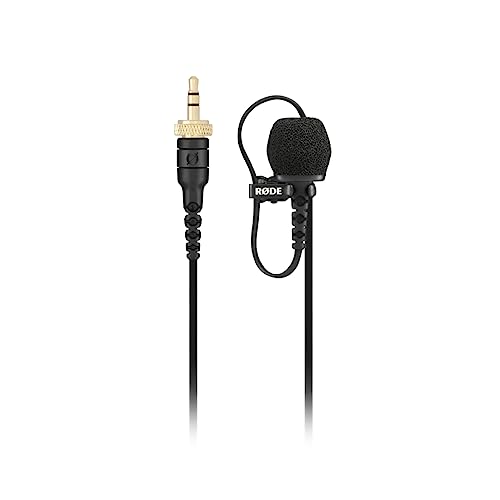
2. Rode Lavalier II
The Rode Lavalier II is a premium wired lavalier microphone with a low-profile design made for broadcast, filmmaking, and content creation. The capsule sits flat against clothing, so it disappears under a jacket lapel and leaves almost no shadow on camera. The flat cable lies neatly against fabric and resists twisting. The capsule delivers a natural, detailed voice, and dialogue stays intelligible in a busy room. A foam windshield and a mounting clip come in the box. The 3.5 mm TRS connector suits wireless transmitters, cameras, and recorders with plug-in power, and it locks in place on compatible transmitters, so the plug cannot pull loose when the subject moves. For a creator who wants the most discreet and refined wired lavalier in this guide, the Lavalier II is the premium pick.
Specs
- Type: omnidirectional condenser lavalier; Connector: 3.5 mm TRS; Frequency response: 20 Hz to 20 kHz; Signal-to-noise ratio: 67 dB; Dynamic range: 79 dB; Maximum SPL: 106 dB; Power: plug-in power, 1.8 to 5 V; Weight: 9 g; Included: foam windshield, mounting clip.
3. Shure MVL
The Shure MVL is a lavalier microphone made for phones and tablets. It plugs into a 3.5 mm headset jack with a TRRS connector, so it works with many phones, tablets, and laptops without an adapter. The capsule is small and light, and the clip holds it firmly on a shirt or a jacket. A foam windscreen, a tie clip, a mount, and a carrying pouch come in the box. Voice quality is clear and focused, with a tone that suits interviews, vlogs, and spoken tutorials. The microphone draws power from the device it plugs into, so there is no battery to manage. Check the phone first, because many recent phones have no 3.5 mm jack and need a USB-C or Lightning to 3.5 mm adapter. For camera work, choose a TRS lavalier instead.
Specs
- Type: omnidirectional condenser lavalier; Connector: 3.5 mm TRRS; Power: plug-in power from the connected device; Included: foam windscreen, tie clip, mount, carrying pouch; Suits: phones, tablets, and laptops with a 3.5 mm headset jack.
4. BOYA BY-M1
The BOYA BY-M1 is a wired omnidirectional lavalier microphone with a 6 metre cable, a battery pack, and a switch that changes the output between phone and camera wiring. Clip it to a shirt, run the long cable back to a camera on a tripod, and the subject can sit well away from the lens. Move the switch, plug it into a phone, and the same microphone records a vlog or an interview on the move. The capsule captures a warm, clear voice, and the signal-to-noise figure of 74 dB keeps the background quiet in a calm room. The inline battery pack holds a single LR44 cell. A lapel clip, a foam windscreen, a 6.35 mm adapter, and a battery come in the box. Coil the 6 metre cable in a neat loop and dress the slack under clothing. For a creator who needs one microphone for a phone, a camera, a camcorder, and a recorder, the BY-M1 covers more setups than any other microphone in this guide.
Specs
- Type: omnidirectional electret condenser lavalier; Connector: 3.5 mm TRRS, 4-pole gold plug; Cable: 6 m, 20 ft; Frequency response: 65 Hz to 18 kHz; Sensitivity: -30 dB; Signal-to-noise ratio: 74 dB; Output impedance: 1000 ohms or less; Battery: LR44, included; Included: lapel clip, foam windscreen, 6.35 mm adapter, battery.
5. Movo LV1-USB
The Movo LV1-USB is a wired lavalier microphone with two ways to connect: a 3.5 mm plug for phones, cameras, and recorders, and a USB adapter for a computer. That dual connection suits a creator who films video on a camera and also records voiceovers, lessons, and video calls on a laptop. A small omnidirectional condenser capsule clips to a shirt, a 6 metre cable runs back to the device, and an inline battery pack holds a single LR44 cell. The capsule captures a warm, natural voice with a frequency response of 65 Hz to 18 kHz and a signal-to-noise figure of 74 dB. The USB adapter plugs into a USB-A port and needs no driver. Coil the extra cable neatly and test the USB adapter with the chosen software before a live session.
Specs
- Type: omnidirectional condenser lavalier; Connector: 3.5 mm TRRS and TRS plus USB-A adapter; Cable: 6 m, 20 ft; Frequency response: 65 Hz to 18 kHz; Sensitivity: -30 dB; Signal-to-noise ratio: 74 dB; Battery: LR44, included; Included: foam windscreen, lapel clip, 6.35 mm adapter, USB adapter.
Which Lavalier Microphone Fits Your Setup
Match the microphone to the device first, then to the shoot. For a wireless transmitter, a camera, or a recorder, choose the Rode Lavalier GO or the Rode Lavalier II. The GO is the practical choice, with a tough Kevlar cable and a clear, balanced voice. The Lavalier II is the refined choice, with a flatter profile, a lighter body, and a more detailed voice. For a phone or a tablet, choose the Shure MVL, whose TRRS connector plugs into a headset jack without an adapter. For a creator who switches between a phone and a camera, choose the BOYA BY-M1, whose switch changes the wiring and whose 6 metre cable suits interviews where the camera sits far from the subject. For a desk setup that mixes camera video and computer audio, choose the Movo LV1-USB. Film in the quietest corner available, fit a windscreen, and test the sound with headphones before the main take.
Care and Storage
Coil the cable in a loose loop, never wrap it tightly around the microphone. Store the microphone in its pouch, with the windscreen fitted so the capsule stays protected. Keep the clip in the same pouch. Check the battery in the BOYA and Movo models before a shoot, and carry a spare LR44 cell. For the Rode and Shure models, test the plug with the camera or transmitter before leaving for a location.
Frequently Asked Questions
Can I use a lavalier microphone with a phone and a camera?
Yes, but the connector must match the device. A TRRS lavalier suits a phone headset jack, while a TRS lavalier suits a camera microphone input. The BOYA BY-M1 and the Movo LV1-USB switch between phone and camera wiring, so one microphone can serve both devices. Test any adapter with the exact phone or camera before a shoot.
Do I need a wireless system for video?
No, a wired lavalier microphone gives clear voice for seated interviews, tutorials, and fixed camera shots. A wireless system helps when the subject walks or moves far from the camera. The Rode lavalier microphones in this guide also work as capsules for wireless transmitters.
How do I reduce wind noise on a lavalier microphone?
Fit a foam windscreen for light wind and a furry windscreen for stronger wind outdoors. Clip the microphone under a collar or a lapel when the shot allows, so clothing shields the capsule from direct wind. Record a short test clip before the main take, and choose a sheltered spot for critical dialogue.
How long should a lavalier microphone cable be?
A cable of about 1.2 metres suits a solo creator close to the camera. A cable of about 1.6 metres suits a seated interview. A cable of 6 metres suits a two-person interview or a presenter away from the camera. Longer cables need neat coiling under clothing to avoid tangles.
Final Thoughts
A lavalier microphone is a small tool with a large effect on video. It brings the voice close, keeps dialogue clear, and lets the camera sit where the shot looks best. The five microphones in this guide cover the common setups: two Rode lavalier microphones for cameras and wireless transmitters, a Shure lavalier for phones, a BOYA lavalier with a long cable for phone and camera work, and a Movo lavalier with a USB adapter for desk and computer work. Choose the connector first, choose the cable length second, and add a windscreen for outdoor shoots.
More from Amazon
Programs that pair well with the guide above. Offers and eligibility are set by Amazon and may change.
Free shipping on eligible items, Prime Video and more. Eligible new members can start with a free trial.
Start a Prime free trialAudiobooks and podcasts to listen to on the go. Eligible new members can start with a free trial.
Try Audible freeAd-free music streaming. Eligible new subscribers can start with a free trial.
Try Music Unlimited freeA free business account with business pricing and bulk-buying tools for work, shop or home office.
Create a business accountAs an Amazon Associate we earn from qualifying purchases.









