
Our Top Picks
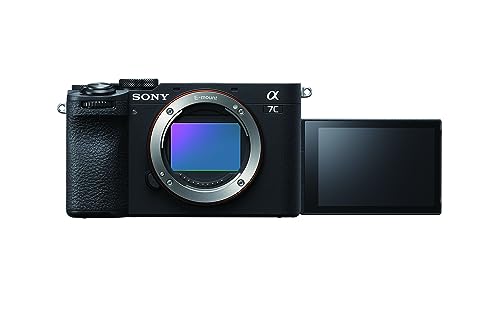 Sony Alpha 7C II Full-Frame Interchangeable Lens Camera4.902.5 x 4.9 x 2.8 inches0.95 PoundsCheck on Amazon
Full-frame image quality in a body that fits in a jacket pocket is the promise both of these cameras make, and both keep it in different ways. The Sony A7C II packs a 33MP sensor, 5-axis stabilization, and Sony’s best autofocus into one of the smallest full-frame bodies ever made. The Canon EOS R8 is even lighter, with a 24.2MP sensor, fast Dual Pixel autofocus, and uncropped 4K60 video, and this guide uses the R8 as a kit with the RF 24-50mm lens so you can shoot from day one.

As an Amazon Associate, we earn from qualifying purchases.
This comparison looks at the two cameras head to head on resolution, autofocus, video, stabilization, battery, and handling, then adds three accessories that work with either body. Both are genuine full-frame cameras, so the differences are about handling and features rather than sensor size, and the right choice depends on the lenses you own and the way you shoot.
The Two Cameras at a Glance
The A7C II is Sony’s compact full-frame all-rounder. Its 33MP sensor is shared with the larger A7 IV, its autofocus uses the same AI processing unit as Sony’s flagship bodies, and its 5-axis stabilization is rated up to 7 stops. The body is small but dense, with a rangefinder-style viewfinder on the corner, a fully articulating screen, and a single card slot. It is a camera built for photographers who want full-frame quality without a full-frame bag.
The R8 is Canon’s lightest full-frame mirrorless camera. Its 24.2MP sensor is the same class as the EOS R6 Mark II’s, its Dual Pixel CMOS AF II tracks people, animals, and vehicles, and it records uncropped 4K60 video oversampled from 6K. The body is remarkably light at around 461 g, the grip is comfortable for its size, and the RF mount gives access to Canon’s mirrorless lenses. The kit with the RF 24-50mm f/4.5-6.3 IS STM is a compact, retractable zoom that collapses small for travel.
1. Sony A7C II Body
The A7C II is the camera for photographers who want maximum capability in minimum space. The 33MP sensor resolves fine detail and gives you room to crop, while the AI autofocus unit recognizes people, animals, birds, insects, cars, trains, and airplanes, and holds focus with a tenacity that used to require a flagship body. Eye autofocus works on humans and animals alike, and it stays locked even when the subject turns away briefly.
Stabilization is a real strength: 5-axis in-body stabilization rated up to 7 stops steadies stills with any lens and smooths handheld video, which matters because the A7C II’s compact lenses are often unstabilized. Video covers 4K60 oversampled from 7K, 10-bit 4:2:2 internal recording, and S-Log3 for grading. The NP-FZ100 battery is the same large battery Sony uses in its bigger bodies, and it lasts well for a camera this small.
The trade-offs are handling and slots. The small grip suits small hands and small lenses but can feel cramped with heavy glass, the single card slot means no in-camera backup, and the viewfinder is smaller than on larger Sony bodies. For travel, street, and everyday full-frame shooting, though, the A7C II is hard to beat.
Specs
- Sensor: 33MP full-frame CMOS; Processor: BIONZ XR with AI processing unit; Mount: Sony E; Autofocus: AI subject recognition, Real-time Eye AF; Stabilization: 5-axis in-body, up to 7 stops; Video: 4K60 oversampled, 10-bit 4:2:2, S-Log3; Battery: NP-FZ100; Card slots: Single SD UHS-II.
2. Canon EOS R8 Kit with RF 24-50mm f/4.5-6.3 IS STM
The R8 kit is the lightest way into full-frame Canon mirrorless, and the included 24-50mm zoom makes it ready to shoot immediately. The 24.2MP sensor is a proven performer with clean high-ISO files, and Dual Pixel CMOS AF II tracks subjects with the speed and confidence Canon is known for. The camera shoots 6.5 frames per second with the mechanical shutter and 40 with the electronic shutter, which is fast enough for most action.
Video is a highlight: uncropped 4K60 oversampled from 6K, Canon Log 3, and 6K oversampled 4K30, all in a body that weighs about the same as an APS-C camera. The RF 24-50mm kit lens is compact and retractable, covering wide angle through short telephoto, with image stabilization that helps in low light. The f/4.5-6.3 aperture is modest, so low-light work leans on the sensor and stabilization, but for travel and daylight shooting the kit is excellent.
The R8 has no in-body stabilization, so unstabilized lenses get no help, and the LP-E6NH battery is shared with larger Canon bodies but the small body drains it faster than the R7 does. The single card slot matches the A7C II. For photographers who value light weight and Canon’s color and autofocus, the R8 kit is a compelling package.
Specs
- Sensor: 24.2MP full-frame CMOS; Processor: DIGIC X; Mount: Canon RF; Autofocus: Dual Pixel CMOS AF II with subject detection; Stabilization: Lens-based only, no IBIS; Video: 4K60 uncropped, Canon Log 3; Battery: LP-E6NH; Card slots: Single SD UHS-II; Kit lens: RF 24-50mm f/4.5-6.3 IS STM.
Head to Head: Resolution
The A7C II wins on resolution. Its 33MP sensor captures about a third more pixels than the R8’s 24.2MP sensor, which shows up in fine detail and cropping freedom. A landscape shooter can crop into a distant ridge and keep a clean file; a portrait shooter can recompose in post without losing printable detail.
The R8’s 24.2MP is not a weakness in practice. Its files are clean, its high-ISO performance is strong, and 24MP is plenty for online work and large prints. If you rarely crop hard, the difference is small. If you crop often or print big, the A7C II’s extra pixels are a real advantage.
Head to Head: Autofocus
Both cameras have excellent autofocus, and the gap between them is narrow. Sony’s AI unit in the A7C II recognizes more subject types, including insects and trains, and its eye autofocus is superb. Canon’s Dual Pixel CMOS AF II in the R8 is fast, confident, and excellent at tracking people and animals, with a simpler menu system that many photographers prefer.
In everyday shooting the two are hard to separate. The A7C II has a slight edge on unusual subjects and on eye detection at a distance, while the R8 feels a touch more predictable in its behavior. Either camera will track a moving subject well enough for professional work, and the choice here should follow the lens system you prefer rather than the autofocus alone.
Head to Head: Video
Both cameras record 4K60, but they get there differently. The R8 records uncropped 4K60 oversampled from 6K, which gives a wide field of view and sharp footage, and Canon Log 3 grades nicely. The A7C II records 4K60 oversampled from 7K with 10-bit 4:2:2 internal recording and S-Log3, which gives more flexibility in post.
The A7C II’s in-body stabilization is the deciding factor for handheld video: it smooths footage with any lens, while the R8 relies on lens stabilization and digital correction. For a solo creator shooting handheld, the A7C II is the steadier tool. For a shooter on a gimbal or tripod, the difference fades, and the R8’s uncropped 4K60 is excellent.
Head to Head: Stabilization, Battery, and Handling
Stabilization is a clear A7C II win. Its 5-axis in-body stabilization works with every lens, including vintage adapted glass, and it steadies both stills and video. The R8 has no in-body stabilization, so only stabilized RF lenses help, and unstabilized primes are on their own.
Battery life favors the A7C II as well. The NP-FZ100 is a large battery that lasts through a long day, while the R8’s LP-E6NH drains faster in the smaller body, so a spare is wise. Handling is a matter of taste: the R8 is lighter and has a more comfortable grip for its size, while the A7C II is denser and its rangefinder-style viewfinder divides opinion. Both cameras are small enough to carry all day, and both feel like a deliberate choice to trade some handling for portability.
3. Rode Wireless GO II
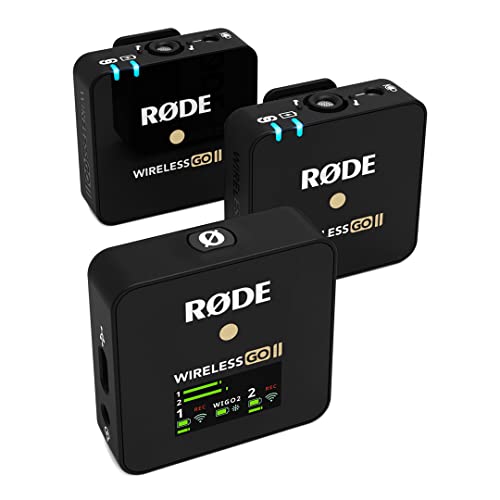
Clean audio matters for video on either camera, and the Wireless GO II is a compact dual-channel wireless microphone system that works with both through the 3.5mm input. Two transmitters let you mic two people, the receiver is small and light, and the system records a safety channel at a lower level so a sudden loud moment does not ruin a take. It is the audio upgrade that makes the biggest difference for creators using either body.
Specs
- System: 2 transmitters + 1 receiver; Connection: 2.4 GHz wireless; Input: 3.5mm; Recording: On-board recording with safety channel; Battery life: Up to 7 hours per transmitter; Range: Up to 200 m line of sight.
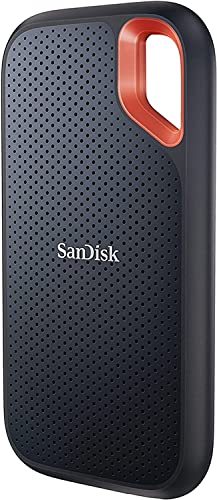
4. SanDisk Extreme Portable SSD 2TB
Video files from either camera are large, and a fast portable SSD is the practical way to carry them. This 2TB SanDisk drive moves footage quickly over USB-C, fits in a pocket, and resists drops, water, and dust. Use it to back up cards in the field, to edit directly from the drive, or to keep a second copy of a project separate from your laptop.
Specs
- Capacity: 2TB; Interface: USB-C; Read speed: Up to 1,050 MB/s; Write speed: Up to 1,000 MB/s; Durability: Drop resistant up to 3 m, IP65 water and dust resistant; Weight: 52 g.
5. Manfrotto PIXI Mini Tripod
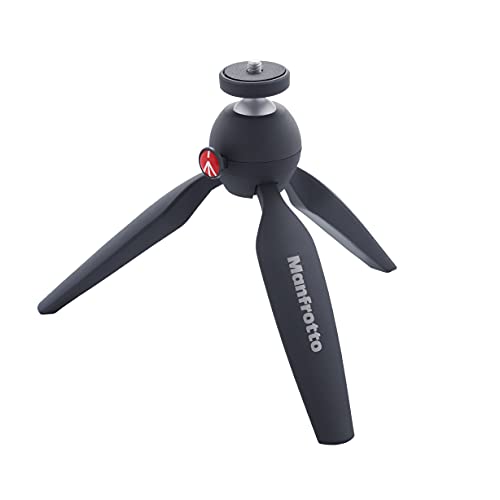
A small tabletop tripod is the most useful support for a compact full-frame camera, and the PIXI Mini is the classic choice. It holds either body with a kit lens steady on a table, a wall, or uneven ground, and it doubles as a comfortable handgrip for vlogging. The push-button ball head adjusts quickly, and the whole thing folds small enough to fit in a jacket pocket.
Specs
- Load capacity: 1 kg; Material: Aluminum and technopolymer; Head: Ball head with push-button lock; Height: 13.5 cm; Weight: 190 g; Compatibility: Cameras with 1/4-inch tripod socket.
Which Camera Should You Buy?
Choose the Sony A7C II if you want more resolution, in-body stabilization, longer battery life, and the broadest lens catalog in mirrorless, including many compact third-party primes. It is the stronger tool for photographers who crop, shoot handheld video, or use adapted and unstabilized lenses.
Choose the Canon EOS R8 kit if you want the lightest full-frame body, Canon’s color and autofocus, uncropped 4K60, and a ready-to-shoot kit with a compact zoom. It is the better choice for travelers who value light weight and for photographers already invested in Canon glass.
Either camera will serve you well. The A7C II is the more capable body; the R8 kit is the lighter, more affordable way in. Pick the one that matches the lenses you own and the way you shoot, and add the accessories in this guide to make either camera better at video.
Frequently Asked Questions
Is the Canon EOS R8 kit lens good enough to use?
Yes, for travel and daylight shooting. The RF 24-50mm f/4.5-6.3 IS STM is compact, sharp in the center, and stabilized, and it covers the most useful range for a walk-around lens. Its modest aperture limits low-light work and background blur, so a fast prime is a natural second lens, but as a first lens it is far better than its size suggests.
Which camera is better for handheld video?
The Sony A7C II. Its 5-axis in-body stabilization steadies footage with any lens, including unstabilized primes, while the R8 relies on lens stabilization and digital correction. For a solo creator shooting handheld, that difference is visible in every clip. On a gimbal or tripod the gap closes, and both cameras produce excellent 4K60 footage.
Can I use my old Canon EF lenses on the EOS R8?
Yes, with the Canon EF-EOS R mount adapter. EF lenses keep autofocus and metering on the R8, so a collection of EF glass transfers directly to the mirrorless body. Sony A7C II owners can adapt older lenses too, but Canon’s own adapter is the most seamless path for EF owners moving to the R8.
Does the Sony A7C II have dual card slots?
No, it has a single SD UHS-II slot, the same as the R8. That means no in-camera backup while shooting, so a sensible workflow is to back up cards to the portable SSD in this guide at the end of each day. For most travel and creator work a single slot is fine, but wedding and event photographers who need redundancy should plan their backup routine carefully.
Conclusion
The A7C II and the R8 are both excellent compact full-frame cameras, and the choice comes down to priorities. Resolution, stabilization, and battery life point to the A7C II, while light weight, Canon’s autofocus feel, and a ready-to-shoot kit point to the R8. Whichever you choose, the shared accessories in this guide, a dual wireless mic, a fast 2TB SSD, and a pocket tripod, will make either camera stronger at the video work these small bodies invite.
More from Amazon
Programs that pair well with the guide above. Offers and eligibility are set by Amazon and may change.
Free shipping on eligible items, Prime Video and more. Eligible new members can start with a free trial.
Start a Prime free trialAudiobooks and podcasts to listen to on the go. Eligible new members can start with a free trial.
Try Audible freeAd-free music streaming. Eligible new subscribers can start with a free trial.
Try Music Unlimited freeA free business account with business pricing and bulk-buying tools for work, shop or home office.
Create a business accountAs an Amazon Associate we earn from qualifying purchases.









