Our Top Picks
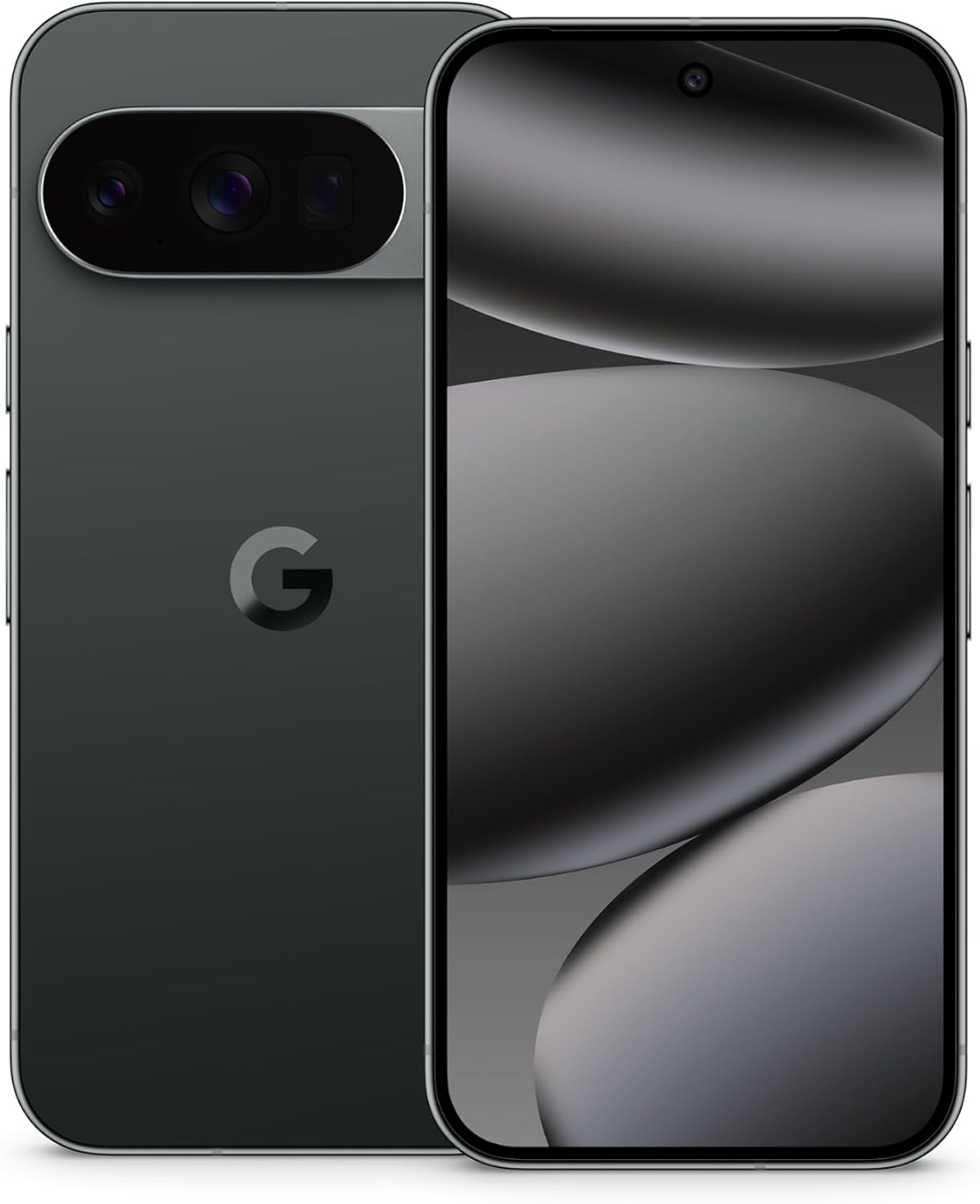
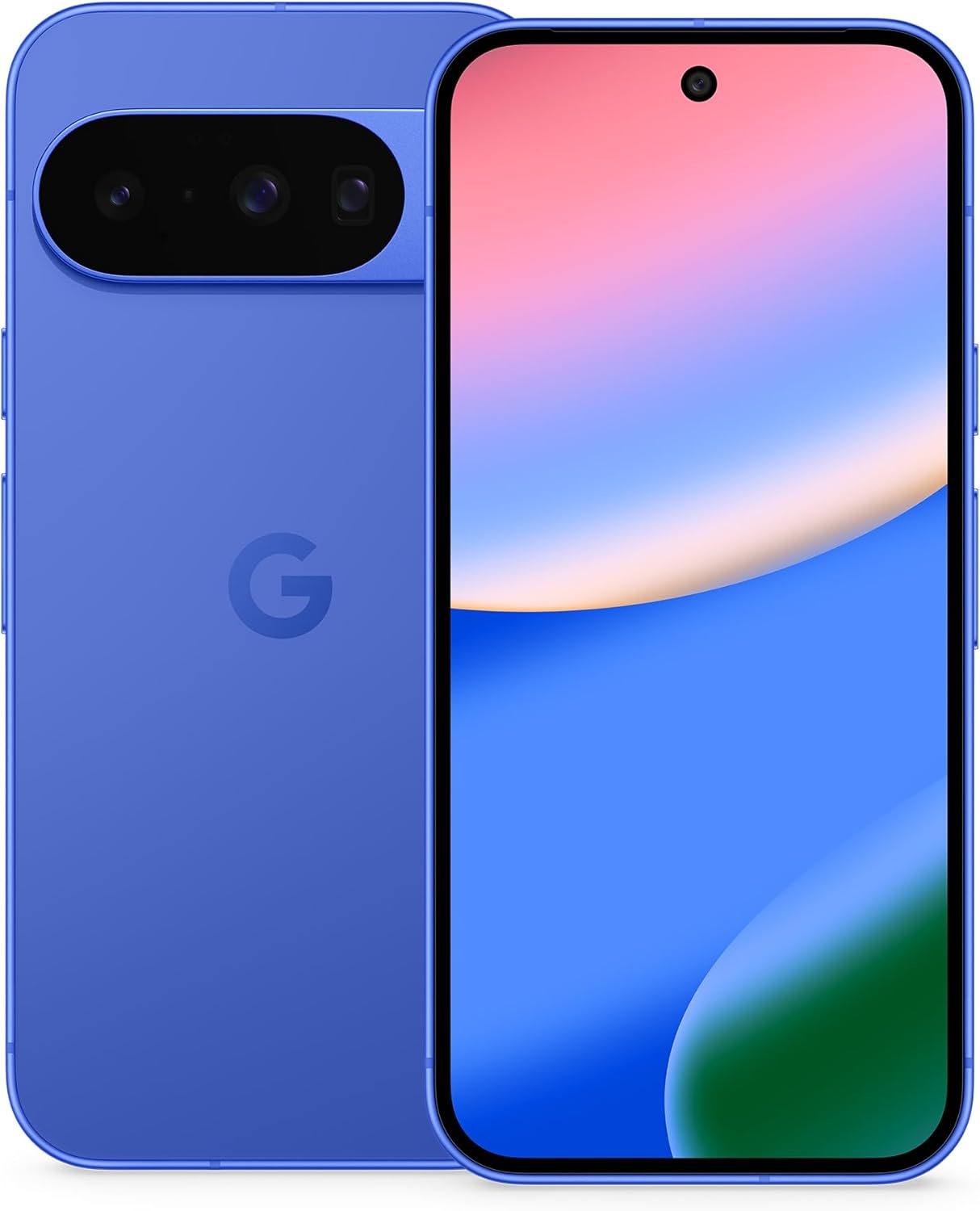
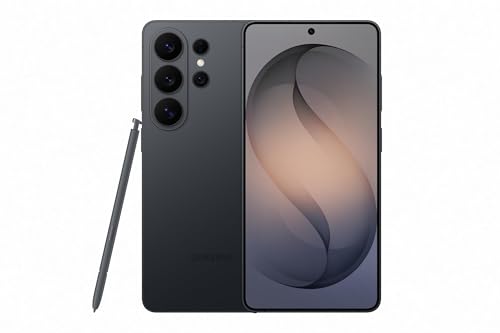


The best selfie camera phones in 2026 are the Google Pixel 10 Pro (42MP autofocus front camera with a 103-degree field of view) and the Apple iPhone 17 Pro (18MP Center Stage camera with a square sensor), with the Pixel 10, iPhone 17, Samsung Galaxy S26 Ultra, Nothing Phone (3a) Pro, Samsung Galaxy S25 FE and Apple iPhone 17e covering other budgets and needs. Pick the Pixel for detailed solo selfies and wide group shots, the iPhone for video calls and vlogging, and a mid-range option if you mostly post to social media.
A good selfie camera is not just a high megapixel number. Autofocus, field of view, skin-tone processing, video stabilization on the front camera and how the phone reframes groups all matter more in daily use. This guide explains those criteria with thresholds you can check on any spec sheet, then ranks eight phones by who they suit best.
How we chose
This guide is based on research, not first-hand evaluation. We reviewed manufacturer specification sheets for front-camera resolution, autofocus and field of view, read published camera comparisons and selfie-focused roundups from phone and photography outlets, and kept only phones that are current in 2026 and sold widely in the United States. Some roundups disagree on rankings; for example, one UK list puts the iPhone 17 Pro first for selfies because of Center Stage and the Pixel 10 Pro second as the best AI selfie camera, while another ranks Google first for its wide angle. We treated those disagreements as a sign that the winner depends on your use, and we built the picks around that.
We also set aside phones that are hard to buy in the United States, even when they have excellent front cameras on paper. Several international models carry 50MP autofocus front cameras, but if you cannot buy them with US warranty and carrier support, they are not practical picks.
What makes a great selfie camera
Autofocus
Fixed-focus front cameras are tuned for arm’s length, so faces look soft when you move the phone closer or farther away. An autofocus front camera keeps faces sharp at different distances, which matters for video calls, group selfies held at a different distance, and shots with a background subject. Treat autofocus as the first filter. The Pixel 10 Pro and iPhone 17 Pro both have it.
Field of view
A wide front lens fits more people and more background. The Pixel 10 Pro’s front camera has a 103-degree field of view, which is among the widest on a phone. A narrower lens, closer to 80 degrees, is more flattering for a single face because it distorts less, but it is harder to fit a group at arm’s length.
Resolution and sensor handling
Higher resolution gives you room to crop and cleaner detail, but only if the sensor and processing are good. A 42MP front sensor, such as the one on the Pixel 10 Pro, offers far more detail than a 12MP sensor when you crop into a face. Many high-resolution front sensors combine several pixels into one to improve low-light results, so the effective output is often lower than the headline number.
Sensor shape and reframing
Apple’s Center Stage camera on the iPhone 17 Pro uses a square sensor at 18MP with an f/1.9 aperture and autofocus. Because the sensor is square, you can rotate the frame between portrait and landscape without rotating the phone, and it can automatically zoom out when more people enter the picture. This is more useful in practice than a few extra megapixels.
Skin tones and processing
Google tends to preserve detail and apply strong computational processing to faces. Apple aims for natural, consistent skin tones. Samsung leans toward smoothing and brightening, with beauty filters available. If you dislike heavy retouching, check whether the phone lets you reduce or turn off beauty effects.
Front video
For vlogging, look for 4K front video, stabilization and good microphones. Front video quality varies between phones, so a phone with a great rear camera may still have an average front camera.
Comparison table
| Phone | Front camera | Autofocus | Notable selfie feature | Best for |
|---|---|---|---|---|
| Google Pixel 10 Pro | 42MP, 103-degree field of view | Yes | Widest angle, high detail | Detailed and group selfies |
| Apple iPhone 17 Pro | 18MP, f/1.9, square sensor | Yes | Center Stage auto-framing | Video calls and vlogging |
| Apple iPhone 17 | 18MP Center Stage | Yes | Same front camera style as the Pro | Selfies without the Pro price |
| Google Pixel 10 | About 10MP class | Yes | Google processing | Everyday selfies |
| Samsung Galaxy S26 Ultra | 12MP | Yes (typical for Samsung flagships) | Wide set of beauty and portrait modes | Samsung users |
| Nothing Phone (3a) Pro | 50MP class | Varies, check spec sheet | High-resolution front camera at a mid-range tier | Value selfie quality |
| Samsung Galaxy S25 FE | 12MP | Check spec sheet | Samsung portrait effects | Mid-range Samsung buyers |
| Apple iPhone 17e | 12MP, no Center Stage | Yes (typical for iPhone) | Apple color processing | Basic iPhone selfies |
The best selfie camera phones, in detail
1. Google Pixel 10 Pro (and Pixel 10 Pro XL)
Spec line: 42MP front camera · autofocus · 103-degree field of view · same selfie hardware on the Pro XL.
Best for: People who take lots of solo selfies and group shots, especially when detail matters. The wide field of view fits groups at arm’s length, and the high-resolution sensor holds up when you crop. One comparison names it the best selfie phone for its wide angle, and another source calls it one of the best selfie cameras on the market.
Skip if: You mostly use front video and want Apple-style auto-framing, or if you prefer a lightly processed look; Google’s processing can be bright and detailed to a degree some people find strong.
- Pros: Very high-resolution front camera, autofocus, very wide lens, strong skin processing.
- Cons: Wide angle can stretch faces near the edges, no auto-framing like Center Stage, premium tier cost.
As an Amazon Associate we earn from qualifying purchases at no extra cost to you.


2. Apple iPhone 17 Pro (and 17 Pro Max)
Spec line: 18MP Center Stage front camera · square sensor · f/1.9 · autofocus · automatic zoom-out for groups.
Best for: Video calls, vlogging and group shots where people move in and out of frame. The square sensor lets you switch between portrait and landscape without turning the phone, and the camera widens when others join.
Skip if: You want the maximum resolution for cropping, since 18MP is lower than the Pixel 10 Pro’s 42MP. Also skip it if you do not already use Apple devices, since the experience is best inside that ecosystem.
- Pros: Center Stage auto-framing, consistent skin tones, strong front video, autofocus.
- Cons: Lower resolution, premium cost, less detail when cropping.
One selfie-focused ranking in the sources we reviewed calls the iPhone 17 Pro Max the most consistent selfie camera it has seen, which matches its reputation for dependable results.
3. Apple iPhone 17
Spec line: 18MP Center Stage front camera · autofocus · same square-sensor reframing idea as the Pro.
Best for: People who want Center Stage selfies without paying for a Pro phone. For a selfie-first buyer, this is often the smarter spend, because the selfie camera does not change much between tiers.
Skip if: You also want a telephoto on the back; the standard iPhone does not have one.
- Pros: Center Stage at a lower tier, consistent processing, good video.
- Cons: No telephoto, fewer pro video formats than the Pro.
4. Google Pixel 10
Spec line: front camera in the 10MP class · autofocus · Google’s face and skin processing.
Best for: Shoppers who want Google’s selfie look at a lower tier. The processing does the heavy lifting, and results in good light are strong.
Skip if: You want a high-resolution front sensor for cropping or large group shots; the Pro’s 42MP sensor and wider lens do much better here.
- Pros: Google processing, autofocus, lower price than the Pro.
- Cons: Lower resolution, narrower than the Pro’s lens.

5. Samsung Galaxy S26 Ultra
Spec line: 12MP front camera · Samsung portrait and beauty modes · 8K recording on the rear cameras.
Best for: Samsung fans who value the flexibility of Samsung’s camera app and the large screen for framing selfies. Its rear cameras are the headline, but the front camera is capable.
Skip if: Selfies are your main reason for buying. The 12MP front sensor has less resolution than the Pixel 10 Pro’s 42MP, and the phone is large and heavy for one-handed selfies.
- Pros: Strong portrait tools, large display, deep camera settings.
- Cons: Lower front resolution than rivals, size and weight, default smoothing can look overdone.
6. Nothing Phone (3a) Pro
Spec line: 50MP-class front camera · periscope-style rear telephoto · mid-range tier.
Best for: Buyers who want a high-resolution front camera without paying flagship money. A 50MP-class sensor offers a lot of detail for crops and sharp output in good light.
Skip if: You rely on tight processing, such as Google’s skin handling or Apple’s reframing. Treat it as good value rather than class-leading, and check the autofocus behavior on the spec sheet before buying.
- Pros: High-resolution front sensor at a mid-range tier, distinctive design, telephoto on the back.
- Cons: Processing less refined, shorter update track record.

7. Samsung Galaxy S25 FE
Spec line: 12MP selfie camera · Samsung portrait effects · 50MP main, 8MP 3x telephoto, 12MP ultrawide on the rear.
Best for: Mid-range Samsung buyers who want a capable selfie camera and good rear cameras in one phone.
Skip if: You want standout selfie detail or auto-framing. It does the job, but front-camera quality is average for the tier.
- Pros: Balanced camera system, Samsung’s mature app, frequent discounts.
- Cons: Selfie quality is unremarkable, the 12MP sensor limits cropping.

8. Apple iPhone 17e
Spec line: 12MP front camera · no Center Stage · A19 chip.
Best for: People who want an iPhone at the lowest tier and mostly post selfies in good light. Apple’s color processing keeps skin tones natural.
Skip if: You take many group selfies or video calls, because the lack of Center Stage means you must frame manually.
- Pros: Lower-cost iPhone, natural skin tones, long software support.
- Cons: No Center Stage, modest resolution.
Worked example: will your group fit in the frame?
Field of view decides how many people fit in a selfie. Use this simple geometry to check it yourself. The width the camera captures at a distance d is 2 times d times the tangent of half the field of view.
- Assume an arm’s-length distance of 0.6 meters. That is typical for a straight-arm selfie.
- Pixel 10 Pro, 103 degrees. Half the angle is 51.5 degrees, and its tangent is about 1.26. Width = 2 x 0.6 x 1.26, or about 1.5 meters.
- A narrower 80-degree lens. Half the angle is 40 degrees, and its tangent is about 0.84. Width = 2 x 0.6 x 0.84, or about 1.0 meter.
- Compare against people. A typical person takes up roughly 0.45 meters of width at shoulder level. The 1.5 meter frame fits about three people with margin, while the 1.0 meter frame fits two comfortably and squeezes a third.
The practical conclusion: if you often take selfies with three or more people, favor the Pixel 10 Pro’s wide lens or the iPhone’s Center Stage auto-widening. If you mostly shoot alone or with one other person, a narrower lens is more flattering and the extra field of view gives you little.
Decision matrix
| You mostly… | Prioritize | Choose |
|---|---|---|
| Take group selfies | Wide field of view or auto-framing | Pixel 10 Pro or iPhone 17 Pro |
| Do video calls and vlogs | Center Stage, stable front video | iPhone 17 Pro or iPhone 17 |
| Crop and edit selfies | High resolution | Pixel 10 Pro |
| Post quick selfies to social media | Natural color and speed | iPhone 17 or Pixel 10 |
| Want strong selfies on a budget | High-resolution front sensor | Nothing Phone (3a) Pro |
| Use Samsung devices | Portrait modes and ecosystem | Galaxy S26 Ultra or S25 FE |
Tips for better selfies with any phone
- Face the light. A window in front of you beats any hardware upgrade. Avoid overhead lights that shadow the eyes.
- Clean the front lens. A smudge causes haze and glare, which many people blame on the camera.
- Hold the phone slightly above eye level. It is more flattering and avoids shadows under the chin.
- Use the rear camera for important shots. Rear cameras are usually better than front cameras; use the phone’s rear preview, a timer or a screen mirror to frame yourself.
- Turn down beauty filters. Heavy smoothing removes texture and can make faces look artificial, especially in video.
- Tap to focus on your eyes. This helps on phones whose autofocus is not fully automatic.
More selfie phones worth shortlisting
The eight phones above cover the main choices, but several other current models are worth a look if you want a different size, a different tier, or a specific front-camera trait. Each entry below leads with the front-camera facts that matter for selfies and says plainly where the phone falls short.
9. Samsung Galaxy S26+
Spec line: 12MP front camera · dual-pixel autofocus · 4K front video up to 60 fps · 6.7-inch 120 Hz AMOLED display
Best for: Samsung buyers who want an autofocus front camera and a bigger screen than the base Galaxy S26 without paying for the Ultra’s size and weight. The larger display makes framing group shots easier.
Skip if: You want maximum front resolution. The 12MP sensor trades crop room for clean, consistent output, so the Pixel 10 Pro still leads for detail.
Pros: Autofocus on the front camera, 4K60 front video, bright large display, long software support from Samsung.
Cons: Front resolution is modest, default skin smoothing can be strong, premium tier pricing.

10. Nothing Phone (3)
Spec line: 50MP front camera · 81-degree field of view · 4K front video at up to 60 fps · four 50MP cameras overall
Best for: Shoppers who want a very high-resolution front sensor and a distinctive design at a tier below the big-brand flagships. Crops stay detailed in good light.
Skip if: You need guaranteed front autofocus. The spec sources we checked do not confirm autofocus on the front camera, and the 81-degree lens fits fewer people than the Pixel 10 Pro’s wide angle.
Pros: High-resolution front sensor, 4K60 selfie video, strong rear camera set, clean software.
Cons: Narrower field of view for groups, front autofocus unconfirmed, processing less refined than Google or Apple.

11. Google Pixel 10a
Spec line: 13MP front camera · fixed focus · 96-degree field of view · 4K front video at 30 fps
Best for: Buyers who want Google’s wide-angle selfie look at an entry-level to mid-range tier. The 96-degree lens fits groups almost as well as the Pro.
Skip if: You take many close-up selfies or video calls at varying distances. Fixed focus means faces can soften when you move the phone closer than arm’s length.
Pros: Wide front lens, Google skin-tone processing, long update support, lower cost of entry into the Pixel line.
Cons: No front autofocus, front video capped at 4K30, lower resolution than the Pixel 10 Pro.

12. Samsung Galaxy A56
Spec line: 12MP front camera · f/2.2 · no front autofocus · 4K front video at 30 fps · 6.7-inch 120 Hz AMOLED display
Best for: Budget-minded Samsung shoppers who mostly post selfies in good light and want a big, bright screen. Published camera analyses describe the front output as clean and sharp with good dynamic range.
Skip if: You want autofocus or high-frame-rate front video. Neither is available here, and low-light selfies depend on software cleanup.
Pros: Mid-range tier, bright large display, water resistance, reliable colors in daylight.
Cons: No front autofocus, front video limited to 4K30, lower resolution than some rivals at this tier.

13. OnePlus 13
Spec line: 32MP front camera · fixed focus · 90-degree field of view · 4K front video at up to 60 fps · electronic stabilization
Best for: Android buyers who want a fast flagship with a high-resolution front camera and 4K60 selfie video. The 90-degree lens balances face flattery and group coverage.
Skip if: Front autofocus matters to you. Camera analysts specifically flag the fixed-focus front camera as a weak spot, and selfies are not the phone’s headline strength.
Pros: High resolution, smooth 4K60 front video, balanced field of view, strong overall performance.
Cons: Fixed focus, selfie processing less polished than Google or Apple, carrier support varies by variant.

14. Samsung Galaxy Z Flip7
Spec line: 10MP inner front camera · f/2.2 · 4K front video up to 60 fps · cover-screen selfies use the 50MP main camera
Best for: People who want hands-free selfies. Partly fold the phone, and the cover screen previews a selfie taken with the far better rear camera, which is the cleanest way to get rear-camera quality in a selfie.
Skip if: You want a traditional single-screen phone. The foldable design adds a crease, a smaller battery and a premium tier price.
Pros: Rear-camera selfies with a cover-screen preview, tabletop shooting without a tripod, pocketable folded size.
Cons: Inner front camera is only 10MP, premium tier pricing, smaller battery than slab phones.

All 14 selfie phones compared
This table puts the original eight and the six extra phones side by side. Entries marked 4K class mean the exact frame rate is described by tier because it could not be confirmed on a current spec sheet.
| Phone | Front camera | Front autofocus | Front video | Pick it for |
|---|---|---|---|---|
| Google Pixel 10 Pro | 42MP, 103 degrees | Yes | 4K class | Detail and wide groups |
| Apple iPhone 17 Pro | 18MP square sensor, f/1.9 | Yes | 4K class | Video calls and vlogs |
| Apple iPhone 17 | 18MP Center Stage | Yes | 4K class | Center Stage for less |
| Google Pixel 10 | About 10MP class | Yes | 4K class | Everyday selfies |
| Samsung Galaxy S26 Ultra | 12MP | Yes | 4K class | Samsung power users |
| Nothing Phone (3a) Pro | 50MP class | Check spec sheet | 4K class | Resolution on a budget |
| Samsung Galaxy S25 FE | 12MP | Check spec sheet | 4K class | Mid-range Samsung |
| Apple iPhone 17e | 12MP, no Center Stage | Yes | 4K class | Lowest-tier iPhone |
| Samsung Galaxy S26+ | 12MP | Yes | 4K at 60 fps | Bigger-screen Samsung |
| Nothing Phone (3) | 50MP, 81 degrees | Not confirmed | 4K at 60 fps | High resolution, distinct design |
| Google Pixel 10a | 13MP, 96 degrees | No | 4K at 30 fps | Wide lens at a lower tier |
| Samsung Galaxy A56 | 12MP | No | 4K at 30 fps | Budget Samsung |
| OnePlus 13 | 32MP, 90 degrees | No | 4K at 60 fps | Resolution plus speed |
| Samsung Galaxy Z Flip7 | 10MP inner; 50MP main via cover screen | Check spec sheet | 4K at up to 60 fps | Hands-free rear-camera selfies |
How to choose a selfie phone: concrete thresholds
Use these cut-offs on any spec sheet. They turn the criteria above into pass or fail checks you can apply in a minute.
- Group selfies: look for a front field of view of at least 95 degrees. At arm’s length that fits about three people. Lenses near 80 degrees suit one or two people. The Pixel 10 Pro (103 degrees) and Pixel 10a (96 degrees) clear the bar; the OnePlus 13 (90 degrees) and Nothing Phone (3) (81 degrees) do not.
- Video calls and vlogs: require front autofocus plus 4K at 30 fps as a minimum, and prefer 4K at 60 fps. Phones with fixed focus, such as the Galaxy A56 and Pixel 10a, soften when you move closer than arm’s length.
- Cropping and editing: aim for 32MP or higher, but only if autofocus is present. The Pixel 10 Pro is the one phone here that combines 40MP-plus resolution with autofocus.
- Natural skin tones: choose Apple or Google if you want faithful color, and Samsung if you like a brighter, smoother look. Whichever you pick, confirm you can reduce beauty effects.
- Tight budget: in the entry-level to mid-range tiers, rank phones by field of view and 4K video first, then resolution. Resolution without autofocus rarely pays off.
- Hands-free shooting: if you want rear-camera quality in your selfies, a flip phone such as the Galaxy Z Flip7 solves it better than any front sensor.
If a phone passes three of these checks for your main use, it is a safe pick. If it passes only the resolution check, keep looking.
Frequently asked questions
Which phone has the best selfie camera in 2026?
The Google Pixel 10 Pro and Apple iPhone 17 Pro are the two best. The Pixel offers 42MP detail and a 103-degree lens, while the iPhone offers Center Stage auto-framing.
Choose the Pixel for detail and wide group shots, and the iPhone for video calls and vlogging.
Do more megapixels make a better selfie?
Not by themselves. More megapixels give you room to crop, but autofocus, lens quality and processing decide how sharp and natural faces look.
A 12MP or 18MP camera with strong processing can beat a poorly tuned higher-resolution sensor, so look at the whole camera, not just the number.
What is Center Stage on the iPhone?
Center Stage is Apple’s front-camera feature that uses a square sensor and automatically zooms out when more people join the frame. You can also rotate the shot without turning the phone.
It is available on the iPhone 17 and 17 Pro, but not on the iPhone 17e.
Is autofocus on a selfie camera important?
Yes, because faces stay sharp at different distances. Fixed-focus selfie cameras are tuned for arm’s length and soften when you move closer or farther.
Autofocus helps most with video calls, group shots, and selfies with a background subject.
Which mid-range phone has the best selfie camera?
The Nothing Phone (3a) Pro has a 50MP-class front camera, which is very high resolution for a mid-range phone. The Galaxy S25 FE offers a capable 12MP option.
If you prefer iPhone, the iPhone 17e has natural skin tones but lacks Center Stage.
Is the iPhone 17 or Pixel 10 better for selfies?
The iPhone 17 has an 18MP Center Stage camera that reframes groups, while the Pixel 10 uses Google’s processing with a lower-resolution sensor.
Choose the iPhone for group shots and calls, and the Pixel if you prefer Google’s detailed, bright look.
Are rear cameras better than front cameras for selfies?
Usually yes, because rear cameras have larger sensors and better lenses. Many people use the rear camera with a mirror, a timer or a connected screen for important shots.
The gap has narrowed, and high-end front cameras are now good enough for most social posts.
Can I turn off beauty filters?
Most phones let you reduce or disable skin-smoothing and face-shaping effects in camera settings. Samsung phones in particular include portrait and beauty modes you can adjust.
Turning them down keeps texture and makes selfies look more natural, especially in video.
Final recommendation
Buy the Google Pixel 10 Pro if you want the most detailed, widest selfies for groups and cropping. Buy the iPhone 17 Pro or the standard iPhone 17 if you value video calls, auto-framing and consistent skin tones. If you are watching your budget, the Nothing Phone (3a) Pro offers a high-resolution front camera, and the Galaxy S25 FE is a balanced Samsung option. Before you buy, confirm that the front camera has autofocus, check its field of view for your group sizes, and turn down beauty effects for the most natural results.
More from Amazon
Programs that pair well with the guide above. Offers and eligibility are set by Amazon and may change.
Free shipping on eligible items, Prime Video and more. Eligible new members can start with a free trial.
Start a Prime free trialAudiobooks and podcasts to listen to on the go. Eligible new members can start with a free trial.
Try Audible freeAd-free music streaming. Eligible new subscribers can start with a free trial.
Try Music Unlimited freeA free business account with business pricing and bulk-buying tools for work, shop or home office.
Create a business accountAs an Amazon Associate we earn from qualifying purchases.