Our Top Picks
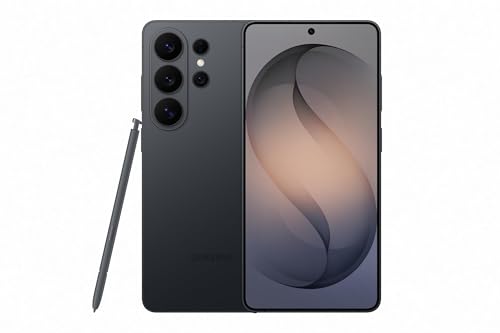
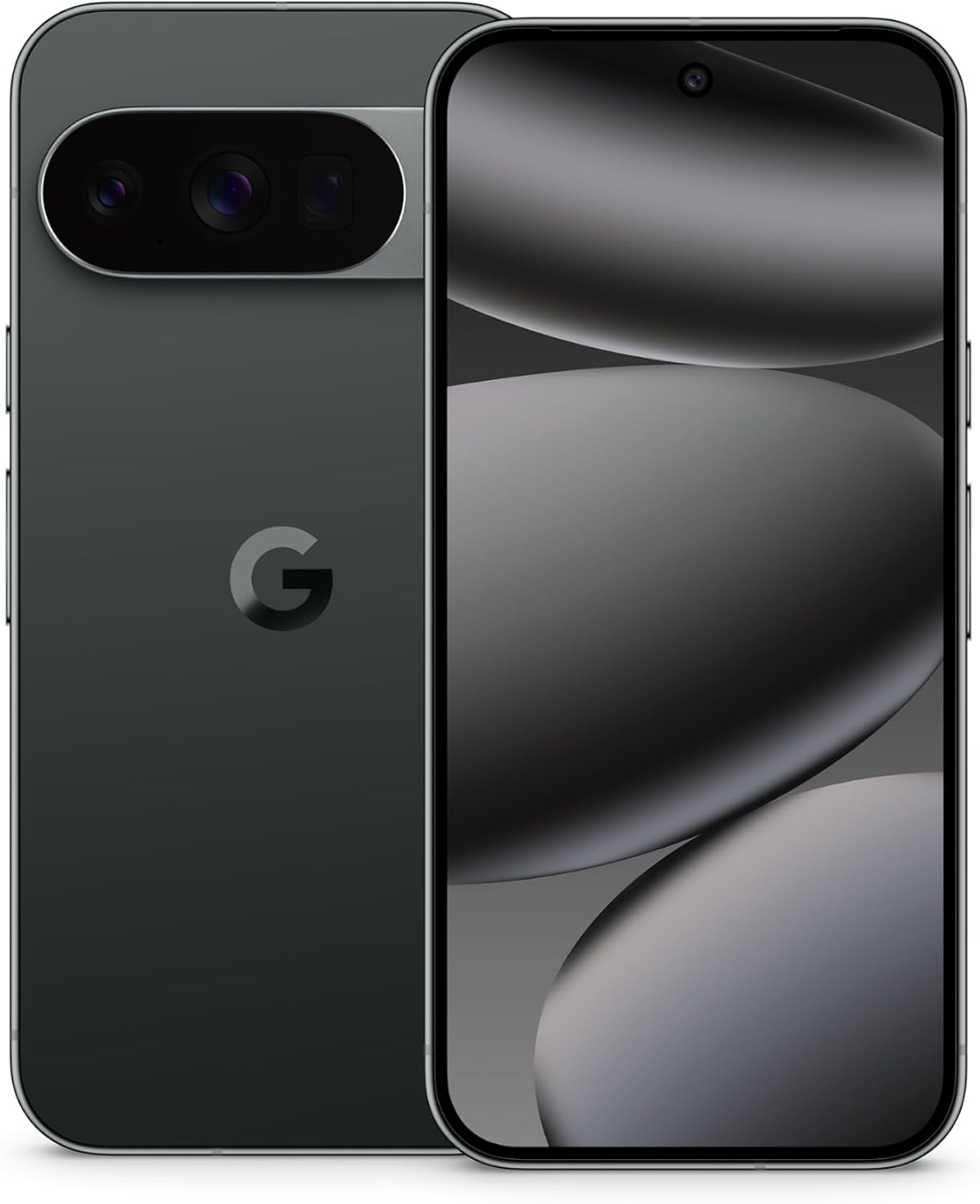
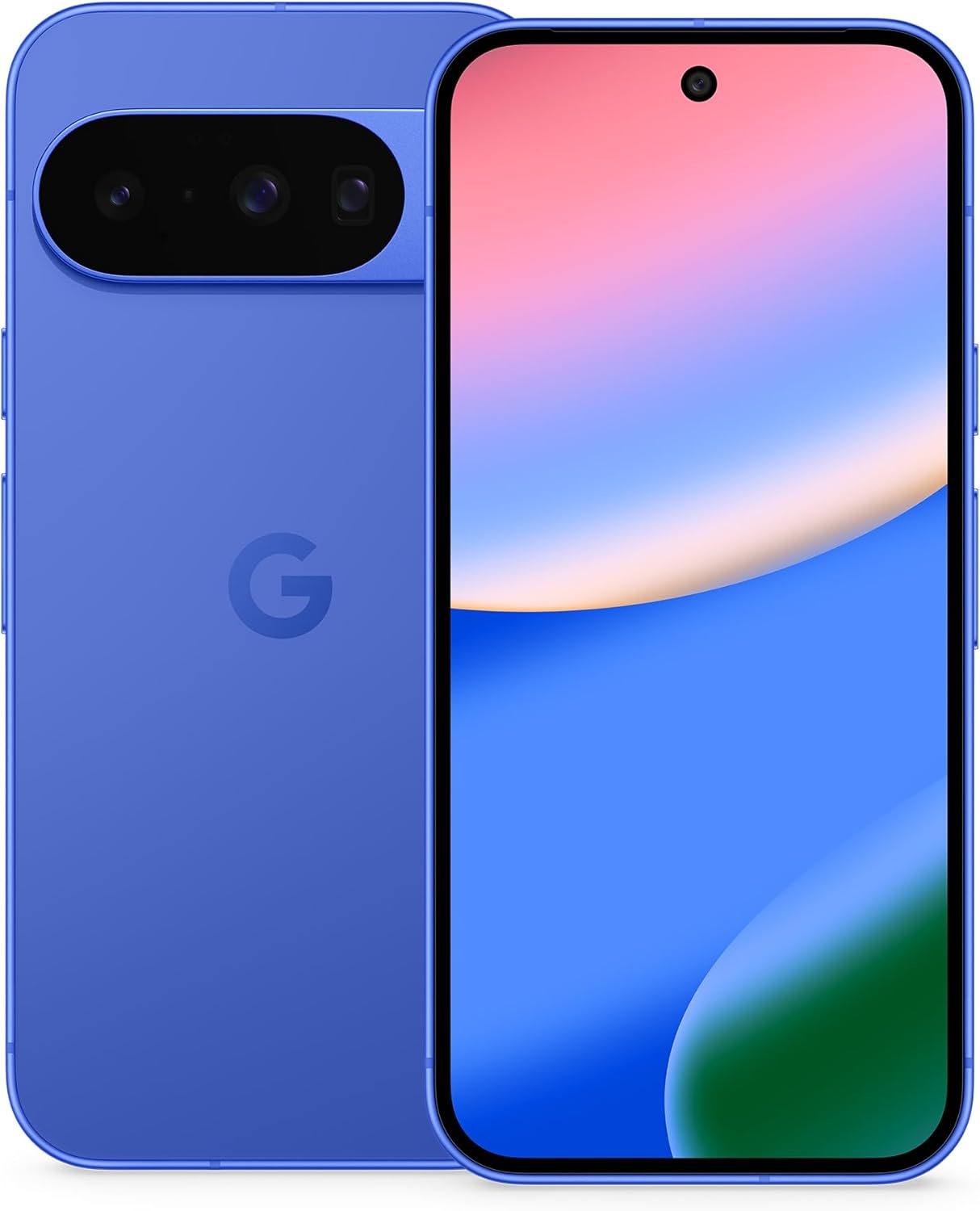


The best camera phones in 2026 are the Samsung Galaxy S26 Ultra for zoom and all-round versatility, the Apple iPhone 17 Pro and iPhone 17 Pro Max for video, the Google Pixel 10 Pro for point-and-shoot results and AI editing, and the Xiaomi 17 Ultra for photographers who want the largest sensor and are willing to import or buy outside the US. Reviewers disagree on the single winner because each phone is strongest at something different, so the right pick depends on whether you shoot stills, video or zoomed subjects.
Camera phones now compete on more than megapixels. Sensor size, lens focal lengths, processing style, video codecs and software support all change how a photo looks and how easily you can use it. This guide groups the main contenders by what photographers actually compare, gives thresholds you can apply to any phone, works through a zoom and crop calculation, and answers eight frequently asked questions. It is written for photographers, so it covers lens focal lengths and RAW and log options rather than only headline scores.
Quick answer: which camera phone fits which shooter
- Best all-rounder with the longest reach: Samsung Galaxy S26 Ultra. 200 MP main, 3x and 5x telephotos.
- Best for video: Apple iPhone 17 Pro or Pro Max. ProRes RAW and 4K Dolby Vision up to 120 fps.
- Best for easy, consistent photos: Google Pixel 10 Pro. 50 MP main, 48 MP 5x telephoto, strong AI editing.
- Best large-sensor image quality: Xiaomi 17 Ultra. 50 MP 1-inch-class main sensor and a 200 MP telephoto.
- Best value among big-sensor phones: Xiaomi 15 Ultra, if you can find it.
- Best lower-cost flagship cameras: Google Pixel 10 and Samsung Galaxy S26, each with a capable main and ultrawide.
How we chose
This is a research-based comparison drawn from manufacturer specification pages and the 2026 camera-phone roundups from major tech and photography publications. We did not run our own lab measurements. We looked at the factors photographers compare: main sensor size and aperture, telephoto reach and sensor resolution, ultrawide quality, video formats, RAW support, front camera, software processing and regional availability. Where reviewers disagreed, we state the disagreement. Where a specification could not be confirmed, the product is described by class.
What camera-phone buyers compare, with concrete thresholds
1. Main sensor size and aperture
The main camera does most of the work, and a bigger sensor gathers more light. Treat a one-inch-class sensor as the top tier. A 1/1.3-inch sensor, as on the Galaxy S26 Ultra, is a large flagship sensor, and anything much smaller will struggle more in dim rooms. Aperture matters too: the Galaxy S26 Ultra’s main lens is f/1.4. If you shoot indoors often, favor a large sensor with a fast aperture over a high megapixel count.
2. Telephoto reach
Count the real optical lenses, not digital zoom. A 3x lens gives a portrait-style view, and a 5x lens suits distant subjects, events and travel photography. Some phones have two telephotos, for example the Galaxy S26 Ultra’s 10 MP 3x and 50 MP 5x. The iPhone 17 Pro has a 48 MP telephoto at 4x optical zoom. The Pixel 10 Pro has a 48 MP 5x telephoto. A 200 MP telephoto, such as on the Xiaomi 17 Ultra, allows crop-based reach beyond its native focal length.
3. Ultrawide quality
A 12 MP ultrawide is a basic class, and 48 to 50 MP ultrawides are the current top tier. Higher resolution helps landscapes and architecture, and good lens correction matters just as much. The Pixel 10 Pro and iPhone 17 Pro both use 48 MP ultrawides, and the Galaxy S26 Ultra uses 50 MP.
4. Video capability
If you shoot video seriously, the key questions are the codec, the frame rate and the color workflow. The iPhone 17 Pro supports ProRes RAW and 4K Dolby Vision at up to 120 fps. The Galaxy S26 Ultra offers video up to 8K at 30 fps. For editing, a log or RAW video option and good stabilization matter more than the headline resolution.
5. Still-image processing style
Phones process photos differently. The Pixel line is often praised for skin tones and AI-assisted editing. Samsung tends toward punchy, saturated color. Apple tends toward natural, consistent results. Xiaomi’s Ultra phones lean on the large sensor and optical character. None of these is wrong; choose the look you like, and check whether the phone can shoot RAW so you can change it later.
6. Front camera
For video calls and selfies, resolution and autofocus matter. The Pixel 10 Pro has a 42 MP front camera, the iPhone 17 Pro an 18 MP front camera and the Galaxy S26 Ultra a 12 MP front camera. Higher resolution alone does not guarantee a better selfie, but the Pixel and iPhone are strong choices here.
7. Software support and availability
A camera phone is a long-term tool. Check how many years of updates the maker promises. Check regional availability too. The Xiaomi Ultra line is not officially sold through US carriers, so buyers there rely on imports, which can limit warranty and band support.
Comparison table
| Phone | Main camera | Ultrawide | Telephoto | Front | Best at |
|---|---|---|---|---|---|
| Samsung Galaxy S26 Ultra | 200 MP, 1/1.3-inch, f/1.4 | 50 MP | 10 MP 3x and 50 MP 5x periscope | 12 MP | Zoom range, versatility, 8K/30 video |
| Apple iPhone 17 Pro / Pro Max | 48 MP wide | 48 MP | 48 MP, 4x optical | 18 MP | Video, color consistency |
| Google Pixel 10 Pro | 50 MP | 48 MP | 48 MP, 5x | 42 MP | Ease of use, AI editing, skin tones |
| Xiaomi 17 Ultra | 50 MP Leica, 1-inch-class | 50 MP | 200 MP, 75 to 100 mm class | Not confirmed | Sensor size, image quality |
| Xiaomi 15 Ultra | 1-inch-class sensor | Ultrawide class | 200 MP periscope | Not confirmed | Large sensor, long zoom |
| Google Pixel 10 | Flagship main class | Ultrawide | Telephoto class | Front class | Lower-cost flagship |
| Samsung Galaxy S26 | Flagship main class | Ultrawide | Telephoto class | Front class | Compact flagship |
The best camera phones in 2026
1. Samsung Galaxy S26 Ultra
Spec line: 200 MP main (1/1.3-inch, f/1.4) · 50 MP ultrawide · 10 MP 3x telephoto · 50 MP 5x periscope · 12 MP front · 8K/30 video
Best for: shooters who want one phone to cover wide landscapes, portraits and distant subjects.
Skip if: you want the most natural video color or a compact phone.
Pros:
- Two telephoto lenses cover mid and long range with true optical quality.
- Large main sensor with a fast aperture suits dim light.
- Named best overall by several 2026 roundups.
Cons:
- Premium price tier.
- Default processing is punchy, so some photographers prefer to shoot RAW.
As an Amazon Associate we earn from qualifying purchases at no extra cost to you.
2. Apple iPhone 17 Pro and iPhone 17 Pro Max
Spec line: 48 MP wide · 48 MP ultrawide · 48 MP telephoto at 4x optical · 18 MP front · ProRes RAW · 4K Dolby Vision up to 120 fps
Best for: video creators and anyone who wants consistent, natural color with a large editing ecosystem.
Skip if: you want long optical zoom beyond 4x or a lower price tier.
Pros:
- Class-leading video features and stabilization, and one reviewer names it the best camera phone you can buy.
- Three matching 48 MP cameras give consistent color across lenses.
Cons:
- 4x telephoto is shorter than the 5x lenses on some rivals.
- Premium price tier, and the Pro Max is large.
3. Google Pixel 10 Pro
Spec line: 50 MP main · 48 MP 5x telephoto · 48 MP ultrawide · 42 MP front · 100x Pro Res Zoom
Best for: people who want great photos without editing and who like AI tools for cleanup.
Skip if: you need serious video controls or the largest sensor.
Pros:
- Strong skin tones and reliable processing.
- 5x telephoto and a very capable front camera.
Cons:
- The 100x zoom is software-assisted, so quality drops fast past the optical range.
- Main sensor is smaller than the one-inch-class phones.

4. Xiaomi 17 Ultra
Spec line: 50 MP Leica 1-inch-class main · 50 MP ultrawide · 200 MP Leica telephoto at 75 to 100 mm class
Best for: enthusiasts who prioritize sensor size, optical depth and are comfortable importing.
Skip if: you need official US carrier support or a long local warranty.
Pros:
- The largest main sensor among the phones listed here.
- Very high-resolution telephoto gives room for crops.
Cons:
- Not officially sold through US carriers, so network bands and support need checking.
- Software and updates differ from the major Western brands.

5. Xiaomi 15 Ultra
Spec line: 1-inch-class main sensor · 200 MP periscope telephoto · Leica-tuned optics
Best for: buyers who want large-sensor quality at a lower tier because the successor exists.
Skip if: you want a phone with a long remaining support window.
Pros:
- One roundup scores it close to the Galaxy S26 Ultra for camera quality.
- Large sensor and long periscope lens.
Cons:
- Previous generation, and availability outside China and some markets is limited.
- Some other specifications should be confirmed with the seller.
6. Google Pixel 10
Spec line: flagship-class main camera · ultrawide · telephoto class · same Pixel processing as the Pro
Best for: buyers who want Pixel photo processing at a lower tier than the Pro.
Skip if: you need the longest zoom or the highest-resolution telephoto.
Pros:
- Shares the editing tools and processing style of the Pro.
- Easy, consistent results for family and travel photos.
Cons:
- Detailed sensor specifications should be confirmed on the maker’s page.
- Less telephoto reach than the Pro.

7. Samsung Galaxy S26
Spec line: 6.3-inch display · compact 167 g body · flagship-class cameras
Best for: shooters who want Samsung color and zoom tools in a small phone.
Skip if: you need two telephoto lenses or the 200 MP main camera.
Pros:
- Light and pocketable.
- Flagship chip for fast image processing.
Cons:
- Camera hardware sits below the Ultra’s.
- Detailed sensor figures should be confirmed on the maker’s page.

Worked calculation: what zoom and crop really give you
Megapixels and zoom numbers become clearer when you do the arithmetic. This example uses the sensor resolutions of the phones above.
- Crop from a 48 MP sensor. A 2x digital crop uses one quarter of the pixels, because both width and height are halved. 48 MP divided by 4 equals 12 MP, which is still enough for a sharp full-screen image.
- Crop from a 200 MP sensor. A 2x crop gives 50 MP. A 4x crop divides by 16 and gives 12.5 MP. That means a 200 MP sensor can deliver a 4x crop with about the same resolution as an unprocessed 12 MP image.
- Combine with optical zoom. If a phone has a 5x optical telephoto and you apply a further 2x crop, you reach 10x. On a 48 MP telephoto sensor, that 2x crop leaves 12 MP at 10x. On a 50 MP telephoto sensor, it leaves 12.5 MP.
- Compare with digital zoom. A phone claiming 100x zoom is relying on software. A 100x view from a 5x lens means a 20x digital enlargement, which crops to 1/400 of the sensor’s pixels, so 48 MP becomes 0.12 MP. Software must rebuild the rest, which is why such shots look painterly.
The conclusion is practical. Choose the phone whose optical lens, plus a modest crop, covers the distance you shoot most often. Treat extreme zoom numbers as a novelty.
Decision matrix
| Shooter | Priority | Pick | Skip |
|---|---|---|---|
| Travel photographer | Wide to long range in one phone | Galaxy S26 Ultra | Base-model phones |
| Video creator | Codecs, stabilization, color | iPhone 17 Pro or Pro Max | Phones without log or RAW video |
| Family snapshots | Reliable results, easy editing | Pixel 10 Pro or Pixel 10 | Phones needing manual tuning |
| Enthusiast who edits RAW | Sensor size and optics | Xiaomi 17 Ultra or 15 Ultra | Phones with weak warranty if you need service |
| Small-pocket carrier | Size and weight | Galaxy S26 or Pixel 10 | Pro Max and Ultra models |
| Selfie and video-call user | Front camera quality | Pixel 10 Pro or iPhone 17 Pro | Phones with basic front cameras |
Step-by-step: how to choose in ten minutes
- List what you shoot most. Family, pets, travel, sports, video or low light.
- Pick the focal range. Mostly close and wide: the main and ultrawide matter. Mostly distant: the telephoto matters.
- Decide on RAW and video needs. If you edit seriously, confirm RAW stills and a log or RAW video option.
- Check the ecosystem. Your computer, cloud storage and editing apps may favor one phone brand.
- Check availability and support. Confirm warranty, carrier bands and update years in your country.
- Compare sample photos at the same scene type. Use the maker’s sample galleries and independent reviewers’ side-by-sides.
Common mistakes
- Choosing by megapixels. Sensor size and processing matter more than a headline number.
- Believing extreme zoom claims. Optical reach plus a modest crop is what delivers usable images.
- Ignoring storage. RAW stills and high-frame-rate video fill a 128 GB phone quickly.
- Forgetting accessories. A case with a clear lens guard, a clip-on lens mount or a small grip can improve results more than a marginal camera upgrade.
More flagship camera phones worth shortlisting
The seven phones above cover the most common picks. These six are the models that other 2026 roundups and buyer comparisons keep bringing up, and each one fills a gap: a newer Pixel, a larger Pixel, two camera-first imports, a mainstream Samsung step-down and a previous-generation bargain.
8. Google Pixel 11 Pro
Spec line: 50 MP f/1.68 main · 48 MP ultrawide with macro focus · 48 MP 5x telephoto · 42 MP front · Pro Zoom up to 120x
Best for: Pixel fans who want the newest telephoto sensor and the same easy, editing-free processing as the Pixel 10 Pro. Skip if: you already own a Pixel 10 Pro, because the main and ultrawide cameras carry the same headline figures.
Pros: The telephoto sensor is physically larger than the one in the Pixel 10 Pro, which helps indoor and dusk zoom shots. Optical-quality zoom is claimed out to about 10x through a crop of the 48 MP sensor. Cons: Premium price tier. Zoom past 10x is software reconstruction, so treat the 120x figure as a novelty.

9. Google Pixel 10 Pro XL
Spec line: 50 MP main · 48 MP ultrawide · 48 MP 5x telephoto · 42 MP front · 6.8-inch display class
Best for: buyers who want the Pixel 10 Pro camera set on a bigger screen for framing and editing. Skip if: you want a pocketable phone or a camera hardware change, since the lenses match the smaller Pro.
Pros: Same camera system and processing as the Pixel 10 Pro, so the strong skin tones and 5x telephoto carry over. The larger display makes manual cropping and AI retouching easier. Cons: Heavier and wider than the Pro, and it sits in the premium tier. Newer Pixel 11 models now overlap it.

10. Oppo Find X9 Ultra
Spec line: 200 MP 1/1.12-inch f/1.5 main · 200 MP 3x periscope · 50 MP 10x periscope · 50 MP ultrawide · 50 MP front
Best for: enthusiasts who want two long lenses, so both 3x portraits and 10x distant subjects stay at optical quality. Skip if: you need official US carrier support or a long local warranty. The listing is an international unlocked model.
Pros: Dual periscope setup gives the widest range of true optical focal lengths in this guide. A dedicated multispectral sensor helps color accuracy. Cons: Premium price tier at the top of the range. Check network bands before buying, and expect software behavior that differs from Samsung or Google.

11. Honor Magic8 Pro
Spec line: 50 MP f/1.6 main · 200 MP f/2.6 periscope (about 3.7x) · 50 MP ultrawide · 50 MP front with depth sensor
Best for: low-light and telephoto shooters who like a high-resolution long lens. Skip if: video is your priority, since reviewers flag weaker video processing than the iPhone, or you need US carrier certification.
Pros: The 200 MP telephoto sensor is large and gives room to crop. Its stabilization system carries an independent CIPA rating. Cons: International version with no official US support channel. Processing sometimes looks more aggressive than Pixel or iPhone output.

12. Samsung Galaxy S26+
Spec line: 50 MP f/1.8 main with OIS · 12 MP ultrawide · 10 MP 3x telephoto · 12 MP front · 8K/30 video
Best for: people who want Samsung color, a big battery and display, and a reliable 3x telephoto without paying for the Ultra. Skip if: you want a 5x lens or a 200 MP main sensor, both reserved for the Ultra.
Pros: Same lens trio as the standard S26 on a larger body with more room for battery. Wide US carrier and warranty support. Cons: Telephoto sensor is small, so 3x shots in dim light lose detail against the Ultra. Upper mid-premium price tier.

13. Samsung Galaxy S25 Ultra
Spec line: 200 MP main · 50 MP ultrawide · 10 MP 3x telephoto · 50 MP 5x periscope · 12 MP front
Best for: buyers who want Ultra-class zoom and resolution and are happy to take last year’s model as the price drops. Skip if: you want the newest processing tricks or the longest software support window.
Pros: Two telephoto lenses and a 200 MP main camera, the same lens concept as the S26 Ultra. Easy to find in the US with full warranty. Cons: Previous generation, so some AI camera features and the newest sensor tuning are missing. Stock levels and tiers vary by seller.

Full shortlist at a glance
| Phone | Tier | Main camera | Longest optical lens | Best for |
|---|---|---|---|---|
| Samsung Galaxy S26 Ultra | Premium | 200 MP | 5x periscope | All-round versatility |
| Apple iPhone 17 Pro / Pro Max | Premium | 48 MP | 4x | Video |
| Google Pixel 10 Pro | Premium | 50 MP | 5x | Point-and-shoot stills |
| Google Pixel 11 Pro | Premium | 50 MP | 5x (larger sensor) | Newest Pixel telephoto |
| Google Pixel 10 Pro XL | Premium | 50 MP | 5x | Pixel on a big screen |
| Xiaomi 17 Ultra | Premium import | 50 MP, 1-inch class | 200 MP periscope | Sensor size |
| Oppo Find X9 Ultra | Premium import | 200 MP | 10x periscope | Dual optical zoom range |
| Honor Magic8 Pro | Premium import | 50 MP | 200 MP periscope | Low-light telephoto |
| Xiaomi 15 Ultra | Previous-gen import | 1-inch class | 200 MP periscope | Large sensor at lower tier |
| Samsung Galaxy S25 Ultra | Previous-gen premium | 200 MP | 5x periscope | Ultra zoom at lower tier |
| Samsung Galaxy S26+ | Upper mid-premium | 50 MP | 3x | Big Samsung body |
| Google Pixel 10 | Mid-premium | Flagship class | Telephoto class | Pixel processing, lower tier |
| Samsung Galaxy S26 | Mid-premium | Flagship class | 3x | Compact flagship |
FAQ
Which phone has the best camera in 2026?
There is no single winner. The Galaxy S26 Ultra is the most versatile, the iPhone 17 Pro leads on video, and the Pixel 10 Pro is the easiest to use.
Reviewers split by their own priorities, so choose by the type of shooting you do.
Is the Pixel 10 Pro better than the iPhone 17 Pro for photos?
For simple, consistent stills and AI editing, many reviewers prefer the Pixel 10 Pro. For video and color consistency across lenses, the iPhone 17 Pro usually leads.
Do more megapixels mean a better camera?
No. A larger sensor, a faster lens and better processing usually matter more. High megapixel counts help with cropping, because a 200 MP sensor can give about 12 MP at a 4x crop.
Which camera phone has the best zoom?
The Galaxy S26 Ultra is usually named best for zoom, with 3x and 5x telephoto lenses. The Pixel 10 Pro offers a 5x telephoto and software zoom up to 100x, though quality falls at extreme levels.
Which phone is best for video?
The iPhone 17 Pro and Pro Max are the common pick. They support ProRes RAW and 4K Dolby Vision at up to 120 fps, along with strong stabilization.
Can I buy the Xiaomi 17 Ultra in the US?
Not through official US carriers. Buyers import it, which can limit warranty and band support. Check that the phone supports your carrier’s bands before you buy.
Do I need a flagship for a good camera?
Not always. Lower-cost phones such as the Pixel 10 and Galaxy S26 deliver strong daylight and portrait results. Flagships add longer zoom, better low light and stronger video features.
Can a camera phone replace a dedicated camera?
For everyday and travel photos, yes. For sports, wildlife, big prints and interchangeable lenses, a dedicated camera still offers bigger sensors, longer glass and better ergonomics.
Final recommendation
If you want one phone that does almost everything, choose the Samsung Galaxy S26 Ultra. If video is your priority, choose the iPhone 17 Pro or Pro Max. If you want great results with the least effort, choose the Google Pixel 10 Pro. If you care most about sensor size and can import, the Xiaomi 17 Ultra is the enthusiast option. Whichever you choose, confirm the exact specifications, warranty and carrier support for your country before you buy.
More from Amazon
Programs that pair well with the guide above. Offers and eligibility are set by Amazon and may change.
Free shipping on eligible items, Prime Video and more. Eligible new members can start with a free trial.
Start a Prime free trialAudiobooks and podcasts to listen to on the go. Eligible new members can start with a free trial.
Try Audible freeAd-free music streaming. Eligible new subscribers can start with a free trial.
Try Music Unlimited freeA free business account with business pricing and bulk-buying tools for work, shop or home office.
Create a business accountAs an Amazon Associate we earn from qualifying purchases.