Our Top Picks
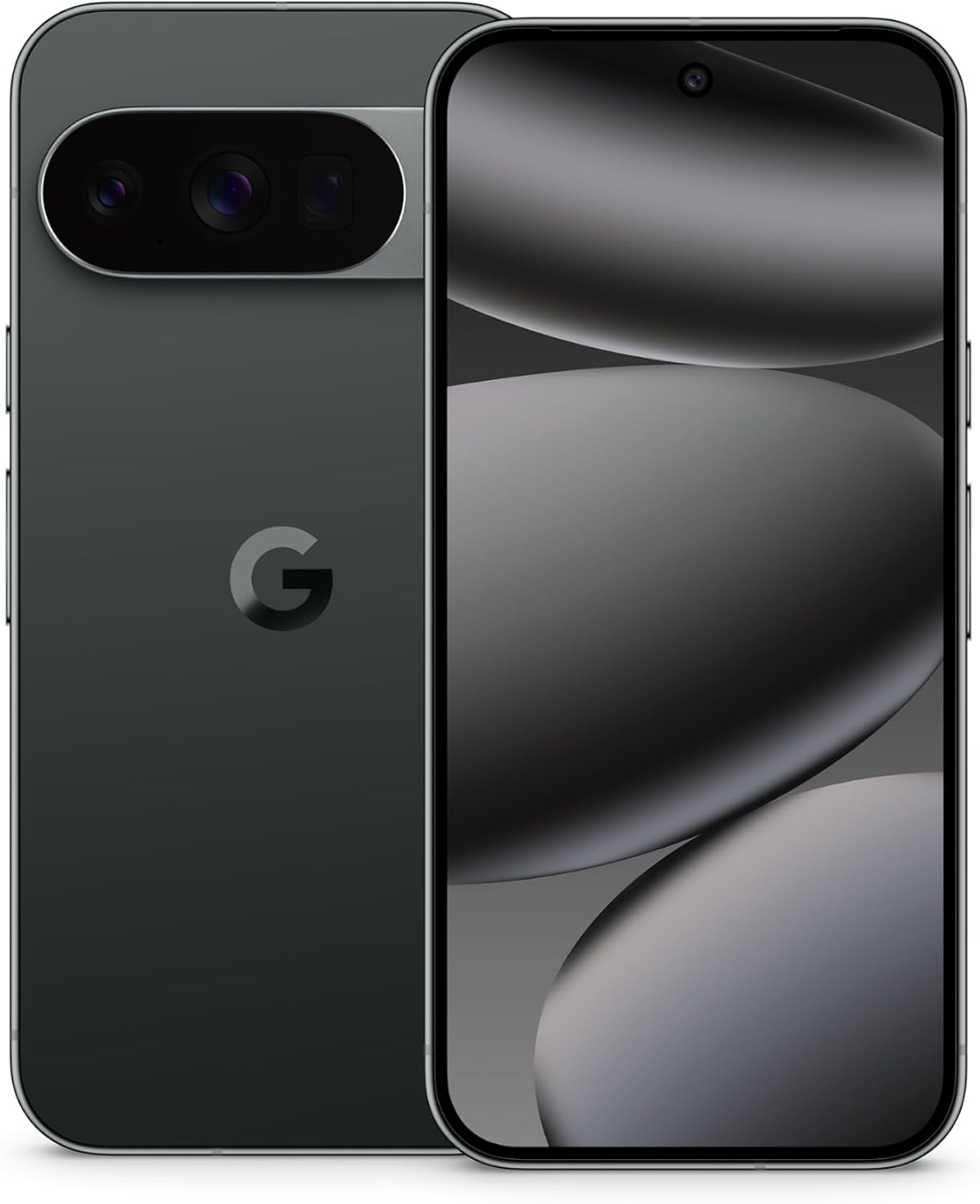
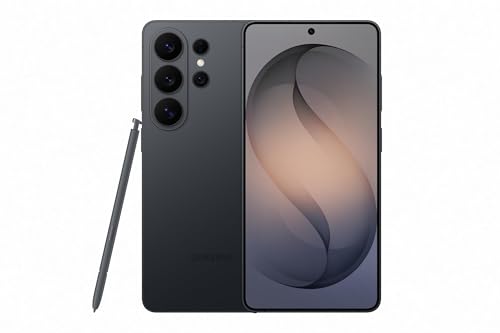


The best camera phones for photography right now are the Google Pixel 10 Pro (best all-round stills and AI processing), the Apple iPhone 17 Pro (best for video and consistent color), and the Samsung Galaxy S26 Ultra (best for zoom range and raw resolution), with the Google Pixel 10a and Samsung Galaxy S25 FE as the smart picks if you do not want to pay flagship money. The right one depends less on megapixel counts and more on which focal lengths you shoot, how you edit, and which ecosystem you already live in.
This guide is built around the criteria that actually separate camera phones: sensor and lens layout, zoom reach, low-light behavior, video capability, processing style, and software support. Each pick below has a spec line, a clear “Best for” and “Skip if”, and honest pros and cons, so you can match a phone to your own shooting habits instead of a headline ranking.
Quick answer: which camera phone fits which photographer
- Best overall for stills: Google Pixel 10 Pro. Strong processing, a 5x telephoto and a high-resolution ultrawide make it dependable in mixed light.
- Best for video and creators: Apple iPhone 17 Pro. Three 48MP rear cameras, ProRes RAW and 4K Dolby Vision at up to 120 fps.
- Best for zoom and maximum detail: Samsung Galaxy S26 Ultra. A 200MP main camera plus both 3x and 5x telephoto lenses.
- Best value flagship-style camera: Samsung Galaxy S25 FE, because it keeps a real 3x telephoto at a mid-range tier.
- Best entry-level camera phone: Google Pixel 10a, with a stabilized 48MP main camera and Google’s software.
How we chose
This list is based on research, not first-hand evaluation. We compared manufacturer specification sheets, published camera analyses from established phone and photography outlets, and benchmark-style rankings, then kept only phones that are current in 2026 and sold widely in the United States. Where outlets disagreed, we leaned on what the hardware physically offers (sensor count, focal lengths, stabilization, video formats) rather than subjective “best” labels. We did not rely on a single score, because different rankings weigh stills, video and zoom differently, and a phone that tops one list can sit mid-pack on another.
We applied five filters. First, a phone needed a main camera with optical stabilization. Second, it needed either a dedicated telephoto or a clearly stronger ultrawide than its price tier usually offers. Third, it needed a reliable software update commitment from its maker. Fourth, it needed a camera app that can capture raw or high-bit-depth files for people who edit. Fifth, it needed to represent a distinct buyer type, so the list does not repeat three nearly identical phones.
The criteria that matter, with concrete thresholds
Sensor and lens layout
Count the useful focal lengths, not the lenses. A modern flagship covers roughly an ultrawide, a main, and one or two telephoto positions. For general photography, three usable focal lengths is the practical minimum. Two-lens phones are fine for casual shooting but force heavy digital cropping once you move past the main camera.
Zoom reach
Optical zoom is what keeps detail. A 3x telephoto suits portraits and street shooting. A 5x telephoto suits distant subjects, stage events and architectural details. If you want both, the Galaxy S26 Ultra is the only phone here that combines 3x and 5x lenses. If you rarely zoom past 2x, a good main sensor with a high-resolution crop is enough.
Low-light performance
Look for optical image stabilization on the main camera, a large sensor, and a night mode that merges several frames. Thresholds that help in practice: a main lens at f/1.9 or faster, and a night mode that does not require a tripod for handheld shots of up to about a second. Telephoto lenses are normally slower and noisier at night, so check whether the phone falls back to a cropped main camera when light drops.
Video capability
If you shoot video seriously, check for 4K at 60 fps as a floor, high-bit-depth or log-style capture, and stabilization quality. The iPhone 17 Pro leads this category with ProRes RAW and 4K Dolby Vision at up to 120 fps. The Galaxy S26 Ultra adds 8K at 24 or 30 fps, which the Pixel 10 Pro does not offer.
Processing style
Google tends toward bright, high-dynamic-range images with strong face and skin handling and heavy computational merging. Apple aims for consistent, natural color and reliable skin tones across all lenses. Samsung usually leans vivid and sharpened out of the box, with a lot of flexibility in the Pro-style modes. None is objectively better; it is about what you want to see before you edit.
Software support
A camera phone is a multi-year purchase, and processing improves through updates. Favor a maker that publishes a long update window and keeps camera features rolling out to older devices.
Spec comparison table
| Phone | Main | Telephoto | Ultrawide | Selfie | Standout video spec |
|---|---|---|---|---|---|
| Google Pixel 10 Pro | 50MP | 48MP, 5x | 48MP | 42MP | 4K, no 8K |
| Apple iPhone 17 Pro | 48MP | 48MP, 4x | 48MP | 18MP | ProRes RAW, 4K Dolby Vision to 120 fps |
| Samsung Galaxy S26 Ultra | 200MP | 10MP 3x and 50MP 5x | 50MP | 12MP | 8K at 24/30 fps |
| Google Pixel 10 | 48MP | 5x telephoto (about 11MP class) | 13MP | Autofocus selfie | 4K |
| Apple iPhone 17 | 48MP | None (2x crop from main) | 48MP | 18MP Center Stage | 4K Dolby Vision |
| Samsung Galaxy S25 FE | 50MP | 8MP, 3x | 12MP | 12MP | 4K |
| Google Pixel 10a | 48MP, OIS, f/1.7 | None | 13MP, f/2.2 | Front camera | 4K |
The best camera phones for photography, in detail
1. Google Pixel 10 Pro
Spec line: 50MP main · 48MP 5x telephoto · 48MP ultrawide · 42MP autofocus selfie camera · tele-macro capability on the telephoto.
Best for: People who want excellent photos with minimal effort, especially in tricky mixed lighting, plus anyone who photographs people and wants consistent skin tones. The 5x telephoto and the high-resolution ultrawide mean every lens produces a usable file, which is rare.
Skip if: You shoot a lot of high-end video or need 8K, or you want the widest range of manual controls and an editing ecosystem built around a specific video workflow.
- Pros: Leading computational photography, 48MP on both telephoto and ultrawide, a very high-resolution selfie camera with autofocus, tele-macro for close subjects.
- Cons: No 8K video, processing can look bright and heavily merged to some eyes, and the 5x telephoto leaves a gap between the main camera and 5x that you fill with a digital crop.
The Pixel 10 Pro XL carries the same camera system in a larger body, so choose between them on screen size and battery, not camera quality.
As an Amazon Associate we earn from qualifying purchases at no extra cost to you.

2. Apple iPhone 17 Pro
Spec line: 48MP main · 48MP 4x telephoto · 48MP ultrawide · 18MP Center Stage selfie camera · ProRes RAW and 4K Dolby Vision up to 120 fps.
Best for: Video-first shooters, creators who edit in a mobile or desktop video workflow, and anyone who values color consistency when switching between lenses. Having three 48MP rear cameras makes lens changes less jarring in the final footage.
Skip if: You want the longest zoom reach, or you are not already comfortable in the Apple ecosystem, since much of the value comes from how files flow into other Apple tools.
- Pros: Best-in-class video formats, uniform 48MP rear cameras, a square-sensor Center Stage front camera that can reframe without rotating the phone, natural color rendering.
- Cons: 4x telephoto reaches less far than a 5x or 10x lens, stills processing is less aggressive in extreme dark scenes than Google’s, and the premium tier is expensive.
3. Samsung Galaxy S26 Ultra
Spec line: 200MP main · 10MP 3x telephoto · 50MP 5x telephoto · 50MP ultrawide · 12MP selfie camera · 8K video at 24 or 30 fps.
Best for: Photographers who want zoom flexibility. With both 3x and 5x optical lenses plus a 200MP main sensor you can crop deeply into the main camera and still keep real detail.
Skip if: You prefer a restrained, natural look straight out of the camera, or you want the smallest and lightest phone, because this is a large device built around its camera array.
- Pros: Widest range of focal lengths, very high-resolution main sensor, 8K video, deep manual-style controls.
- Cons: The 3x lens uses a lower-resolution sensor than the 5x, default processing can look sharpened and saturated, and the size and weight are not for everyone.
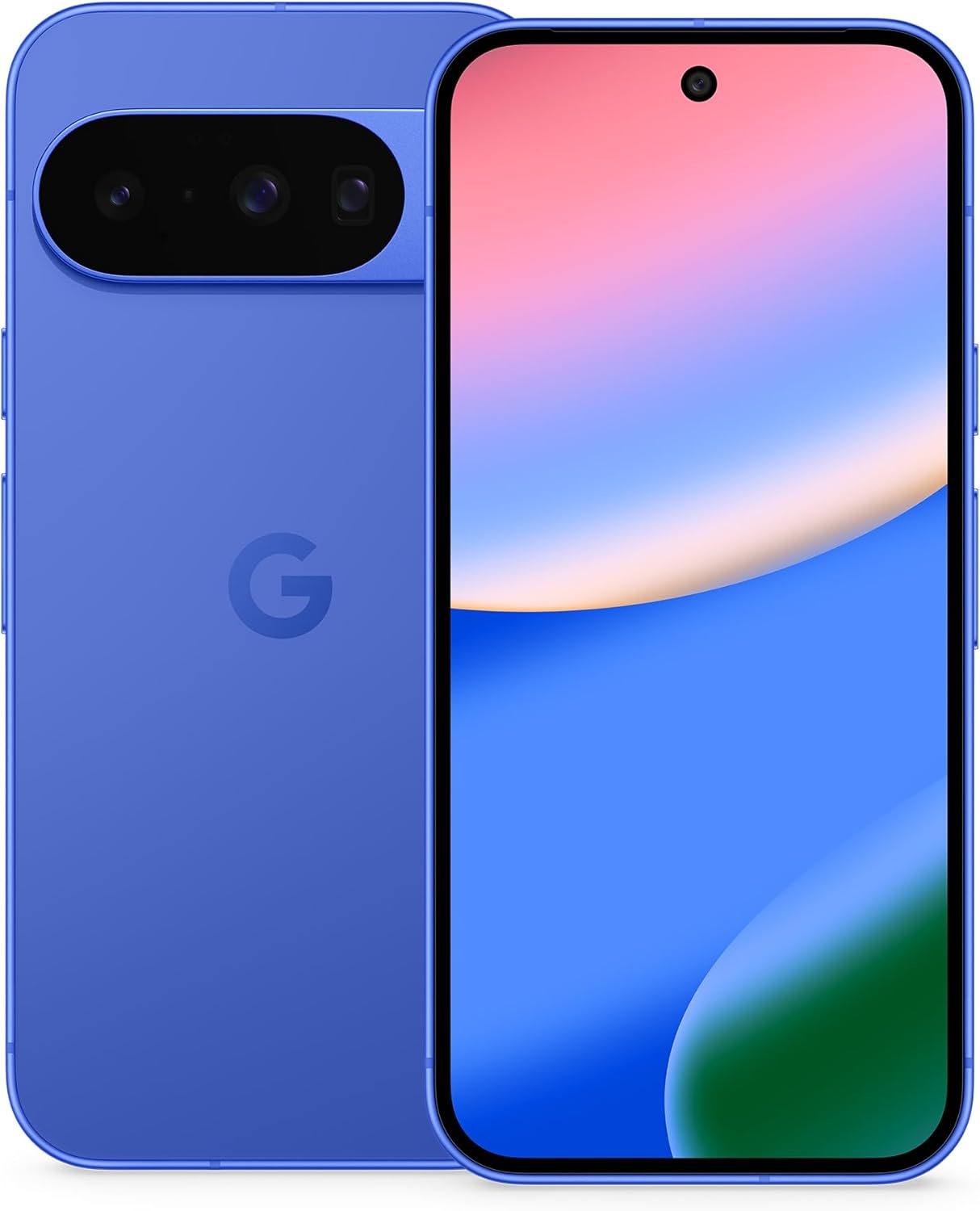
4. Google Pixel 10
Spec line: 48MP main · about 11MP-class 5x telephoto · 13MP ultrawide · autofocus selfie camera.
Best for: Buyers who want Google’s processing and a real telephoto without paying for the Pro tier. The 5x lens makes it unusually flexible for its class.
Skip if: You rely heavily on the ultrawide for architecture or interiors, where its lower-resolution sensor shows softness at the edges compared with the Pro.
- Pros: Same software strengths as the Pro, a real telephoto at a lower tier, strong everyday point-and-shoot results.
- Cons: Telephoto and ultrawide sensors are lower resolution than the Pro models, so crops are less forgiving.

5. Apple iPhone 17
Spec line: 48MP main · 48MP ultrawide · no dedicated telephoto (2x crop from the main sensor) · 18MP Center Stage selfie camera.
Best for: iPhone users who care more about everyday reliability, portraits at 2x and good video than about long zoom. A 48MP main sensor allows a clean 2x crop.
Skip if: You photograph distant subjects, such as sports, wildlife or stage performances. With no telephoto, anything beyond 2x leans on digital zoom.
- Pros: Simple, consistent camera system, good video, a strong front camera with automatic framing for groups.
- Cons: No telephoto, fewer pro video formats than the Pro model.
6. Samsung Galaxy S25 FE
Spec line: 50MP main · 8MP 3x telephoto · 12MP ultrawide · 12MP selfie camera.
Best for: Shoppers who want a dedicated telephoto at a mid-range tier. One roundup ranks it the best mid-range camera phone because of this versatility.
Skip if: You want flagship-level low-light results or detailed zoom beyond 3x; the 8MP telephoto is modest and the phone does not match the top-tier models in dark scenes.
- Pros: Real 3x optical zoom, a capable main camera, a familiar Samsung camera app with plenty of modes.
- Cons: Lower-resolution telephoto, no high-end video formats, a camera that sits a clear step below the Ultra.

7. Google Pixel 10a
Spec line: 48MP main with OIS, f/1.7, 1/2-inch sensor · 13MP ultrawide, f/2.2 · no telephoto.
Best for: Budget-minded shooters who want Google’s processing and a stabilized main camera. TechRadar has named it the best budget camera phone, and it reuses the camera hardware of the previous generation.
Skip if: You need optical zoom. There is no telephoto, so zoom beyond the main lens relies on digital crops and processing.
- Pros: Reliable main camera in daylight and at night, excellent value, software features carried over from higher models.
- Cons: No telephoto, an ultrawide that is only adequate, and a camera hardware set that is not new this generation.

Worked example: how much resolution survives a zoom crop?
Megapixel counts are only useful if you know what remains after you zoom. Use this simple logic: a digital crop by a factor of N keeps only 1 divided by N squared of the sensor’s pixels. Here is how that plays out for a 10x framing, which is a common zoom target for events and wildlife.
- Galaxy S26 Ultra, 5x telephoto, 50MP. Going from 5x to 10x is a 2x crop. That keeps 50 divided by 4, or 12.5MP, of real optical data. That is plenty for sharing and moderate prints.
- Pixel 10 Pro, 5x telephoto, 48MP. The same 2x crop leaves 48 divided by 4, or 12MP, which is nearly identical in raw pixel count.
- iPhone 17 Pro, 4x telephoto, 48MP. To reach 10x you need a 2.5x crop. That keeps 48 divided by 6.25, or about 7.7MP, so you give up a little reach compared with a 5x lens.
- A phone with only a 50MP main camera. A 10x framing is a 10x crop, which keeps 50 divided by 100, or 0.5MP. Even with good software upscaling, that is a soft image.
The takeaway is practical. If you regularly shoot at 5x to 10x, a 5x telephoto with a high-resolution sensor is worth much more than a bigger main-sensor number. If you rarely go beyond 2x, a 48MP or 50MP main camera gives you a roughly 12MP crop at 2x, which is why phones without a telephoto, such as the iPhone 17, remain viable for casual use.
Decision matrix: match your shooting to a phone
| If you mostly shoot… | Prioritize | Choose |
|---|---|---|
| Family and portraits | Skin tones, selfie quality | Pixel 10 Pro or iPhone 17 Pro |
| Travel and landscapes | Ultrawide resolution, dynamic range | Pixel 10 Pro |
| Concerts, sports, wildlife | 5x or longer optical zoom | Galaxy S26 Ultra |
| Video and social content | High-bit-depth formats, stabilization | iPhone 17 Pro |
| Everyday snapshots on a budget | Main camera and software | Pixel 10a |
| Casual zoom at a lower tier | Dedicated telephoto | Galaxy S25 FE or Pixel 10 |
Common mistakes when choosing a camera phone
- Chasing the biggest megapixel number. A 200MP sensor helps cropping, but most photos are saved at a lower combined resolution, and processing matters more than raw pixel count.
- Ignoring the telephoto sensor. A lens that exists on the spec sheet but uses a small, low-resolution sensor may give weak results in dim rooms.
- Buying on a single ranking. One benchmark places the Pixel 10 Pro ahead of the Galaxy S26 Ultra, while another outlet ranks the Samsung first for stills. Both can be right, because they weigh different things.
- Forgetting storage. High-resolution photos and 4K or 8K video fill space quickly. If you shoot a lot, choose a higher storage tier rather than relying on cloud backup.
- Skipping a case and screen protector for the lenses. Smudges and scratches on a camera window reduce sharpness more than most spec differences.
Tips to get better photos from any of these phones
- Wipe the lens before shooting. A fingerprint smear causes the hazy, flared look that people often blame on the camera.
- Use the telephoto lens for portraits rather than the main camera cropped in; the longer focal length flatters faces.
- In low light, hold steady and let night mode finish its capture before moving the phone.
- Shoot raw or a high-resolution mode only when you plan to edit; otherwise the default mode delivers better processed results.
- Lock exposure and focus on the subject, then adjust brightness, to avoid blown-out skies in backlit scenes.
More camera phones photographers keep shortlisting
Other 2026 buying guides and photography forums regularly name six more phones. They are listed below with the kind of photographer each one suits, so you can see where they beat or trail the seven picks above.
8. Google Pixel 11 Pro
Spec line: 50MP f/1.68 main · 48MP ultrawide with macro focus · 48MP 5x telephoto · 42MP autofocus selfie camera · Pro Zoom to 120x
Best for: photographers who liked the Pixel 10 Pro and want the larger telephoto sensor that Google fitted this year. Skip if: you already own the Pixel 10 Pro and mostly shoot wide, because the main and ultrawide figures match last year.
Pros: The 5x lens gathers more light than its predecessor, which helps dusk portraits and indoor sports. Optical-grade crops are claimed out to roughly 10x. Cons: Premium price tier. Beyond 10x the image is reconstructed by software, so details such as signs or faces can look invented.

9. Oppo Find X9 Ultra
Spec line: 200MP f/1.5 main · 200MP 3x periscope · 50MP 10x periscope · 50MP ultrawide · multispectral color sensor · 50MP selfie
Best for: photographers who want true optical quality at both portrait and wildlife distances, with no digital crop between 1x and 10x. Skip if: you rely on official US carrier support or on a local warranty, since the listing is an international unlocked model.
Pros: Two high-resolution periscope lenses give an unusually complete focal range. The very large main sensor handles shallow depth of field and low light well. Cons: Premium price tier. Check supported network bands before buying, and expect a different app and update path than Samsung or Google.

10. Honor Magic8 Pro
Spec line: 50MP f/1.6 main · 200MP f/2.6 periscope at about 3.7x · 50MP ultrawide · 50MP selfie with depth sensor · 4K at up to 120 fps
Best for: night and telephoto shooters who want to crop heavily from a 200MP long lens. Skip if: you need the most natural video color or an official US warranty path.
Pros: Its telephoto sensor is larger than most rivals and the stabilization system has an independent CIPA rating. Strong detail at long range. Cons: International version only, and the processing can look more aggressive than Pixel or iPhone files. Video is rated below the iPhone by reviewers.

11. Xiaomi 17 Ultra
Spec line: 1-inch-class Leica main sensor · 50MP ultrawide · 200MP Leica periscope telephoto · Leica color profiles
Best for: advanced shooters who prefer a Leica look and care about sensor size above ecosystem. Skip if: you want a clean US carrier experience or a long local warranty.
Pros: One of the largest main sensors in a phone, which gives natural background blur and clean shadows. High-resolution periscope gives crop room. Cons: Premium import tier with no official US channel, and software support differs from the big Western brands. Confirm bands and warranty with the seller.

12. Xiaomi 17T Pro
Spec line: 50MP Leica main with a 1/1.31-inch sensor · 50MP 5x periscope telephoto (115 mm equivalent) · 12MP ultrawide · Leica color modes
Best for: photographers who want a 5x periscope at a lower tier than a true flagship. Skip if: you want a strong ultrawide, since the 12MP lens is the weak link, or you need official US support.
Pros: The 5x telephoto matches the reach of the Pixel Pro and Ultra lenses at a lower tier. Leica-tuned main camera with stabilization. Cons: Import model with no official US carrier certification. Ultrawide resolution is modest, and the telephoto aperture is narrow, so night zoom is soft.

13. Samsung Galaxy S26+
Spec line: 50MP f/1.8 main with OIS · 12MP ultrawide · 10MP 3x telephoto · 12MP selfie · 8K at 30 fps
Best for: Samsung users who want a 3x lens, a large screen and strong US support without paying for the Ultra. Skip if: you want 5x optical zoom or a 200MP main sensor.
Pros: Same camera trio as the standard S26 with a bigger battery. Full US warranty and carrier support. Cons: The small telephoto sensor loses detail in dim light, and the ultrawide is only 12MP.

All shortlisted camera phones compared
| Phone | Tier | Main | Telephoto | Pick it for |
|---|---|---|---|---|
| Google Pixel 10 Pro | Premium | 50MP | 48MP 5x | Minimal-effort stills |
| Apple iPhone 17 Pro | Premium | 48MP | 48MP 4x | Video and color |
| Samsung Galaxy S26 Ultra | Premium | 200MP | 3x and 5x | Zoom range |
| Google Pixel 11 Pro | Premium | 50MP | 48MP 5x, larger sensor | Newest Pixel zoom |
| Oppo Find X9 Ultra | Premium import | 200MP | 3x and 10x periscopes | Full optical range |
| Honor Magic8 Pro | Premium import | 50MP | 200MP at 3.7x | Night telephoto |
| Xiaomi 17 Ultra | Premium import | 1-inch class | 200MP periscope | Sensor size, Leica look |
| Samsung Galaxy S26+ | Upper mid-premium | 50MP | 10MP 3x | Samsung with a big screen |
| Xiaomi 17T Pro | Mid-premium import | 50MP | 50MP 5x | 5x zoom at a lower tier |
| Google Pixel 10 | Mid-premium | 48MP | 5x, about 11MP | Pixel processing, lower tier |
| Apple iPhone 17 | Mid-premium | 48MP | None | iPhone on a budget |
| Samsung Galaxy S25 FE | Mid-range | 50MP | 8MP 3x | Cheapest real telephoto |
| Google Pixel 10a | Mid-range | 48MP | None | Value stills |
Frequently asked questions
What is the best camera phone for photography overall?
The Google Pixel 10 Pro is the best all-round stills phone in this list. It pairs strong processing with three high-resolution rear cameras, though the Galaxy S26 Ultra and iPhone 17 Pro each win in specific areas.
Which is “best” depends on your priority. Choose the Pixel for point-and-shoot stills, the iPhone for video, and the Galaxy for the longest zoom range.
Is the Galaxy S26 Ultra better than the Pixel 10 Pro for photos?
It depends on what you shoot. The Galaxy S26 Ultra has more zoom options and a 200MP main sensor, while the Pixel 10 Pro often wins on processing and ease of use.
If you want the widest focal range and 8K video, the Samsung makes sense. If you want consistently pleasing results with little editing, the Pixel is the safer choice.
Do I need a telephoto lens on a camera phone?
Not if you rarely zoom beyond 2x. A 48MP or 50MP main sensor gives a usable 2x crop, but a telephoto matters for portraits, events and distant subjects.
For frequent zoom use, a dedicated 3x or 5x lens preserves detail that a digital crop cannot recover.
How many megapixels do I actually need?
For sharing and typical prints, 12MP of real detail is enough. Higher counts matter mainly when you crop heavily or plan large prints.
Sensor size, lens quality and processing affect final sharpness more than the headline number, so use megapixels as a cropping guide, not a quality score.
Which camera phone is best for video?
The iPhone 17 Pro is the strongest video choice here, with ProRes RAW and 4K Dolby Vision at up to 120 fps. The Galaxy S26 Ultra adds 8K at 24 or 30 fps.
If you only post short clips to social media, any phone on this list records excellent 4K video, and the differences matter mostly for editing flexibility.
What is the best budget camera phone?
The Google Pixel 10a is the best budget pick here, with a stabilized 48MP main camera and Google’s processing. It lacks a telephoto, so zoom is digital only.
If you want a real telephoto at a mid-range tier, the Galaxy S25 FE adds a 3x lens, at a higher cost than the Pixel 10a.
Are camera phones good enough to replace a dedicated camera?
For travel, family, social media and everyday photography, yes. A dedicated camera still wins for sports, wildlife, very long lenses and shallow depth of field.
Phones close the gap with computational processing, but physical sensor size and interchangeable lenses remain advantages for demanding work.
Do software updates change camera quality?
Yes. Camera processing, night mode and new shooting features often arrive through updates, which is why a long update commitment matters when you plan to keep a phone for several years.
Check the maker’s stated update window before buying, and favor brands that deliver camera improvements to older devices.
Final recommendation
Pick the Pixel 10 Pro if you want the best everyday stills with minimal fuss, the iPhone 17 Pro if video and color consistency matter most, and the Galaxy S26 Ultra if you want the widest zoom range and the most resolution to crop. If you are watching your budget, the Pixel 10a gives you strong photos with a single capable main camera, and the Galaxy S25 FE adds a telephoto for casual zoom. Whichever you choose, match the lens layout to your habits first and treat megapixel counts as a secondary detail.
More from Amazon
Programs that pair well with the guide above. Offers and eligibility are set by Amazon and may change.
Free shipping on eligible items, Prime Video and more. Eligible new members can start with a free trial.
Start a Prime free trialAudiobooks and podcasts to listen to on the go. Eligible new members can start with a free trial.
Try Audible freeAd-free music streaming. Eligible new subscribers can start with a free trial.
Try Music Unlimited freeA free business account with business pricing and bulk-buying tools for work, shop or home office.
Create a business accountAs an Amazon Associate we earn from qualifying purchases.