Our Top Picks


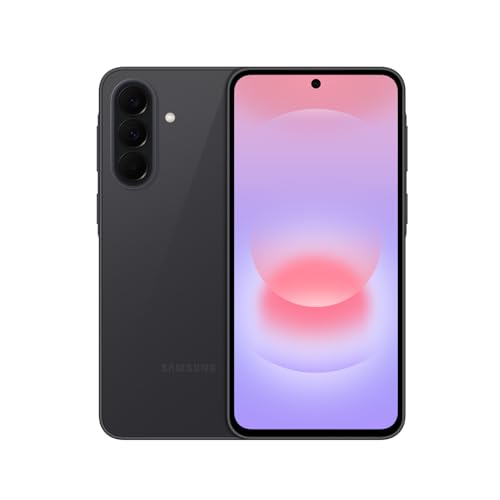


The best mid-range camera phones in 2026 are the Google Pixel 10a for point-and-shoot reliability, the Samsung Galaxy S25 FE for a real 3x telephoto, the Nothing Phone (3a) Pro for a periscope zoom and a high-resolution selfie camera, and the Apple iPhone 17e for iPhone owners who want solid video at a lower tier. The Galaxy A57 and Galaxy A37 round out the list as flexible, long-supported Android options.
Mid-range is where camera shopping gets confusing. Spec sheets all show a 50MP main sensor, yet results differ a lot, because stabilization, processing and the quality of the secondary lenses are where manufacturers cut costs. This guide groups phones by what you actually want from the camera, gives concrete thresholds to check on any spec sheet, and calls out who should skip each model.
What “mid-range” means for cameras
Mid-range phones sit between entry-level models and premium flagships. For cameras, that tier typically means a stabilized main sensor, a functional ultrawide, and in a few cases a telephoto. Compared with a premium phone, you give up some of the following: a high-quality telephoto, top-tier low-light processing, advanced video formats, and sometimes a faster processor that speeds up multi-frame photo merging.
The reassuring part is that the main camera is usually the part that matters most, and mid-range main cameras have become very good. Google’s Pixel 10a, for example, uses a 48MP main camera with optical stabilization, f/1.7 aperture and a 1/2-inch sensor, a setup that reviewers credit for strong results at its tier.
How we chose
This list is based on research, not first-hand evaluation. We compared manufacturer specification sheets, published roundups from photography and phone outlets, and side-by-side spec comparisons, then limited the list to phones that are current in 2026 and widely sold in the United States. Where a spec could not be confirmed, we describe the feature class instead of citing a number.
Our filters were these. The main camera needed optical stabilization or a clearly strong software pipeline. The phone needed a published software update commitment of several years. It needed either a telephoto or a notably good ultrawide for its tier. And it needed to serve a different buyer from the others in the list, so that the shortlist is not seven versions of the same phone.
Thresholds worth checking on any mid-range camera phone
- Main camera stabilization: Optical image stabilization (OIS) is the single best spec to look for. It lets the phone hold the shutter open longer in dim rooms without blur.
- Main aperture: f/1.9 or faster is a good target. Slower than f/2.0 usually means noisier night photos.
- Sensor size: A 1/2-inch or larger main sensor is a respectable mid-range level; smaller sensors struggle in low light.
- Telephoto: If a phone claims “2x” or “3x” zoom, check whether it is a real lens or a crop from the main sensor. Real optical zoom keeps detail; a crop does not.
- Ultrawide resolution: 12MP is typical for this tier and adequate for landscapes. Anything under 8MP tends to look soft.
- Update promise: Aim for at least five years of security updates, since the camera software improves over time.
- Video: 4K at 30 fps is the baseline; 4K at 60 fps is a bonus.
Comparison table
| Phone | Main camera | Zoom lens | Ultrawide | Selfie | Best known for |
|---|---|---|---|---|---|
| Google Pixel 10a | 48MP, OIS, f/1.7, 1/2-inch | None | 13MP, f/2.2 | Front camera | Processing and value |
| Samsung Galaxy S25 FE | 50MP | 8MP, 3x | 12MP | 12MP | Versatility, real telephoto |
| Nothing Phone (3a) Pro | 50MP | Periscope telephoto, about 3x class | 8MP class | 50MP class | Zoom and selfies |
| Apple iPhone 17e | 48MP-class single rear camera | None | None | 12MP, no Center Stage | iPhone video at a lower tier |
| Samsung Galaxy A57 5G | 50MP | Triple rear setup | Included | Front camera | Long updates, versatile |
| Samsung Galaxy A37 5G | 50MP | No telephoto | 8MP | 12MP | Low-light tuning, display |
| Google Pixel 9a | 48MP, OIS | None | 13MP | Front camera | Previous-generation value |
Best mid-range camera phones, grouped by what you want
Best for overall photo quality: Google Pixel 10a
Spec line: 48MP main with OIS · f/1.7 · 1/2-inch sensor · 13MP ultrawide at f/2.2 · 4K video · up to 8x digital zoom.
Best for: Anyone who wants reliable photos without thinking about settings. The stabilized main sensor and Google’s multi-frame processing handle faces, backlit scenes and night shots well for the tier. Its camera hardware is carried over from the previous generation, so the value is in the software.
Skip if: You want optical zoom. There is no telephoto, so anything beyond the main lens is a digital crop. Also skip it if you need expandable storage, which it does not offer.
- Pros: Strong processing, stabilized main camera, good night mode, simple app.
- Cons: No telephoto, an ultrawide that is only adequate, hardware not refreshed from the prior generation.
As an Amazon Associate we earn from qualifying purchases at no extra cost to you.

Best for zoom at a mid-range tier: Samsung Galaxy S25 FE
Spec line: 50MP main · 8MP 3x telephoto · 12MP ultrawide · 12MP selfie camera.
Best for: Shoppers who want a dedicated telephoto lens. PhoneArena ranks it the best mid-range camera phone, giving it a camera score of 143, mainly because of its versatility. A true 3x lens is excellent for portraits, pets and street photos.
Skip if: You photograph often in dim light. The telephoto is only 8MP, and the phone does not match the night performance of flagships or of the Pixel line.
- Pros: Real 3x optical zoom, a three-lens setup, a mature camera app with many modes, a high likelihood of discounts.
- Cons: Modest telephoto resolution, list price creeps toward the premium tier.

Best for long zoom and selfies: Nothing Phone (3a) Pro
Spec line: 50MP main · periscope-style telephoto at roughly 3x · 8MP-class ultrawide · 50MP-class selfie camera.
Best for: People who want a telephoto with more reach and a sharp front camera at a mid-range tier. The periscope design is rare below the premium tier.
Skip if: You rely on a polished ultrawide for landscapes or interiors, or you want a long update commitment comparable with Google or Samsung. Treat the camera quality as good but not class-leading; reviewers describe Nothing’s newer cameras as not leading their class.
- Pros: Periscope telephoto, high-resolution selfie camera, distinctive design.
- Cons: Modest ultrawide, processing is less refined than Google’s, shorter track record on updates.

Best for iPhone owners: Apple iPhone 17e
Spec line: 48MP-class single rear camera · 12MP front camera without Center Stage · A19 chip.
Best for: People already using iPhone who want a lower-cost way into the ecosystem. A single strong main camera, consistent color and dependable video are its selling points.
Skip if: You want an ultrawide or telephoto, or you want group-selfie features. This phone has one rear camera, so you will crop or step back for everything.
- Pros: iPhone video quality, a fast processor that supports quick photo processing, long software support.
- Cons: One rear camera, no Center Stage on the front camera, fewer shooting angles than rivals.
Best for long support and flexibility: Samsung Galaxy A57 5G
Spec line: 50MP main · triple rear camera system including an ultrawide · 4K video · six years of updates.
Best for: Buyers who keep phones for many years and want a three-lens rear layout. Reviewers highlight its versatile triple camera and the long update commitment.
Skip if: You are sensitive to weight. It is heavier than many rivals because of its metal frame. Also skip it if you want a true telephoto, since the extra lenses are not a flagship-grade zoom.
- Pros: Three rear cameras, 4K video, long software support.
- Cons: Heavy build, secondary lenses are basic.

Best for low light and display value: Samsung Galaxy A37 5G
Spec line: 50MP main · 8MP ultrawide · 5MP third lens · 12MP selfie camera · AMOLED display.
Best for: People who want a bright screen and a solid main camera with Samsung’s low-light processing, called Nightography. It is a sensible step down from the S25 FE.
Skip if: You want zoom. The 5MP third lens is typically a macro or depth-style camera, not a telephoto, and it will not improve everyday photos much. It is also heavy for its size, and a separate charger is required.
- Pros: Good main camera, strong display, 256GB storage in some configurations.
- Cons: Heavy, no real telephoto, charger not included.

Best older-generation bargain: Google Pixel 9a
Spec line: 48MP main with OIS · 13MP ultrawide · no telephoto.
Best for: Shoppers who find it at a clearance tier and want Pixel processing for as little as possible. Its camera hardware is essentially the same as the Pixel 10a’s.
Skip if: You want the longest update window; buying the newer Pixel 10a gives you an extra year of support for a small price gap.
- Pros: Pixel photo quality at a low cost, stabilized main camera.
- Cons: One generation older, update window ends earlier than the 10a’s, stock may be limited.

Worked example: what each lens layout means in practice
Use this step-by-step logic to decide which lens layout you need, based on how far you usually stand from your subject.
- List your last 20 photos you were proud of. Count how many were wide scenes, normal-distance shots, or close portraits and distant subjects.
- Estimate the zoom factor each needed. Wide scenes are 0.5x to 1x. Normal shots are 1x to 2x. Portraits of people from across a table are 2x to 3x. Distant subjects are 5x and beyond.
- Apply the crop math. A 48MP or 50MP main camera cropped 2x keeps about 12MP, which is fine. Cropped 3x it keeps about 5.5MP, which looks soft in dim light. So a phone without a telephoto handles up to 2x comfortably, and a real 3x lens only matters if more than about a quarter of your keepers need 3x.
- Decide. If most of your photos are 1x to 2x, pick the Pixel 10a for processing. If you often need 3x, pick the Galaxy S25 FE or the Nothing Phone (3a) Pro. If you shoot ultrawide a lot, avoid the iPhone 17e, which does not have one.
This approach filters out marketing quickly: a “50MP” badge is irrelevant if the lens you need does not exist on the phone.
Decision matrix
| Your priority | Pick | Why |
|---|---|---|
| Best point-and-shoot results | Pixel 10a | Stabilized main camera and Google processing |
| Portraits and pets with optical zoom | Galaxy S25 FE | Real 3x telephoto |
| Zoom reach and selfies | Nothing Phone (3a) Pro | Periscope-style lens, high-resolution front camera |
| Already on iPhone, video focus | iPhone 17e | Ecosystem and video quality |
| Keep the phone for years | Galaxy A57 5G | Long update commitment |
| Lowest cost with good photos | Pixel 9a or Galaxy A37 | Strong main cameras at lower tiers |
Mistakes to avoid when buying a mid-range camera phone
- Trusting megapixels as a quality score. A 50MP main sensor without OIS can produce blurrier night photos than a 48MP sensor with OIS and better software.
- Counting every lens. A 5MP “macro” or depth lens adds a camera icon to the app but little to your photos.
- Ignoring the update window. Camera processing improves through updates, so a phone with two years of support will fall behind a phone with six.
- Assuming mid-range means no zoom. A few phones in this tier include real telephoto lenses, so you do not need to pay premium rates for 3x.
- Overlooking storage. High-resolution photos and 4K clips use space fast; choose a larger storage tier if you shoot often.
More mid-range camera phones to compare
Besides the seven phones above, six more models show up in 2026 mid-range camera roundups and in buyer comparison threads. They are grouped here by what each does best, so you can tell quickly whether any of them should replace one of the earlier picks.
Best for a periscope zoom at a low tier: Nothing Phone (4a) Pro
Spec line: 50MP f/1.88 main (1/1.56-inch) · 50MP periscope at about 3.5x · 8MP ultrawide · 32MP selfie
Best for: buyers who want a long optical lens without moving into flagship money. Skip if: you shoot a lot at night with the zoom lens, because its f/2.9-class aperture struggles in dim light, or you care about ultrawide detail, since the 8MP lens is weak.
Pros: A real periscope in the entry-level to mid-range band, and a bright, stabilized main camera. Cons: Ultrawide is basic. Zoom shots fall apart after dark. Software support is shorter than Samsung or Google offer.

Best value Samsung with macro: Samsung Galaxy A56 5G
Spec line: 50MP main with OIS · 12MP ultrawide · 5MP macro · 12MP selfie · 4K video
Best for: shoppers who want Samsung color and a stabilized main camera at a lower tier than the A57. Skip if: you want optical zoom, since there is no telephoto and zoom past 2x is a digital crop.
Pros: Reliable main camera, a macro lens better than the 2MP units on many rivals, and widely available in the US. Cons: Camera hardware is almost unchanged from the previous generation, the ultrawide is fixed focus, and the selfie camera is only 12MP.

Best slim all-rounder: Motorola Moto Edge 70
Spec line: 50MP main with OIS · 50MP ultrawide with macro and autofocus · 50MP selfie · 4K video
Best for: people who want a very thin phone with a sharp ultrawide and selfie camera. Skip if: you want a telephoto lens. The main camera offers a 2x in-sensor crop, but nothing longer is optical.
Pros: A 50MP ultrawide is rare at this tier, and the autofocus doubles as a macro camera. Selfies are detailed. Cons: No telephoto, so portraits at a distance rely on cropping. Processing is less refined than Pixel at night.
Best 5x zoom under flagship tier: Xiaomi 17T
Spec line: 50MP Leica main (1/1.55-inch, f/1.7, OIS) · 50MP 5x periscope (115 mm equivalent) · 12MP ultrawide
Best for: zoom lovers who want a 5x lens and a Leica-tuned main camera at the upper edge of the mid-range. Skip if: you need official US carrier support or a long update promise. The listing is an import.
Pros: The 5x telephoto is a clear step up from 3x lenses at similar money, and the main camera is stabilized with good dynamic range. Cons: The periscope aperture is narrow, so it needs good light, and the 12MP ultrawide is merely adequate. Check network band support before buying.

Best 200MP main camera: Honor 600
Spec line: 200MP f/1.9 main (1/1.4-inch, OIS) · 12MP ultrawide · 50MP selfie · 4K at 30 fps
Best for: shooters who like to crop from a high-resolution main sensor and want a sharp selfie camera. Skip if: you need a telephoto. The standard model has two rear cameras, and only the Pro adds a periscope. Also skip if you need 4K at 60 fps on the main lens.
Pros: Large main sensor for the tier, with a fast aperture and stabilization that suit night scenes. Strong selfie camera. Cons: Ultrawide is basic, video tops out at 4K30, and the listing is an international model, so check bands and warranty.

Best for Samsung zoom at the upper edge: Samsung Galaxy S26 FE
Spec line: 50MP f/1.8 main with OIS · 12MP ultrawide · 8MP 3x telephoto · 12MP selfie
Best for: buyers who want a Samsung flagship-style app, a 3x lens and long software support at a step below the main S26 line. Skip if: you expect a camera upgrade over the S25 FE, because the lens set is essentially the same.
Pros: A real 3x telephoto, a stabilized main camera and wide US availability. Cons: Telephoto sensor is tiny, so 3x shots lose detail at night. Pricing sits at the top of the mid-range band, where the Pixel 10a and Xiaomi 17T are competitors.

Mid-range camera phones side by side
| Phone | Tier | Main camera | Zoom lens | Pick it for |
|---|---|---|---|---|
| Google Pixel 10a | Mid-range | 48MP, OIS | None | Point-and-shoot reliability |
| Samsung Galaxy S25 FE | Mid-range | 50MP | 8MP 3x | Entry-level real telephoto |
| Samsung Galaxy S26 FE | Upper mid-range | 50MP, OIS | 8MP 3x | Samsung zoom, long support |
| Nothing Phone (3a) Pro | Mid-range | 50MP | Periscope, about 3x | Zoom and selfies |
| Nothing Phone (4a) Pro | Mid-range | 50MP, OIS | 50MP periscope, about 3.5x | Periscope on a budget |
| Xiaomi 17T | Upper mid-range import | 50MP Leica, OIS | 50MP periscope, 5x | Longest zoom here |
| Samsung Galaxy A57 5G | Mid-range | 50MP | None listed | Long updates |
| Samsung Galaxy A56 5G | Entry-level to mid-range | 50MP, OIS | None | Samsung color, macro |
| Samsung Galaxy A37 5G | Entry-level to mid-range | 50MP | None | Low light, display |
| Motorola Moto Edge 70 | Mid-range | 50MP, OIS | None | Slim body, 50MP ultrawide |
| Honor 600 | Mid-range import | 200MP | None | Cropping, selfies |
| Apple iPhone 17e | Mid-range | 48MP class | None | iPhone video at a lower tier |
| Google Pixel 9a | Previous-gen | 48MP, OIS | None | Value stills |
Frequently asked questions
What is the best mid-range camera phone in 2026?
The Google Pixel 10a is the best overall mid-range camera phone for most people, thanks to its stabilized 48MP main camera and Google’s processing. The Galaxy S25 FE is best if you want a telephoto.
Your choice depends on whether you value processing consistency or optical zoom more.
Is the Pixel 10a camera better than the Galaxy S25 FE?
For standard photos and low light, the Pixel 10a usually produces better-processed images. The Galaxy S25 FE offers more flexibility because it has a real 3x telephoto lens.
Pick the Pixel for simplicity and the Samsung if you often zoom for portraits and distant subjects.
Do mid-range phones have optical image stabilization?
Many do on the main camera, including the Pixel 10a. OIS reduces blur in low light and video, so check for it on the spec sheet before buying.
Secondary lenses, such as ultrawide and macro cameras, usually lack OIS at this tier.
Is a mid-range phone good enough for social media and travel?
Yes. Current mid-range main cameras produce sharp, shareable photos in daylight and acceptable results at night. The main gaps are zoom quality and extreme low light.
For most travel and social use, you will not notice the difference from a premium phone.
Which mid-range phone has the best zoom?
The Samsung Galaxy S25 FE has a true 3x telephoto, and the Nothing Phone (3a) Pro uses a periscope-style telephoto. Both beat phones that rely only on digital zoom.
The Pixel 10a offers digital zoom up to 8x, but image quality falls as you zoom further.
Should I buy the iPhone 17e for its camera?
Buy it if you want an iPhone at a lower tier and mainly shoot video and everyday photos. It has a single rear camera, so there is no ultrawide or telephoto.
If you want more lens options, an Android phone in this list offers more variety for similar money.
How long should a mid-range camera phone last?
Aim for five to six years of software support. Phones such as the Galaxy A57 advertise six years of updates, which keeps camera features and security current.
A shorter support window means the camera software will age sooner, even if the hardware still works.
Is it worth paying more for a flagship camera?
It is worth it if you shoot a lot in low light, need a high-quality telephoto, or record advanced video. For general use, a good mid-range phone is enough.
Spend extra only on the specific feature you will actually use, such as a longer telephoto lens.
Final recommendation
Start with the Pixel 10a if you want the most dependable photos at this tier. Move to the Galaxy S25 FE or Nothing Phone (3a) Pro if you want a real zoom lens, choose the iPhone 17e if you already live in Apple’s ecosystem, and pick the Galaxy A57 if you plan to keep your phone for six years. Whichever you choose, check for stabilization on the main camera and a real telephoto if you need one, and ignore the megapixel badge.
More from Amazon
Programs that pair well with the guide above. Offers and eligibility are set by Amazon and may change.
Free shipping on eligible items, Prime Video and more. Eligible new members can start with a free trial.
Start a Prime free trialAudiobooks and podcasts to listen to on the go. Eligible new members can start with a free trial.
Try Audible freeAd-free music streaming. Eligible new subscribers can start with a free trial.
Try Music Unlimited freeA free business account with business pricing and bulk-buying tools for work, shop or home office.
Create a business accountAs an Amazon Associate we earn from qualifying purchases.