Our Short List of 3
- Best for: Beginners who want a simple, pocketable camera for everyday photography.
- 16-megapixel CMOS sensor
- 5x optical zoom lens, 28-140mm
- 1080p video recording
- 2.7-inch LCD screen

- Best for: Beginners who want a traditional DSLR and a clear path to learning manual controls.
- 24.1-megapixel APS-C CMOS sensor
- EF-S 18-55mm f/3.5-5.6 IS II kit lens included
- Entry-level interchangeable-lens DSLR
- Best for: Buyers who want a small mirrorless body to build a lens kit around over time.
- 24.1-megapixel APS-C sensor
- DIGIC 8 image processor
- RF lens mount
- Compact mirrorless body
All 4 Picks at a Glance
| Product | Specs | Action |
|---|---|---|
| Kodak PIXPRO FZ55-BK |
| Check price on Amazon |
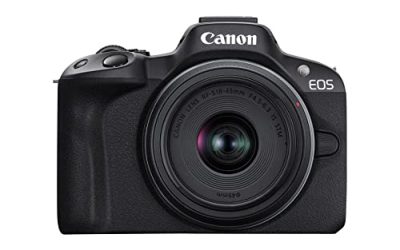
| Canon EOS Rebel T7 with EF-S 18-55mm f/3.5-5.6 IS II kit lens |
| Check price on Amazon |
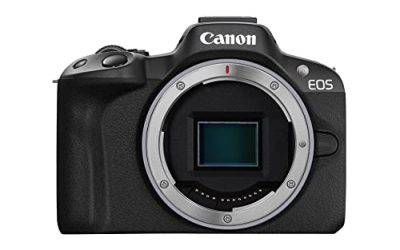
| Canon EOS R100 (body only) |
| Check price on Amazon |
 Panasonic Lumix FZ80D bundle |
| Check price on Amazon |
Our Top Picks
Choosing an affordable camera for photography means balancing image quality, ease of use, and room to grow. A compact camera suits simple everyday shooting, while an interchangeable-lens camera opens the door to portraits, landscapes, and low-light work. The right choice depends less on the highest specification on the box and more on how you plan to shoot, how much gear you want to carry, and whether you expect your interest to grow.
This guide is for beginners buying a first camera, travellers who want a light kit, and anyone replacing a phone camera with something more capable. It also suits families who want better photos without a complicated setup. The cameras below were chosen from the names and specifications shown on their Amazon product pages, focusing on affordable models that cover compact, DSLR, and mirrorless designs. Each option below is described in plain terms, so you can compare them side by side before choosing.
Quick Picks
As an Amazon Associate we earn from qualifying purchases
| Product | Best for | Key spec from title |
|---|---|---|
| Kodak PIXPRO FZ55-BK | Simple everyday photography | 16-megapixel CMOS sensor |
| Canon EOS Rebel T7 with EF-S 18-55mm f/3.5-5.6 IS II kit lens | Learning photography with a DSLR | 24.1-megapixel APS-C CMOS sensor |
| Canon EOS R100 (body only) | A compact start in mirrorless photography | 24.1-megapixel APS-C sensor |
| Panasonic Lumix FZ80D bundle | Long zoom reach in one ready kit | 60x optical zoom, 20-1200mm |
How to Choose
Sensor size and resolution
A larger sensor usually captures more detail and handles dim light better than a small one, which matters for indoor photos, evening scenes, and portraits with soft backgrounds. Resolution also plays a part, because more megapixels give you room to crop without losing as much detail. Still, resolution alone does not guarantee a good photo. Lens quality, focusing, and how the camera handles noise all shape the result. For most beginners, a 16-megapixel compact is enough for sharing and printing at common sizes, while a 24.1-megapixel APS-C sensor gives more flexibility for cropping and larger prints. A bigger sensor gives cleaner results in limited light, which helps indoors without flash.
Zoom range and lens choice
Zoom range decides what you can frame without moving closer. A short zoom suits streets, rooms, and group photos, while a long zoom brings distant subjects nearer, which helps with wildlife, sports, and travel details. Fixed-lens cameras keep things simple, and a 60x zoom covers a wide range in one body. Interchangeable-lens cameras take a different approach: you start with a kit lens and add lenses later as your interests develop. Think about the subjects you photograph most, choose a zoom range or lens system that covers them. A wide end near 20mm suits interiors and sweeping views, while a long end past 1000mm suits subjects you cannot approach.
Size, weight, and handling
A camera you leave at home takes no photos, so size and weight deserve real attention. Compact cameras slip into a small bag and suit holidays, walks, and casual days out. A DSLR feels larger and more substantial, with a grip and controls that many beginners find reassuring once they learn the basics. A compact mirrorless body sits between those two ideas, offering interchangeable lenses in a smaller package. Hold the idea of your usual day in mind: if you walk a lot, travel light, or shoot one-handed, a smaller body may serve you better than a larger one. Try to picture the camera in your usual bag, beside the other items you carry every day.
Video, screen, and extras
Many buyers use one camera for both stills and video, so video resolution and the rear screen matter. Full HD video suits family clips and social sharing, while 4K video gives sharper footage and more room to crop during editing. A clear LCD screen helps you check shots, change settings, and frame scenes in bright light. Bundled extras can also simplify a first purchase: a memory card means you can start shooting straight away, and a bag protects the camera on the move. A bag and card included in the box also save a separate shopping trip before your first outing. Compare these practical details alongside image quality before you decide.
The 4 Best Options
Kodak PIXPRO FZ55-BK
- Best for: Beginners who want a simple, pocketable camera for everyday photography.
- 16-megapixel CMOS sensor
- 5x optical zoom lens, 28-140mm
- 1080p video recording
- 2.7-inch LCD screen
Beginners who want a simple, pocketable camera for everyday photography.
The fixed lens and compact design limit how far you can expand the system later.
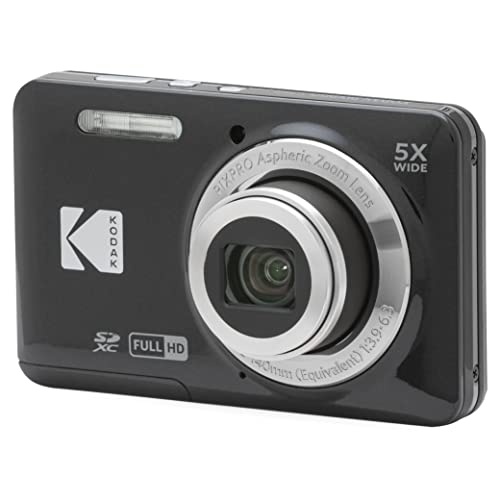
The Kodak PIXPRO FZ55-BK is a straightforward compact camera for people who want better photos than a phone without learning a complex system. Its 16-megapixel sensor and 5x optical zoom cover everyday scenes, from family gatherings to holidays and walks in the park. The slim body is easy to carry, and the 2.7-inch LCD screen makes framing and checking shots simple. Video recording in 1080p adds a useful option for short clips and family moments. It suits birthdays, school events, and quiet mornings out, where a light camera is more likely to be in your hand than left behind.
Watch out for: The fixed lens and compact design limit how far you can expand the system later.
Canon EOS Rebel T7 with EF-S 18-55mm f/3.5-5.6 IS II kit lens
- Best for: Beginners who want a traditional DSLR and a clear path to learning manual controls.
- 24.1-megapixel APS-C CMOS sensor
- EF-S 18-55mm f/3.5-5.6 IS II kit lens included
- Entry-level interchangeable-lens DSLR
Beginners who want a traditional DSLR and a clear path to learning manual controls.
The DSLR body and kit lens are bulkier to carry than a compact camera.
The Canon EOS Rebel T7 is an entry-level DSLR that suits beginners who want to learn photography step by step. Its 24.1-megapixel APS-C sensor gives room to crop and print, while the included kit lens covers a useful range for portraits, landscapes, and everyday scenes. As an interchangeable-lens camera, it lets you add different lenses later as your skills and interests grow. The DSLR design also gives a familiar grip and a direct way to learn aperture, shutter speed, and focus. That practical learning helps you understand light and focus, and it makes later lens choices easier to judge.
Watch out for: The DSLR body and kit lens are bulkier to carry than a compact camera.
Canon EOS R100 (body only)
- Best for: Buyers who want a small mirrorless body to build a lens kit around over time.
- 24.1-megapixel APS-C sensor
- DIGIC 8 image processor
- RF lens mount
- Compact mirrorless body
Buyers who want a small mirrorless body to build a lens kit around over time.
This is a body-only listing, so a lens is needed before you can take photos.
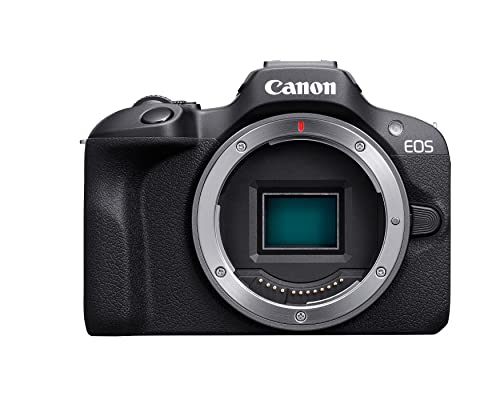
The Canon EOS R100 is a compact mirrorless camera for buyers who want an interchangeable-lens system in a smaller body. Its 24.1-megapixel APS-C sensor and DIGIC 8 image processor form the core of a capable starter kit, while the RF lens mount opens the door to Canon RF lenses as your photography develops. Because this listing is body only, you will need a lens before you can start shooting, so plan for that as part of your first kit. The smaller mirrorless shape suits travel and everyday carrying. The smaller shape also fits easily into a day bag, which makes it a natural companion for walks and short trips.
Watch out for: This is a body-only listing, so a lens is needed before you can take photos.
Panasonic Lumix FZ80D bundle
- Best for: Travellers and hobbyists who want one camera with very long zoom reach.
- 18.1-megapixel sensor
- 60x optical zoom, 20-1200mm
- 4K video recording
- Bundle includes a 32GB memory card, software and a camera bag
Travellers and hobbyists who want one camera with very long zoom reach.
A long-zoom bridge camera is larger than a pocket compact, so check the size before buying.
The Panasonic Lumix FZ80D bundle is built for buyers who want long zoom reach without buying extra lenses. Its 60x optical zoom stretches from 20mm to 1200mm, covering wide landscapes at one end and distant subjects at the other. The 18.1-megapixel sensor and 4K video recording suit travel, wildlife, and family recording, while the included memory card, software, and camera bag mean the kit is ready to use. It is a practical choice when one camera needs to handle many different scenes. Families can use it for school sports and holidays alike, switching from wide group shots to close details without changing lenses.
Watch out for: A long-zoom bridge camera is larger than a pocket compact, so check the size before buying.
Which One Fits Your Situation
You want the simplest first camera
Choose the Kodak PIXPRO FZ55-BK if you want to point, shoot, and enjoy the results without menus getting in the way. Its compact size suits days out, family events, and holidays, and the 5x zoom covers most everyday scenes. It is the easiest option here to carry and to learn. It is also a kind choice for older relatives or younger photographers who want good results with little fuss.
You want to learn photography properly
Choose the Canon EOS Rebel T7 if you plan to learn aperture, shutter speed, and composition over time. The DSLR design and kit lens give you a solid starting point, and the interchangeable-lens system lets you add a portrait or telephoto lens later. It suits patient beginners who want their camera to grow with them. Over time, that practice builds confidence and a clear sense of which lens to try next.
You want a small camera you can build on
Choose the Canon EOS R100 if you like the idea of interchangeable lenses but want a smaller body than a DSLR. The mirrorless design is easier to carry on trips and walks, while the RF mount gives you a path to more lenses. Remember to add a lens, since this listing is body only. It is a good match for commuters and walkers who want quality without a heavy bag.
You want one camera for distant subjects
Choose the Panasonic Lumix FZ80D bundle if zoom reach matters most. The 60x zoom handles wildlife, sports, and travel details that shorter lenses cannot reach, and the bundle adds a memory card and bag. It suits buyers who want a complete, versatile kit in a single purchase. The included card and bag make the first outing simple, with nothing extra to organise beforehand.
Common Mistakes
- Buying the longest zoom without thinking about size, weight, and how you will carry the camera, especially on long walks or hot days.
- Choosing a body-only camera and forgetting that a lens is needed before you can take photos, so check the listing carefully.
- Judging a camera by megapixels alone instead of sensor size, lens quality, and handling in real use.
- Ignoring video needs, then finding the camera does not record in the resolution you wanted for the clips you plan to make.
- Skipping the basics of light and composition and expecting a new camera alone to fix every photo, before you blame the camera.
Frequently Asked Questions
Which economy camera is best for a complete beginner?
The Kodak PIXPRO FZ55-BK is the simplest choice here, with a compact body, a 5x zoom, and straightforward controls. The Canon EOS Rebel T7 suits beginners who want to learn manual settings and change lenses later. Choose the Kodak for ease, or the Canon for a longer learning path. Both are solid starting points for different goals.
Do I need to buy a lens with the Canon EOS R100?
Yes, because the Canon EOS R100 listing in this guide is body only, so it does not include a lens. You will need an RF-mount lens before you can take photos. Factor that lens into your first purchase, and choose one that suits the subjects you plan to photograph most. A standard zoom is a sensible first lens.
Is a long zoom camera good for travel photography?
Yes, a long zoom such as the Panasonic Lumix FZ80D suits travel because one camera covers wide scenes and distant details. Its 60x zoom runs from 20mm to 1200mm, which helps with landscapes, wildlife, and architecture. Check the size first, since long-zoom cameras are larger than pocket compacts. That range suits many travel subjects.
What should I check before choosing an economy camera?
Check the sensor, zoom range, and whether the listing includes a lens, memory card, or bag. Think about size and weight, video resolution, and how you plan to use the camera. Match those details to your main subjects, and choose the camera that fits your habits. Start with your main subjects and habits.
More from Amazon
Programs that pair well with the guide above. Offers and eligibility are set by Amazon and may change.
Free shipping on eligible items, Prime Video and more. Eligible new members can start with a free trial.
Start a Prime free trialAudiobooks and podcasts to listen to on the go. Eligible new members can start with a free trial.
Try Audible freeAd-free music streaming. Eligible new subscribers can start with a free trial.
Try Music Unlimited freeA free business account with business pricing and bulk-buying tools for work, shop or home office.
Create a business accountAs an Amazon Associate we earn from qualifying purchases.