Key takeaways
- Fujifilm X-S20 vs Nikon Z30: we compare autofocus, video, image quality and handling, then add a bag, tripod and card that work with both cameras.
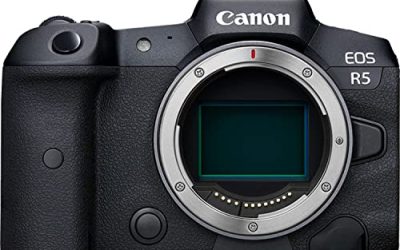
Two compact APS-C mirrorless cameras sit at the heart of this comparison, and they aim at two different kinds of shooter. The Fujifilm X-S20 is a do-everything travel and hybrid camera with strong video specs and a deep grip. The Nikon Z30 is the smallest, lightest Z-series body, built for creators who film themselves. Both use a crop sensor and both record uncropped 4K video, yet they feel very different in the hand.
As an Amazon Associate, we earn from qualifying purchases.
Two Cameras, Two Different Mounts
Honesty comes first here. These two cameras use different mounts, so no lens is shared between them. The X-S20 uses the Fujifilm X mount, while the Z30 uses the Nikon Z mount. That means your lens collection, not just the body, decides which camera makes sense. If you already own X-mount glass, the X-S20 slots straight into your kit. If you own NIKKOR Z DX glass, the Z30 is the natural partner. The right pick depends on how you shoot, how much video you record, and whether you want a viewfinder at all, because the Z30 does not have one.
1. Fujifilm X-S20

The X-S20 is the more capable all-rounder of the pair. Its 26.1MP APS-C X-Trans CMOS 4 sensor pairs with the X-Processor 5 engine, the same combination that powers Fujifilm’s higher-end APS-C bodies. It shoots up to 20 frames per second with the electronic shutter, records 6.2K at 30 frames per second, and records 4K at 60 frames per second in 4:2:2 10-bit color internally. For a camera that weighs 491 g with battery and card, that is a serious amount of power.
Autofocus is a clear strength. The X-S20 tracks people, animals, birds, and vehicles, and it locks on fast in dim light. The 2.36-million-dot electronic viewfinder gives a bright, detailed view, and the vari-angle touch screen flips out to the side for vlogging. Battery life is another win: the NP-W235 battery delivers around 750 frames in normal mode, more than double the count of the camera it replaced. The deep grip suits larger lenses, and five-axis in-body stabilization gives up to 7 stops of compensation.
Specs
- Sensor: 26.1MP APS-C X-Trans CMOS 4, X-Processor 5
- Video: 6.2K/30p, 4K/60p 4:2:2 10-bit internal
- Stabilization: 5-axis in-body image stabilization, up to 7 stops
- Burst: Up to 20 fps electronic shutter
- Viewfinder: 2.36-million-dot OLED electronic viewfinder
- Screen: 3-inch vari-angle touch LCD
- Battery: NP-W235, around 750 frames in normal mode
- Weight: 491 g with battery and card
- Mount: Fujifilm X mount
2. Nikon Z30

The Z30 is the smallest, lightest camera in the Nikon Z series, and it shows in every dimension. Its 20.9MP DX sensor is the same size class as the X-S20 sensor, and it delivers clean files with the warm, natural color Nikon is known for. Video is the Z30’s home turf: it records uncropped 4K at 30 frames per second, Full HD at up to 120 frames per second for slow motion, and it offers a self-portrait mode that flips the screen forward for filming yourself.
What the Z30 lacks is a viewfinder. There is no electronic viewfinder at all, so every shot is composed on the 3-inch vari-angle touch screen. For creators who film themselves, that is no loss. For photographers who shoot in bright sunlight or prefer an eye-level view, it is a real compromise. Autofocus covers people, pets, and vehicles, and it tracks faces and eyes well in video. The body has a built-in microphone and a mic input, plus a tally lamp on the front so you can see at a glance when you are recording.
Specs
- Sensor: 20.9MP DX (APS-C) format, EXPEED 7
- Video: Uncropped 4K/30p, Full HD up to 120p
- Stabilization: Electronic vibration reduction for video
- Burst: Up to 11 fps continuous shooting
- Viewfinder: None, composition on the rear screen
- Screen: 3-inch vari-angle touch LCD
- Battery: EN-EL25, around 330 frames per charge
- Weight: 350 g body only
- Mount: Nikon Z mount
Autofocus and Subject Detection
The X-S20 has the edge here, and it is not close. Its X-Processor 5 engine drives subject detection across people, animals, birds, and vehicles, and it holds focus well. The Z30 tracks faces and eyes well, and its autofocus is quick and reliable for vlogging and everyday shooting, but it does not match the X-S20 for fast action or wildlife. If you shoot pets, birds, or sports, the X-S20 pulls ahead clearly.
Image Quality
Both cameras produce lovely images, but they get there in different ways. The X-S20’s 26.1MP sensor gives more detail for large crops and large prints, and Fujifilm’s color science renders warm skin tones and rich greens straight out of camera. The Z30’s 20.9MP sensor gives up a little resolution, yet its files are clean at high ISO and its colors are natural and easy to edit. For heavy cropping or large prints, the X-S20’s extra pixels matter.
Stabilization and Handling
The X-S20 wins on stabilization. Its five-axis in-body system steadies stills and video, and it works with any lens you mount. The Z30 relies on electronic vibration reduction for video and lens stabilization for stills, which is fine for vlogging but less effective for handheld stills in low light. The X-S20 has a deep grip, a viewfinder, and a mode dial that falls under your thumb. The Z30 is smaller and lighter, with fewer dials and a cleaner top plate. If you shoot with longer lenses, the X-S20’s grip is the better partner.
Video
Video is where the two cameras diverge most. The X-S20 records 6.2K at 30 frames per second and 4K at 60 frames per second in 10-bit color, which gives far more room to grade footage. The Z30 records 4K at 30 frames per second in 8-bit color, which looks great straight out of camera but offers less latitude in editing. The Z30 counters with creator-friendly touches: a tally lamp, a self-portrait mode, and a clean, simple interface. For serious hybrid work, the X-S20 is the stronger tool.
Battery and Workflow
The X-S20’s NP-W235 battery lasts around 750 frames in normal mode, . The Z30’s EN-EL25 battery lasts around 330 frames per charge, so a spare battery is a wise addition for a long day. Both cameras charge over USB-C, and both accept a single SD card. The X-S20 supports UHS-II cards, which clear the buffer faster after long bursts. The Z30 uses UHS-I speeds, which is fine for its slower burst rate.
3. Shimoda Explore V2 35 Backpack

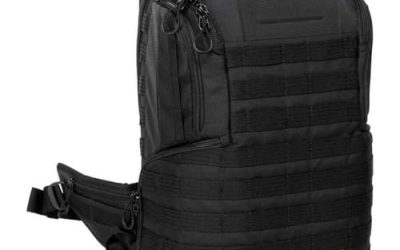
A good bag matters just as much as the camera inside it, and this Shimoda is one of the best adventure packs you can buy. The Explore V2 35 holds 35 liters, fits in most overhead bins as carry-on luggage, and pairs with Shimoda’s modular Core Unit system so you can shape the interior around your kit. The 520-158 variant listed here is the shell version, so note that the Core Unit that holds your camera is sold separately and you should confirm the contents of the listing before you buy. The pack has three torso height settings, a 16-inch laptop sleeve, and a rain fly for bad weather. At 4.5 lb it is not light, but the harness spreads the load well on long walks.
Specs
- Capacity: 35 liters, carry-on compatible design
- Model: Explore V2 35 Backpack, style number 520-158
- Core Unit: Modular system, Core Unit sold separately
- Laptop: 16-inch laptop sleeve
- Weather: Rain fly included, ripstop nylon shell
- Harness: Adjustable, three torso height settings
- Hydration: Pocket for a 3-liter hydration pack
- Weight: 4.5 lb
4. Vanguard Alta Pro 2+ 263AB100 Tripod

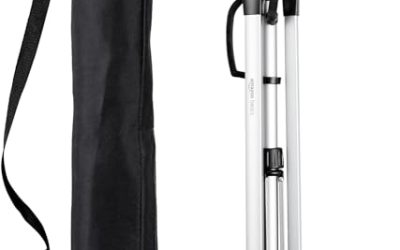
The Vanguard Alta Pro 2+ is a tripod built for odd angles. Its multi-angle center column tilts, rotates, and swings to almost any position, which is ideal for low-angle work, macro shooting, and overhead flat lays. The aluminum legs adjust to 25, 50, and 80 degrees, the Alta BH-100 ball head is Arca-type compatible, and the kit supports up to 15.4 lb, . It reaches 68.2 inches at full height and folds to 29 inches for travel. One honest caveat: B and H lists this kit as discontinued, and some retailers show it out of stock, so confirm the live listing and availability before you buy.
Specs
- Model: Alta Pro 2+ 263AB100, aluminum alloy legs
- Load: Supports up to 15.4 lb
- Height: 68.2 inches maximum, 9 inches minimum
- Folded: 29 inches
- Head: Alta BH-100 ball head, Arca-type compatible
- Center column: Multi-angle, tilts and rotates 360 degrees
- Legs: 3 sections, twist locks, 25, 50, and 80-degree angles
- Weight: 5 lb
5. ADATA Premier Extreme microSDXC SD Express 256GB Card
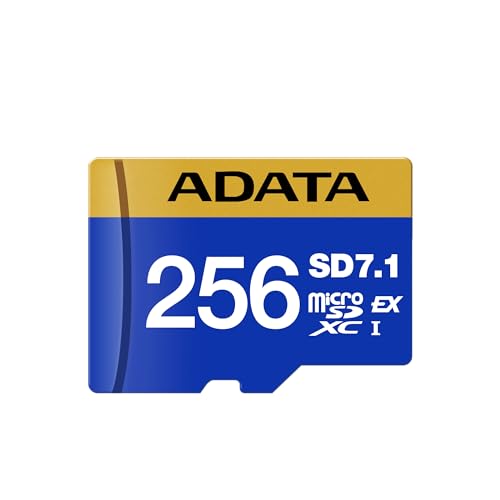
Memory cards are easy to overlook, yet a slow card can ruin a good camera. This ADATA card is a microSDXC card in the SD Express format, model UD256GEX3L1-C, with read speeds up to 800 MB per second and write speeds up to 700 MB per second in a device that supports SD Express. Here is the honest part: neither the X-S20 nor the Z30 supports SD Express, so in these cameras the card falls back to UHS-I speeds, up to 104 MB per second. That is still plenty fast for 4K video and long bursts from either camera. It holds 256 GB, carries a V30 video speed class, and comes with an adapter so the microSD card fits a full-size SD slot.
Specs
- Capacity: 256 GB, microSDXC SD7.1 Express
- Model: UD256GEX3L1-C
- Speed: Up to 800 MB per second read, 700 MB per second write in SD Express devices
- Fallback: UHS-I speeds up to 104 MB per second in these cameras
- Video class: V30, U3, Class 10
- Adapter: Full-size SD adapter included
- Durability: Waterproof, shockproof, X-ray proof, anti-static
- Warranty: Lifetime
How the Accessories Fit Both Cameras
All three accessories work with either camera, which is the point of a comparison like this. The Shimoda bag swallows either body with a lens attached and leaves room for a second lens, a jacket, and lunch. The Vanguard tripod holds either camera steady at any angle, and its 15.4 lb load limit means even a long telephoto lens is no strain. The ADATA card fits both cameras through its included adapter, and its UHS-I fallback speed keeps up with the burst rates of both bodies. None of these three items ties you to one mount, so whichever camera you choose, the kit around it stays useful.
Shooting Tips for Either Camera
Shoot in RAW when the light is tricky, because both cameras give you far more room to fix exposure later. Use the vari-angle screen for low shots and for filming yourself, and flip it inward when you pack the camera away so the screen stays safe. For video, lock your exposure manually so the brightness does not jump when you pan across a bright window. Carry a spare battery for the Z30, and a spare card for either camera, because a full card at the wrong moment is worse than a dead battery.
Which One to Choose
Choose the Fujifilm X-S20 if you want the stronger all-rounder. It has the better autofocus, the better stabilization, the longer battery life, a viewfinder, and video specs that leave room to grow. Choose the Nikon Z30 if you want the smallest, lightest camera that still records lovely 4K video. If you own neither, the X-S20 is the more capable camera, while the Z30 is the easier camera to carry everywhere.
Frequently Asked Questions
Is the Fujifilm X-S20 better than the Nikon Z30 for video?
Yes, for demanding video work. The X-S20 records 6.2K at 30 frames per second and 4K at 60 frames per second in 10-bit color, while the Z30 records 4K at 30 frames per second in 8-bit color.
Does the Nikon Z30 have a viewfinder?
No, the Z30 has no electronic viewfinder. You compose every shot on the 3-inch vari-angle touch screen. That keeps the body small and light, but photographers who prefer an eye-level view may miss a viewfinder.
Can I use the same lenses on both cameras?
No, the two cameras use different mounts. The X-S20 uses the Fujifilm X mount, and the Z30 uses the Nikon Z mount, so lenses are not shared between them.
Will the ADATA microSD card work in both cameras?
Yes, with the included adapter the microSD card fits the full-size SD slot in either camera. Neither camera supports SD Express, so the card runs at UHS-I speeds up to 104 MB per second in these bodies. That is fast enough for 4K video and long bursts from both cameras, and the card runs far faster in a future device that supports SD Express.
More from Amazon
Programs that pair well with the guide above. Offers and eligibility are set by Amazon and may change.
Free shipping on eligible items, Prime Video and more. Eligible new members can start with a free trial.
Start a Prime free trialAudiobooks and podcasts to listen to on the go. Eligible new members can start with a free trial.
Try Audible freeAd-free music streaming. Eligible new subscribers can start with a free trial.
Try Music Unlimited freeA free business account with business pricing and bulk-buying tools for work, shop or home office.
Create a business accountAs an Amazon Associate we earn from qualifying purchases.