Key takeaways
- Nikon Zf vs Sony ZV-E1 compared on sensor, autofocus, video, handling and battery, plus a tripod, monopod and power bank that fit both cameras.
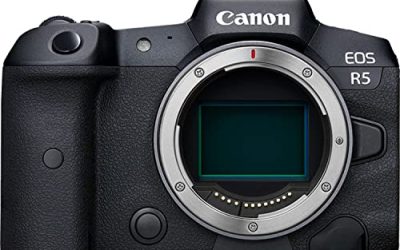
The Nikon Zf and the Sony ZV-E1 are both full-frame mirrorless cameras at about the same level, yet they were built for different people. The Zf is a retro-styled stills camera with dials on top, a viewfinder, and a mechanical shutter. The ZV-E1 is a vlog camera with no viewfinder, no mechanical shutter, and a body shaped around video. This guide lays out where each camera wins and which three accessories work with either body.
As an Amazon Associate, we earn from qualifying purchases.
Two Cameras, Two Different Jobs
Honesty comes first: this is not a like-for-like matchup. The Zf uses the Nikon Z mount, the ZV-E1 uses the Sony E mount, and no lens fits both. The Zf speaks to photographers who love dials, a viewfinder, and a classic look. The ZV-E1 speaks to creators who film themselves and want the smallest full-frame vlog body Sony makes. If you already own lenses for one mount, that alone may settle the choice. Both cameras record 4K video and both have in-body stabilization. The differences show up in sensor resolution, autofocus behavior, handling, and battery life.
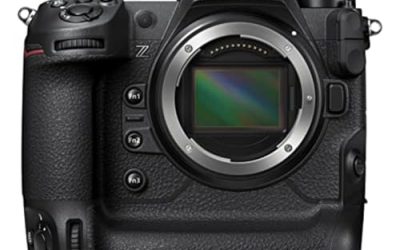
Nikon Zf

The Zf wraps modern Nikon full-frame technology in a body that looks back to the FM2 film camera. Brass dials sit on the top plate for shutter speed, ISO, and exposure compensation. Under the retro shell, the 24.5MP sensor and EXPEED 7 processor come from the same family as the Z8 and Z9, so autofocus and image quality are far ahead of what the styling suggests.
Specs
- Sensor: 24.5MP full-frame BSI CMOS
- Processor: EXPEED 7
- Mount: Nikon Z
- Video: 4K60, 10-bit N-Log and HLG
- Stabilization: 8-stop in-body image stabilization
- Viewfinder: 3.69M-dot electronic viewfinder
- Screen: 3.2-inch fully articulating touchscreen
- Shutter: mechanical shutter plus electronic shutter
- Card slots: SD UHS-II and microSD
- Weight: about 710 g body only
- Model: 1761
A note on the listing: no direct Amazon.com snippet for this body has surfaced in our checks, though a gear list links directly to the Amazon listing and Adorama and B and H confirm model 1761. Confirm the live listing and stock before you order.
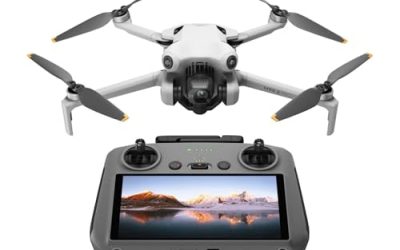
Sony ZV-E1
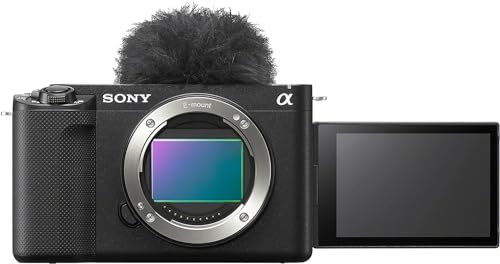
The ZV-E1 is the smallest and lightest full-frame interchangeable-lens vlog camera Sony makes. It trades resolution for video strength: a 12.1MP sensor tuned for 4K, a dedicated AI processing unit, and stabilization modes built for walking and talking to the camera. There is no viewfinder and no mechanical shutter, which keeps the body small but changes how it feels for stills.
Specs
- Sensor: 12.1MP full-frame Exmor R CMOS
- Processor: BIONZ XR with dedicated AI processing unit
- Mount: Sony E
- Video: 4K60, 10-bit 4:2:2, upgradable to 4K120
- Stabilization: 5-axis in-body stabilization plus Dynamic active Mode
- Viewfinder: none
- Screen: 3-inch fully articulating touchscreen
- Shutter: electronic shutter only
- Card slot: single SD UHS-II
- Weight: about 483 g body only
- Model: ILCZVE1/B
Sensor and Image Quality
The Zf wins on stills resolution by a wide margin. Its 24.5MP sensor captures more than twice the pixels of the ZV-E1, which matters when you crop or print large. The ZV-E1 answers with low-light video: its large 12.1MP pixels gather light cleanly at high ISO, and its 4K footage looks smooth because the sensor reads out the full width. For stills in dim light, the Zf holds its own thanks to its 8-stop stabilization, which lets you handhold slower shutter speeds. For video in dim light, the ZV-E1 is the stronger tool. The Zf is the stills-first body and the ZV-E1 is the video-first body, and the sensor numbers explain why.
Autofocus and Burst
Both cameras use modern subject detection, and both lock onto eyes well. The Zf uses deep learning autofocus from EXPEED 7, with detection for people, animals, and vehicles, and it tracks subjects across the frame with confidence. The ZV-E1 adds a dedicated AI processing unit that improves subject recognition and keeps faces framed during video, with AI-based Auto Framing and a Framing Stabilizer. For burst stills, the Zf pulls ahead: its mechanical shutter and higher resolution sensor support fast continuous shooting with full autofocus, while the ZV-E1 is built around video frame rates rather than stills bursts. For video autofocus, the ZV-E1 pulls ahead: its focus breathing compensation, product showcase mode, and background defocus control are made for creators who film alone. If your day is mostly stills of moving subjects, the Zf fits better. If your day is mostly video of yourself or a subject in motion, the ZV-E1 fits better.
Video
Video is where the two cameras diverge most. The ZV-E1 records 4K60 in 10-bit 4:2:2 with direct pixel readout, offers S-Log3 and S-Cinetone, and can be upgraded to 4K120. Its Dynamic active Mode combines optical and electronic stabilization for steady walking shots, and its AI framing tools let a solo creator film without a second person behind the camera. The Zf records 4K60 in 10-bit N-Log and HLG, and its footage grades well, but it lacks the vlog-specific tools that define the ZV-E1. The Zf does give you a viewfinder, which helps when you shoot video in bright sun. For a creator who films daily, the ZV-E1 is the clear video pick. For a photographer who films sometimes, the Zf covers video well enough that a second body is not needed.
Handling, Build and Controls
Handling is a matter of taste, and the two bodies could hardly differ more. The Zf is heavier and taller, with dials you turn by hand and a viewfinder you raise to your eye. It feels like a camera from the film era, and photographers who like direct control will love it. The ZV-E1 is lighter and smaller, with a grip shaped for handheld video, a fully articulating screen, and a menu built around vlog settings. The Zf has a weather-sealed body and a more substantial grip for larger lenses. The ZV-E1 has a smaller grip and fits easily in a small bag. The Zf gives you two card slots, so you can split stills and video or keep a backup copy. The ZV-E1 gives you one slot, so you carry a spare card in your pocket. Neither layout is better in the abstract; the right one is the one that matches your hands and your habits.
Battery and Storage
Battery life favors the Zf in stills use. The Zf uses the EN-EL15c battery, a large cell shared with many Nikon bodies, and it lasts through a long day of stills. The ZV-E1 uses the smaller NP-FZ100 battery, and video drains it faster, so creators who film all day should carry a spare or a power bank. Both cameras charge over USB-C, which makes a power bank a practical companion for either body. For storage, the Zf takes one SD UHS-II card and one microSD card, while the ZV-E1 takes one SD UHS-II card. Fast cards matter for both: 4K video and long bursts fill a slow card quickly. Carry a spare card and a spare battery, whichever camera you choose.
Three Accessories That Fit Both Cameras
Because the Zf and the ZV-E1 use different mounts, no lens fits both, so this guide picks three accessories that work with either body: a tripod, a monopod, and a power bank. Each one is useful for both stills and video.
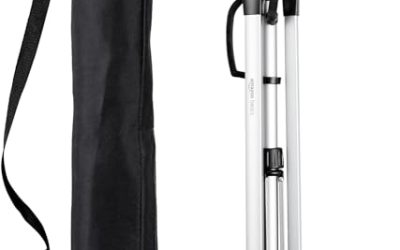
K and F Concept SA254M1 Tripod

A good tripod is the simplest way to improve both stills and video. The SA254M1 is a travel tripod built from magnesium aluminum alloy, with a 28mm ball head, four leg sections, and one leg that detaches to become a monopod. It reaches eye level for most shooters, folds down small enough for a day bag, and holds either camera with a mid-size lens.
Specs
- Model: K254A1+BH-28L (SA254M1)
- Max height: 62.2 inches
- Folded length: 16.1 inches
- Weight: about 3.5 lb
- Load capacity: 22 lb
- Leg sections: 4
- Head: BH-28L ball head, 360-degree pan
- Bonus: one leg detaches as a monopod
A note on the listing: this tripod is verified through the manuals.plus record for the model, which ties the SA254M1 name to model K254A1+BH-28L. Confirm the live listing and stock before you order.
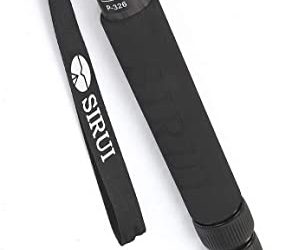
Manfrotto 290 Carbon Fiber Monopod

A monopod suits both cameras when a tripod is too slow or too bulky. It steadies a long lens for stills, smooths handheld video, and doubles as a walking aid on a long shoot. The Manfrotto 290 is a four-section carbon fiber monopod that folds short, weighs just over a pound, and extends to nearly five feet.
Specs
- Model: MM290C4US
- Material: carbon fiber
- Sections: 4
- Max height: 59.45 inches
- Folded length: 19.29 inches
- Weight: 1.1 lb
- Safe working load: 5 kg per the Manfrotto datasheet
A note on the load figure: the Amazon listing quotes 22 lb, but the Manfrotto datasheet lists 5 kg as the safe working load, so this guide uses the datasheet figure. Treat 5 kg as the limit for your camera and lens together.
Baseus Blade 100W 20000mAh Power Bank

Both cameras charge over USB-C, and a power bank keeps you shooting when no outlet is near. The Baseus Blade is a wide, flat power bank that slips into a laptop sleeve and delivers up to 100W through either USB-C port, enough to charge a camera, a phone, and a laptop in turn. A digital display shows remaining capacity and charging speed.
Specs
- Model: PPBLD100HD
- Capacity: 20000mAh, 74Wh
- Max output: 100W USB-C Power Delivery
- Ports: 2 USB-C, 2 USB-A
- Input: up to 60W USB-C
- Size: 5.28 x 5.28 x 0.8 inches
- Weight: 0.98 lb
- Display: digital readout for capacity and charging speed
- Included: 100W USB-C to USB-C cable
Which One to Choose
Choose the Nikon Zf if stills come first. Its higher resolution sensor, viewfinder, mechanical shutter, dials, and dual card slots make it the better camera for portraits, landscapes, street work, and any day where you shoot hundreds of stills. Choose the Sony ZV-E1 if video comes first. Its vlog tools, AI framing, Dynamic active Mode, and light body make it the better camera for solo creators, daily vlogs, and handheld video. If you split your time evenly, ask which half you enjoy more. A photographer who films sometimes will be happier with the Zf. A creator who shoots stills sometimes will be happier with the ZV-E1. Either way, the tripod, monopod, and power bank in this guide work with the camera you pick.
Shooting Tips for Either Camera
A few habits help whichever body you carry. Shoot RAW for stills so you can fix exposure and white balance. Use a fast shutter speed for moving subjects and a slower one for motion blur when you want it. Keep a spare battery warm in a pocket on cold days, since cold drains batteries faster. Wipe the lens before every session. For video, lock exposure before you film, use a neutral picture profile when you plan to grade, and record a short test clip to check focus and audio before a long take. For stills, use eye autofocus for people and animals, and use a short burst when the subject moves. Finally, back up your cards at the end of each day.
Is the Nikon Zf good for video?
Yes, the Zf records 4K60 in 10-bit N-Log and HLG, and its footage grades well. It lacks the vlog tools of the ZV-E1, such as AI framing and product showcase mode, but for a photographer who films sometimes, the Zf covers video. Use a tripod or monopod for steady shots.
Is the Sony ZV-E1 good for stills?
Yes, within limits. The 12.1MP sensor captures clean stills with lovely depth of field, and autofocus is fast and sure. The limit is resolution: heavy crops and large prints show the smaller file sooner. For social posts and modest prints, the ZV-E1 is fine. For large prints and heavy cropping, the Zf is the better tool.
Can I use the same lenses on both cameras?
No. The Zf uses the Nikon Z mount and the ZV-E1 uses the Sony E mount, and no lens fits both without an adapter. If you already own lenses for one mount, that mount is the practical choice. If you own nothing for either mount, pick the camera first. The tripod, monopod, and power bank in this guide fit both cameras.
Which camera is better for travel?
It depends on how you travel. The ZV-E1 is lighter and smaller, so it fits a small bag and stays out of the way on a long walk. The Zf is heavier but gives you a viewfinder, dials, and dual card slots, which matter on a trip where you shoot all day. If your travel is mostly video, take the ZV-E1. If your travel is mostly stills, take the Zf. Pack a spare battery, a spare card, and the power bank from this guide.
More from Amazon
Programs that pair well with the guide above. Offers and eligibility are set by Amazon and may change.
Free shipping on eligible items, Prime Video and more. Eligible new members can start with a free trial.
Start a Prime free trialAudiobooks and podcasts to listen to on the go. Eligible new members can start with a free trial.
Try Audible freeAd-free music streaming. Eligible new subscribers can start with a free trial.
Try Music Unlimited freeA free business account with business pricing and bulk-buying tools for work, shop or home office.
Create a business accountAs an Amazon Associate we earn from qualifying purchases.