Key takeaways
- To pack a camera bag for travel, put the heavy, fragile pieces closest to your back, give each item its own padded slot.
To pack a camera bag for travel, put the heavy, fragile pieces closest to your back, give each item its own padded slot, and carry only the lenses and accessories you realistically plan to use. A bag that is packed with intent protects your gear and keeps you moving; one that is stuffed with everything you own slows you down and risks the very equipment you are trying to protect.
Travel adds problems that a day trip does not: airport security trays, tight overhead bins, long walking days, weather shifts and the constant temptation to pack one more lens. This guide covers how to plan the kit, how to arrange it inside the bag and what to do with batteries, cards and cleaning gear, so you step off the plane ready to shoot in 2026 without a sore back or a lens left behind.
Decide What Actually Goes In
Begin with the trip, not the gear shelf. A city break needs a walkable kit: one body, a versatile zoom and perhaps a fast prime for evenings. A wildlife or hiking trip may justify a longer lens but cuts out everything else. Write a short list of the shots you expect, then pick the lens that covers each one, and drop the ones that do not earn their weight.
Think in layers: essentials such as body, main lens, spare batteries and memory cards; useful extras such as a lens cloth, small blower and a compact tripod; and optional extras you pack only if space allows. If you have to leave something behind, cut from the third layer first.
Arrange the Bag Step by Step
Start with the padded dividers
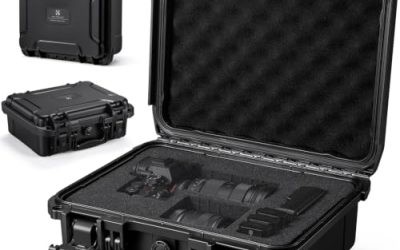
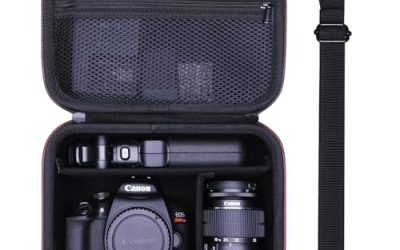
Set the dividers to the size of each item with a bit of space on all sides. Items should be snug but not jammed, because padding needs room to absorb a bump. Make sure lenses cannot slide into one another and that no glass faces glass directly.
Heavy items near your back
Place the body with a lens attached and the heaviest lens close to your spine. This keeps the bag from pulling backward on your shoulders and makes walking more comfortable. Lighter items such as filters and cleaning cloths sit toward the outside or in front pockets.
Keep quick-grab gear on top
The item you reach for most often, usually the main lens and body, should be reachable without unpacking everything. Keep rain covers and a spare battery in an outside pocket, so a weather change does not turn into a search mission.
Protect small and loose items
Put memory cards in a labeled card case, batteries in a pouch with the contacts covered, and cables in a small organizer. Loose items rattle against glass, so zip them away. A few silica packets in a pocket can help in humid places.
Packing Layout at a Glance
| Item | Where it goes | Reason |
|---|---|---|
| Camera body with lens | Main compartment, near back | Central weight and fast access |
| Spare lenses | Padded slots beside the body | Prevents contact and shifting |
| Batteries and cards | Zipped inner pocket | Keeps small items safe and findable |
| Rain cover | Outer pocket | Needed fast in sudden weather |
| Cleaning kit | Front pocket | Light and rarely used |
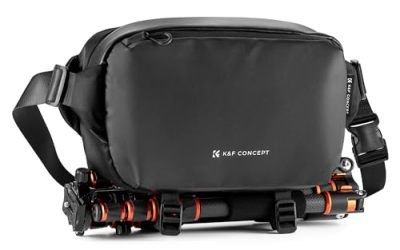
| Tripod or monopod | Side strap or separate bag | Bulky, long and awkward inside |
Handling Airports and Weather
Carry camera gear in your cabin bag, not checked luggage, since baggage handling is rough and theft or loss is costly. Check your airline’s carry-on size and weight rules before you fly, and be ready to take the camera out at security. Pack lens caps and body caps on every piece, and consider keeping a lens pouch in your jacket if the bag is tight.
In wet or dusty places, bring a rain cover and a small microfiber cloth. When moving from cold to warm environments, such as a snowy outdoor shoot to a heated cafe, let the bag sit closed for a while so condensation does not form on the lens. Pack a few resealable bags for gear that gets damp.
Before You Pack
- Charge every battery and format cards the night before.
- Clean lens front and rear elements and the sensor if you are able.
- Pack lens caps, body caps and the hood on each lens.
- Carry a second memory card in a different pocket.
- Photograph or list your serial numbers for insurance.
- Weigh the packed bag and trim if it feels heavy.
Sample Kits by Trip Type
City break: one body, a standard zoom, a small fast prime for evenings, two spare batteries, two cards, a lens cloth and a lightweight pocket tripod or no tripod at all. The goal is a bag you can wear for eight hours while wandering streets and cafes.
Hiking and landscape: a body, a wide-angle zoom, a mid-range zoom, a sturdy but light tripod, graduated or polarizing filters if you use them, a rain cover and plenty of batteries, since cold drains them faster. Put the tripod on the outside straps and keep the filter pouch in an easy pocket.
Beach or tropical: protective gear matters more than extra lenses. Pack a sealed pouch, silica gel, a microfiber cloth and a blower for sand, and keep the body in a bag when you are not shooting. Salt air and fine sand are hard on lens mounts and zoom barrels, so change lenses sparingly and only in sheltered spots.
Family trip: a single versatile zoom keeps things simple, along with a spare card and battery. Leave the heavy kit at the hotel and carry a small shoulder bag so you are not tempted to treat sightseeing as a photo assignment.
Security and Theft Tips
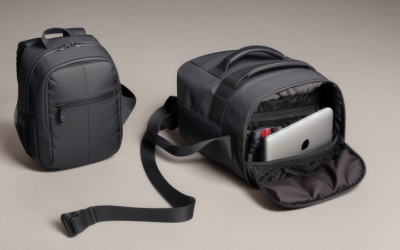
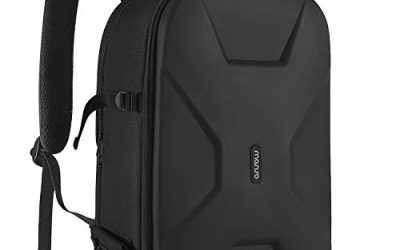
A camera bag that looks like a camera bag can attract attention. Choose a plain design or slip the insert into an ordinary backpack, and keep zippers facing your body in crowded places. Never leave the bag under a cafe chair or hanging on a seat back, and loop a strap around your leg or the chair when you sit down.
Keep a note of serial numbers and photos of your gear, and store backup copies of your images regularly, ideally on a separate drive or in cloud storage. If a bag is stolen or lost, a backup of the day’s pictures is often worth more than the camera itself. Do not store everything in one bag: carry spare cards and a small drive in another pocket.
Habits on the Ground
Repack at the end of each day. Wipe the lenses, empty the cards, recharge batteries and return each item to its slot, so tomorrow starts with a ready bag. Check zippers, straps and the bottom of the bag for wear, because a failing strap with a heavy lens inside can end a trip. Finally, adjust the load as you go; if you carried a lens for three days and never used it, leave it at the hotel.
Trim the Load Before You Leave
Do a dry run a few days before departure. Pack the bag completely, wear it for a half hour around the house and note where it digs in or feels unbalanced. Anything you reached for zero times in your last trip is a candidate to stay home. A lighter bag means you will keep it with you instead of leaving it at the hotel, and the best camera is the one that is actually on your shoulder when something worth shooting happens.
Finally, leave a little empty space. A bag crammed to its limit has no room for a jacket, a souvenir or the extra filter you decide to buy on the road, and forcing zippers shut puts stress on both the bag and the gear inside it.
Related guides
- How To Use A Tripod Properly For Sharper Photos
- How To Take Sharp Handheld Photos In Low Light
- How To Edit Photos In Lightroom As A Beginner
Frequently Asked Questions
How many lenses should I take on a trip?
Most travelers do well with one versatile zoom and perhaps one fast prime. Extra lenses add weight and often stay in the bag.
Should I put my camera in checked luggage?
Generally no. Keep it in your cabin bag so it stays with you and avoids rough handling.
Do I need a dedicated camera bag?
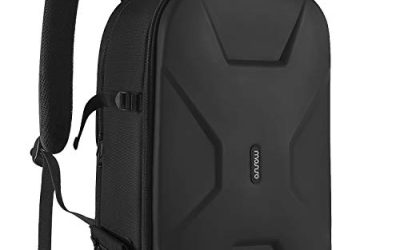
A padded insert inside a regular backpack can work, but a dedicated bag offers fitted dividers and quick access.
How do I prevent condensation on lenses?
Let the camera adapt gradually when moving between cold and warm environments, keeping it in its bag until temperatures even out.
More from Amazon
Programs that pair well with the guide above. Offers and eligibility are set by Amazon and may change.
Free shipping on eligible items, Prime Video and more. Eligible new members can start with a free trial.
Start a Prime free trialAudiobooks and podcasts to listen to on the go. Eligible new members can start with a free trial.
Try Audible freeAd-free music streaming. Eligible new subscribers can start with a free trial.
Try Music Unlimited freeA free business account with business pricing and bulk-buying tools for work, shop or home office.
Create a business accountAs an Amazon Associate we earn from qualifying purchases.