Our Short List of 3
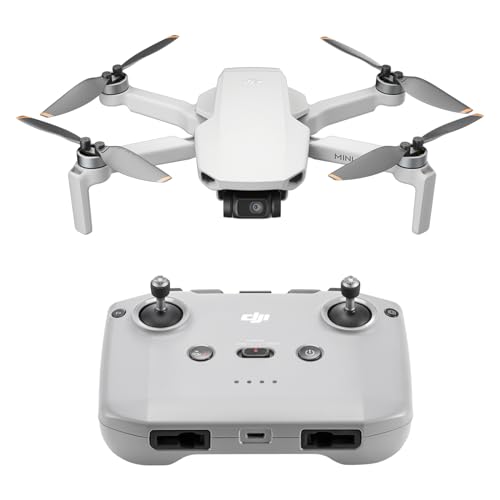
- Best for: Beginners who want publishable travel and family footage from day one.
- Takeoff weight: under 249 g
- Camera: 4K UHD video, 12 MP photos
- Stabilisation: 3-axis mechanical gimbal
- Max flight time: 31 minutes on the included battery

- Best for: Learners who want long practice sessions and GPS safety at an alternative-brand price tier.
- Takeoff weight: under 249 g
- Camera: 4K with ShakeVanish electronic image stabilisation
- Max flight time: 62 minutes across two batteries
- Transmission range: up to 4 km FPV

- Best for: Solo creators and active families who want follow-me footage without learning a transmitter first.
- Takeoff weight: 135 g
- Camera: 4K UHD video, 12 MP stills
- Control: palm takeoff and landing, mobile app control, no controller required
- Tracking: AI subject tracking with QuickShots modes
All 3 Picks at a Glance
| Product | Specs | Action |
|---|---|---|
| DJI Mini 4K |
| Check price on Amazon |
| Potensic ATOM SE |
| Check price on Amazon |
| DJI Neo Three-Battery Combo |
| Check price on Amazon |
Our Top Picks
A first drone has two jobs that often pull in opposite directions: it needs to be forgiving while you learn the sticks, and its camera needs to be good enough that the footage is worth keeping once you can fly straight. Cheap toy-grade models fail the second job, while flagship camera drones punish every beginner mistake at full replacement cost for a machine you might not even enjoy flying.
The four drones below sit in the sensible middle. Each one is a genuine camera drone sold as a beginner model, with stabilisation help, some form of automatic return or tracking, and a weight class that keeps the rules simple for recreational flying in the US, at prices that still leave room in the budget for spare batteries and blades.
Quick Picks
As an Amazon Associate we earn from qualifying purchases
| Product | Best for | Key spec from title |
|---|---|---|
| DJI Mini 4K | Best all-round first drone | 4K camera on a 3-axis gimbal, under 249 g |
| Potensic ATOM SE | Longest flying time per outing | 4K EIS camera, 62 minutes across two batteries |
| DJI Neo Three-Battery Combo | Filming yourself without a controller | 135 g, palm takeoff, AI subject tracking |
| Holy Stone HS440 | Learning the basics on a budget airframe | 1080P camera, auto hover, carrying case included |
How to Choose
Decide whether a gimbal matters more than simplicity
A mechanical 3-axis gimbal physically levels the camera, so video stays smooth when the drone tilts into the wind or changes direction. Electronic stabilisation crops and warps the image in software instead, which works in calm air but smears detail during sharp turns. If your goal is travel footage you will actually edit, a gimbal is the single feature most worth prioritising. If you mainly want to learn control inputs and shoot casual clips for friends, electronic stabilisation is acceptable and usually comes on lighter, simpler airframes that shrug off the bumps of early practice sessions.
Match the weight class to the rules you want to live with
In the United States, drones under 250 grams flown purely for recreation skip FAA registration and Remote ID requirements, which removes paperwork from your first season of flying. Every model in this roundup stays under that line, but they use the allowance differently: some weigh close to 249 grams and spend the budget on motors and battery, while the lightest options weigh barely half that and trade wind tolerance for portability. Check the exact takeoff weight on the listing before buying, because adding guards, filters or a larger battery can push a borderline drone over the threshold.
Treat flight time as batteries, not minutes on a box
A single battery rarely delivers its advertised minutes once wind, climbing and video recording take their share, so plan around total time in the air per outing. Kits with two or three batteries and a charging hub let you keep rotating packs while one recharges, which suits how beginners actually fly: short sorties, a landing to review footage, then back up. Also look at what a spare battery costs and whether the drone can charge from USB in a car, because a starter drone that sits in a drawer waiting for a wall outlet gets flown far less often.
Value crash tolerance and return features over raw range
New pilots lose orientation, misjudge distance and fly downwind further than planned. GPS return-to-home that triggers on low battery or signal loss turns those mistakes into a story instead of a lost drone, and it matters far more than a multi-kilometre transmission figure you should not be using while learning line-of-sight flying. Propeller guards, cheap replaceable blades and a frame that tolerates tip-overs protect your budget during the clumsy first month. Obstacle sensing helps, but on starter models it is often limited to downward sensors, so position it as a bonus rather than a safety guarantee.
The 4 Best Options
DJI Mini 4K
- Best for: Beginners who want publishable travel and family footage from day one.
- Takeoff weight: under 249 g
- Camera: 4K UHD video, 12 MP photos
- Stabilisation: 3-axis mechanical gimbal
- Max flight time: 31 minutes on the included battery
Beginners who want publishable travel and family footage from day one.
Only one battery is included, so most outings end after a single flight unless you add spares.
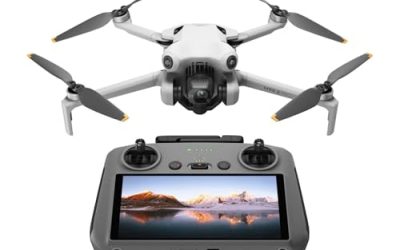
The DJI Mini 4K is the starter drone to pick if the camera matters as much as the flying. Its 3-axis gimbal keeps 4K footage level in conditions that would ruin electronically stabilised video, and GPS return-to-home, one-tap takeoff and stable hovering give a new pilot time to think instead of fighting drift. At under 249 grams it avoids FAA registration for recreational use, yet it still resists Level 5 winds, so a breezy afternoon does not have to end the session. The single battery is the main constraint, which makes a spare worth planning for from the start.
Potensic ATOM SE
- Best for: Learners who want long practice sessions and GPS safety at an alternative-brand price tier.
- Takeoff weight: under 249 g
- Camera: 4K with ShakeVanish electronic image stabilisation
- Max flight time: 62 minutes across two batteries
- Transmission range: up to 4 km FPV
Learners who want long practice sessions and GPS safety at an alternative-brand price tier.
Electronic stabilisation cannot match a gimbal in gusty wind, so keep early flights to calmer conditions.
The Potensic ATOM SE answers the flight-time problem directly by bundling two batteries for a combined 62 minutes, the longest outing in this group. It is a GPS drone with auto return, brushless motors and a top speed of 16 m/s, so it behaves like a shrunken version of a full-size camera drone rather than a toy. Its 4K camera relies on ShakeVanish electronic stabilisation instead of a gimbal, which keeps the airframe light and foldable under 249 grams. For learners who practise in open fields and want several attempts per trip, that trade will feel reasonable.
DJI Neo Three-Battery Combo
- Best for: Solo creators and active families who want follow-me footage without learning a transmitter first.
- Takeoff weight: 135 g
- Camera: 4K UHD video, 12 MP stills
- Control: palm takeoff and landing, mobile app control, no controller required
- Tracking: AI subject tracking with QuickShots modes
Solo creators and active families who want follow-me footage without learning a transmitter first.
There is no GPS-based long-range flying here, and the light frame is best kept out of strong wind.
The DJI Neo Three-Battery Combo removes the controller from the learning curve entirely. At 135 grams it launches from your palm at the press of a button, follows you using AI subject tracking, and flies preset QuickShots while you concentrate on riding, walking or playing rather than piloting. Full propeller guards are included, which makes it the most forgiving option here for indoor practice and close-quarters filming. This three-battery combo adds a two-way charging hub, so the short per-battery flights chain into a usable session. It is less a traditional drone and more an automatic camera that happens to fly.
Holy Stone HS440
The Holy Stone HS440 is the low-commitment way to find out whether drones are your hobby at all. It folds down small, weighs 166 grams, and leans on beginner aids such as auto hover, one-key takeoff and gesture control instead of GPS. The 1080P camera tilts 90 degrees from the remote and sends a live view to your phone, which is enough to learn framing and orientation without risking an expensive airframe. A carrying case and modular battery are included, so the whole kit travels in one bag. Expect a backyard trainer, not a travel camera, and it succeeds on those terms.
Specs
- Camera: 1080P HD, 112-degree wide-angle lens
- Camera adjustment: 90-degree tilt via remote or app
- Weight: 166 g
- Flight range: up to 330 feet
- Beginner features: auto hover, altitude hold, voice and gesture control
- Battery: modular pack, USB charging cable included
- In the box: remote controller, carrying case, spare propellers
Best for: First-time flyers and younger beginners who want a forgiving trainer before spending more.
Watch out for: Without GPS there is no automatic return, so fly it in calm weather and keep it close.
ASIN: B087TGVJYM
Which One Fits Your Situation
You want footage worth editing from your first trip
Choose the DJI Mini 4K. The gimbal-stabilised 4K camera is the difference between clips you delete and clips you keep, and GPS return protects the drone while your attention is on the shot. Add a second battery when you can, because one pack disappears quickly once you start repositioning for better angles.
You are filming yourself on rides, runs and hikes
Take the DJI Neo combo. Palm launch and subject tracking mean nobody has to stand behind a controller, and the guarded frame tolerates the low, close flying that follow shots involve. The three batteries in this combo fix its short individual flight times, keeping a full outing practical. It also lands back on your open palm, which removes the trickiest manoeuvre a beginner normally has to learn.
You plan long practice sessions in open spaces
The Potensic ATOM SE fits best. Two batteries, GPS return and brushless motors support repeated takeoffs, drills and longer flights away from home, while the foldable frame still packs down small and the hub keeps both packs charged between outings. Just schedule around wind, since electronic stabilisation shows its limits when gusts push the drone around.
You are buying for a younger or nervous beginner
Start with the Holy Stone HS440. Auto hover does the hardest part of early flying, the guarded, lightweight frame is less intimidating, and the included case keeps everything together. If the hobby sticks, the skills transfer directly to a GPS model later, and the HS440 remains a handy backyard spare.
Common Mistakes
- Buying on camera resolution alone and ignoring stabilisation, which is why so much beginner 4K footage ends up shaky and unusable.
- Flying the first battery to empty far from home instead of landing early and keeping a reserve for the return trip.
- Skipping the pre-flight check of propellers, battery seating and compass calibration because the drone worked fine yesterday.
- Practising in wind that exceeds the drone’s rating, then blaming the aircraft for drift it was never built to fight.
- Forgetting that sub-249 g status can change once guards, filters or bigger batteries are fitted, so the takeoff weight needs re-checking.
Frequently Asked Questions
Do I need to register a starter drone with the FAA?
If the drone weighs under 250 grams at takeoff and you fly purely for recreation, FAA registration and Remote ID are not required in the United States. All four drones here qualify as sold, but re-check the weight after adding accessories. Rules differ in other countries, so confirm local requirements before travelling with one.
How much flight time does a beginner actually need?
One battery of roughly twenty to thirty minutes is enough for a focused practice session, but most new pilots prefer two or three packs so a landing to review footage does not end the day. Think in total minutes per outing rather than the headline figure for a single battery, and remember that wind and cold shorten every flight.
Is a gimbal necessary on a first drone?
Only if the video itself is the point. A 3-axis gimbal produces noticeably smoother footage in wind and during turns, which matters for travel clips and anything you plan to edit. For learning controls, flying around the garden and shooting casual social clips, electronic stabilisation is fine and usually comes on cheaper, tougher airframes.
What should I do after a crash?
Power down, inspect every propeller for cracks or bends, and replace damaged blades before flying again rather than straightening them. Check that the camera and gimbal move freely, look for grit in the motors, and run a short low hover to confirm the drone holds position. Keeping spare propellers from the box in your bag turns most minor crashes into a two-minute pause.
More from Amazon
Programs that pair well with the guide above. Offers and eligibility are set by Amazon and may change.
Free shipping on eligible items, Prime Video and more. Eligible new members can start with a free trial.
Start a Prime free trialAudiobooks and podcasts to listen to on the go. Eligible new members can start with a free trial.
Try Audible freeAd-free music streaming. Eligible new subscribers can start with a free trial.
Try Music Unlimited freeA free business account with business pricing and bulk-buying tools for work, shop or home office.
Create a business accountAs an Amazon Associate we earn from qualifying purchases.