Key takeaways
- Sensor: 20MP-class Live MOS, Micro Four Thirds
- Mount: Micro Four Thirds, bundled M.Zuiko 14-42mm f/3.5-5.6 III (28–84mm equivalent)
- Sealing: compact body described as weather-sealed; OM SYSTEM’s published IP53 rating applies to the OM-D and OM-1 lines, not the PEN series
- Viewfinder: none — composition is via the rear screen
- Stabilisation: in-body 5-axis
- Battery: small BLS-class pack, roughly 350–370 frames by manufacturer figures
- Weight: about 340 g class, body only
The best mirrorless camera with weather sealing for most buyers in 2026 is the OM SYSTEM OM-1 Mark II. It is one of the few bodies in this roundup that carries a published IP53 dust- and splash-resistance rating rather than a vague “weather resistant” badge, and it sits inside a lens system where the majority of the useful zooms are gasketed at the mount as well. If you want full-frame image quality with dependable sealing and the widest upgrade path, the Sony Alpha a7 IV is the strongest all-rounder. If money is the constraint, the Panasonic Lumix G85 is still the cheapest route into a genuinely splash-resistant body with in-body stabilisation. Everything below is judged on the five things that actually decide whether a camera survives a wet hike: the sealing class the manufacturer publishes, whether the lenses you pair with it are sealed at the mount, how the grip behaves with cold or gloved hands, how the battery copes with low temperatures, and what the system costs you to keep alive over years of use.
Top 3 Picks
Best overall: OM SYSTEM OM-1 Mark II
The OM-1 Mark II is the only camera here that combines a formal IP53 rating with a stacked sensor, dual card slots and a lens range built for rain. It suits wildlife, travel and hiking photographers who shoot in the worst conditions and would rather carry less weight than fight a full-frame kit in a downpour.
Best budget: Panasonic Lumix G85
The G85 is the value pick because splash and dust resistance, in-body stabilisation and 4K video all arrive in a body that has been on the market long enough to be genuinely affordable. It is the right answer for a first sealed camera, a backup body, or anyone who wants weather protection without committing to a new lens system.
Best premium full-frame: Sony Alpha a7 IV
The a7 IV offers the best balance of sealing, autofocus, low-light quality and ecosystem depth in the full-frame premium tier. Buy it if you want one body for weddings, travel and outdoor work — but budget for a sealed lens, because the bundled 28-70mm kit zoom has no mount gasket.
Quick Comparison
| Product | Best for | Key specs and sealing | Price tier |
|---|---|---|---|
| OM SYSTEM Pen (Silver) with 14-42mm kit | Pocketable street and travel in drizzle | 20MP-class Micro Four Thirds, 5-axis IBIS, no viewfinder, ~340 g class body, kit zoom is not gasketed | Mid-range |
| Sony Alpha a7 IV with 28-70mm | Full-frame all-rounder for mixed outdoor work | 33MP full-frame, 5-axis IBIS, dual card slots, ~658 g, sealed body; bundled 28-70mm lens is not sealed | Premium |
| OM SYSTEM OM-5 Mark II with 14-150mm bundle | One-lens travel with real weather protection | 20MP-class Micro Four Thirds, IP53-rated OM-5 line body, 5-axis IBIS, ~415 g, 28-300mm equivalent superzoom | Mid-range |
| OM SYSTEM Pen Body (Black) | Compact creative-profile shooting and second body | 20MP-class Micro Four Thirds, 4K video, AI-assisted autofocus, in-body stabilisation, PEN-class sealing rather than IP-rated | Mid-range |
| Panasonic Lumix G85 body | Cheapest genuinely splash-resistant body | 16MP Micro Four Thirds, Dual I.S. 2.0, 4K video, 3-inch touch LCD, ~505 g, dust and splash resistant | Budget |
| Fujifilm X-T2 body only | Budget sealed body for dial-driven shooters | 24.3MP APS-C X-Trans, weather resistant, dual card slots, 4K video, ~507 g, discontinued so stock is used or remaining | Budget |
| OM SYSTEM Olympus OM-1 Mark II | Wildlife and harsh-weather work | 20MP stacked BSI Micro Four Thirds, IP53 rating, 1053-point cross-type AF, up to 8.5 stops stabilisation, dual slots, ~599 g | Premium |
| Nikon Z6II bundle | Full-frame low-light and video hybrid | 24.5MP full-frame BSI, 5-axis VR, dual card slots, 4K video, ~705 g, magnesium-alloy sealed body | Premium |
| Sony Alpha a6000 with 16-50mm | Entry-level kit if you add a rain cover | 24.3MP APS-C, 179-point phase AF, 1080p video, ~344 g, no published weather sealing | Mid-range |
| Reflex Camera universal rain cover | Emergency downpour protection for any body | Waterproof sleeve with drawstring lens and eyepiece openings and a clear viewing window | Budget |
| Nikon Z 7II with 24-120mm f/4 S | High-resolution premium travel kit | 45.7MP full-frame BSI, 5-axis VR, dual slots, ~705 g, sealed magnesium body paired with a sealed S-line zoom | Premium |
| Panasonic Lumix G Vario 12-60mm f/3.5-5.6 | Budget sealed zoom for Micro Four Thirds | 24-120mm equivalent, POWER O.I.S., dust and splash resistant, ~210 g | Budget |
How We Chose
This roundup is built from published manufacturer specifications, published sealing ratings and the practical realities of outdoor shooting — not from lab testing. Three filters decided what made the list. First, sealing documentation: bodies that state a recognised protection class, or that a manufacturer explicitly markets as dust- and splash-resistant, rank above bodies where sealing is a marketing adjective with no standard behind it. Second, the sealed chain: a weather-sealed body is only half the story, so each camera was assessed on whether the lenses most people will actually buy for it carry mount gaskets. Third, system fit — sensor size, weight, battery class, card configuration, grip size and the depth of the lens catalogue — mapped against three use cases: travel, wildlife and general outdoor photography.
We also weighed ownership over novelty. Bodies with long production runs, wide used-market availability and affordable first-party sealed zooms score higher than a slightly better sensor attached to a lens system you cannot afford to seal. Cameras and accessories are grouped by price tier rather than a dollar figure because listing prices move daily and vary by region, bundle and stock status. Where a product’s listing name makes a sealing claim that is broader than the manufacturer’s published rating, that gap is called out in the relevant section rather than repeated as fact.
1. OM SYSTEM Pen (Silver) with 14-42mm Kit – Best for Pocketable Street and Travel
As an Amazon Associate we earn from qualifying purchases at no extra cost to you.

This is the smallest, lightest way into the list. The PEN body with the M.Zuiko 14-42mm f/3.5-5.6 III zoom is aimed at photographers who want a camera that lives in a jacket pocket or a small sling, shoots pleasing colour straight out of camera, and does not look like a professional kit when you are walking through a city. The listing describes the body as compact and weather-sealed with creative profile control, and that description is accurate in spirit — but the sealing claim deserves a careful reading before you buy it as a rain camera.
Key specs
- Sensor: 20MP-class Live MOS, Micro Four Thirds
- Mount: Micro Four Thirds, bundled M.Zuiko 14-42mm f/3.5-5.6 III (28–84mm equivalent)
- Sealing: compact body described as weather-sealed; OM SYSTEM’s published IP53 rating applies to the OM-D and OM-1 lines, not the PEN series
- Viewfinder: none — composition is via the rear screen
- Stabilisation: in-body 5-axis
- Battery: small BLS-class pack, roughly 350–370 frames by manufacturer figures
- Weight: about 340 g class, body only
What it does well
The size is the point. A body in this class plus the collapsible kit zoom is a package you can carry all day without noticing it, and the in-body stabilisation means handheld shots at dusk are realistic in a way they simply are not with a smaller sensor and no IBIS. The creative profile control is genuinely useful for travel: you can dial in a specific colour or monochrome look and shoot JPEGs that need no editing, which matters when you are posting from a train or a café rather than sitting at a desk.
The 14-42mm kit zoom covers the focal lengths most travel photographs actually use, and because it is a Micro Four Thirds mount, the same body can take a sealed 12-60mm or a sealed prime later if you decide you want a proper weather-sealed chain. That upgrade path is the strongest argument for buying into this mount at the small end of the range.
Where it falls short
The honest limitation is the sealing itself. PEN-class bodies are not rated to the IP standard that OM SYSTEM publishes for its OM-D bodies, and the bundled 14-42mm zoom has no mount gasket. That means the seal on day one is partial: the body may shrug off drizzle and dust, but the lens mount is an open door. There is also no electronic viewfinder, which is a real handicap in bright sun and a bigger one in rain, where you cannot easily keep a rear screen dry and readable at the same time. Battery life is modest by modern standards, and the small grip is comfortable for small lenses but not for anything long.
Pros
- Genuinely pocketable body-plus-zoom package
- In-body stabilisation at this size is unusual and valuable
- Creative profile control produces usable JPEGs with no editing
- Micro Four Thirds mount opens the door to properly sealed lenses later
Cons
- PEN-class sealing is lighter duty than the IP-rated OM-D bodies
- Bundled 14-42mm lens has no mount gasket
- No viewfinder, which hurts in bright or wet conditions
- Small grip limits comfort with longer lenses
How it compares
Against the OM SYSTEM Pen Body in black, the difference is the lens and the colour, not the capability — the black body-only version gives you the same platform and lets you choose a sealed zoom from the start, which is the smarter move if weather protection is the priority. Against the OM-5 Mark II bundle, the PEN is smaller and cheaper but gives up the IP-rated body and the viewfinder. If you want a sealed camera you can actually rely on in sustained rain, step up to the OM-5 Mark II; if you want the smallest possible camera for city travel in light weather, this is the one.
2. Sony Alpha a7 IV with 28-70mm Lens – Best Full-Frame All-Rounder

The a7 IV is the default recommendation for anyone who wants one full-frame body that can handle a wedding on Saturday and a wet hill walk on Sunday. It sits in the premium tier and it earns that position with a 33MP sensor, a mature autofocus system and the deepest third-party lens ecosystem of any mirrorless mount. It suits photographers who are past their first camera, know they will buy more glass, and want the sealing to be good enough that weather stops being the reason they leave the camera at home.
Key specs
- Sensor: 33MP full-frame back-illuminated CMOS
- Mount: Sony E, bundled FE 28-70mm f/3.5-5.6 zoom
- Sealing: sealed body with revised sealing around the card door, battery compartment and port covers; the bundled 28-70mm lens has no mount gasket
- Stabilisation: in-body 5-axis
- Viewfinder: high-resolution electronic viewfinder plus a side-flip touchscreen
- Card slots: two, mixed formats
- Battery: large NP-FZ100-class pack, roughly 580 frames by manufacturer figures
- Weight: about 658 g with battery and card
What it does well
Autofocus is the headline for outdoor work. Subject recognition tracks people, animals and birds well enough that wildlife and event shooters can concentrate on framing rather than fighting the camera, and the full-frame sensor gives you roughly a stop of low-light headroom over the APS-C and Micro Four Thirds bodies here. In practical terms, that is the difference between a usable ISO 6400 frame and a smeared one when you are shooting under a forest canopy at dusk.
The battery is the other quiet advantage. A pack in this class rated at roughly 580 frames means a full day of hiking without a spare, and because the body charges over USB, a power bank in your pack tops it up between locations. The grip is deep enough for gloved hands, the port covers are recessed rather than flush, and the card door has a proper latch rather than a sliding flap — small details that matter more than any single specification when you are standing in sideways rain.
Where it falls short
The bundled 28-70mm zoom is the weak link. It has no mount gasket, so buying the kit and calling it a weather-sealed setup is a mistake — you would be sealing the body and leaving the mount exposed. A sealed standard zoom is effectively part of the purchase price if rain is a real consideration. The body is also noticeably heavier than any Micro Four Thirds option here, which adds up over a long day, and the full-frame lens system is the most expensive of the three mounts to build out in sealed glass.
Pros
- Excellent autofocus with subject recognition for people and animals
- Strong low-light performance from the full-frame sensor
- Large battery and USB charging suit multi-day trips
- Widest lens ecosystem of any mount, including sealed third-party zooms
Cons
- Kit lens is not sealed, so the chain is incomplete out of the box
- Heavier and bulkier than the Micro Four Thirds alternatives
- Sealed full-frame zooms push the total cost into a higher tier
- Sealing is good but not published as a formal IP class
How it compares
Against the Nikon Z6II, the a7 IV gives you more resolution, better subject-tracking autofocus and a broader lens catalogue, at the cost of a slightly higher entry price and a body that feels less tank-like in the hand. Against the Nikon Z 7II with the 24-120mm f/4 S, the Sony has the autofocus advantage while the Nikon kit delivers a sealed lens in the box and more resolution. Against the OM-1 Mark II, the Sony wins on image quality and loses on sealing documentation, weight and price. If your priority is surviving weather rather than maximum image quality, the OM-1 Mark II is the better tool; if it is one body for everything, this is it.
3. OM SYSTEM OM-5 Mark II with 14-150mm Lens Bundle – Best One-Lens Travel Kit

This bundle is the most sensible single purchase on the list for a traveller who wants weather protection without carrying a bag of lenses. The OM-5 line carries an IP53 rating from OM SYSTEM, which is a published standard rather than a marketing phrase, and the bundled 14-150mm superzoom covers a 28–300mm equivalent range — wide enough for landscapes, long enough for distant wildlife and compressed street scenes. It suits hikers, travellers and anyone who wants to leave the house with one body and one lens.
Key specs
- Sensor: 20MP-class Live MOS, Micro Four Thirds
- Mount: Micro Four Thirds, bundled 14-150mm superzoom (28–300mm equivalent)
- Sealing: OM-5 line body carries an IP53 dust- and splash-resistance rating; check the sealing claim of the specific superzoom version in the bundle, as this zoom has shipped in more than one variant
- Stabilisation: in-body 5-axis, with sync stabilisation when paired with compatible lenses
- Viewfinder: electronic viewfinder plus a vari-angle touchscreen
- Battery: small BLS-class pack, roughly 310 frames by manufacturer figures
- Weight: about 415 g with battery and card, body only
What it does well
IP53 is the reason to buy this camera. It means the body is dust-protected and protected against water sprayed from a nozzle — not submersible, but genuinely rated for the kind of rain and sea spray that ends most photography days. Combined with a 415 g body and a superzoom that replaces three lenses, you get a complete travel kit that weighs less than some full-frame bodies alone. The in-body stabilisation is strong enough that the long end of the superzoom is usable handheld at dusk, and the sync stabilisation with compatible lenses adds a further step.
The focal range is the practical win. A 28–300mm equivalent in a single lens means you never swap glass in bad weather, which removes the single biggest risk to a camera in the field: an open mount under a wet sky. Fewer lens changes also means less dust on the sensor over the life of the camera. The vari-angle screen is useful for low-angle landscape work, and the electronic viewfinder means you can shoot with the camera to your eye and your glasses on in rain.
Where it falls short
The small sensor shows its limits in low light. At ISO 3200 and above the files need noise reduction, and the shallow depth of field that full-frame shooters take for granted is simply not available — you get more of the scene in focus, which is often an advantage and occasionally a frustration. Battery life in this class is around 310 frames, so a long day needs one or two spares; they are small and cheap, which softens the blow. The superzoom is also a compromise optically: it is convenient and sharp enough, but a pair of shorter sealed zooms will out-resolve it.
Pros
- Published IP53 rating on the body, not a vague claim
- One lens covers 28–300mm equivalent, eliminating swaps in rain
- Very light for a full sealed travel kit
- Strong in-body stabilisation makes the long end handheld-friendly
Cons
- Micro Four Thirds low-light performance trails full-frame
- Roughly 310-frame battery life requires spares on long days
- Superzoom optics are convenient rather than outstanding
- Verify the sealing variant of the bundled lens before relying on it in heavy rain
How it compares
Against the OM-1 Mark II, this is the lighter, cheaper body with the same IP53 claim and the same mount, giving up the stacked sensor, the cross-type autofocus array and the dual card slots. Against the PEN Silver kit, it is bigger and more expensive but delivers the rated sealing and a viewfinder. Against the Nikon Z 7II with the 24-120mm f/4 S, the OM-5 Mark II bundle is far lighter and cheaper but gives up resolution and low-light quality. For a traveller who values a light bag and rain-proof confidence over absolute image quality, this is the pick.
4. OM SYSTEM Pen Body (Black) – Best Compact Creative Body

The black PEN body is the same compact platform as the silver kit, sold without a lens so you can pair it with something sealed. The listing highlights 4K video, AI-assisted autofocus and the creative profile system. It suits photographers who want a small second body, shoot JPEGs with a distinctive look, and are willing to choose their own glass rather than accept a kit zoom.
Key specs
- Sensor: 20MP-class Live MOS, Micro Four Thirds
- Mount: Micro Four Thirds, body only — lens not included
- Sealing: compact weather-sealed body in the PEN class; not rated to the IP53 standard OM SYSTEM publishes for OM-D bodies
- Video: 4K capture
- Autofocus: AI-assisted subject detection
- Stabilisation: in-body 5-axis
- Weight: about 340 g class, body only
What it does well
Buying body-only is the smart version of this camera, because it lets you put a sealed zoom on the front and complete the weather-sealed chain from day one. Pair it with the Panasonic Lumix G Vario 12-60mm f/3.5-5.6 — a dust- and splash-resistant Micro Four Thirds zoom — and you have a genuinely rain-tolerant compact kit for a fraction of the weight of any full-frame equivalent. The creative profile system remains the standout feature: colour and monochrome looks are selectable in-camera, so the JPEGs that come out are the photographs, not a starting point.
The 4K video and AI-assisted autofocus make it more versatile than its size suggests. It is not a video-first camera, but for travel clips, short interviews and social output it is entirely adequate, and the stabilisation keeps handheld footage watchable. As a second body alongside an OM-1 or OM-5, it also gives you a backup that shares batteries, lenses and menus.
Where it falls short
The PEN class is where this camera’s weaknesses cluster. There is no viewfinder, which is the single biggest ergonomic compromise; in bright light the screen becomes hard to read, and in rain you cannot keep it both dry and visible. Sealing is lighter duty than the OM-D line, so this is a drizzle camera rather than a storm camera. The small grip is fine with compact zooms and poor with anything long or heavy, and the battery is small enough that a spare is not optional on a full day.
Pros
- Body-only purchase lets you complete a sealed chain immediately
- Very light and genuinely pocketable with a compact zoom
- Creative profile system produces finished-looking JPEGs
- Shares lenses and batteries with other Micro Four Thirds bodies
Cons
- No electronic viewfinder
- PEN-class sealing is not IP-rated
- Small grip limits use with long lenses
- Small battery means carrying spares
How it compares
Against the silver PEN kit, the black body is the better buy for anyone who cares about weather sealing, because you are not paying for a lens you will immediately want to replace. Against the OM-5 Mark II, it is smaller and lighter but gives up the IP rating and the viewfinder — a fair trade only if portability outweighs rain confidence. Against the Sony a6000 kit, it offers in-body stabilisation and a shorter flange-distance mount that accepts more compact sealed zooms, though the a6000 has the larger sensor and better autofocus tracking.
5. Panasonic Lumix G85 Body – Best Budget Sealed Body

The G85 is the answer to the question “what is the cheapest camera I can take into the rain without wrapping it in plastic?” It is dust and splash resistant, has in-body Dual I.S. 2.0 stabilisation, shoots 4K and uses the Micro Four Thirds mount, which means sealed lenses are available at reasonable prices. It suits beginners, hikers on a tight budget, and anyone who wants a dependable second body that shares lenses with a Micro Four Thirds system.
Key specs
- Sensor: 16MP Micro Four Thirds, no optical low-pass filter
- Mount: Micro Four Thirds
- Sealing: dust and splash resistant body
- Stabilisation: in-body Dual I.S. 2.0, combining body and lens stabilisation with compatible lenses
- Viewfinder: OLED electronic viewfinder plus a 3-inch touchscreen
- Video: 4K capture
- Battery: mid-size pack, roughly 320 frames by manufacturer figures
- Weight: about 505 g with battery and card
What it does well
The value is hard to argue with. Splash and dust resistance, effective stabilisation, a proper electronic viewfinder and 4K video in one body makes the G85 a complete camera rather than a compromise. The stabilisation is the standout: Dual I.S. 2.0 combines sensor shift with lens-based stabilisation on compatible optics, which makes handheld shots at slow shutter speeds realistic and transforms the experience of shooting in dim forest light or at the end of a hiking day when you are too tired to hold steady.
The grip deserves a mention. It is deep and moulded, which matters more than specifications when you are wearing gloves or your hands are cold and wet. The controls are physical and easy to find by feel, and the articulating screen is useful for low and awkward angles. Because it is a Micro Four Thirds body, you can pair it with the Lumix G Vario 12-60mm f/3.5-5.6 — a dust- and splash-resistant zoom — and have a fully sealed, stabilised kit for a budget-tier outlay.
Where it falls short
The 16MP sensor is the limitation. It is perfectly adequate for prints, web use and most travel photography, but it leaves less room to crop than the 20MP and 24MP bodies here, and high-ISO performance trails the newer sensors. Autofocus is contrast-detect based, which is fine for landscapes, portraits and slow-moving subjects but noticeably behind the phase-detect systems for birds in flight or fast sport. The single card slot is a minor concern for paid work. Video autofocus is also less reliable than the current generation, so manual focus is often the better choice for moving subjects.
Pros
- Splash and dust resistance at a budget-tier price
- Effective Dual I.S. 2.0 stabilisation
- Comfortable, deep grip that works with gloves
- 4K video and a good electronic viewfinder in the same body
Cons
- 16MP sensor limits cropping headroom
- Contrast-detect autofocus struggles with fast action
- Single card slot
- Older video autofocus behaviour
How it compares
Against the Fujifilm X-T2, the G85 gives up sensor size and resolution but gains in-body stabilisation, a fully articulating screen and better video ergonomics — and for handheld shooting in poor light, stabilisation usually matters more than megapixels. Against the OM-5 Mark II, the G85 is cheaper and has a bigger grip, but gives up the IP53 rating, the newer sensor and the stronger autofocus. Against the a6000, the G85 has actual weather sealing and stabilisation; the a6000 has neither. For a first sealed camera, this is the value pick.
6. Fujifilm X-T2 Body Only – Best Budget Sealed Body for Manual Shooters
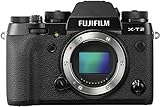
The X-T2 is a weather-resistant APS-C body with traditional exposure dials, a 24.3MP X-Trans sensor and dual card slots. It suits photographers who like physical controls, shoot a lot of JPEGs with Fujifilm’s film simulations, and want a larger sensor than Micro Four Thirds without paying full-frame prices. It is a discontinued model, so expect used or remaining stock rather than a current-production purchase.
Key specs
- Sensor: 24.3MP APS-C X-Trans CMOS
- Mount: Fujifilm X
- Sealing: weather resistant body
- Autofocus: phase-detect hybrid system
- Video: 4K capture
- Card slots: two
- Battery: NP-W126S-class pack, roughly 340 frames by manufacturer figures
- Weight: about 507 g with battery and card
What it does well
The control layout is the reason people still seek this camera out. Shutter speed, ISO and exposure compensation have their own dials, so you can read your settings without turning the camera on and change them without diving into menus — a genuine advantage in rain, when you want your hands out of the weather as fast as possible. The APS-C sensor sits between Micro Four Thirds and full-frame for low-light performance and depth of field control, and it gives more cropping room than the 16MP and 20MP bodies in this list.
The film simulations are not a gimmick for outdoor work. Being able to shoot JPEGs with a look you like means less time at a computer and less risk of losing images to a card failure, and the dual card slots let you back up in the field. Weather resistance plus a sealed Fujifilm zoom gives a genuinely rain-capable kit, and the X-mount has a good range of sealed lenses including the well-regarded f/2.8 and f/4 zoom line.
Where it falls short
There is no in-body stabilisation, which is the biggest gap. Every other body in this roundup has it, and without it you are relying on optical stabilisation in the lens, which not all Fujifilm primes offer. For handheld shooting in low light that is a real limitation, and it pushes you toward faster, heavier, more expensive glass. The autofocus is a generation or two behind current systems, so continuous tracking of birds and fast sport is a challenge. Battery life in the region of 340 frames is average at best, and the video features are dated. Being discontinued also means no warranty support in some regions and a narrower path to repairs.
Pros
- Weather-resistant body with a larger APS-C sensor
- Dedicated dials make settings changes fast in bad weather
- Dual card slots for in-field backup
- Strong JPEG colour straight out of camera
Cons
- No in-body stabilisation
- Autofocus trails current-generation bodies
- Discontinued, so stock and support are limited
- Average battery life
How it compares
Against the Panasonic Lumix G85, the X-T2 offers a bigger sensor, more resolution and better dial ergonomics, but loses in-body stabilisation, which for handheld outdoor work is a significant trade. Against the OM SYSTEM OM-5 Mark II, it has the larger sensor but gives up the IP53 rating, the stabilisation and the autofocus sophistication. Against the Sony a6000, it is better in almost every respect that matters outdoors — weather resistance, dual cards, dials — for a similar budget-tier outlay. If you want the biggest sensor for the least money and you can live without stabilisation, this is a strong used-market buy.
7. OM SYSTEM Olympus OM-1 Mark II – Best for Wildlife and Harsh Weather

The OM-1 Mark II is the most weather-capable camera in this roundup. It carries an IP53 rating, uses a stacked back-illuminated sensor for fast readout, and pairs with a lens range where sealed optics are the norm rather than the exception. It suits wildlife photographers, hikers, sea kayakers and anyone whose shooting conditions are the reason they are buying a camera rather than the excuse.
Key specs
- Sensor: 20MP stacked back-illuminated Live MOS, Micro Four Thirds
- Mount: Micro Four Thirds
- Sealing: IP53 dust and splash resistance rating
- Autofocus: 1053-point cross-type array with subject detection
- Stabilisation: in-body 5-axis, up to 8.5 stops with compatible lenses
- Video: 4K capture
- Card slots: two
- Battery: large BLX-class pack, roughly 520 frames by manufacturer figures
- Weight: about 599 g with battery and card
What it does well
The IP53 rating is the differentiator, and it is worth understanding what it means. The first digit, 5, means dust-protected — not dust-tight, but enough that dust ingress will not interfere with operation. The second digit, 3, means protection against water sprayed at up to 60 degrees from vertical. That is not a licence to submerge the camera, but it is a rated, tested claim that covers heavy rain, sea spray and the inside of a wet rucksack. No other body here publishes an equivalent rating.
The stacked sensor and cross-type autofocus array make this the best action camera in the list. Fast readout means minimal rolling shutter and blackout-free burst shooting, and the cross-type points lock onto subjects in both horizontal and vertical orientations, which matters for birds and animals moving unpredictably. The stabilisation, rated up to 8.5 stops with compatible lenses, lets you shoot handheld at shutter speeds that would otherwise require a tripod — invaluable when setting up a tripod in a bog is not an option.