Key takeaways
- Find the best lenses for Fujifilm X-T2, from a compact all-round zoom to fast primes and long wildlife glass, with 1.5x crop notes for every pick.
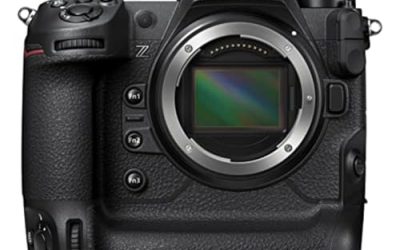
The Fujifilm X-T2 remains a capable companion for photographers who love dials, film simulations, and a compact body that feels at home on the street, on a trail, or in a studio. Its 24.3 megapixel APS-C sensor rewards good glass, and its dual card slots, weather sealing, and 4K video make it a body worth building a thoughtful lens kit around.
Every lens below mounts directly on the Fujifilm X mount and covers the APS-C image circle of the X-T2. Because the sensor carries a 1.5x crop factor, a 23mm lens frames like a 35mm lens on a full-frame body, a 33mm lens frames like a 50mm lens, and a 100mm lens frames like a 150mm lens. Keep that conversion in mind as you read each pick, and think in terms of the field of view you want, not only the number printed on the barrel.
As an Amazon Associate, we earn from qualifying purchases.
How to Choose a Lens for the Fujifilm X-T2
Begin with the subjects you photograph most often. A travel shooter needs one flexible zoom that covers wide scenes and distant detail without constant lens changes. A portrait shooter needs a bright aperture and a flattering focal length. A wildlife shooter needs reach above all else, plus stabilization that keeps long focal lengths usable handheld. A video shooter needs quiet autofocus, minimal focus breathing, and a steady aperture through the zoom range.
Weight matters more than many buyers expect. The X-T2 body is light and well balanced, and a heavy lens can shift the whole feel of the camera in your hands. A compact prime keeps the kit discreet for street work and daily carry, while a large telephoto zoom belongs on a monopod or a sturdy tripod for long sessions. Check the filter size, too, because sharing filters across lenses saves space in a bag and avoids duplicate accessories.
Weather sealing is another useful filter for your shortlist. The X-T2 body is sealed against dust and moisture, so a sealed lens lets you keep shooting in drizzle, dust, and cold without worrying about the mount. Unsealed lenses still produce fine images, but they ask for more care when conditions turn rough.
Autofocus behaviour deserves attention as well. Modern stepping motors focus quietly and smoothly, which helps video as much as stills. Older micromotor designs can be slower and noisier, though they often deliver lovely image character at a lower weight. If you shoot moving subjects, favour lenses with a linear motor and fast acquisition. If you shoot landscapes and architecture from a tripod, manual focus aids and a marked aperture ring may matter more than sheer autofocus speed.
Finally, think about the 1.5x crop factor as a creative tool. Wide lenses become normal lenses, normal lenses become short telephotos, and telephoto lenses become super telephotos. That shift is a gift for wildlife and portrait work, and a gentle warning for interiors and architecture, where you may need a genuinely wide lens to fit a room into the frame.
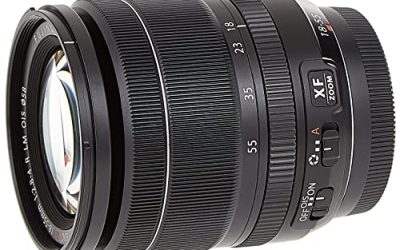
1. Fujifilm XF 18-135mm f/3.5-5.6 R LM OIS WR

The XF 18-135mm is the one-lens answer for an X-T2 owner who wants to travel light and still cover almost every scene. On the X-T2 it frames like a 27-206mm lens, moving from a useful wide angle for streets and landscapes to a genuine telephoto for distant detail, portraits, and events. That range means fewer lens changes in dusty or damp places, and fewer missed moments while swapping glass.
Its linear motor focuses quickly and quietly, which suits both stills and video. Optical stabilization compensates for camera shake at longer focal lengths, so handheld shooting at dusk or indoors stays practical. Weather sealing matches the X-T2 body, and the lens feels solid without becoming a burden on a long walk. Image quality holds up well across the range, with the strongest results in the middle of the zoom and at moderate apertures.
This is the lens to choose when you want one zoom that does the work of three. It suits travel, family outings, hiking, and general documentary work, and it pairs naturally with a single fast prime for low light. If you own only one lens for your X-T2, make it this one, and add a specialist prime later when a particular subject calls for it.
Specs: Focal length 18-135mm (27-206mm equivalent); aperture f/3.5-5.6; mount Fujifilm X, APS-C; optical stabilization, 5 stops; weather sealed; linear motor autofocus; minimum focus 0.45m; filter 67mm; weight 490g.
2. Viltrox AF 23mm f/1.4 XF

The Viltrox 23mm f/1.4 is a bright, compact prime that turns the X-T2 into a discreet street and documentary camera. Its 35mm equivalent field of view is wide enough for environmental portraits, interiors, and city scenes, yet tight enough to keep backgrounds from becoming clutter. The f/1.4 aperture gathers ample light for evening streets, dim cafes, and indoor gatherings, and it gives a soft background blur that separates a subject from a busy scene.
Autofocus uses a stepping motor, so focus moves quietly and smoothly, a welcome trait for video. The lens is light at around 260g, and its 52mm filter thread keeps accessories small and affordable. Build quality feels reassuring for a third-party prime, with a metal mount and a smooth focus ring for manual adjustments. Colours render warm and lively, and contrast stays strong even when shooting wide open.
Choose this prime when you want a fast, everyday lens that stays on the camera. It suits street photography, travel, food, and casual portraits, and it balances beautifully on the X-T2 without tipping the body forward. Pair it with the 18-135mm zoom and you have a two-lens kit that covers wide, normal, and telephoto work with little overlap.
Specs: Focal length 23mm (35mm equivalent); aperture f/1.4-16; mount Fujifilm X, APS-C; stepping motor autofocus; 11 elements in 9 groups; minimum focus 0.30m; filter 52mm; weight about 260g.
3. Viltrox AF 33mm f/1.4 XF
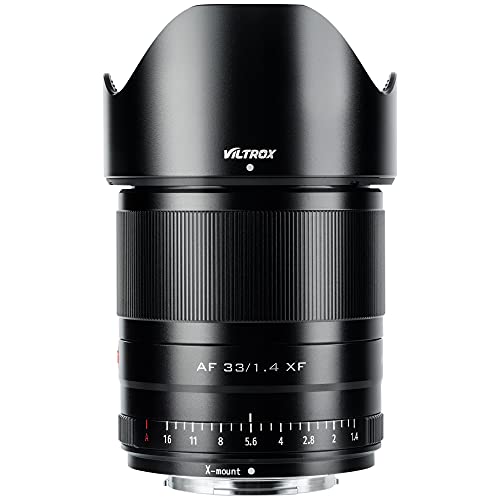
The Viltrox 33mm f/1.4 gives the X-T2 a classic normal field of view, framing like a 50mm lens on a full-frame body. That perspective matches the way the human eye sees a scene, which makes it a natural choice for portraits, still life, and everyday photography. Subjects sit comfortably in the frame without the distortion of a wide lens or the compression of a long telephoto.
Its f/1.4 aperture is the headline feature. It lets you shoot in low light without pushing sensitivity to extremes, and it creates a gentle background blur that flatters faces and isolates small subjects. Autofocus is driven by a stepping motor, so it stays quiet enough for video and for quiet rooms. The lens is compact for its speed, and its 52mm filter thread matches the 23mm Viltrox above, so one set of filters serves both primes.
This prime suits photographers who want one fast lens for people and daily life. It is at home at a wedding, a market, a family gathering, or a portrait session in open shade. If you prefer a single focal length that forces you to move your feet and think about composition, the 33mm is a fine teacher and a reliable companion.
Specs: Focal length 33mm (50mm equivalent); aperture f/1.4-16; mount Fujifilm X, APS-C; stepping motor autofocus; minimum focus 0.40m; filter 52mm; weight about 270g.
4. Fujifilm XF 100-400mm f/4.5-5.6 R LM OIS WR

The XF 100-400mm is the wildlife and sports lens in this guide, and it makes the most of the X-T2 crop factor. On this body it frames like a 152-609mm lens, bringing distant birds, athletes, and landscapes within reach without a teleconverter. Its linear motor focuses fast enough to track moving subjects, and optical stabilization helps keep the long end steady when shooting handheld from a hide or a sideline.
Weather sealing matches the X-T2, so rain and dust are less of a concern during field work. The zoom ring turns smoothly, and the lens accepts Fujifilm teleconverters for even greater reach when light allows. At 1375g it is the heaviest lens here, so a monopod or a supportive strap helps on long days, but it remains handholdable for short bursts.
Pick this zoom when wildlife, birds, airshows, or field sports are your main subjects. It also works for distant landscapes and compressed scenic views, where a long focal length stacks layers of hills and trees into a pleasing frame. For an X-T2 owner who already owns a standard zoom, this is the most rewarding next lens.
Specs: Focal length 100-400mm (152-609mm equivalent); aperture f/4.5-5.6; mount Fujifilm X, APS-C; optical stabilization, 5 stops; weather sealed; linear motor autofocus; minimum focus 1.75m; filter 77mm; weight 1375g; teleconverter compatible.
5. Fujifilm XF 150-600mm f/5.6-8 R LM OIS WR

The XF 150-600mm is the longest reach in this guide, framing like a 229-914mm lens on the X-T2. That reach turns shy wildlife, distant surfers, and far-off aircraft into frame-filling subjects. Its internal zoom design keeps the barrel length constant while zooming, which helps balance on a gimbal or a tripod head and keeps the lens steady when tracking a moving animal.
Optical stabilization provides up to 5 stops of correction, a valuable aid at 600mm, where even small movements show up in the frame. The linear motor focuses quickly, and the lens works with Fujifilm teleconverters for extreme reach in bright light. Weather sealing protects the barrel in field conditions, and the focus limiter helps the lens lock onto distant subjects without hunting through the near range.
This lens is a specialist, and it asks for good technique. Use a fast shutter speed and brace the lens against a solid support, because the f/5.6-8 aperture needs generous illumination for the best results. Choose it when maximum reach is the goal and you are willing to carry the weight to get it.
Specs: Focal length 150-600mm (229-914mm equivalent); aperture f/5.6-8; mount Fujifilm X, APS-C; optical stabilization, 5 stops; weather sealed; linear motor autofocus; internal zoom; minimum focus 2.4m; filter 82mm; weight 1605g; teleconverter compatible.
Which Lens Should You Buy First?
If you can buy only one lens, buy the XF 18-135mm. Its range covers travel, family, landscape, and events, and its stabilization and weather sealing match the X-T2 body. Add the Viltrox 23mm f/1.4 next for low light and street work, then the Viltrox 33mm f/1.4 when portraits become a regular subject.
Wildlife photographers should reverse that order. Buy the XF 100-400mm first, because reach is the limiting factor for birds and field sports, and no standard zoom can substitute for it. Add the XF 150-600mm only when you regularly find 400mm too short, and you are ready to carry a larger lens and work with longer shutter discipline.
Video shooters should favour the zooms with linear motors and steady apertures, and the primes with stepping motors, because quiet focus and smooth transitions matter more on a clip than on a still frame. The X-T2 records 4K video, so pair it with stabilized glass and a fluid head when you plan longer takes.
Frequently Asked Questions
Are these lenses compatible with the Fujifilm X-T2?
Yes. Every lens in this guide uses the Fujifilm X mount and covers the APS-C sensor of the X-T2. They mount directly with no adapter, and autofocus, aperture control, and image stabilization work through the camera body as designed.
What does the 1.5x crop factor mean for these lenses?
The crop factor describes the field of view compared with a full-frame body. Multiply the focal length by 1.5 to find the equivalent view. A 23mm lens frames like a 35mm lens, a 33mm lens frames like a 50mm lens, and a 100-400mm zoom frames like a 152-609mm zoom.
Which lens is best for portraits on the X-T2?
The Viltrox 33mm f/1.4 is the most direct portrait choice here, because its 50mm equivalent view flatters faces and its bright aperture softens backgrounds. The Viltrox 23mm f/1.4 also works well for environmental portraits that include the setting around a person.
Which lens is best for wildlife on the X-T2?
The XF 100-400mm is the best balanced wildlife choice, offering long reach, fast autofocus, stabilization, and weather sealing in a handholdable package. The XF 150-600mm goes further still, and suits photographers who need maximum reach and accept a heavier lens.
Final Thoughts
The X-T2 rewards a small, purposeful kit rather than a large collection. A flexible zoom for travel, a fast prime for people and low light, and a long zoom for wildlife cover almost every subject a photographer meets. Begin with the lens that matches your most frequent subject, learn its strengths, and add the next lens only when a clear gap appears in your work. With the right glass in front of its 24.3 megapixel sensor, the X-T2 still delivers images with colour, detail, and character that belie its age.
More from Amazon
Programs that pair well with the guide above. Offers and eligibility are set by Amazon and may change.
Free shipping on eligible items, Prime Video and more. Eligible new members can start with a free trial.
Start a Prime free trialAudiobooks and podcasts to listen to on the go. Eligible new members can start with a free trial.
Try Audible freeAd-free music streaming. Eligible new subscribers can start with a free trial.
Try Music Unlimited freeA free business account with business pricing and bulk-buying tools for work, shop or home office.
Create a business accountAs an Amazon Associate we earn from qualifying purchases.