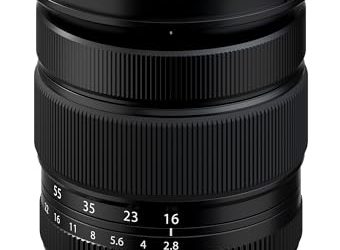
Our Short List of 3
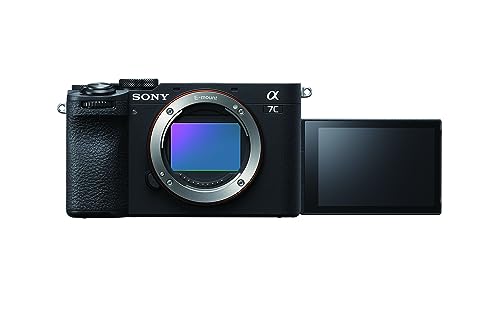
- 33 megapixel full-frame Exmor R CMOS sensor; Sony E mount; 5-axis in-body stabilisation; 4K 60p video; AI-based subject recognition autofocus; compact body, about 514 g with battery and card.

- 33 megapixel full-frame Exmor R CMOS sensor; Sony E mount; 5-axis SteadyShot stabilisation; 4K 60p 10-bit video; 759-point Fast Hybrid autofocus; dual card slots.

- 24.5 megapixel partially stacked full-frame CMOS sensor; Nikon Z mount; EXPEED 7 processor; 6K 60p internal RAW video; 5-axis in-body stabilisation; dust and drip resistance to Z8 level; body only.
All 4 Picks at a Glance
| Product | Specs | Action |
|---|---|---|
| 1. Sony A7C II |
| Check price on Amazon |
| 2. Sony A7 IV |
| Check price on Amazon |
| 4. Nikon Z6 III |
| Check price on Amazon |
 5. Fujifilm X100VI |
| Check price on Amazon |
Our Top Picks
- Sony Alpha 7C II Full-Frame Interchangeable Lens Camera4.902.5 x 4.9 x 2.8 inches0.95 PoundsCheck on Amazon
- Sony Alpha 7 IV Full-frame Mirrorless Interchangeable Lens5.45 x 3.80 x 2.83 inches9.6 x 6.5 x 6.7 inches2.2 PoundsCheck on Amazon
Small toadflax is one of those plants that rewards a slow walk and a patient eye. It grows low on dry, sandy ground and on railway ballast, often no taller than a hand span, and its small pale lilac flowers can be easy to walk past without ever noticing them. Photographing it well means getting low, working close, and choosing a camera that can focus near enough to fill the frame with a flower only a few millimetres across.
As an Amazon Associate, we earn from qualifying purchases.
Why Small Toadflax Is a Tricky Subject
Small toadflax, Chaenorhinum minus, belongs to the family Plantaginaceae. It favours thin, dry soils, sandy banks, waste ground, and the edges of railway ballast, places where few other plants crowd it out. The plant is small and wiry, with narrow leaves and tiny pale lilac blooms that sit close to the stem, and a whole plant can hide among pebbles and dry grass until you crouch down and look for it.
That size is the heart of the photographic challenge. A camera with a long minimum focus distance will leave the flower a speck in the middle of a wide frame, no matter how many megapixels it packs. What matters most is a short close-focus distance, a lens that can work near its subject, and enough resolution to crop in a little when the wind moves the stem.
Light matters as well. Small toadflax grows in open, sunny places, and the middle of the day can leave harsh shadows across the petals. Early morning and late afternoon give softer light, and a camera with good dynamic range will hold detail in both the pale flower and the bright ground around it.
Small Toadflax Is Not Common Toadflax
The two plants share a name and a family, but they are different species in different genera, and confusing them will send you looking in the wrong place for the wrong flower. Small toadflax is Chaenorhinum minus. Common toadflax is Linaria vulgaris. Both sit in the family Plantaginaceae, yet their genera, Chaenorhinum and Linaria, are distinct, and the plants look quite different once you know what to look for.
Small toadflax is a tiny, low plant, often only a few centimetres tall, with small pale lilac flowers that carry a yellowish throat. Common toadflax is a much taller plant, often knee high or more, with bold spikes of bright yellow flowers marked with orange. Where small toadflax creeps along dry sandy ground and ballast, common toadflax stands upright in meadows and on roadside banks.
There is no single delivered generic toadflax to confuse the matter further. Purple toadflax and pale toadflax are separate species again, each with its own identity. When you go out to photograph small toadflax, look for a low, wiry plant on bare sandy ground, and expect flowers you have to bend down to see properly. If the plant in front of you is tall and covered in bright yellow blooms, you have found common toadflax instead.
What to Look For in a Camera for Small Toadflax
Close focus comes first. Every interchangeable-lens body in this guide needs a close-focusing lens for tight small toadflax work, because none of these bodies ships with a lens in the listings linked here, and a general-purpose zoom that only focuses to half a metre will not fill the frame with a flower a few millimetres wide. A macro lens, or a short prime with a close minimum focus distance, is the honest partner for this subject, and it matters more than the body you choose.
Resolution is the second thing to weigh. A high-resolution sensor lets you crop into a small flower while keeping enough detail for a clean file, which is useful when the plant grows in an awkward spot and you cannot move closer. Full-frame sensors also give cleaner files in low light.
Autofocus and handling come next. A camera that can find and hold focus on a small, pale bloom against a busy background of stones and dry grass saves a lot of missed frames, and in-body stabilisation helps when you are shooting handheld at a low angle.
1. Sony A7C II
- 33 megapixel full-frame Exmor R CMOS sensor; Sony E mount; 5-axis in-body stabilisation; 4K 60p video; AI-based subject recognition autofocus; compact body, about 514 g with battery and card.
The Sony A7C II is the most portable full-frame camera in this guide, and that matters on the kind of walk where small toadflax grows. Dry sandy ground and railway ballast often mean a long approach on foot, and a compact body that slips into a small bag with a single lens is easier to carry than a large grip-heavy body. The 33 megapixel full-frame sensor gives plenty of room to crop into a tiny flower.
The trade-offs are real. The viewfinder is smaller than the ones on larger bodies, which can make precise manual focus a little harder, and the single card slot means there is no in-camera backup of your files. Even so, for a photographer who walks a long way for a small flower, the A7C II is a strong match with a close-focusing lens.
2. Sony A7 IV
- 33 megapixel full-frame Exmor R CMOS sensor; Sony E mount; 5-axis SteadyShot stabilisation; 4K 60p 10-bit video; 759-point Fast Hybrid autofocus; dual card slots.
The Sony A7 IV is the all-rounder of this group, and it suits a photographer who wants one body for small toadflax and for everything else as well. Its 33 megapixel full-frame sensor matches the A7C II for detail, and it adds a larger grip, a bigger viewfinder, and dual card slots, which make long sessions more comfortable and give you an in-camera backup. The autofocus covers most of the frame and locks onto small subjects well.
The honest drawback is size and weight. It is a bigger and heavier body than the A7C II, and on a long walk across sandy ground that extra bulk is noticeable. If you value handling, a larger viewfinder, and dual slots over the smallest possible kit, the A7 IV is the better pick of the two Sony bodies.
3. Nikon Z5 II
The Nikon Z5 II, model 1680, is the value-led full-frame body in this group, and it brings a lot of capability for a photographer who is building a kit around small wildflowers. Its 24.5 megapixel full-frame sensor is a step below the 33 megapixel Sony bodies for heavy cropping, but it still holds fine detail in a small flower, and its low-light files are clean. The EXPEED 7 processor drives fast, confident autofocus, and the in-body stabilisation is rated to 7.5 stops.
The viewfinder is bright, rated to 3,000 nits, which makes it easier to judge focus and exposure in the strong sunlight where small toadflax grows. The trade-offs are a lower resolution ceiling for cropping, and a lens range where the best close-focusing options are an added purchase.
Specs
- 24.5 megapixel full-frame BSI CMOS sensor; Nikon Z mount; EXPEED 7 processor; 5-axis in-body stabilisation rated to 7.5 stops; 4K 60p video; 3,000-nit electronic viewfinder; model 1680; body only.
4. Nikon Z6 III
- 24.5 megapixel partially stacked full-frame CMOS sensor; Nikon Z mount; EXPEED 7 processor; 6K 60p internal RAW video; 5-axis in-body stabilisation; dust and drip resistance to Z8 level; body only.
The Nikon Z6 III is the fastest and most capable Nikon body in this guide, and it suits a photographer who wants speed and video ability alongside stills of small wildflowers. Its 24.5 megapixel partially stacked full-frame sensor reads out quickly, which keeps rolling shutter low and supports high-speed shooting, and the EXPEED 7 processor gives the same confident autofocus as the Z5 II. The body is sealed against dust and drips to the same level as the Z8, which is a real advantage on dusty, sandy ground.
The trade-offs are the same ones that shape the whole group: 24.5 megapixels gives less room to crop than 33 megapixels, and this is a body-only listing, so a close-focusing lens is a separate purchase. The video features, including 6K internal RAW recording, are far beyond what a stills-only wildflower shoot needs.
5. Fujifilm X100VI
- 40.2 megapixel APS-C X-Trans CMOS 5 HR sensor; fixed 23mm f/2 lens, 35mm equivalent field of view; 6-stop in-body stabilisation; 20 film simulation modes; 1.4x and 2x digital teleconverter; 4-stop internal ND filter; 6.2K 30p video.
The Fujifilm X100VI is the odd one out in this group, and that is exactly why it is here. It is a fixed-lens camera with a 23mm f/2 lens, which on its APS-C sensor gives a field of view close to a 35mm lens on full frame. That is a wide view for a tiny flower, and the honest trade-off is reach: you cannot swap in a macro lens, and you cannot zoom in, so tight frames of a single small toadflax bloom depend on getting very close and on cropping from its 40.2 megapixel sensor.
What the X100VI gives in return is a camera you will actually carry everywhere. It is small, quiet, and light, with a hybrid viewfinder, in-body stabilisation, and Fujifilm film simulations that render the pale lilac flowers with a gentle, pleasing colour. It is at its best when you photograph small toadflax in its setting, a low plant among sand and pebbles, rather than filling the frame with a single bloom.
How the Five Compare
The two Sony bodies share a 33 megapixel sensor, so they give the most room to crop into a tiny flower. The A7C II is the lighter and smaller of the pair, while the A7 IV adds handling, a larger viewfinder, and dual card slots. The two Nikon bodies share a 24.5 megapixel sensor and the EXPEED 7 processor; the Z5 II is the simpler and more affordable body, while the Z6 III adds speed, sealing, and serious video. The X100VI stands apart with the highest resolution of the five and the simplest kit, but with a fixed 23mm lens that limits how tight you can frame a single bloom.
Every interchangeable-lens body here needs a close-focusing lens for tight small toadflax work, and that lens choice will shape your results more than the body. A dedicated macro lens is the ideal partner for any of the four bodies, while a short prime with a close minimum focus distance is a lighter compromise.
Field Tips for Small Toadflax Photography
Go early or late in the day. Soft light flatters pale lilac flowers and keeps the bright sand from blowing out, and the low sun gives a little texture to the ground. A small reflector or a piece of white card can lift shadow on the flower, but keep it subtle.
Work low and steady. A tilting screen helps you frame from ground level, and a small bean bag or a folded jacket under the lens can steady a low shot without a tripod. When the wind moves the stem, use a faster shutter speed and take several frames.
Focus with care. Autofocus can hunt on a small, pale bloom against a busy background, so try a small single focus point placed right on the flower, and switch to manual focus with magnification when the camera keeps locking onto the stones behind it.
Keep your feet on firm, worn ground and stay on paths wherever they exist. Do not step into the middle of a colony to get a better angle, and never pick the plant or pull up a stem for a cleaner shot.
Frequently Asked Questions
How do I tell small toadflax from common toadflax?
Look at size and colour. Small toadflax is a tiny, low plant with small pale lilac flowers, while common toadflax is a much taller plant with bright yellow flowers marked with orange. Small toadflax grows on dry sandy ground and railway ballast, while common toadflax stands in meadows and on roadside banks.
Which camera is best for close-up shots of small toadflax?
Any of the four interchangeable-lens bodies in this guide will serve you well once paired with a close-focusing lens, and the 33 megapixel Sony bodies give the most room to crop. The X100VI is a fine choice for wider, environmental shots of the plant in its habitat, but it cannot match a macro lens for a frame-filling close-up.
Do I need a macro lens to photograph small toadflax?
For tight frames of a single flower, yes, a macro lens or a short prime with a close minimum focus distance is the honest answer. A general-purpose zoom that only focuses to half a metre will leave the flower small in the frame.
Where should I look for small toadflax?
Look on dry, sandy ground, thin soils, waste ground, and the edges of railway ballast, in open sunny places. Stay on paths and on firm worn ground, and do not pick the plant.
More from Amazon
Programs that pair well with the guide above. Offers and eligibility are set by Amazon and may change.
Free shipping on eligible items, Prime Video and more. Eligible new members can start with a free trial.
Start a Prime free trialAudiobooks and podcasts to listen to on the go. Eligible new members can start with a free trial.
Try Audible freeAd-free music streaming. Eligible new subscribers can start with a free trial.
Try Music Unlimited freeA free business account with business pricing and bulk-buying tools for work, shop or home office.
Create a business accountAs an Amazon Associate we earn from qualifying purchases.