The best 4K drone for most people in 2026 is a sub-250 gram model with a large sensor, and the DJI Mini 5 Pro leads that class with a 1-inch camera and 4K video up to 120 frames per second, per the maker’s specifications. If you want to spend far less, the DJI Mini 4K and the Potensic Atom 2 deliver real 4K footage with beginner-friendly flight. Availability matters this year: DJI was added to the FCC Covered List in December 2025, so new DJI models are not being sold in the US, and stock of existing models is limited. Check current availability and local rules before you buy.
Our top picks
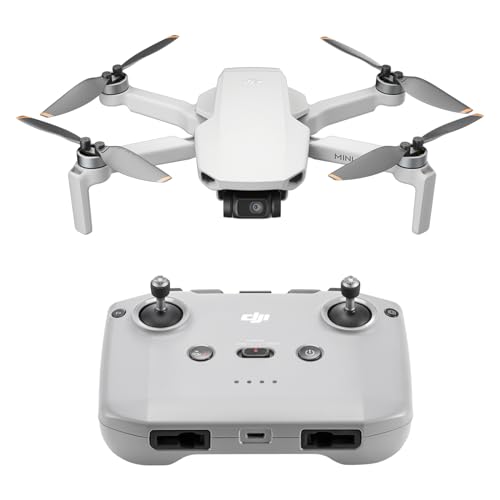 DJI Mini 4K
- No Registration Needed - Under 249 g, this…
- 4K Ultra HD & 3-Axis Gimbal for Cinematic…
- 38kph (Level 5) Wind Resistant - This drone…
 DJI Mini 4K Fly More Combo
- No Registration Needed - Under 249 g, this…
- 4K Ultra HD & 3-Axis Gimbal for Cinematic…
- 38kph (Level 5) Wind Resistant - This drone…
| Product | Key specs | |
|---|---|---|
| DJI Mini 4K | No Registration Needed - Under 249 g, this… 4K Ultra HD & 3-Axis Gimbal for Cinematic… 38kph (Level 5) Wind Resistant - This drone… | Check price |
| DJI Mini 4K Fly More Combo | No Registration Needed - Under 249 g, this… 4K Ultra HD & 3-Axis Gimbal for Cinematic… 38kph (Level 5) Wind Resistant - This drone… | Check price |
 DJI Mini 3 With DJI RC | Check price | |
 DJI Mini 3 Fly More Combo With | Check price |
As an Amazon Associate we earn from qualifying purchases at no extra cost to you.
Quick comparison of the best 4K drones
| Pick | Best for | Weight | Sensor | Top video | Max flight time (maker claim) | Price range |
|---|---|---|---|---|---|---|
| DJI Mini 5 Pro | Best overall | About 249.9 g | 1-inch, 50 MP | 4K at up to 120 fps | 36 min (standard battery) | Premium |
| DJI Mini 4 Pro | Best mid-range value | About 249 g | 1/1.3-inch | 4K at up to 100 fps | 34 min | Mid to upper-mid |
| DJI Mini 4K | Best budget | Under 250 g | 1/2.3-inch | 4K at 30 fps | 31 min | Budget |
| Potensic Atom 2 | Best non-DJI option | Under 250 g class | Small sensor with 3-axis gimbal | 4K | About 32 min per battery | Budget to mid |
| DJI Neo | Best for selfies and beginners | 135 g | Small sensor | 4K at 30 fps | About 18 min | Budget |
| DJI Air 3S | Best step-up (over 250 g) | About 724 g | 1-inch plus 70 mm tele camera | 4K at up to 120 fps | About 45 min | Upper-mid to premium |
Specs reflect manufacturer claims; real flight times are usually shorter, often 20 to 30 percent below the maximum in normal flying. Prices are general market tiers.
Best overall: DJI Mini 5 Pro
The Mini 5 Pro is the first 1-inch sensor drone in the sub-250 gram class, and it stays under the weight threshold that simplifies registration and operating rules in many countries. DJI lists a 50 megapixel 1-inch sensor, 4K video up to 120 fps, a rotating gimbal for vertical shooting, and obstacle sensing that includes LiDAR for low-light flights.
Who it suits: photographers and travelers who want high image quality without carrying a larger drone. The main trade-offs are price and availability. Standard-battery flight time is listed as up to 36 minutes, though independent reviewers report closer to 23 to 25 minutes in normal use. The larger Plus battery adds time but raises takeoff weight above 250 grams. In the US, DJI products now face import and supply restrictions, so check retailer stock and warranty terms.
Best mid-range value: DJI Mini 4 Pro
The Mini 4 Pro uses a 1/1.3-inch sensor, supports 4K at up to 100 fps, and has omnidirectional obstacle sensing in a roughly 249 gram body, according to DJI. It is still a capable camera and can be cheaper than the Mini 5 Pro, particularly where leftover stock exists.
Who it suits: hobbyists who want pro-level features such as D-Log M and subject tracking without paying for the newest model. The trade-off is the smaller sensor than the Mini 5 Pro and the same supply uncertainty in the US.
Best budget: DJI Mini 4K
The Mini 4K is the simplest way to get stabilized 4K video from a recognized brand. It has a 3-axis gimbal, 4K at 30 fps, roughly 31 minutes of flight and a body under 250 grams, per the maker. It uses a small 1/2.3-inch sensor, so image quality in dim light is limited, and it lacks the obstacle sensing found on the Pro models.
Who it suits: beginners, kids over the age limit and travelers who want inexpensive aerial footage. Fly in open areas and keep an eye on wind, because a very light drone can be pushed around easily.
Best non-DJI option: Potensic Atom 2
The Potensic Atom 2 is a 4K drone with a 3-axis mechanical gimbal in the sub-250 gram category. Reviewers frequently position it as a strong alternative to DJI budget drones, and the maker states a wind resistance of about 10.7 meters per second (Level 5). Listings often quote a total of 96 minutes with three batteries, which is about 32 minutes per battery.
Who it suits: buyers who cannot find DJI stock or want to avoid the US supply uncertainty. The trade-offs are less polished software and a shorter transmission range than DJI’s premium models. Read the spec sheet for the maker’s current range figure and legal limits.
Best for beginners and selfies: DJI Neo
The DJI Neo weighs about 135 grams and uses propeller guards, palm takeoff and simple tracking modes. It records 4K video at 30 fps and has around 18 minutes of flight time per battery. It is the easiest drone on this list to launch from your hand.
Trade-offs: a small sensor, limited wind tolerance and no obstacle sensing on the base version. It is better for follow-me clips and short travel videos than for serious landscape photography.
Best step-up: DJI Air 3S
The Air 3S is not a sub-250 gram drone, but it is a popular next step. It combines a 1-inch wide camera with a 70 mm medium tele camera, offers 4K at up to 120 fps, and flies up to roughly 45 minutes, according to DJI. It weighs about 724 grams, so registration and operating rules are stricter.
Who it suits: photographers who want more zoom choices and longer flights. The trade-offs are size, price and, again, stock constraints in the US.
How to choose: numbers that matter
- Weight: Under 250 grams avoids registration in some countries, but the US FAA requires registration for drones used for recreation at 250 grams or more and for any commercial use. Check your local rules.
- Sensor size: 1-inch sensors capture much more detail in low light than 1/2.3-inch sensors. For sunrise or sunset shots, sensor size matters most.
- Video options: 4K at 30 fps is fine for general use. Choose 4K at 60 or 120 fps if you want slow motion.
- Flight time: Divide the maker’s number by roughly 1.3 for a realistic estimate. A 36 minute claim is about 27 minutes in practice.
- Obstacle sensing: Omnidirectional sensing is useful for beginners flying near trees. Entry-level models often have none.
- Transmission: Long range numbers rarely matter because you must keep the drone in sight in most regions.
Worked example: how many batteries do you need?
Imagine a one-hour photo outing. With a drone that has a 31 minute claim, you may get 22 to 24 minutes per battery in real use. For about 45 minutes of actual flying, you would need two batteries, and three if you want a safety margin. A Fly More style kit with three batteries often costs far less than buying them separately, so factor that into the total cost.
Ownership realities
- Register and learn the rules in your country before the first flight.
- Update firmware before flying, since updates can change flight limits and fixes.
- Calibrate the compass and check propellers before every session.
- Charge batteries to storage level when not flying for several days.
- Replace propellers when they show chips or bends; they are the part most likely to wear out.
Decision matrix
| Your situation | Best choice |
|---|---|
| Best image quality under 250 g | DJI Mini 5 Pro |
| Strong features, lower cost | DJI Mini 4 Pro |
| First drone, tight budget | DJI Mini 4K or Potensic Atom 2 |
| Casual selfies and travel clips | DJI Neo |
| Need zoom and longer flights | DJI Air 3S |
Frequently Asked Questions
What is the best 4K drone for beginners?
The DJI Mini 4K and Potensic Atom 2 are common recommendations because they are light, stable and affordable. The DJI Neo is easier still for simple selfie clips. Pick one with stable GPS hover and return-to-home.
Do I need to register a 4K drone?
It depends on weight and where you live. In the US, the FAA requires registration for recreational drones that weigh 250 grams or more and for commercial flying at any weight. Check your local aviation authority for current rules.
Is 4K enough or do I need a higher resolution?
4K is enough for most online use and delivers good detail for cropping. Higher resolutions help for professional editing but need more storage and a faster computer.
Can I still buy DJI drones in the US?
Models authorized before the December 2025 FCC action may still be sold from existing stock, but new DJI models are not being authorized, and supply is shrinking. Check with retailers for current availability and warranty coverage.
How long do drone batteries really last?
Maker numbers are measured in ideal conditions. Expect roughly 70 to 80 percent of the claim in normal flying, and less in wind or cold weather.
What is the difference between a 1-inch sensor and a smaller one?
A 1-inch sensor is physically larger, so it gathers more light and typically gives cleaner video in dim conditions. Smaller sensors work well in bright daylight but show more noise in the evening.