Figuring out which iphone is best for photography on a budget is a real challenge when you’re comparing models that span four generations and wildly different price tiers. The renewed market makes this even more complicated because you are weighing older flagships against newer entry-level devices, and the camera systems do not follow a simple “newer is better” rule. The iPhone 16 Pro Max and 17 Pro Max bring computational imaging features that simply did not exist in the 12 or 13, but the price gap is enormous for a photographer who might only use their phone for reference shots and social posts.
What separates a smart purchase from a costly mistake here comes down to matching the camera hardware to your actual output needs. A street photographer printing large files needs a sensor and processing pipeline that can handle the work, while a casual shooter capturing kids at the park benefits far more from a stable autofocus system and good HDR than from a quad-pixel sensor. The products below represent the most popular picks in the renewed iPhone market for anyone serious about what the camera can do, and each one answers a slightly different version of the same question.
Our top picks



As an Amazon Associate we earn from qualifying purchases at no extra cost to you.
Quick Picks
| Product | Best for | Price |
|---|---|---|
| iPhone 16e | Modern features at a mid-range price | $383.33 |
| iPhone 14 (Midnight) | Reliable all-around shooting | $302.85 |
| iPhone 17 Pro Max | Top-tier computational photography | $1161.04 |
| iPhone 12 | Lowest entry point for iOS cameras | $195 |
| iPhone 16 Pro Max | Pro camera system at a discount | $820 |
| iPhone 13 | Best value for casual shooters | $269.99 |
| iPhone 15 Pro Max | 5x optical zoom without flagship pricing | $659.99 |
| iPhone 14 (Purple) | Color options at the same price tier | $305.14 |
How We Picked
We narrowed this list by evaluating four criteria that matter most for photographers choosing a renewed iPhone. First, sensor quality and computational processing: the camera hardware and the image signal processor behind it determine noise performance, dynamic range, and color accuracy far more than megapixel count alone. Second, lens versatility: the number of optical lengths available and whether a periscope telephoto is present changes what you can frame without digital cropping. Third, software longevity: newer models receive iOS updates longer, which means continued access to camera improvements and format support. Fourth, price-to-capability ratio in the renewed market specifically, since a flagship three generations back often outperforms a current mid-range in pure image quality.
The 8 Best Which Iphone Is Best in 2026
Apple iPhone 16e
The iPhone 16e occupies a strange and useful position in the renewed lineup. It carries the latest A-series chip that Apple used in a non-Pro model, which means it benefits from the most recent generation of computational photography without the Pro camera hardware tax. For photographers who shoot mostly in good light and rely on software processing for color and sharpness, this is a compelling option. The single rear camera limits flexibility compared to multi-lens Pro models, and the lack of a dedicated telephoto means you are cropping digitally for reach. Still, the processing power alone elevates its images above older flagships in challenging scenes like backlit portraits or overcast landscapes where tone mapping matters.
Apple iPhone 14 (Midnight)
The iPhone 14 remains one of the most reliable mid-tier cameras in the renewed market. Its dual rear system handles everyday shooting competently, with solid HDR processing and a wide aperture that gathers enough light for indoor scenes without excessive noise. Owner feedback consistently highlights its consistent white balance and natural color rendering, which matters when you are shooting for social content and do not want heavy editing. The primary drawback is that it lacks the action mode and photonic engine refinements of later models, so motion-heavy scenes come out softer. Photographers who need a dependable second body or a travel camera that will not break the bank should look here first.
Apple iPhone 17 Pro Max
The iPhone 17 Pro Max represents the absolute ceiling of what an iPhone camera can do right now. Every computational feature Apple has developed ships in this hardware, from advanced noise reduction to the latest smart HDR pipeline and expanded ProRAW capabilities. For a photographer who shoots in genuinely difficult conditions such as concerts, deep shade, or nighttime streets, the generational improvements are immediately visible in the files. The price is the obvious barrier, and at more than $1100 in renewed condition you are paying a premium that dwarfs most dedicated compact cameras. If your iPhone is your only camera and you demand the best possible output regardless of cost, this is the answer.
Apple iPhone 12
At $195 the iPhone 12 is the cheapest path into the iOS camera ecosystem, and for a beginner it still delivers usable results. The dual camera system produces clean daylight images with accurate colors, and the sensor-shift stabilization helps prevent blurry shots from unsteady hands. The limitations become obvious in low light, where noise creeps in quickly and dynamic range compresses harshly. Older processing means fewer computational corrections per frame, so backlit scenes require more post-production work. This is a camera for someone learning composition and exposure basics who does not yet need professional-grade output. Once your skills outgrow what this sensor can deliver, the upgrade path is clear.
Apple iPhone 16 Pro Max
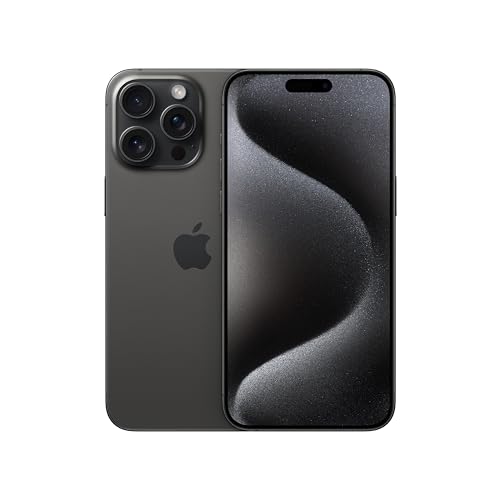
The iPhone 16 Pro Max is where most serious mobile photographers should focus their attention. Its quad-pixel sensor, 5x periscope telephoto, and the full Pro imaging pipeline produce files that hold up under meaningful editing. Owners report exceptional dynamic range preservation in high-contrast scenes, which reduces the need for bracketed exposures. The 256GB storage gives comfortable headroom for ProRAW and 4K video work without constant offloading. The main reason to skip it is simple economics: the iPhone 15 Pro Max offers similar optical reach for significantly less money, and unless you need the latest processing generation the difference in final images is subtle enough to leave in the “diminishing returns” category.
Apple iPhone 13
The iPhone 13 earns its place here as the strongest value proposition under $300 in the renewed market. Its computational HDR improvements over the 12 produce noticeably better skin tones in mixed lighting, and the sensor carries forward the same physical stabilization. Photographers shooting street or documentary work in bright conditions will find its files clean and color-faithful with minimal processing required. The weakness is its older image signal processor, which struggles more than newer models when pushed into shadow recovery or heavy cropping. If your budget is tight but you want an iPhone camera that does not embarrass you in a side-by-side with newer models, the 13 hits the sweet spot between price and performance.
Apple iPhone 15 Pro Max
The iPhone 15 Pro Max brought the 5x periscope telephoto to the iPhone line for the first time, and its renewed price has dropped enough to make it the most cost-effective way to get optical zoom reach in a pro-grade body. Photographers who shoot wildlife, sports from the sidelines, or compressed architectural details benefit immediately from that focal length without digital interpolation. The titanium frame keeps weight down for extended handheld sessions. The con is that its processing generation sits between the 14 and 16, so some newer computational features are absent and software support will end sooner than the Pro Max models after it. It remains the smartest buy for anyone who needs telephoto reach above all else.
Apple iPhone 14 (Purple)
The Purple variant is functionally identical to the Midnight model above, and it appears in this list because color preference genuinely affects how often you use a device. Photographers who carry their phone as a second body or use it for reference scouting often handle it dozens of times per day, and a finish you enjoy holding keeps the tool accessible. The camera system is the same proven dual-lens setup with consistent color science. The price sits just above the Midnight version, a difference of roughly two dollars that is meaningless in isolation but worth noting for buyers who are price-sensitive. Skip this one only if the Midnight colorway appeals to you equally, since you can save those few dollars.
Buying Guide
Sensor Size and Computational Processing
Megapixel count is a marketing number, and most photography forums will tell you the same. What actually determines image quality in an iPhone is the combination of sensor physical size and the image signal processor that reads from it. The Pro models use larger pixels that collect more photons per unit area, reducing noise in shadows. The newer A-series chips process those pixels with multi-frame stacking that older chips cannot match. When comparing two models at similar prices, check which generation of processing engine is inside rather than which has more megapixels on the spec sheet.
Lens Coverage and Optical vs. Digital Zoom
The practical difference between a 5x optical zoom and a 2x optical zoom becomes enormous once you are past thirty feet from your subject. Digital zoom on any iPhone will introduce softness and banding that no amount of post-processing fully recovers. If your shooting style involves distance compression, telephoto portraits, or candid work where you cannot approach subjects, prioritize a model with at least a 3x optical system. If you shoot mostly within arm’s reach or rely on wide and ultra-wide perspectives, a dual-camera model serves you perfectly well.
Storage and File Format Considerations
ProRAW files from modern iPhones can exceed 75 megabytes per image, and 4K video consumes space rapidly. A 64GB model fills quickly and forces you into constant cloud management or offloading. For photographers who want to shoot in RAW without anxiety, 128GB is the practical minimum and 256GB is the comfortable threshold. Check what storage tier the renewed listing includes before committing, because the price difference between 64GB and 128GB on older models is small enough that the extra space is essentially free longevity for your workflow.
Our Verdict
The iPhone 16 Pro Max is our top pick for photographers who want the best balance of optical capability, processing power, and renewed-market pricing. The iPhone 13 is the budget pick for anyone who wants a competent camera system under $300 without paying for features they will not use. The iPhone 15 Pro Max wins outright if your primary need is telephoto reach, since its 5x periscope at $659.99 is the most affordable path to serious optical zoom in this lineup.
FAQ
Is a renewed iPhone camera as good as a new one?
Yes, the camera module is identical hardware. Renewed units have been inspected and restored, and the sensor and lenses do not degrade with normal use the way a battery does. You are buying the same imaging performance in a pre-owned shell.
Do I need a Pro model for good photos?
Not always. Pro models add optical zoom range, RAW processing, and larger sensors, but standard models produce excellent images in good light and handle most social or personal projects without issue. The Pro tier earns its cost when you consistently shoot in challenging conditions or need specific focal lengths.
Does storage size affect camera performance?
Storage capacity does not change image quality, but a nearly full phone will slow down burst processing and can cause the system to compress JPEGs more aggressively to save space. Keeping at least twenty percent free gives the processing pipeline room to work as intended.
Which iPhone is best for video shooting?
The Pro Max models lead for video because of their sensor stabilization, ProRes support, and thermal management during long takes. The iPhone 14 handles casual video well, but creators who shoot extended clips or need color grading flexibility will notice the gap with any Pro model.