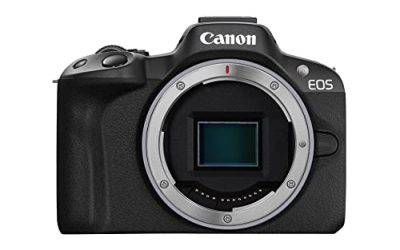
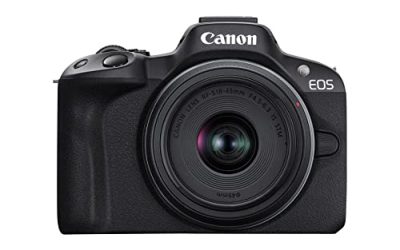
Our Short List of 3

- Best for: A first-time DSLR buyer who wants the simplest kit and a clear path from auto to manual shooting.
- 24.1MP APS-C CMOS sensor
- EF-S 18-55mm f/3.5-5.6 IS II lens
- DIGIC 4+ image processor
- Built-in Wi-Fi and NFC

- Best for: A beginner who wants a flip-out touch screen and smooth live-view focus for varied angles and everyday video.
- 24.1MP APS-C CMOS sensor
- EF-S 18-55mm f/4-5.6 IS STM lens
- Dual Pixel CMOS AF
- 3.0-inch vari-angle touch screen

- Best for: A beginner who shoots outdoors in rough weather and wants a sealed body and kit lens from the start.
- 24.24MP APS-C sensor without AA filter
- DA L 18-55mm WR kit lens
- Dustproof and weather-resistant body
- Cold-resistant operation to minus 10 degrees Celsius
All 4 Picks at a Glance
| Product | Specs | Action |
|---|---|---|
| Canon EOS Rebel T7 |
| Check price on Amazon |
| Canon EOS Rebel SL3 |
| Check price on Amazon |
| PENTAX KF |
| Check price on Amazon |
 Canon EOS Rebel T8i |
| Check price on Amazon |
Our Top Picks
A first DSLR asks a beginner to make one real decision: whether to learn photography through an optical viewfinder, physical dials, and a lens that can be changed later, instead of a phone screen or a menu-driven mirrorless body. A DSLR shows the scene through the lens itself, so framing and depth of field feel direct and immediate. The trade is size and age. Most entry-level DSLRs are no longer made as new models, so a beginner is choosing among remaining new stock, seller bundles, and older kits that teach the fundamentals well.
This guide is for people starting photography from the beginning, students, hobbyists, and parents who want a first interchangeable-lens camera. Every pick below was chosen from its Amazon product title and listing details, and every one is a DSLR with an optical viewfinder and a kit lens. None of these is a mirrorless camera or a fixed-lens compact, so each one gives a beginner the classic DSLR experience of looking through the lens and swapping lenses later.
Quick Picks
As an Amazon Associate we earn from qualifying purchases.
| Product | Best for | Key spec from title |
|---|---|---|
| Canon EOS Rebel T7 | Simplest first DSLR kit | 24.1MP sensor, 18-55mm lens, built-in Wi-Fi |
| Canon EOS Rebel SL3 | Easiest screen for learning angles | 24.1MP sensor, Dual Pixel AF, vari-angle touch screen |
| PENTAX KF | Outdoor shooting in rough weather | 24.24MP sensor, 18-55mm WR kit, weather-resistant body |
| Nikon D3500 | Longest battery life and guided learning | 24.2MP sensor, 18-55mm and 70-300mm lenses, Guide Mode |
| Canon EOS Rebel T8i | Most advanced autofocus for a beginner | 24.1MP sensor, 18-55mm and 75-300mm lenses, 45-point AF |
How to Choose
Start With the Kit Lens, Not the Body Alone
The kit lens decides what a beginner can photograph on the first day, because most first cameras are bought as a body plus one lens. An 18-55mm lens covers wide landscapes, group portraits, and everyday street scenes, which is the right range for learning composition and exposure. A second lens, such as a 70-300mm telephoto, adds reach for wildlife and sports, but it also adds weight to carry. A beginner should check that the listing names the exact lens in the title, including its focal range and whether it has stabilization. A useful standard zoom will teach more in a month than a lens that is too long, too slow, or missing from the box.
Learn Exposure Through the Optical Viewfinder
A DSLR viewfinder shows the scene through the lens with no delay and no battery drain, and that direct view is the main reason to choose this kind of camera for learning. When a beginner looks through the viewfinder and turns the mode dial, the relationship between aperture, shutter speed, and ISO becomes visible in the exposure meter and in the depth of field. Cameras with a Guide Mode or a clear on-screen help system make that learning curve gentler, because they explain each setting in plain language. A camera with a bright viewfinder and a simple manual mode will hold a learner’s attention longer than one that hides its controls behind menus.
Check Autofocus and the Screen Before Anything Else
Autofocus decides how many first shots come out sharp, and the screen decides how easy the camera is to use at odd angles. Dual Pixel autofocus, as found on newer Canon Rebels, locks onto a subject smoothly in live view and video, while a 45-point system gives a beginner more focus points for a moving subject. A vari-angle touch screen helps when shooting low to the ground or overhead, and tapping to focus feels natural for someone coming from a phone. A beginner who shoots flowers, pets, or children at their eye level will use a tilting screen every day, so match the focus system and the screen to the subjects you will chase.
Mind the Age of the Model and the Seller
Most beginner DSLRs in this guide are older models, and many have stopped being made as new factory kits, so the seller and the exact listing matter as much as the camera itself. A listing that names a seller bundle may include extra lenses, memory cards, and bags that the original maker never sold together, and those extras can hide a body that is not the standard kit. A beginner should read the title word for word and confirm the model number and the lens or lenses named. When a model is discontinued, remaining new stock and seller bundles are the usual routes to a first camera, and a careful check of the offer matters more than any single feature.
The 5 Best Options
Canon EOS Rebel T7
- Best for: A first-time DSLR buyer who wants the simplest kit and a clear path from auto to manual shooting.
- 24.1MP APS-C CMOS sensor
- EF-S 18-55mm f/3.5-5.6 IS II lens
- DIGIC 4+ image processor
- Built-in Wi-Fi and NFC
A first-time DSLR buyer who wants the simplest kit and a clear path from auto to manual shooting.
Check that the listing is the standard kit with the 18-55mm lens named above, and do not confuse it with a renewed listing under a different ASIN.
The Canon EOS Rebel T7 is the most straightforward first DSLR in this guide, and it suits a beginner who wants a simple camera that behaves predictably while they learn the basics. Its 24.1MP sensor gives plenty of detail for prints and for cropping, and the 18-55mm kit lens covers the wide and normal views a learner uses most. Built-in Wi-Fi lets a beginner move images to a phone for sharing, which keeps the habit of shooting alive between lessons. The controls are laid out plainly, with a mode dial that moves from full auto to manual in clear steps, so a new photographer can grow into the camera.
Canon EOS Rebel SL3
- Best for: A beginner who wants a flip-out touch screen and smooth live-view focus for varied angles and everyday video.
- 24.1MP APS-C CMOS sensor
- EF-S 18-55mm f/4-5.6 IS STM lens
- Dual Pixel CMOS AF
- 3.0-inch vari-angle touch screen
A beginner who wants a flip-out touch screen and smooth live-view focus for varied angles and everyday video.
Confirm the listing names the 18-55mm STM kit lens and model 3453C002, and avoid a renewed bundle listing that carries a different ASIN.
The Canon EOS Rebel SL3 is the pick for a beginner who learns by trying angles, because its vari-angle touch screen makes low, high, and self-facing shots easy from the start. Dual Pixel autofocus keeps focus steady in live view, which helps when a beginner is framing through the screen instead of the viewfinder. The 24.1MP sensor and the 18-55mm kit lens give the same solid image quality as the T7, while the lighter body and touch controls feel closer to a modern device. A learner who shoots pets, children, or video clips will notice the difference the screen makes on the first outing.
PENTAX KF
- Best for: A beginner who shoots outdoors in rough weather and wants a sealed body and kit lens from the start.
- 24.24MP APS-C sensor without AA filter
- DA L 18-55mm WR kit lens
- Dustproof and weather-resistant body
- Cold-resistant operation to minus 10 degrees Celsius
A beginner who shoots outdoors in rough weather and wants a sealed body and kit lens from the start.
Verify the listing is the 18-55mm WR kit, not the body-only version, and check the offer carefully, because the main source for this ASIN is a mirror of Amazon listing data.
The PENTAX KF is the pick for a beginner who plans to shoot outdoors in rain, dust, or cold, because its weather-resistant body and kit lens are built for conditions that keep other entry cameras in the bag. Its 24.24MP sensor has no anti-aliasing filter, which helps keep fine detail in landscapes and textures, and the in-body stabilization steadies every lens mounted on it. The vari-angle LCD helps with low-angle landscape work, while the optical viewfinder keeps the classic DSLR feel that makes learning exposure direct. A beginner who hikes, camps, or photographs in winter will get more shooting days from this camera than from a fair-weather kit.
Nikon D3500
The Nikon D3500 is the pick for a beginner who wants the longest battery life and the most patient teaching built into the camera, because its Guide Mode explains each setting as it is used. The two-lens bundle pairs the standard 18-55mm lens with a 70-300mm zoom, so a learner can move from wide scenes to distant subjects without buying a second lens right away. Its 24.2MP sensor delivers clean images in good light, and the camera is light enough to carry all day. A beginner who wants one purchase that covers learning and a full range of focal lengths will find this bundle the most complete starting point here.
Specs
- 24.2MP DX-format CMOS sensor
- AF-P DX 18-55mm VR lens
- AF-P DX 70-300mm zoom lens
- Guide Mode for learning camera settings
- Battery life rated at 1,550 shots per charge (CIPA)
- Bundle includes 32GB memory card, camera bag, and accessories
Best for: A beginner who wants guided learning, very long battery life, and two lenses in a single starting bundle.
Watch out for: This is a seller bundle, not the original Nikon kit, so read the bundle contents line by line and confirm the offer, because the D3500 itself has stopped being made as a new factory model.
ASIN: B07NHHK76T
Canon EOS Rebel T8i
- Best for: A beginner who wants the strongest autofocus and a two-lens bundle for sports, events, and distant subjects.
- 24.1MP APS-C CMOS sensor
- EF-S 18-55mm IS STM lens
- EF 75-300mm III lens
- 45-point autofocus system
A beginner who wants the strongest autofocus and a two-lens bundle for sports, events, and distant subjects.
This is a seller bundle with only a single corroborating source for this ASIN, and the T8i has stopped being made, so confirm the listing and the offer before buying.
The Canon EOS Rebel T8i is the most capable beginner DSLR in this guide, and it suits a learner who wants to photograph moving subjects and to grow into more advanced settings. Its 45-point autofocus system tracks subjects across the frame far better than the simpler systems in the other Rebels here, and its 4K video adds a real option for filming alongside stills. The bundle pairs the 18-55mm kit lens with a 75-300mm telephoto, so a beginner can cover wide scenes and distant action with the two lenses in the box. A learner who shoots sports or school events will appreciate the extra focus points and the longer reach.
Which One Fits Your Situation
You Want the Simplest Possible Start
Choose the Canon EOS Rebel T7. Its plain controls, standard 18-55mm lens, and clear mode dial make the first weeks of learning easy, and its Wi-Fi keeps sharing simple. A beginner who does not want to study a manual before the first outing will get usable images quickly and will still have manual controls to grow into later.
You Shoot at Odd Angles and With the Screen
Choose the Canon EOS Rebel SL3. The vari-angle touch screen and Dual Pixel autofocus make low shots, overhead shots, and self-facing framing natural, and tapping to focus feels familiar to anyone coming from a phone. It is the best fit for a learner who photographs pets and children at their own eye level.
You Shoot Outdoors in Bad Weather
Choose the PENTAX KF. Its sealed body and weather-resistant kit lens keep shooting through rain and dust, and its in-body stabilization helps every lens you mount. A hiker or winter photographer gets more usable days from this camera than from any other pick in this guide, and the vari-angle screen helps with low landscape angles too.
You Want Two Lenses and the Longest Battery Life
Choose the Nikon D3500 bundle. Guide Mode teaches each setting as you use it, the battery lasts far longer than the others here, and the two lenses cover wide scenes and distant subjects in one purchase. It is the most complete single purchase for a beginner who wants range without a second shopping trip.
Common Mistakes
- Buying a body-only listing by mistake and finding no lens in the box, so always confirm the lens named in the title before ordering.
- Choosing a telephoto lens as a first lens and then struggling to frame everyday scenes that need a wide angle.
- Ignoring the seller and the bundle contents on an older model, and then receiving extra items that do not match the listing.
- Leaving the camera in full auto for months and never learning how aperture and shutter speed change an image.
- Skipping the habit of moving images to a phone or computer, so a full memory card stops a day of shooting early.
Frequently Asked Questions
Is a DSLR still a good first camera for a beginner?
Yes, a DSLR is still a good first camera for learning, because the optical viewfinder, physical dials, and interchangeable lenses teach exposure and composition directly. A beginner learns faster when aperture, shutter speed, and focus are visible in the hand. The main trade is that most entry DSLRs are older models, so a buyer should check the listing and the offer with care.
Which kit lens should a beginner start with?
A beginner should start with an 18-55mm kit lens, because it covers wide landscapes, group portraits, and everyday scenes in a single light lens. That range teaches framing without forcing a learner to swap lenses for every shot. A telephoto lens is a useful second lens for wildlife and sports, but it is a poor first lens for daily learning.
Do I need a second lens right away?
No, a second lens is not needed right away for most beginners. One standard zoom covers the subjects a learner photographs most, and time spent with a single lens builds a stronger sense of framing. Add a telephoto only when you keep running out of reach, such as at sports games or on wildlife walks.
What should I check before buying an older DSLR model?
Check the exact model number, the lens or lenses named in the title, and whether the listing describes the camera as new or as part of a seller bundle. Older models may only remain as new stock or as bundles, so the offer and the seller matter. Confirm each detail in the listing before ordering.
More from Amazon
Programs that pair well with the guide above. Offers and eligibility are set by Amazon and may change.
Free shipping on eligible items, Prime Video and more. Eligible new members can start with a free trial.
Start a Prime free trialAudiobooks and podcasts to listen to on the go. Eligible new members can start with a free trial.
Try Audible freeAd-free music streaming. Eligible new subscribers can start with a free trial.
Try Music Unlimited freeA free business account with business pricing and bulk-buying tools for work, shop or home office.
Create a business accountAs an Amazon Associate we earn from qualifying purchases.