Our Short List of 3

- Best for: photographers who want a complete, capable landscape camera with a viewfinder.
- Sensor: 24.2MP APS-C CMOS
- Lens: RF-S 18-45mm kit lens included
- Processor: DIGIC X
- Video: 4K video recording

- Best for: hikers who want the lightest landscape camera with a simple, friendly layout.
- Sensor: 20.9MP DX-format
- Lens: NIKKOR Z DX 16-50mm kit lens included
- Video: 4K 30p video recording
- Screen: fully articulating touchscreen

- Best for: photographers who shoot both landscapes and video and want the widest lens options.
- Sensor: 24.2MP APS-C
- Lens: 16-50mm power zoom kit lens included
- Video: 4K video recording
- Screen: vari-angle rear screen
All 3 Picks at a Glance
| Product | Specs | Action |
|---|---|---|
| Canon EOS R50 |
| Check price on Amazon |
| Nikon Z30 |
| Check price on Amazon |
| Sony ZV-E10 |
| Check price on Amazon |
Our Top Picks
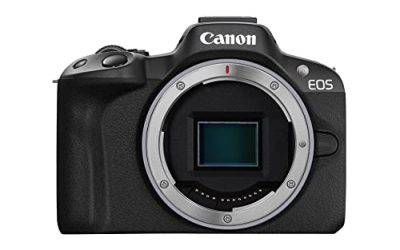
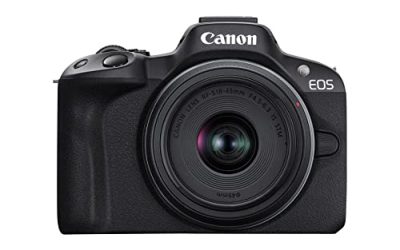
- Canon EOS R50 Mirrorless Camera RF-S18-45mm F4.5-6.3 is2.71 x 4.58 x 3.37 Inches1 poundsCheck on Amazon
Landscape photography asks a camera to do a few things well: capture fine detail in distant ridges, hold color in a sunset sky, and keep working in cold, wind, and rain. A big sensor helps, a good wide lens matters more, and a light body makes the hike to the viewpoint easier. You do not need a flagship camera to get strong landscape photos, and the three cameras in this guide all sit under the thousand mark while covering the essentials.
This guide compares the Canon EOS R50, the Nikon Z30, and the Sony ZV-E10 as landscape cameras. All three are mirrorless cameras with APS-C sensors and kit lenses, but they differ in handling, autofocus, and lens options. Read the picks, then choose the camera that fits the way you hike and shoot. The three cameras below all come with a kit lens, so you can begin shooting right away and add a wider lens later.
Quick Picks
As an Amazon Associate we earn from qualifying purchases.
| Product | Best for | Key spec from title |
|---|---|---|
| Canon EOS R50 | Best all-round landscape pick | 24.2MP APS-C sensor |
| Nikon Z30 | Lightest body for hiking | 20.9MP DX-format sensor |
| Sony ZV-E10 | Best video and vlogging mix | 24.2MP APS-C sensor |
How to Choose
Sensor size and resolution
An APS-C sensor is the sweet spot for landscape photography on a budget, because it gathers far more light than a phone sensor while keeping the camera small and light. Resolution matters for landscapes, since fine detail in trees, rock, and water rewards more pixels when you crop or print large. The Canon EOS R50 and Sony ZV-E10 both use 24.2MP sensors, giving you room to crop, while the Nikon Z30 uses a 20.9MP sensor that still prints well at normal sizes. For most landscape work, the difference between 20 and 24 megapixels is small, and lens quality matters more.
Lenses and the system
A camera body is only half the system, and the lenses you can mount on it matter more over time. All three cameras here come with a kit zoom lens that covers a useful wide range for landscapes, but the real question is what else you can buy later. Canon’s RF-S mount, Nikon’s Z mount, and Sony’s E mount all have wide-angle lenses suited to landscapes, from compact primes to wide zooms. Before you commit to a body, check the price and weight of the wide-angle lens you would want next, since that lens will shape your landscape kit for years.
Weight and handling in the field
Landscape photography means walking, often uphill, often in bad weather, and a heavy camera stays home. The Nikon Z30 is the lightest body here and the easiest to carry on a long hike, while the Canon R50 is only a little heavier and adds a viewfinder that helps in bright sun. The Sony ZV-E10 is compact too, but it has no viewfinder, which can make framing hard on a bright day. Think about how you shoot: if you frame through the screen, any of the three works, but if you prefer a viewfinder, the Canon is the pick.
Weather and battery
Landscapes do not wait for good weather, and a camera that quits in the cold or the rain misses the best light. None of these three cameras is fully weather sealed, so carry a simple rain cover and keep a spare battery warm in a pocket. Cold drains batteries fast, and a mirrorless camera uses more power than a DSLR because the screen or viewfinder is always on. Carry at least one spare battery on a cold morning, and keep it in an inside pocket until you need it. A camera that is ready when the light breaks is worth more than a camera with better specs that ran out of power.
The 3 Best Options
Canon EOS R50
- Best for: photographers who want a complete, capable landscape camera with a viewfinder.
- Sensor: 24.2MP APS-C CMOS
- Lens: RF-S 18-45mm kit lens included
- Processor: DIGIC X
- Video: 4K video recording
photographers who want a complete, capable landscape camera with a viewfinder.
the kit lens is a good first lens, but a dedicated wide-angle lens will improve landscape results further.
The Canon EOS R50 is the best all-round landscape pick in this group. Its 24.2MP APS-C sensor captures fine detail, the Dual Pixel autofocus locks onto subjects quickly, and the vari-angle touchscreen makes low-angle shots easy. The kit lens covers a useful wide range for landscapes, and the viewfinder helps you frame in bright sun when a screen washes out. Canon’s RF-S mount also gives you room to grow into wider lenses later. Choose the R50 when you want the most complete landscape camera under the thousand mark.
Watch out for: the kit lens is a good first lens, but a dedicated wide-angle lens will improve landscape results further.
Nikon Z30
- Best for: hikers who want the lightest landscape camera with a simple, friendly layout.
- Sensor: 20.9MP DX-format
- Lens: NIKKOR Z DX 16-50mm kit lens included
- Video: 4K 30p video recording
- Screen: fully articulating touchscreen
hikers who want the lightest landscape camera with a simple, friendly layout.
the Z30 has no electronic viewfinder, so framing in bright sun relies on the rear screen.
The Nikon Z30 is the lightest camera in this group, and that matters on a long hike to a viewpoint. Its 20.9MP DX-format sensor produces clean, detailed images, the fully articulating touchscreen makes low and high angle shots easy, and the camera is simple to use, with a mode dial and a layout that stays out of your way. The kit lens covers a useful wide range, and Nikon’s Z mount has strong wide-angle options for later. Choose the Z30 when weight and simplicity matter most to your landscape work.
Watch out for: the Z30 has no electronic viewfinder, so framing in bright sun relies on the rear screen.
Sony ZV-E10
- Best for: photographers who shoot both landscapes and video and want the widest lens options.
- Sensor: 24.2MP APS-C
- Lens: 16-50mm power zoom kit lens included
- Video: 4K video recording
- Screen: vari-angle rear screen
photographers who shoot both landscapes and video and want the widest lens options.
the ZV-E10 has no electronic viewfinder, so bright sunlight can make the rear screen hard to see.
The Sony ZV-E10 is the video-friendly pick in this group, and it still makes a strong landscape camera. Its 24.2MP APS-C sensor captures detailed stills, the 16-50mm power zoom kit lens covers a useful wide range, and the vari-angle screen makes low-angle compositions easy. The camera is compact and light, and Sony’s E mount has the widest range of third-party lenses of any system here, giving you plenty of wide-angle options later. Choose the ZV-E10 when you shoot video as well as stills and want the broadest lens choice.
Watch out for: the ZV-E10 has no electronic viewfinder, so bright sunlight can make the rear screen hard to see.
Which One Fits Your Situation
You want the most complete landscape camera
Pick the Canon EOS R50. Its 24.2MP sensor, viewfinder, and vari-angle screen cover the most situations, from bright midday light to low-angle dawn shots. The kit lens handles a useful wide range, and the RF-S mount gives you room to grow into wider lenses later. It is the best all-round pick for landscape work in this price range, and the one most photographers will be happy with.
You hike long distances
Pick the Nikon Z30. It is the lightest body here, and its simple layout stays out of your way on the trail, so you can focus on the scene instead of the settings. The 20.9MP sensor still prints well at normal sizes, and the articulating screen helps with low-angle shots at the viewpoint. If you hike long distances and want the lightest camera that still takes strong landscape photos, the Z30 is the pick.
You shoot video as well as stills
Pick the Sony ZV-E10. It records strong 4K video alongside detailed stills, so one camera covers both jobs on a trip. The E mount gives you the widest choice of wide-angle lenses later, from compact primes to wide zooms, and the camera is light enough to carry all day. It suits creators who shoot landscapes for video as well as stills and want the broadest lens system to grow into.
You plan to buy a wide-angle lens next
Pick the Sony ZV-E10 or the Canon EOS R50. Sony’s E mount has the broadest third-party lens range, so you will find a wide-angle lens at almost any budget, while Canon’s RF-S mount has strong first-party wide options. Check the lens you want before you commit to a body, since the lens will shape your landscape kit for years. The body is only half the system, and the right lens matters more over time.
Common Mistakes
- Buying a camera body without checking what wide-angle lenses cost for its mount.
- Carrying only one battery on a cold morning, when cold drains power fast.
- Shooting landscapes with the kit lens at its longest end instead of its widest setting.
- Skipping a rain cover and letting wind-driven rain reach a camera that is not weather sealed.
- Forgetting a tripod and then blurring long exposures at dawn and dusk.
Frequently Asked Questions
What is the best camera for landscape photography under 1000?
The Canon EOS R50 is the best all-round pick in this price range, with a 24.2MP sensor, a viewfinder, and a vari-angle screen. The Nikon Z30 is the lightest choice for hikers, and the Sony ZV-E10 is the best pick if you also shoot video. All three capture detailed landscape photos, so choose based on weight, viewfinder, and the lens system you want to build.
Do I need a full-frame camera for landscapes?
No, an APS-C camera is enough for most landscape photography. Full-frame sensors gather more light and give more dynamic range, but they cost more and the lenses are heavier. The APS-C cameras in this guide produce sharp, detailed landscape photos that print well at normal sizes. Spend the money you save on a good wide-angle lens and a tripod, which will improve your photos more than a bigger sensor.
What lens is best for landscape photography?
A wide-angle lens is the classic choice for landscapes, since it captures broad scenes and gives a sense of depth. The kit lenses in this guide cover a useful wide range and are a good place to begin. Later, a dedicated wide-angle prime or zoom will give sharper corners and better control of distortion. A telephoto lens also has a place in landscapes, compressing distant ridges and isolating details.
Should I use a tripod for landscape photography?
Yes, a tripod is one of the most useful tools for landscape photography. It keeps the camera steady for long exposures at dawn and dusk, lets you use a low ISO for the cleanest image, and slows you down enough to compose carefully. A light travel tripod is easy to carry on a hike and makes a real difference to sharpness, especially in low light.
More from Amazon
Programs that pair well with the guide above. Offers and eligibility are set by Amazon and may change.
Free shipping on eligible items, Prime Video and more. Eligible new members can start with a free trial.
Start a Prime free trialAudiobooks and podcasts to listen to on the go. Eligible new members can start with a free trial.
Try Audible freeAd-free music streaming. Eligible new subscribers can start with a free trial.
Try Music Unlimited freeA free business account with business pricing and bulk-buying tools for work, shop or home office.
Create a business accountAs an Amazon Associate we earn from qualifying purchases.