
Our Short List of 3
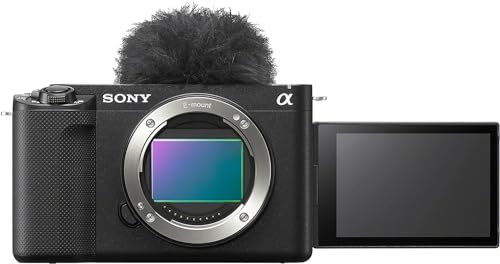
- 12.1 megapixel full-frame Exmor R sensor; BIONZ XR processor with AI unit; 4K 120p and 10-bit 4:2:2 video; 5-axis in-body stabilization; NP-FZ100 battery; about 483 g body alone.

- Super-cardioid shotgun microphone; 14.6mm large-diameter capsule; Multi Interface Shoe mount; no cable or battery needed; wind screen included; about 34 g.

- Bluetooth wireless shooting grip and tripod; remote shutter, video and zoom controls; tripod thread mount; load capacity about 1.5 kg; folds for travel; about 215 g.
All 4 Picks at a Glance
| Product | Specs | Action |
|---|---|---|
| 2. Sony ZV-E1 Full-Frame Vlog Camera Body |
| Check price on Amazon |
| 3. Sony ECM-G1 Vlogger Shotgun Microphone |
| Check price on Amazon |
| 4. Sony GP-VPT2BT Wireless Shooting Grip and Tripod |
| Check price on Amazon |
 5. Sony NP-FZ100 Rechargeable Battery |
| Check price on Amazon |
Our Top Picks
Sony built two cameras that look alike at first glance, yet they serve different creators. The ZV-E10 II is a light, affordable APS-C vlog camera with a kit zoom lens in the box. The ZV-E1 is a compact full-frame vlog camera with a larger sensor, stronger low-light ability and cinema-style video tools. Both share the Sony E-mount, the same NP-FZ100 battery and the same creator modes. The choice comes down to how much image quality, low-light reach and video depth you need, and how much weight and cost you are willing to carry for it.
As an Amazon Associate, we earn from qualifying purchases.
At a Glance
The ZV-E10 II pairs a 26 megapixel APS-C sensor with the BIONZ XR processor. It records 4K video at up to 60 frames per second with oversampling from 5.6K, and Full HD at up to 120 frames per second for slow motion. It has no in-body image stabilization, relying on lens stabilization and digital Active Mode instead. It weighs about 377 grams for the body alone, making it one of the lightest interchangeable-lens vlog cameras Sony sells.
The ZV-E1 pairs a 12.1 megapixel full-frame sensor with the same BIONZ XR processor and a dedicated AI processing unit. It records 4K video at up to 120 frames per second, with 10-bit 4:2:2 colour, S-Log3 and S-Cinetone. It has 5-axis in-body image stabilization with Dynamic Active Mode for walking shots. It weighs about 483 grams for the body alone, which is heavier than the ZV-E10 II, yet still small for a full-frame body.
If you want the lightest kit for daily vlogs and travel, the ZV-E10 II is the easy pick. If you want the cleanest low-light footage and the most flexible video files for colour work, the ZV-E1 is the stronger tool.
Sensor Size and Image Quality
Sensor size is the biggest difference between these two cameras. The ZV-E10 II uses an APS-C sensor measuring about 23.3 by 15.5 millimetres, with 26 megapixels. That resolution gives you room to crop still images, and it delivers crisp 4K video oversampled from a wider 5.6K readout. For daylight vlogs, travel clips and studio talking-head videos, the APS-C sensor is more than enough, and the smaller sensor keeps the body and lenses compact.
The ZV-E1 uses a full-frame sensor measuring about 35.6 by 23.8 millimetres, with 12.1 megapixels. The lower pixel count is a deliberate choice for video. Each pixel is larger, so it gathers more light, and the sensor reads out quickly with less rolling shutter. The result is cleaner footage in dim rooms, at dusk and under mixed indoor lighting, where the APS-C sensor begins to show noise sooner. The full-frame sensor also gives a shallower depth of field at the same aperture and framing, so backgrounds melt away more easily behind your subject.
Lens choice also changes with sensor size. The ZV-E10 II uses smaller, lighter APS-C lenses, while the ZV-E1 uses full-frame FE lenses that give a true wide-angle view at 24mm and below. An APS-C body applies a 1.5x crop, so a 24mm lens behaves like a 36mm lens on the ZV-E10 II.
Autofocus Compared
Both cameras use Sony phase-detection autofocus with real-time tracking, eye detection for people and animals, and subject recognition that holds focus on a face even when the subject turns away. For vlogging, both cameras lock onto the presenter quickly and stay with them while they move around the frame. Product Showcase mode shifts focus smoothly from your face to an object held up to the lens, which is handy for unboxings and gear demos, and Background Defocus mode opens the aperture for a soft background with one touch.
The ZV-E1 adds a dedicated AI processing unit that improves subject recognition. It tracks people, animals, birds, cars, trains and planes with more confidence, and it holds onto a subject through clutter and brief obstructions better than the ZV-E10 II. In practice, that means fewer focus hunts when you walk through a busy street or film a pet moving through grass. The ZV-E10 II autofocus is fast and reliable for the usual vlog situations, but the ZV-E1 is steadier when the scene gets busy.
Video Features Head to Head
Video is where the ZV-E1 pulls ahead most clearly. It records 4K at up to 120 frames per second without a crop, which gives smooth slow motion at full 4K resolution. It records 10-bit 4:2:2 colour internally, which holds far more colour information for grading than 8-bit files, and it supports S-Log3, S-Cinetone, HLG and user LUTs. It also offers breathing compensation, which keeps framing steady when focus changes during a shot, and a cinematic vlog mode with a 2.35:1 aspect ratio and film-style colour.
The ZV-E10 II records 4K at up to 60 frames per second and Full HD at up to 120 frames per second. It also offers 10-bit 4:2:2 colour, S-Log3, S-Cinetone and cinematic vlog mode, so it is no slouch for creators who want a film look. The main limits are the 4K 60 frame ceiling and the APS-C sensor, which means less low-light headroom and a deeper depth of field at matched framing. For most vlogs, tutorials and travel videos, 4K 60 is plenty, and the files are smaller and easier to edit on a modest laptop.
Stabilization and IBIS
Stabilization is another clear split. The ZV-E1 has 5-axis in-body image stabilization, rated to about 5 stops, plus Dynamic Active Mode, which combines sensor shift with digital correction for very steady walking footage. You can walk and talk with a wide lens and get usable footage without a gimbal in many situations. The stabilization also helps with still images at slower shutter speeds, and it works with any lens, including vintage manual lenses adapted to E-mount.
The ZV-E10 II has no in-body image stabilization. It relies on optical stabilization in the lens and on Active Mode, which crops into the frame and applies digital correction. With the 16-50mm kit lens, which has optical stabilization, handheld footage is usable for static and slow-moving shots. For walking shots, the footage is shakier than the ZV-E1, and the Active Mode crop narrows the field of view, which matters at the wide end for arm-length vlogging. A small gimbal or a shooting grip helps the ZV-E10 II a lot, while the ZV-E1 can often go without one.
Battery and Handling
Both cameras use the same Sony NP-FZ100 battery, which is good news for anyone who owns other Sony Alpha bodies. The ZV-E1 is rated for about 570 still images per charge, while the ZV-E10 II is rated for about 610 still images per charge under the same test method, so the APS-C body lasts a little longer on paper. In video use, both cameras drain a battery faster, especially when recording 4K at high frame rates with the screen at full brightness. Carry at least one spare battery for a full day of filming, and charge over USB-C between takes when you can.
Handling differs in size and controls. The ZV-E10 II is smaller and lighter, with a deep grip and a simple top plate. The ZV-E1 is larger and heavier, with a more substantial grip and a layout that suits longer shoots. Both cameras have a single SD card slot, a USB-C port, a micro HDMI port and a fully articulating touch screen.
Which Camera Should You Choose?
Choose the ZV-E10 II if you are new to vlogging, you want the lightest kit, you shoot mostly in daylight or well-lit rooms, and you want a kit lens in the box so you can film on day one. It is also the better pick if you shoot a lot of still images alongside video, because the 26 megapixel sensor gives you more cropping room. Pair it with a fast prime lens for indoor work and a spare battery, and you have a capable daily creator kit that fits in a small bag.
Choose the ZV-E1 if you shoot in low light often, you want the shallowest depth of field, you need 4K at 120 frames per second, you grade 10-bit files, or you film while walking and need the strongest stabilization Sony offers in this size. It is also the better pick for client work, events and documentaries where the full-frame look and the cleaner high-sensitivity files make a visible difference. The trade-off is a higher outlay, a heavier kit and larger full-frame lenses, so budget for glass as well as the body.
The Five Picks
1. Sony ZV-E10 II with 16-50mm Lens Kit
This is the camera to buy if you want a complete vlog kit in one box. The 26 megapixel APS-C sensor, BIONZ XR processor and 16-50mm power zoom lens cover wide selfies, medium talking-head shots and light travel photography without extra glass.
Specs
- 26 megapixel APS-C Exmor R sensor; BIONZ XR processor; 4K 60p and Full HD 120p video; 16-50mm f/3.5-5.6 OSS II kit lens; NP-FZ100 battery; about 377 g body alone.
2. Sony ZV-E1 Full-Frame Vlog Camera Body
- 12.1 megapixel full-frame Exmor R sensor; BIONZ XR processor with AI unit; 4K 120p and 10-bit 4:2:2 video; 5-axis in-body stabilization; NP-FZ100 battery; about 483 g body alone.
This is the camera to buy if low light, stabilization and cinema video matter most. The 12.1 megapixel full-frame sensor gathers more light per pixel, the 5-axis in-body stabilization steadies walking shots, and 4K at up to 120 frames per second gives smooth slow motion at full resolution.
3. Sony ECM-G1 Vlogger Shotgun Microphone
- Super-cardioid shotgun microphone; 14.6mm large-diameter capsule; Multi Interface Shoe mount; no cable or battery needed; wind screen included; about 34 g.
Both cameras benefit from a better microphone than the built-in mics, and this compact shotgun is made for vloggers. It mounts on the Multi Interface Shoe, draws power from the camera, and needs no cable or battery of its own.
4. Sony GP-VPT2BT Wireless Shooting Grip and Tripod
- Bluetooth wireless shooting grip and tripod; remote shutter, video and zoom controls; tripod thread mount; load capacity about 1.5 kg; folds for travel; about 215 g.
This grip solves two problems at once for both cameras. In the hand, it gives a secure hold for arm-length vlogging and one-handed filming. On a table, it opens into a mini tripod for static shots and hands-free framing.
5. Sony NP-FZ100 Rechargeable Battery
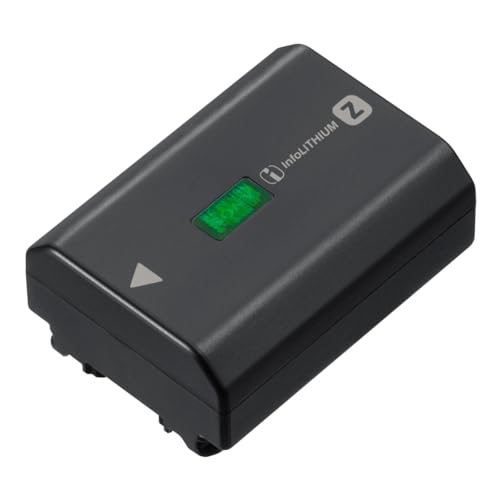
- Genuine Sony NP-FZ100 battery; 2280mAh capacity; 7.2V lithium-ion; fits ZV-E10 II and ZV-E1; USB-C charging in camera; about 83 g.
Both cameras use this battery, so a spare is the simplest upgrade you can buy for either body. Video drains a battery faster than still images, especially at 4K with a bright screen, and a spare in your pocket means you can keep filming through a long walk or a full event.
Final Thoughts
The ZV-E10 II and the ZV-E1 are both excellent vlog cameras, yet they answer different needs. The ZV-E10 II is lighter, simpler and easier to carry, with higher still resolution and a kit lens that gets you filming at once. The ZV-E1 is stronger in low light, steadier on the move, and deeper in video features. If you film daily vlogs in good light, the ZV-E10 II is the sensible pick. If you film events and client work where image quality is the priority, the ZV-E1 is worth the extra weight and outlay.
Frequently Asked Questions
Which camera is better for low-light vlogging, the ZV-E10 II or the ZV-E1?
The ZV-E1 is better for low-light vlogging. Its full-frame sensor has larger pixels that gather more light, so footage stays cleaner at high sensitivity settings. The ZV-E10 II is fine in bright rooms and daylight, but it shows noise sooner in dim settings.
Does the ZV-E10 II have in-body image stabilization like the ZV-E1?
No, the ZV-E10 II has no in-body image stabilization. It relies on lens stabilization and digital Active Mode, which crops the frame. The ZV-E1 has 5-axis in-body stabilization with Dynamic Active Mode, which steadies walking shots far better.
Can both cameras use the same lenses and accessories?
Both cameras use the Sony E-mount, so they share lenses, microphones, grips and batteries in many cases. Full-frame FE lenses work on both bodies, but they are cropped to APS-C field of view on the ZV-E10 II. APS-C lenses work on the ZV-E10 II at full value, but they vignette on the ZV-E1 unless you use its APS-C crop mode.
Which camera should a beginner vlogger choose?
A beginner vlogger should usually choose the ZV-E10 II. It is lighter, simpler to learn, and it ships as a kit with a versatile 16-50mm lens, so you can film at once without buying extra glass. Its autofocus, creator modes and 4K video cover daily vlogs and tutorials well.
More from Amazon
Programs that pair well with the guide above. Offers and eligibility are set by Amazon and may change.
Free shipping on eligible items, Prime Video and more. Eligible new members can start with a free trial.
Start a Prime free trialAudiobooks and podcasts to listen to on the go. Eligible new members can start with a free trial.
Try Audible freeAd-free music streaming. Eligible new subscribers can start with a free trial.
Try Music Unlimited freeA free business account with business pricing and bulk-buying tools for work, shop or home office.
Create a business accountAs an Amazon Associate we earn from qualifying purchases.









