Our Short List of 3
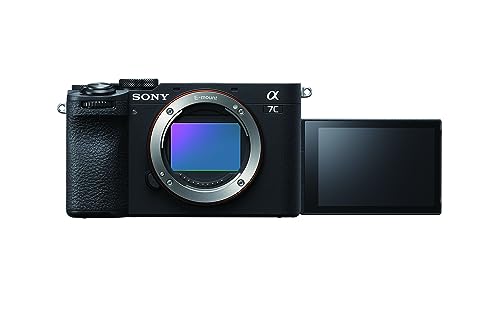
- 33-megapixel full-frame Exmor R CMOS sensor; BIONZ XR processor; AI processing unit with subject detection; 5-axis in-body stabilisation; 10 frames per second; 4K 60p video; single SD UHS-II card slot; around 514 grams body only.

- 33-megapixel full-frame Exmor R CMOS sensor; BIONZ XR processor; 759-point Fast Hybrid autofocus with Real-time Eye AF; 5-axis SteadyShot stabilisation; 10 frames per second; 4K 60p video; dual card slots (CFexpress Type A and SD UHS-II); around 658 grams body only.

- 24.5-megapixel partially stacked full-frame CMOS sensor; EXPEED 7 processor; 20 frames per second RAW and 120 frames per second JPEG; 8-stop in-body stabilisation; 4,000-nit electronic viewfinder; 6K 60p N-RAW video; CFexpress Type B and SD UHS-II card slots; model 1890; body only.
All 4 Picks at a Glance
| Product | Specs | Action |
|---|---|---|
| 1. Sony A7C II |
| Check price on Amazon |
| 2. Sony A7 IV |
| Check price on Amazon |
| 4. Nikon Z6 III |
| Check price on Amazon |
 5. Fujifilm X100VI |
| Check price on Amazon |
Our Top Picks
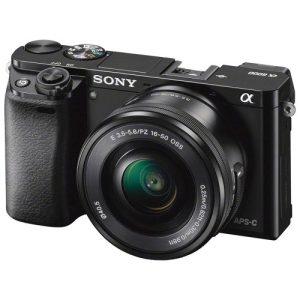
- Sony Alpha 7C II Full-Frame Interchangeable Lens Camera4.902.5 x 4.9 x 2.8 inches0.95 PoundsCheck on Amazon
- Sony Alpha 7 IV Full-frame Mirrorless Interchangeable Lens5.45 x 3.80 x 2.83 inches9.6 x 6.5 x 6.7 inches2.2 PoundsCheck on Amazon
Gorse is the loudest plant on the heath. In late winter and early spring, a gorse bush bursts into yellow pea-shaped flowers that smell of coconut and fill a whole hillside with colour. The branches are armed with sharp spines, the ground is uneven, and the wind rarely lets up. It is a generous subject for a photographer who comes prepared, and a difficult one for a camera that cannot focus close or cope with bright, gusty light.
This guide looks at five cameras that suit gorse work. Every one of them is a real camera you can buy, with an honest list of what it does well and where it falls short.
As an Amazon Associate, we earn from qualifying purchases.
Gorse on the Heath
Gorse is a spiny evergreen shrub in the pea family, Fabaceae. Its botanical name is Ulex europaeus, and it grows on heaths, commons, coastal slopes and roadside banks across western Europe. The flowers are small, bright yellow and shaped like a pea blossom, and they appear in the largest numbers from late winter into spring, though a few flowers can be found in almost any month.
For photography, the best gorse is at the edge of a path. A bush that stands alone against the sky makes a clean frame, and a low bush with the light behind it glows at the edges. Work from the path, keep your distance from the spines, and never break a branch to clear a view. The spines will tear a sleeve, scratch a lens hood and punish a tripod leg that is pushed into the bush, so leave a little room between you and the plant.
Gorse Is Not Heather
Gorse and heather share the same ground, and people often mix them up. They are not the same plant, and they belong to different families. Gorse is Ulex europaeus, in the pea family Fabaceae. Heather is Calluna vulgaris, in the heath family Ericaceae. Both are heathland shrubs, but they look, feel and photograph very differently.
The flowers are the clearest test. Gorse flowers are yellow, pea-shaped and about the size of a thumbnail, with a strong coconut scent. Heather flowers are tiny, pink or purple, bell-shaped, and crowded along the stems in a dense spike.
The branches give the second test. Gorse branches end in hard, sharp spines that will draw blood if you grip them. Heather has no spines at all. Its stems are thin and wiry, with tiny scale-like leaves pressed close to the stem. You can run a hand over heather without harm. You cannot do the same with gorse. Knowing which plant you are looking at changes how you work: gorse needs distance, gloves and care around the spines, while heather invites you to kneel close and work at ground level.
What a Gorse Camera Needs
A gorse camera needs three things. First, it needs a close-focusing lens. The flowers are small, and a standard kit lens that cannot focus close will leave you with a bush and no detail. Every interchangeable-lens body in this guide needs a macro or close-focusing lens before it is ready for tight gorse work.
Second, it needs weather sealing. Heathland is exposed, and a shower can arrive with no warning. A sealed body and a sealed lens let you keep working through light rain, while an unsealed body has to go back in the bag. None of these cameras is fully waterproof, and none of them should be left out in heavy rain, but good sealing buys you time.
Third, it needs a fast, sure autofocus. Wind moves gorse flowers constantly, and a slow autofocus system will hunt while the flower sways. A camera with reliable subject detection and a quick lock will catch the flower at the moment it holds still.
1. Sony A7C II
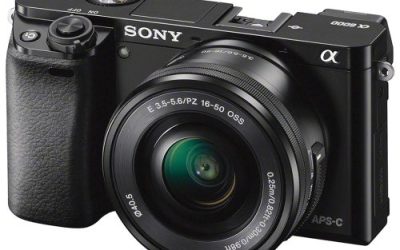
- 33-megapixel full-frame Exmor R CMOS sensor; BIONZ XR processor; AI processing unit with subject detection; 5-axis in-body stabilisation; 10 frames per second; 4K 60p video; single SD UHS-II card slot; around 514 grams body only.
The Sony A7C II is the smallest full-frame camera in this guide, and its size is its greatest strength on the heath. It slips into a jacket pocket with a small lens attached, it weighs little on a long walk, and it still carries a 33-megapixel full-frame sensor with excellent low-light behaviour.
The A7C II is a strong gorse camera for walkers. Its autofocus locks onto small subjects well, its sensor keeps yellow tones clean, and its stabilisation lets you shoot at slow shutter speeds when the light fades.
The trade-offs are real. There is only one card slot, so you cannot record a backup copy in the camera. The viewfinder is small and less comfortable than the viewfinders on the larger bodies in this guide. And like every interchangeable-lens body here, it needs a close-focusing lens before it is ready for tight gorse work. The A7C II suits a photographer who walks far and values a light kit above all else.
2. Sony A7 IV
- 33-megapixel full-frame Exmor R CMOS sensor; BIONZ XR processor; 759-point Fast Hybrid autofocus with Real-time Eye AF; 5-axis SteadyShot stabilisation; 10 frames per second; 4K 60p video; dual card slots (CFexpress Type A and SD UHS-II); around 658 grams body only.
The Sony A7 IV is the steady all-rounder of this guide. It is bigger than the A7C II, but it gives you a larger viewfinder, two card slots, deeper controls and a more confident grip, which matters when you work with gloves on a cold heath.
The A7 IV is a dependable gorse camera. Its autofocus is fast and sure in wind, its dual slots give you a backup copy of every frame, and its larger body is easier to hold steady when a gust catches your elbows.
The trade-offs are weight and bulk. It is heavier than the A7C II, and on a long walk the difference adds up. Like every interchangeable-lens body in this guide, it needs a close-focusing lens before it is ready for tight gorse work. The A7 IV suits a photographer who wants one camera that does everything well and does not mind carrying it.
3. Nikon Z5 II
The Nikon Z5 II is the newest body in this guide, and it brings a surprising amount of professional ability to a modest body. Its autofocus works down to very dark light, its stabilisation is strong, and its viewfinder is bright and clear, which helps on a glaring heath.
Specs
- 24.5-megapixel full-frame BSI CMOS sensor; EXPEED 7 processor; autofocus down to -10 EV; 7.5-stop in-body stabilisation; 3,000-nit electronic viewfinder; 4K 60p video with 12-bit N-RAW; dual SD UHS-II card slots; model 1680; body only.
The Z5 II is a fine gorse camera for dawn and dusk. Its low-light autofocus holds onto a flower when the light is fading, its stabilisation lets you shoot handheld at slow speeds, and its bright viewfinder stays readable in strong sun.
The trade-offs are resolution and speed. At 24.5 megapixels it gives you less room to crop than the 33-megapixel Sonys or the 40-megapixel Fujifilm, so frame tightly rather than planning to crop later. Its burst speed is slower than the Z6 III, so it is less suited to fast-moving subjects, though gorse flowers do not move fast. Like every interchangeable-lens body in this guide, it needs a close-focusing lens before it is ready for tight gorse work. The Z5 II suits a photographer who works in low light and values a bright viewfinder and strong stabilisation.
4. Nikon Z6 III
- 24.5-megapixel partially stacked full-frame CMOS sensor; EXPEED 7 processor; 20 frames per second RAW and 120 frames per second JPEG; 8-stop in-body stabilisation; 4,000-nit electronic viewfinder; 6K 60p N-RAW video; CFexpress Type B and SD UHS-II card slots; model 1890; body only.
The Nikon Z6 III is the fastest camera in this guide, and its speed shows in wind. Its partially stacked sensor reads out quickly, its autofocus tracks a swaying flower without lag, and its burst rate catches the brief moment when a flower holds still between gusts.
The Z6 III is the best gorse camera in this guide for windy days. Its autofocus is quick and sure, and its bright viewfinder is the clearest here. Its weather sealing is solid, with the same dust and drip resistance as the larger Z8, which is reassuring on an exposed heath.
The trade-offs are resolution and cost of cards. Like the Z5 II, it gives you 24.5 megapixels, so crop room is limited. Its fastest burst rates need a CFexpress Type B card, which is an extra purchase if you do not own one already. The body is larger and heavier than the Sonys, so it is less suited to very long walks. Like every interchangeable-lens body in this guide, it needs a close-focusing lens before it is ready for tight gorse work. The Z6 III suits a photographer who works in wind and wants the fastest, most confident autofocus in this group.
5. Fujifilm X100VI
- 40.2-megapixel APS-C X-Trans CMOS 5 HR sensor; X-Processor 5; fixed 23mm f/2 lens; 6-stop in-body stabilisation; 20 film simulation modes including REALA ACE; 6.2K 30p video; 4-stop built-in neutral density filter; model 16821822.
The Fujifilm X100VI is the odd one out in this guide, and it earns its place by being different. It has a fixed 23mm f/2 lens, which means you cannot change lenses at all, and it cannot focus as close as a dedicated macro lens. What it gives you in return is a camera that is always with you, always ready, and a pleasure to use.
The X100VI is a good gorse camera for wide, environmental pictures. Its 23mm lens takes in a whole bush, a stretch of heath and a wide sky in one frame, and its film simulations give the yellow flowers a warm, pleasing tone straight out of the camera.
The trade-offs are honest and important. The fixed 23mm lens is a reach trade-off: you cannot zoom in on a single flower, and you cannot fit a macro lens. Its closest focus distance is longer than a macro lens, so tight flower portraits are not its strength. It has no weather sealing to speak of, so it must go in the bag when rain arrives. The X100VI suits a photographer who wants a pocket camera for the whole heath, not a specialist tool for a single flower.
Which One to Choose
Choose the A7C II if you walk far and want the lightest full-frame kit. Choose the A7 IV if you want one dependable camera with two card slots and a solid grip. Choose the Z5 II if you work at dawn and dusk and want the brightest viewfinder and strongest low-light focus. Choose the Z6 III if you work in wind and want the fastest autofocus and the best sealing. Choose the X100VI if you want a pocket camera for wide heathland scenes and accept that it cannot do tight flower portraits.
Whichever body you pick, the lens matters more than the body for gorse. A close-focusing lens, or a short macro lens, is what turns a picture of a bush into a picture of a flower.
Frequently Asked Questions
Is gorse the same plant as heather?
No. Gorse is Ulex europaeus, in the pea family Fabaceae, with yellow pea-shaped flowers and sharp spines. Heather is Calluna vulgaris, in the heath family Ericaceae, with tiny pink or purple bell-shaped flowers and no spines. They share the same heathland ground, but they are different plants in different families, and they flower in different seasons.
When is the best time to photograph gorse?
Late winter and spring, when the yellow flowers are at their fullest. Early morning gives the warmest light and the calmest air, so the flowers hold still for focus. Midday light is hard and flat, and it washes out the yellow.
Do I need a macro lens for gorse flowers?
A macro lens is the best tool for a single gorse flower, because the flowers are small and a standard lens cannot focus close enough. A close-focusing zoom or a short macro lens will do the job. If you only own a standard kit lens, step back and photograph the whole bush instead of chasing a single flower.
Can I photograph gorse in the rain?
Light rain is workable with a weather-sealed body and a sealed lens, but keep the camera under cover between shots and dry it off when you get home. The X100VI has no real weather sealing, so it should go in the bag at the first sign of rain.
More from Amazon
Programs that pair well with the guide above. Offers and eligibility are set by Amazon and may change.
Free shipping on eligible items, Prime Video and more. Eligible new members can start with a free trial.
Start a Prime free trialAudiobooks and podcasts to listen to on the go. Eligible new members can start with a free trial.
Try Audible freeAd-free music streaming. Eligible new subscribers can start with a free trial.
Try Music Unlimited freeA free business account with business pricing and bulk-buying tools for work, shop or home office.
Create a business accountAs an Amazon Associate we earn from qualifying purchases.