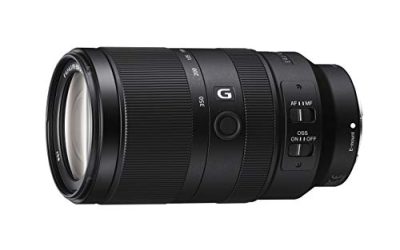
Our Short List of 3

- 24.5MP full-frame BSI CMOS sensor, EXPEED 7 processor, 8-stop in-body stabilisation, 96MP pixel shift mode, 4K/60 video, dual card slots, body only
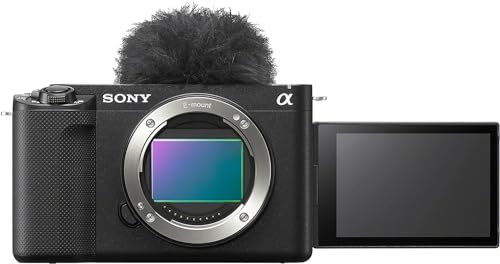
- 12.1MP full-frame Exmor R sensor, AI processing unit, 5-axis in-body stabilisation, 4K/60 video, no viewfinder, no hot shoe, body only, around 483 g

- 26MP APS-C Super 35 sensor, JPEG stills only with no RAW stills, no viewfinder, no mechanical shutter, 4K/120 video, 5-axis stabilisation, body only
All 4 Picks at a Glance
| Product | Specs | Action |
|---|---|---|
| Nikon Zf |
| Check price on Amazon |
| Sony ZV-E1 |
| Check price on Amazon |
| Sony FX30 |
| Check price on Amazon |
 Canon EOS R8 Kit |
| Check price on Amazon |
Key takeaways
- Five cameras for hibiscus photography, from a retro full-frame body to a compact cinema rig, with honest trade-offs and garden etiquette for every bloom.
Hibiscus is a generous subject and a demanding one. A single bloom can be wider than your hand, with five broad petals, a tall central column of stamens, and colours that run from pure white through soft pink to a deep red that can overwhelm a sensor. A camera that handles bold colour, keeps detail in bright petals, and focuses close enough to fill the frame with one flower will serve you well. The five cameras below do that work in five different ways, and each one carries an honest trade-off you should know before you buy.
As an Amazon Associate, we earn from qualifying purchases.
Hibiscus and the Mallow Family
Hibiscus belongs to the mallow family, Malvaceae, a wide family that also holds cotton, hollyhock, okra, cacao, kapok, jute, and balsa. The family link shows in the flowers: five petals, a central column, and a soft, almost papery texture. Tropical hibiscus, Hibiscus rosa-sinensis, is the big glossy bloom most people picture, grown in warm gardens and pots. Hardy hibiscus, such as Hibiscus moscheutos and Hibiscus syriacus, the rose-of-sharon, grows in cooler gardens and carries blooms that can be even larger. All of them share the same photographic problem. The petals are broad and thin, so harsh midday sun blows out the reds and pinks while the centre falls into shadow. Morning light, or the soft light of a cloudy day, keeps the colour honest.
A hibiscus bloom lasts about a day. That short life sets the rhythm of the work. Walk the garden in the early morning, find the blooms that opened overnight, and photograph them before the sun climbs high. A bloom that opened yesterday will look tired, its edges curling and its colour fading. Fresh blooms hold their shape, and the stamen column stands upright instead of drooping. If you visit a public garden, check when the gates open and plan to be there early. The first hour of light is the best hour for this flower.
What to Look for in a Hibiscus Camera
Colour handling comes first. Hibiscus reds and magentas push hard against the red channel, and a camera that clips those tones will turn a rich bloom into a flat patch of colour. A sensor with good dynamic range and a camera that lets you dial exposure down a little will keep the petals detailed. Shoot in RAW when the camera allows it, so you can recover the highlights later, and check the histogram after your first few frames rather than trusting the screen alone.
Close focus comes second. A hibiscus bloom is large, so you do not need a true macro lens, but you do need a lens that focuses close enough to fill the frame with one flower. Every interchangeable-lens camera in this guide is sold without a lens, or with a kit lens, and you will need a macro or close-focusing lens before it is ready for tight flower work. A short telephoto with close focus, or a dedicated macro lens, gives you the working distance to photograph a bloom without casting your own shadow across it.
Stabilisation comes third. Hibiscus grows on shrubs and small trees, and the blooms move in the breeze. In-body stabilisation helps when you are shooting handheld at slower shutter speeds in shade, and it matters most on the cameras that pair with lenses lacking their own stabilisation. A camera with strong stabilisation lets you work without a tripod in a garden where a tripod would block the path.
Nikon Zf
- 24.5MP full-frame BSI CMOS sensor, EXPEED 7 processor, 8-stop in-body stabilisation, 96MP pixel shift mode, 4K/60 video, dual card slots, body only
The Nikon Zf is the most characterful camera in this set. Its dials and retro styling recall Nikon’s film cameras, but the sensor and processor are thoroughly modern: a 24.5MP full-frame BSI sensor and the EXPEED 7 processor, the same engine found in Nikon’s flagship bodies. Autofocus is quick and confident, locking onto a bloom even when the wind moves it, and the 8-stop in-body stabilisation keeps handheld shots steady in the shade of a shrub. The 96MP pixel shift mode can record enormous detail in a still bloom on a calm morning, though it needs a tripod and a flower that holds still.
The Zf suits a photographer who enjoys the act of shooting as much as the result. The manual dials slow you down in a good way, and the full-frame sensor renders the soft gradations of a pink petal with real care. The trade-off is weight and bulk next to the smaller cameras here, and the retro control layout takes a few outings to learn. Check stock before ordering, as availability of the body-only listing varies.
Sony ZV-E1
- 12.1MP full-frame Exmor R sensor, AI processing unit, 5-axis in-body stabilisation, 4K/60 video, no viewfinder, no hot shoe, body only, around 483 g
The Sony ZV-E1 is the smallest full-frame camera in this guide, built for creators who want a light body that disappears into a garden visit. Its 12.1MP full-frame sensor is tuned for sensitivity and clean high-ISO files, so it handles the dim light under a hibiscus shrub better than its resolution suggests. The AI processing unit drives subject detection that holds focus on a bloom while the breeze moves it, and the 5-axis stabilisation smooths handheld work at slow shutter speeds.
The low resolution is the honest trade-off. Twelve megapixels is enough for prints and screens, but it gives you less room to crop into a single stamen or a petal edge than the higher-resolution bodies here. There is no viewfinder and no hot shoe, so you compose on the rear screen and rely on natural light or a small continuous light rather than a flash. For a gardener who wants a pocketable full-frame camera and is happy to frame on a screen, the ZV-E1 is a fine companion.
Sony FX30
- 26MP APS-C Super 35 sensor, JPEG stills only with no RAW stills, no viewfinder, no mechanical shutter, 4K/120 video, 5-axis stabilisation, body only
The Sony FX30 is a cinema camera that happens to take still photographs, and that identity shapes everything about it. Its 26MP APS-C Super 35 sensor records lovely colour, and the video features are far beyond what any other camera here offers. For stills, though, the FX30 is the weakest pick in this set, and the article says so plainly. It shoots JPEG stills only, with no RAW stills, no viewfinder, and no mechanical shutter. That combination limits how far you can push a file in editing and how comfortably you can compose in bright sun.
Why include it, then? Because some hibiscus photographers work in video as well as stills, filming a bloom opening in timelapse or recording the way a breeze moves a branch. For that hybrid work, the FX30 is excellent. Its colour science flatters reds and pinks, and its compact body mounts easily on a small rig. If you only shoot stills, choose another camera from this guide. If you shoot both, the FX30 earns its place.
Canon EOS R8 Kit
- 24.2MP full-frame CMOS sensor, Dual Pixel CMOS AF II, RF 24-50mm f/4.5-6.3 IS STM kit lens, 4K/60 video, no in-body stabilisation, single card slot, kit
The Canon EOS R8 kit is the most straightforward camera in this guide: a light full-frame body with a kit lens, ready to shoot the moment you open the box. The 24.2MP full-frame sensor and Dual Pixel CMOS AF II deliver quick, reliable focus, and the RF 24-50mm f/4.5-6.3 IS STM kit lens focuses close enough for a full bloom portrait, though it cannot match a dedicated macro lens for tight detail. The R8 weighs little and handles easily on a long garden walk, and its colour rendering suits warm flower tones.
The trade-off is the absence of in-body stabilisation, so the camera leans on the lens for steady shots. The kit lens has stabilisation, but a lens without it will leave you without any. The R8 also has a single card slot and a modest battery, so carry a spare card and a spare battery on a long morning. This is the kit listing, not the body-only listing, and the article notes the difference clearly.
Panasonic GH7
The Panasonic GH7 rounds out the set with the strongest video credentials and the deepest depth of field of any camera here. Its 25.2MP Micro Four Thirds sensor and phase detection autofocus track a moving bloom with confidence, and the 5.7K/60p video with internal ProRes RAW recording suits anyone filming hibiscus alongside stills. The smaller sensor gives more depth of field at the same aperture, which helps when you want the whole bloom, from petal edge to stamen tip, in focus at once.
The trade-off is the smaller sensor, which gathers less light than the full-frame bodies and shows more noise in deep shade. The GH7 is also the most complex camera here, with menus that reward patience and punish haste. For a photographer who values video, deep focus, and a compact system of small lenses, it is a strong choice. For pure stills in low light, the full-frame bodies have the edge.
Specs
- 25.2MP Micro Four Thirds sensor, phase detection autofocus, 5.7K/60p video, ProRes RAW internal recording, 5-axis stabilisation, body only
Garden Etiquette for Hibiscus
Hibiscus grows in gardens, parks, and public plantings, and the rules are simple. Stay on the paths and never step into a planted bed. A hibiscus shrub has shallow roots and brittle branches, and a careless foot or a leaning body can snap a stem that took a season to grow. Never pick a bloom, even one that looks spent. The flower will fall on its own, and the plant needs its leaves and buds intact. In a private garden, ask permission before you shoot, and leave gates as you found them. In a public garden, check whether tripods are allowed before you bring one; a monopod or a handheld camera is usually welcome where a tripod is not.
Work around the plant rather than moving it. If a bloom faces away from the light, walk to the other side instead of bending the branch toward you. If bees are working the flowers, give them room and wait your turn. A hibiscus in full bloom draws pollinators, and a patient photographer gets the bloom and the bee in the same frame without disturbing either.
How the Five Compare
The Zf is the best all-round stills camera here, with the strongest stabilisation and the most satisfying handling. The ZV-E1 is the lightest full-frame option and the best in dim light for its size, though its low resolution limits cropping. The FX30 is the video specialist and the weakest stills camera, honest about both. The R8 kit is the simplest way to begin, ready out of the box with a capable lens. The GH7 is the deepest-focus option and the best video camera of the five, with the smallest sensor as its cost. No single camera wins every category, and the right choice depends on whether you shoot stills only, video as well, or a mix of both.
Which hibiscus should I photograph first?
Look for a tropical hibiscus in a sunny garden or a hardy hibiscus in a cooler bed. Tropical blooms are glossier and bolder, while hardy blooms are larger and softer. Both photograph well in morning light. A fresh bloom that opened overnight, with upright stamens and uncurled petal edges, is the best subject. Avoid blooms from the previous day, which look tired and faded.
Do I need a macro lens for hibiscus?
Not always, but it helps. A hibiscus bloom is large, so a kit lens or a short telephoto with close focus can fill the frame with one flower. A macro or close-focusing lens earns its keep when you want the stamen column, the pollen, or the texture of a single petal. Every interchangeable-lens camera in this guide needs a macro or close-focusing lens before it is ready for tight flower work, so budget for glass as well as the body.
What time of day is best for hibiscus photography?
Early morning is best. Hibiscus blooms open overnight and look freshest in the first hours of light, when the sun is low and the colour is soft. Midday sun blows out reds and pinks and throws hard shadows across the petals. Late afternoon can work if the bloom is shaded, but a bloom that opened in the morning will already be fading by then.
Can I photograph hibiscus in a public garden?
Yes, in most public gardens, with a few courtesies. Stay on the paths, never pick a bloom or bend a branch, and check whether tripods are allowed before you bring one. Ask at the gate if you are unsure, and respect any area marked closed. A handheld camera is welcome almost everywhere, and a quiet photographer who leaves the garden as found is welcome back.
More from Amazon
Programs that pair well with the guide above. Offers and eligibility are set by Amazon and may change.
Free shipping on eligible items, Prime Video and more. Eligible new members can start with a free trial.
Start a Prime free trialAudiobooks and podcasts to listen to on the go. Eligible new members can start with a free trial.
Try Audible freeAd-free music streaming. Eligible new subscribers can start with a free trial.
Try Music Unlimited freeA free business account with business pricing and bulk-buying tools for work, shop or home office.
Create a business accountAs an Amazon Associate we earn from qualifying purchases.