Key takeaways
- Lens barrier and zoom barrel: Sand grains jam the extending lens on non-rugged compacts. Never extend or retract the lens at the beach in wind. Keep the camera in a zip pouch, not an open tote.
- Battery door and card slot seals: Humidity and sunscreen make seals sticky. Rinse a rugged camera like the TG-7 in fresh water after salt exposure and dry before opening doors. For non-rugged cameras, wipe hands before handling and store with a small silica gel packet.
- Front element and stabilization: Fingerprints and lotion cause haze and focus hunting. Carry a microfiber cloth and blow off sand before wiping. Do not use shirt fabric.
- Heat: Leaving any camera on a dashboard or in direct sun can warp lens elements and degrade batteries. Keep it in shade and remove batteries if stored in a hot car.
What's inside
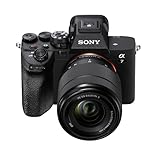
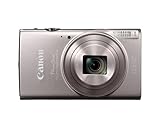
A good inexpensive camera for vacation pictures in 2026 is a compact zoom camera like the Panasonic Lumix ZS99 (TZ99), Canon PowerShot ELPH 360 HS, or OM System Tough TG-7 for beach and active trips, and an entry-level mirrorless like the Canon EOS R50 or Sony ZV-E10 if you want better image quality and interchangeable lenses without adding much weight. For most travelers, a pocketable compact with a 24-360mm equivalent zoom, 300+ shots per charge, and under 300g hits the best balance of simplicity, portability, and results.
As an Amazon Associate we earn from qualifying purchases at no extra cost to you.


Which Type Fits Your Trip Best?
Vacation cameras fail for three predictable reasons: too heavy to carry all day, too complicated to use quickly, or not durable enough for sand, humidity, and heat. The right choice depends on how you travel, not just image quality. Use this decision matrix before you compare specs.
| Your Situation | Best Fit | Why It Works | Trade-off to Accept |
|---|---|---|---|
| Day trips, city walking, family groups; want pocketable and simple | Compact zoom (Panasonic Lumix ZS99, Canon PowerShot ELPH 360 HS, Sony ZV-1) | Slips in a jacket pocket, fast auto modes, strong zoom for sights and food photos | Smaller 1-inch or 1/2.3-inch sensor; less blur and low-light performance than mirrorless |
| Beach, snorkeling, hiking, kids handling the camera | Rugged waterproof compact (OM System Tough TG-7, Ricoh WG-7) | Waterproof to 15m, freezeproof, crushproof; no case needed for sand and splashes | Shorter zoom range (25-100mm equiv.) and smaller sensor |
| Want the best photos to print or crop, will carry a small bag | Entry mirrorless (Canon EOS R50, Sony ZV-E10, Nikon Z30, Fujifilm X-T30 II) | APS-C sensor collects 3-4x more light than a compact; interchangeable lenses | Needs lens + extra battery; not pocketable |
| Tightest budget, mostly phone upgrade for zoom | Used or previous-gen compact (Canon PowerShot SX740 HS, Panasonic Lumix ZS70) | 20-30x zoom and better stabilization than a phone for under $300 market range | Older autofocus and video specs; check battery availability |
Top Light and Simple Picks for 2026 Compared
These models are widely available in 2026 and consistently recommended for travel because they prioritize weight, battery endurance, and easy automatic shooting. Prices vary by kit and retailer, but compact options generally fall in the $250-$550 range and entry mirrorless kits in the $500-$800 range.
| Model | Sensor / Lens | Weight (body only) | Dimensions | Battery Life (CIPA) | Zoom Range (equiv.) | Key Travel Feature |
|---|---|---|---|---|---|---|
| Panasonic Lumix ZS99 / TZ99 | 1/2.3″ 20.3MP, 24-720mm f/3.3-6.4 | 243g | 112 x 69.9 x 42.3 mm | ~380 shots | 30x optical | Longest pocketable zoom, USB-C charging, built-in EVF |
| Canon PowerShot ELPH 360 HS / IXUS 285 | 1/2.3″ 20.2MP, 25-300mm f/3.6-7.0 | 147g | 100 x 58 x 23 mm | ~300 shots | 12x optical | Smallest and lightest, true auto point-and-shoot |
| Sony ZV-1 | 1″ 20.1MP, 24-70mm f/1.8-2.8 | 294g | 105.5 x 60 x 43.5 mm | ~260 shots | 2.9x optical | Large 1″ sensor, excellent autofocus and video |
| OM System Tough TG-7 | 1/2.3″ 12MP, 25-100mm f/2.0-4.9 | 249g | 113.9 x 65.8 x 32.7 mm | ~340 shots | 4x optical | Waterproof 15m, shockproof 2.1m, macro microscope mode |
| Canon EOS R50 + 18-45mm kit | APS-C 24.2MP, RF-S 18-45mm f/4.5-6.3 | 375g (body) / 490g with lens | 116.3 x 85.5 x 68.8 mm | ~310 shots (310 LCD / 260 EVF) | 29-72mm equiv. kit | Best image quality for weight, guided auto mode |
| Sony ZV-E10 + 16-50mm kit | APS-C 24.2MP, E 16-50mm f/3.5-5.6 | 343g (body) / 459g with lens | 115.2 x 64.2 x 54.2 mm | ~440 shots | 24-75mm equiv. kit | Long battery, flip screen, strong video + stills |
CIPA battery numbers are lab estimates. Expect 15-25% less in real vacation use with frequent zooming, image review, and Wi-Fi transfers. USB-C charging on all of these except some older ELPH stock lets you recharge from a power bank without a separate charger.
What Actually Matters for Vacation Photos
1. Weight and Size You Will Carry
A camera left in the hotel is not a good camera. Under 250g means you will carry it in a pocket or cross-body pouch all day without neck fatigue. The ELPH 360 HS at 147g and TG-7 at 249g disappear in a pocket; the ZS99 at 243g is the limit for pants-pocket carry but fits easily in a small sling. An APS-C mirrorless kit around 460-500g requires a bag, which is fine for dedicated photo days but often too much for beach or amusement park days.
2. Zoom Range vs. Image Quality
For vacations, a versatile zoom beats a fast prime. A 24-360mm+ range covers wide architecture to distant details without changing lenses. That is why the ZS99 is a classic travel choice despite its smaller sensor. If you plan to shoot indoors, dinners, and portraits with background blur, prioritize the larger sensor of the Sony ZV-1 or an APS-C mirrorless. A 1-inch sensor gathers roughly 2.7x more light per area than a 1/2.3-inch sensor, which shows up as cleaner indoor shots and more natural skin tones.
3. Battery and Charging on the Road
Check two things: shots per charge and how it charges. For a full sightseeing day of 200-350 photos and short video clips, you need at least 300 CIPA shots or one spare battery.
Worked estimation: If your day involves 250 shots + 30 minutes of video + 20 minutes of reviewing and sending to your phone, budget battery as ~250 shots + (30 min video ≈ 90 shot equivalent) + Wi-Fi drain (~15%). Total ≈ 391 shot-equivalent. A camera rated at 260 shots will need a midday top-up or second battery; one rated at 380-440 shots will usually last the day with USB-C power bank charging during lunch.
4. Durability and Ownership Realities
Vacation conditions wear cameras faster than normal use. What fails first is not the sensor but the moving parts and seals:
- Lens barrier and zoom barrel: Sand grains jam the extending lens on non-rugged compacts. Never extend or retract the lens at the beach in wind. Keep the camera in a zip pouch, not an open tote.
- Battery door and card slot seals: Humidity and sunscreen make seals sticky. Rinse a rugged camera like the TG-7 in fresh water after salt exposure and dry before opening doors. For non-rugged cameras, wipe hands before handling and store with a small silica gel packet.
- Front element and stabilization: Fingerprints and lotion cause haze and focus hunting. Carry a microfiber cloth and blow off sand before wiping. Do not use shirt fabric.
- Heat: Leaving any camera on a dashboard or in direct sun can warp lens elements and degrade batteries. Keep it in shade and remove batteries if stored in a hot car.
Consumables to budget: an extra battery ($25-$65 for these models), a 64GB or 128GB UHS-I SD card (holds ~2,500-5,000 JPEGs at 20MP or ~90 minutes of 1080p), and a floating strap for waterproof models.
Setup for Simple, Sharp Results Without Learning Manual
Use this one-time setup to keep it simple and avoid common mistakes:
- Mode: Set to Auto or Scene Intelligent Auto. Turn on Auto ISO with a cap at ISO 3200 for compacts, 6400 for APS-C. This prevents blurry indoor shots.
- Focus: Enable Face/Eye Detection AF and continuous AF. Half-press to lock on moving kids, then shoot burst.
- Stabilization: Leave image stabilization on. For the ZS99 at full 720mm, brace elbows against your body or a railing; even with stabilization, shutter speeds below 1/500s will blur at that reach.
- Image quality: JPEG Fine or Large is enough for vacation prints and phone viewing. Only shoot RAW if you plan to edit later; it fills cards 3-4x faster.
- Video: Set to 1080p at 30fps unless you need 4K. 4K drains battery 30-40% faster and overheats compacts in sun.
- Phone transfer: Install the brand’s app (Panasonic Lumix Sync, Canon Camera Connect, OM Image Share, Sony Imaging Edge) and pair before the trip. Transfer a few select images each evening rather than all day to save battery.
Common Buying Mistakes to Avoid
- Chasing megapixels over zoom and stabilization: 20MP is plenty for 4×6 to 16×20 prints. A sharper stabilized 12MP file from a TG-7 underwater will look better than a shaky 20MP shot at full zoom.
- Buying a bulky superzoom that needs a tripod: 40-60x non-pocketable bridge cameras often exceed 600g and need very fast shutter speeds to stay sharp. For travel, a 12-30x pocketable zoom is more usable.
- Ignoring charging method: Some previous-generation compacts still use dedicated wall chargers only. USB-C charging is worth prioritizing for travel where outlet access is limited.
- Forgetting easy cleaning: Rugged cameras need rinsing after salt water, compacts need lens protection. A $10 clear filter is not possible on most compacts, so a pouch is your protection.
Bottom Line: Pick by Priority
For the lightest, most carefree vacation camera, get the Panasonic Lumix ZS99 if zoom is the priority or the Canon ELPH 360 HS if ultra-light simplicity is. For beach, boat, and kids, the OM System Tough TG-7 is the only inexpensive option you can safely use in and around water. If image quality and low-light performance matter most and you do not mind a small bag, the Canon EOS R50 or Sony ZV-E10 kit will noticeably outperform any compact while still staying under 500g.
Whatever you choose, add one spare battery, a 128GB SD card, and practice the auto setup above for ten minutes at home. That preparation does more for good vacation pictures than any spec bump.
FAQ
Is a phone not enough for vacation pictures?
Modern phones are excellent in daylight, but they rely on digital crop beyond 3-5x zoom. A compact like the ZS99 gives true optical reach to 720mm for details, stage shows, or wildlife without smearing. Rugged compacts also handle water and sand where phones risk damage, especially with salt and pressure changes.
How much storage do I need for a week-long trip?
For mixed stills and short clips, budget about 15-20GB per 1,000 JPEGs at 20MP and about 12GB per hour of 1080p video. A 128GB card comfortably covers a week of 2,000 photos and 2 hours of video. Bring a second card as backup rather than relying on one large card.
Should I buy a mirrorless camera if I have never used one?
Yes, if you want better low-light and portrait results and are willing to learn two controls: mode dial and autofocus selection. Models like the EOS R50 and ZV-E10 include guided auto and scene modes that behave like a point-and-shoot until you are ready to explore aperture and shutter priority.