Key takeaways
- M lenses: Compact, manual focus. The M11 reads lens coding to apply corrections, so coded lenses are convenient.
- L-mount: SL cameras can use Leica SL, Panasonic and Sigma lenses.
- Batteries and cards: Use the batteries and SD cards the maker lists. Keep a spare battery.
- Cleaning: Leica sensors and lenses are expensive to service. Use blower brushes and the cleaning methods in the manual.
- Insurance: Consider insuring Leica gear, as repairs are costly.
For most buyers the best Leica is the Q3: a full-frame fixed-lens camera with a 28mm f/1.7 lens that suits street, travel and everyday photography; the M11 family suits photographers who want a traditional rangefinder, the SL3 suits professionals who want an autofocus mirrorless body with L-mount lenses, and the D-Lux 8 is the way in for anyone who wants Leica colour and design in a compact, more approachable camera. Leica sits firmly in the premium tier, so the real question is which design fits how you shoot.
Our top picks



As an Amazon Associate we earn from qualifying purchases at no extra cost to you.
How Leica’s Lineup Is Organised
According to the maker’s range, Leica offers several systems. The M-system includes the M11, M11-P, M11-D and M11 Monochrom, plus the newer M EV1 with an electronic viewfinder. The SL-system includes the SL3, SL3-S and SL3-P. The Q-series includes the Q3, Q3 43 and Q3 Monochrom. The D-Lux 8 is a compact with a zoom lens, and the Sofort 2 is an instant camera. Older models such as the CL, Q2 and M10 may be found on the used market and should be regarded as previous generation.
At a Glance
| Camera | Type | Best for | Stated highlights | Limit |
|---|---|---|---|---|
| Leica Q3 | Full-frame fixed-lens, 28mm f/1.7 | Street, travel, documentary | High-resolution sensor, autofocus, weather-sealing claim, video | Fixed focal length |
| Leica Q3 43 | Full-frame fixed-lens, 43mm | Portraits, natural perspective | Longer lens in the Q format | Less wide than Q3 |
| Leica M11 / M11-P | Rangefinder, interchangeable M lenses | Purists, manual focus fans | Triple-resolution options, content credentials on M11-P | Manual focus, premium lens costs |
| Leica M11-D | Rangefinder without rear screen | Film-like shooting discipline | No rear display, simplified operation | No instant review |
| Leica M EV1 | Electronic viewfinder M camera | M lens users who want an EVF | Uses M lenses with an electronic viewfinder | No optical rangefinder |
| Leica SL3 / SL3-S | Mirrorless, L-mount | Professionals needing autofocus and video | High-resolution SL3, lower-resolution SL3-S for video | Large, heavy lenses |
| Leica D-Lux 8 | Compact zoom | Pocket travel and everyday | Leica-branded zoom, small sensor compared with full-frame | Smaller sensor, less lens choice |
The sensor resolutions and features above are those listed by the maker; individual details can differ by firmware and region.
Leica Q3 and Q3 43: The Easiest Way In
The Q3 pairs a high-resolution full-frame sensor with a fixed 28mm lens and autofocus. The maker lists a weather-sealed body and a 60 MP sensor, and reviewers describe the camera as an excellent travel and street tool because the lens is sharp, fast and quiet. The crop modes let you simulate 35mm, 50mm and longer fields of view without changing lenses, though this uses fewer pixels. The Q3 43 offers a 43mm lens for those who find 28mm too wide, and the Q3 Monochrom is a black-and-white-only version.
Drawbacks are cost and the fixed focal length. If you want to change lenses, an M or SL system is the next step.
Leica M11, M11-P and M11-D: The Rangefinder Experience
The M11 is a digital rangefinder with a manual-focus workflow, using the traditional rangefinder patch. It offers multiple resolution settings, which lets you save smaller files when you do not need the full detail. The M11-P adds content credentials, a feature intended to help prove the origin of an image, according to the maker. The M11-D removes the rear screen and encourages shooting without chimping. The Monochrom model records black and white only.
M lenses are among the most expensive lenses in photography, but they are compact and hold their value. Learning manual focus takes practice. Many photographers pair an M body with a 35mm or 50mm lens and keep the kit small.
Leica M EV1
The M EV1 is an M-mount camera with an electronic viewfinder instead of an optical rangefinder. It is aimed at photographers who like M lenses but prefer to see the exact framing and focus magnification through an EVF, including those who wear glasses or use long and wide lenses. It does not replace the rangefinder experience, so purists may prefer an M11.
Leica SL3 and SL3-S
The SL3 is a high-resolution mirrorless camera on the L mount, with autofocus, video and a rugged build. The SL3-S has a lower-resolution sensor aimed at video and low light. L-mount is shared with Panasonic and Sigma, which means a wider choice of lenses than the Leica-only M system. SL lenses are large and heavy but offer modern autofocus. This is the Leica for professionals who need speed and flexibility.
Leica D-Lux 8
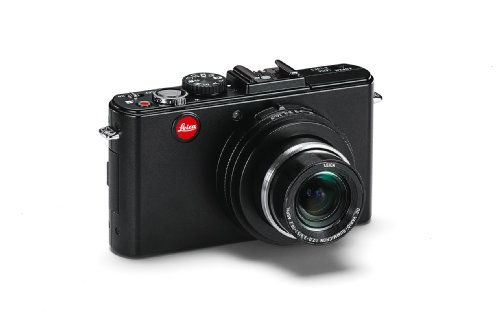
The D-Lux 8 is a compact with a zoom lens and a sensor smaller than full-frame. It is the more approachable Leica, and the maker highlights its design and manual controls. It suits travellers who want a small camera in a jacket pocket and who accept the trade-offs of the smaller sensor.
Used and Previous-Generation Leicas
Older models like the Q2, M10 and CL are sometimes available used. They offer a lower entry cost and still produce excellent images, but they miss newer features. When buying used, ask for service records, check the rangefinder alignment on M cameras and look for sensor damage. Leica’s own service and warranty rules may differ for second-hand purchases, so read them.
Lens and Care Notes
- M lenses: Compact, manual focus. The M11 reads lens coding to apply corrections, so coded lenses are convenient.
- L-mount: SL cameras can use Leica SL, Panasonic and Sigma lenses.
- Batteries and cards: Use the batteries and SD cards the maker lists. Keep a spare battery.
- Cleaning: Leica sensors and lenses are expensive to service. Use blower brushes and the cleaning methods in the manual.
- Insurance: Consider insuring Leica gear, as repairs are costly.
How to Decide
Leica cameras reward a clear idea of how you shoot. If you prefer a single focal length and want to travel light, the Q3 or Q3 43 is the simplest route. If you enjoy the craft of manual focus and want to build a lens collection over years, the M system is the traditional answer. If autofocus speed, video and professional workflows matter, the SL3 line fits better. For people who want the brand’s look and feel at a lower tier, the D-Lux 8 or a used earlier model is a sensible start.
Consider the running costs as well. Leica lenses hold their value well, but new ones are expensive, and repairs are handled by the maker or authorised service centres. Many owners buy a protective case, a spare battery and a good strap, and keep the camera in a padded bag. Reading the maker’s warranty terms before buying new or used is a smart habit.
Finally, try before you buy where possible. Leica stores and dealers often let you handle bodies, and the feel of the Q3 against an M or SL is a more personal question than any specification sheet can answer. Good handling keeps a camera in use.
Budget Tiers
- Entry: Used Leica models, D-Lux 8, Sofort 2.
- Mid-range for Leica: Q3, Q3 43, SL3-S.
- Premium: M11 family, SL3, Monochrom models and M lenses.
Pick X If …
| Pick | If you … |
|---|---|
| Leica Q3 | want one camera for travel and street with a superb built-in lens |
| Leica Q3 43 | prefer a longer, more natural perspective |
| Leica M11 | enjoy manual focus and a classic rangefinder |
| Leica M11-D | want a screen-free shooting experience |
| Leica M EV1 | love M lenses but want an electronic viewfinder |
| Leica SL3 | need autofocus, speed and a hybrid camera |
| Leica D-Lux 8 | want a pocketable Leica compact |
Alternatives to Leica
- Fujifilm X100VI: A fixed-lens compact with a similar approach and a much lower price tier.
- Sony RX1R III: A full-frame compact with a fixed lens.
- Ricoh GR III: A pocket street camera with an APS-C sensor.
- Sony A7C II or Nikon Zf: Compact bodies with interchangeable lenses.
Frequently Asked Questions
Which Leica is best for beginners?
The Q3 is the one most reviewers suggest for photographers new to Leica because it has autofocus and a built-in lens. The D-Lux 8 is a less expensive way into the brand. M cameras are better suited to those who want to learn manual focus.
Why are Leica cameras so expensive?
Leica builds cameras and lenses in small numbers with high-end materials, and the brand carries a premium. Reviewers often debate whether the image quality gap justifies the cost, so consider handling and design alongside results.
Is the Leica Q3 weather-sealed?
The maker lists dust and splash protection for the Q3. This is not the same as waterproof, so follow the manual and avoid heavy rain or immersion.
What is the difference between the M11 and M11-P?
The M11-P adds content credentials and a few design changes, according to the maker. The core imaging is the same. Choose based on whether provenance features matter to you.
Can I use M lenses on other cameras?
Yes, M lenses can be adapted to many mirrorless cameras with an adapter, though without rangefinder coupling. Some functions, such as lens coding, may not carry over.
Does Leica shoot video?
The Q3 and SL series shoot video, with the SL3-S aimed at video users. The M11 is a stills camera, and the M-series is mainly bought by photographers.