A USB C flash drive solves a deceptively simple problem: moving files between devices that now have different ports. Laptops shed USB-A for USB-C. Phones followed. If you shoot photos, record video, or back up a laptop before travel, you need one drive that plugs into both ends of your workflow without hunting for adapters.
What separates a worthwhile USB C flash drive from a cheap one is not just speed claims on the box. Owners consistently flag three issues: drives that throttle after a few minutes of sustained writing, housings that crack or wobble in the port, and dual-connector designs where the USB-A side is an afterthought. The picks below address those failures modes at every price tier.
Our top picks
 Lexar D40E 128GB Dual USB 3.2 Gen
- in-1 storage OTG: The Lexar JumpDrive Dual Drive…
- Transfer speeds up to 100MB/s: Based on internal…
- Plug and Play: Widely compatible with USB Type-C…
 Lexar D40E 64GB Dual USB 3.2 Gen
- in-1 storage OTG: The Lexar JumpDrive Dual Drive…
- Transfer speeds up to 100MB/s: Based on internal…
- Plug and Play: Widely compatible with USB Type-C…
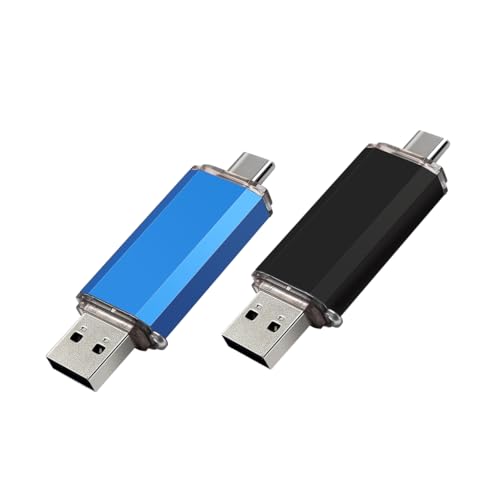 2-Pack 128GB USB C Flash Drive Dual
- 2-in-1 Dual Design: Features both USB-C and USB-A…
- Wide Compatibility: Works seamlessly with USB A and…
- Ample Storage Options: Available in 16GB/32GB/64GB/128GB providing plenty…
| Product | Key specs | |
|---|---|---|
| Lexar D40E 128GB Dual USB 3.2 Gen | in-1 storage OTG: The Lexar JumpDrive Dual Drive… Transfer speeds up to 100MB/s: Based on internal… Plug and Play: Widely compatible with USB Type-C… | Check price |
| Lexar D40E 64GB Dual USB 3.2 Gen | in-1 storage OTG: The Lexar JumpDrive Dual Drive… Transfer speeds up to 100MB/s: Based on internal… Plug and Play: Widely compatible with USB Type-C… | Check price |
| 2-Pack 128GB USB C Flash Drive Dual | 2-in-1 Dual Design: Features both USB-C and USB-A… Wide Compatibility: Works seamlessly with USB A and… Ample Storage Options: Available in 16GB/32GB/64GB/128GB providing plenty… | Check price |
 KOOTION USB C Flash Drive 32GB 2 KOOTION USB C Flash Drive 32GB 2 | 2 in 1: USB C + USB 3.0,… High Speed USB 3.0: Read speed up to… Large Compatibility: The USB 3.0 Connector is compatible… | Check price |
 Lexar D40E 128GB Dual USB 3.2 Gen Lexar D40E 128GB Dual USB 3.2 Gen | in-1 storage OTG: The Lexar JumpDrive Dual Drive… Transfer speeds up to 100MB/s: Based on internal… Plug and Play: Widely compatible with USB Type-C… | Check price |
 SANDISK 64GB Ultra USB Type-C Flash Drive SANDISK 64GB Ultra USB Type-C Flash Drive | High-performance USB 3 Less waiting, more space Plug in other accessories, too | Check price |
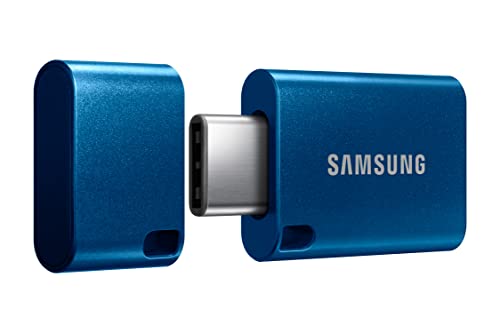 Samsung Type-C USB Flash Drive 256GB Samsung Type-C USB Flash Drive 256GB | This sleek drive is supported by Samsung NAND… No need to choose between performance and reliability The ultra-sleek USB-C drive looks as good as… | Check price |
 JOIOT 128GB USB C Flash Drive Dual JOIOT 128GB USB C Flash Drive Dual | [Dual Flash Drive] This 2-in-1 USB flash drive… [Fast Speed] Optimizing the USB 3.0 technology, this… [Wide Use] This Type-C flash drive supports Windows,… | Check price |
As an Amazon Associate we earn from qualifying purchases at no extra cost to you.
Quick Picks
| Product | Best for | Price |
|---|---|---|
| Lexar D40E 128GB Champagne Silver | Reliable everyday transfers | $29.99 |
| Lexar D40E 64GB Champagne Silver | Low-budget dual-connector | $22.99 |
| 2-Pack 128GB USB C Flash Drive | Redundant backup on a budget | $29.99 |
| KOOTION 32GB 2-in-1 | Phone OTG file access | $11.99 |
| Lexar D40E 128GB Titanium Grey | Color preference over silver | $31.99 |
| SANDISK 64GB Ultra USB Type-C | Brand trust at mid-price | $19.99 |
| Samsung 256GB USB 3.2 Gen 1 | Large file transfers at speed | $79.99 |
| JOIOT 128GB USB C Dual | iPhone 15 and Android users | $25.99 |
How We Picked
We narrowed the field using four criteria: connector quality (does the USB-C plug seat firmly, is the USB-A side full-sized or a cheap stub), sustained write performance relative to the rated interface, price per gigabyte across capacity tiers, and owner-reported durability over months of daily carry. Drives with recurring complaints about connector looseness or thermal throttling were excluded regardless of spec-sheet numbers.
The 8 Best USB C Flash Drive in 2026
Lexar D40E 128GB Dual USB 3.2 Gen 1 Type-C, Champagne Silver
This is the balanced choice for anyone who transfers RAW photo batches or 4K clips between a laptop and a phone without wanting to think about it. The dual-connector swivel design means no separate cap to lose, and the metal housing resists the flex that plastic bodies develop over time.
- Pros: USB 3.2 Gen 1 rated speeds with a connector that holds firm in both port types; swivel mechanism eliminates cap loss.
- Con: Price per gigabyte is higher than the 2-pack alternative if you only need one drive.
Skip it if you want two drives for the price of one and do not care about brand build quality.
Lexar D40E 64GB Dual USB 3.2 Gen 1 Type-C, Champagne Silver
Same physical design as the 128GB version at a lower entry point. It suits photographers who carry a phone as a secondary capture device and need a quick shuttle for JPEG previews or a handful of RAW files. Sixty-four gigabytes is enough for a day shoot at moderate resolution.
- Pros: Identical build and connector quality as the larger sibling; $7 less than the 128GB model.
- Con: Runs out of room quickly with RAW video or high-megapixel stills.
Skip it if you regularly move more than about 40GB of content in a session.
2-Pack 128GB USB C Flash Drive Dual Type C + USB A, Black & Blue
Two full-size drives for a single unit price beats any per-gigabyte deal on this list. The design targets backup redundancy: one drive stays in your camera bag, the other lives in your laptop sleeve. Owners note the connectors feel lighter than Lexar or Samsung, but both USB-A and USB-C sides work without adapters.
- Pros: Unbeatable $0.12 per gigabyte across two drives; 2-in-1 connector layout on each unit.
- Con: Plastic housings and less refined connector tolerances compared to single-brand drives.
Skip it if you need a drive that survives being dropped into a backpack with keys and cables.
KOOTION USB C Flash Drive 32GB 2-in-1 OTG
At $11.99 this is the cheapest way to get USB-C OTG access on an Android phone or iPad. Thirty-two gigabytes limits it to documents, compressed photos, and light video clips, but for transferring files from a phone to a laptop it does the job.
- Pros: Lowest price on the list; USB 3.0 rated interface on both connectors.
- Con: 32GB capacity and budget construction make it unsuitable as a primary workflow drive.
Skip it if you handle anything larger than a few gigabytes per session.
Lexar D40E 128GB Dual USB 3.2 Gen 1 Type-C, Titanium Grey
Functionally identical to the Champagne Silver version with a darker finish that resists fingerprints. The $2 premium over the silver model is purely cosmetic. Choose this if you pair the drive with a grey or black laptop and want a matched look in your kit.
- Pros: Same proven connector and swivel design as the silver variant; fingerprint-resistant finish.
- Con: Costs more than the silver edition for no performance or capacity difference.
Skip it if color does not matter to you; the silver model saves two dollars.
SANDISK 64GB Ultra USB Type-C Flash Drive
SanDisk’s reputation for NAND reliability carries weight in this category. The SDCZ460 is a single-connector USB-C drive, so you will need an adapter for older laptops, but the internal controller is well-matched to sustained transfers. It suits users who already have a USB-A hub and want a dedicated C-only drive.
- Pros: Trusted flash controller with consistent transfer rates; compact single-connector body.
- Con: No native USB-A connector, so it fails the dual-connector workflow goal.
Skip it if you need one drive to plug directly into both a phone and an older computer.
Samsung Type-C USB Flash Drive 256GB, USB 3.2 Gen 1
The spec-sheet leader at up to 400MB/s read and a generous 256GB capacity. Its metal unibody construction feels notably more durable than the plastic alternatives, and the retractable connector protects the plug without a cap. This is the drive for video editors who shuttle large ProRes or RAW files between machines.
- Pros: Highest rated speed and largest capacity on the list; robust metal housing with retractable connector.
- Con: Price is roughly three times the next-fastest 128GB option.
Skip it if 128GB covers your file sizes and $80 strains the budget.
JOIOT 128GB USB C Flash Drive Dual USB 3.0 Type C + USB A
The JOIOT positions itself for mixed-device households where an iPhone 15, an Android tablet, and a laptop all need quick file access. The dual-connector design handles all three without adapters, and the compact body slides into tight USB ports without blocking the adjacent one.
- Pros: True 2-in-1 compatibility across phone, tablet, and computer; slim profile avoids port-block issues.
- Con: USB 3.0 rating places it below the USB 3.2 Gen 1 drives on this list in peak transfer throughput.
Skip it if you move multi-hundred-gigabyte video libraries and need the fastest possible sustained writes.
Buying Guide
Connector Type and Physical Design
A USB C flash drive that only has a Type-C plug is a problem on every machine that still has USB-A. Look for a true dual-connector design where both plugs are full-sized, not a stub or micro-adapter. Swivel or retractable mechanisms outperform caps, which get lost within weeks of daily use.
Sustained Write Speed vs. Peak Claims
Manufacturers advertise peak read rates that last only for the first few seconds of a transfer. For real-world file moves, what matters is whether the drive maintains speed over a full multi-gigabyte write. USB 3.2 Gen 1 drives with good controllers and metal heat spreaders (the Lexar D40E, the Samsung) throttle less than plastic-bodied USB 3.0 options.
Capacity and Price per Gigabyte
As of 2026 the sweet spot sits between 128GB and 256GB for most photography and video workflows. Below 64GB you will run out of space mid-session. Above 256GB the per-gigabyte price jumps sharply on flash drives compared to portable SSDs, so consider whether a small SSD serves the same role better.
Our Verdict
Top pick: the Lexar D40E 128GB in Champagne Silver delivers the best combination of connector quality, sustained performance, and build durability without paying a Samsung premium. Budget pick: the 2-Pack 128GB drives offer unmatched capacity per dollar if you can tolerate a lighter build. The Samsung 256GB wins outright when your workload involves files exceeding 100GB and speed is the constraint, because its rated throughput and thermal headroom leave the rest of the field behind.
FAQ
Can I use a USB C flash drive with an iPhone?
Yes, iPhone 15 and later models accept USB-C flash drives natively through the Files app. Older iPhones need a Lightning adapter, which defeats the convenience of the drive.
Is USB 3.2 Gen 1 noticeably faster than USB 3.0?
USB 3.2 Gen 1 is the rebranded name for what was previously called USB 3.1 Gen 1, which itself is functionally identical to USB 3.0 at 5Gbps. In practice the difference comes down to controller quality, not the interface label.
Do I need an adapter to use a dual-connector drive?
No. A true dual-connector USB C flash drive has both plug types on one body, so you switch connectors by swiveling or retracting rather than adding hardware.
What is the real difference between a 64GB and 128GB drive beyond capacity?
Higher-capacity drives typically use more NAND channels, which improves parallelism and can yield faster sustained writes. A 128GB drive often maintains peak speed longer than its 64GB sibling of the same model line.