For most buyers looking beyond DJI, a sub-250-gram camera drone such as the Potensic Atom 2 or the Autel EVO Nano series suits casual travel footage, the HoverAir X1 line suits people who want a pocketable self-flying camera, and a business or inspection buyer should look at the Parrot Anafi USA or the Skydio X10. Availability changes by country, so confirm that a model is sold and permitted where you live before buying.
Our top picks
 DJI Mini 4K Camera Drone Combo
- No Registration Needed - Under 249 g, this…
- 4K Ultra HD & 3-Axis Gimbal for Cinematic…
- 38kph (Level 5) Wind Resistant - This drone…
 DJI Mini 5 Pro Fly More Combo
- Ultra-Light, Palm-Sized Foldable Design - Compact and foldable,…
- 1-Inch CMOS With 4K/60fps HDR Video - 1-inch…
- True Vertical Filming & 225° Flexible Gimbal Rotation…
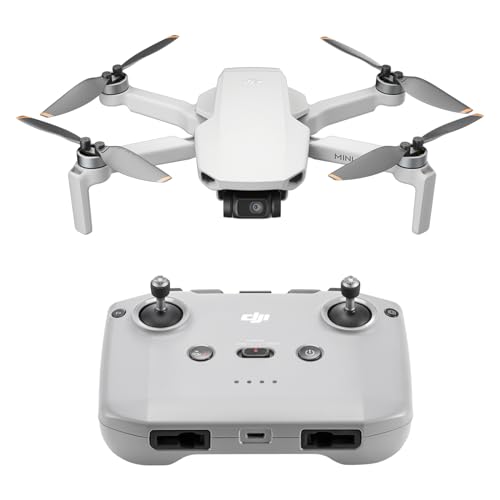 DJI Mini 4K
- No Registration Needed - Under 249 g, this…
- 4K Ultra HD & 3-Axis Gimbal for Cinematic…
- 38kph (Level 5) Wind Resistant - This drone…
| Product | Key specs | |
|---|---|---|
| DJI Mini 4K Camera Drone Combo | No Registration Needed - Under 249 g, this… 4K Ultra HD & 3-Axis Gimbal for Cinematic… 38kph (Level 5) Wind Resistant - This drone… | Check price |
| DJI Mini 5 Pro Fly More Combo | Ultra-Light, Palm-Sized Foldable Design - Compact and foldable,… 1-Inch CMOS With 4K/60fps HDR Video - 1-inch… True Vertical Filming & 225° Flexible Gimbal Rotation… | Check price |
| DJI Mini 4K | No Registration Needed - Under 249 g, this… 4K Ultra HD & 3-Axis Gimbal for Cinematic… 38kph (Level 5) Wind Resistant - This drone… | Check price |
 DJI Mini 3 With DJI RC | Check price |
As an Amazon Associate we earn from qualifying purchases at no extra cost to you.
Why buyers look beyond DJI
DJI dominates consumer camera drones, but shoppers look elsewhere for several reasons. Some want hardware made outside China for procurement or policy reasons, some are affected by changing import and regulatory rules in their market, and others want different features such as self-flying modes or modular platforms. The non-DJI field is smaller and has shifted in recent years, with some makers narrowing their consumer lines. Product lineups and availability change quickly, so treat any list as a starting point.
Always check your local aviation authority’s rules on registration, remote identification, weight classes and where you may fly. In many regions, drones over a certain weight must be registered, and some areas require pilot certification.
At a glance
| Drone | Best for | Key stated traits | Limits |
|---|---|---|---|
| Potensic Atom 2 | Budget-to-mid travel camera | Sub-250-gram class folding drone with gimbal camera | Smaller sensor than premium options |
| Autel EVO Nano series | Compact travel drone | Folding sub-250-gram class design with gimbal | Availability varies by market |
| Autel EVO Lite series | Mid-range enthusiasts | Larger sensor class, longer flight | Availability varies, heavier than 250 grams |
| HoverAir X1 line | Self-flying pocket camera for solo creators | Foldable, follow modes, no controller needed | Less manual control |
| Parrot Anafi USA | Government and enterprise | Rugged, thermal options, secure data handling | Premium tier, aimed at professionals |
| Skydio X10 | Inspection and public safety | Obstacle avoidance, enterprise features | Premium tier, not a consumer product |
| Holy Stone HS-series | Beginners and kids | Low-cost, simple controls | Basic cameras and shorter range |
| BetaFPV Cetus kits | Learning FPV flying | Small FPV kit with goggles and controller | Not a camera platform |
Compact camera drones
Potensic Atom 2
The Atom 2 is a folding drone in the lightweight class, sold as a travel-friendly alternative with a gimbal-stabilized camera. Reviewers describe it as good value for the price tier, with a strong feature list for its category. Image quality is generally good in daylight but trails larger-sensor drones in dim light. Look at the maker’s listed flight time and video resolution when comparing.
Autel EVO Nano and EVO Lite
Autel’s Nano models aim at the sub-250-gram class, and the Lite models carry a larger sensor and longer flight time. Reviewers have rated them highly in past years as direct competitors to DJI’s Mini and Air lines. Autel’s presence in some markets has been affected by commercial and regulatory changes, so confirm availability today, support and firmware before buying.
HoverAir X1 family
Made by Zero Zero Robotics, the HoverAir X1 is a foldable self-flying camera with automated modes such as follow and orbit. It is aimed at solo creators and sports users who want to launch it from the hand and let it track them. It offers less manual control than a standard drone, but that is a deliberate design choice for simplicity. Check the maker for the latest variants and their stated specs.
Enterprise and professional options
Parrot Anafi USA
Parrot’s Anafi line is built in Europe, and the Anafi USA is a rugged option marketed to public safety, inspection and government users, with thermal camera variants and a focus on data security. It is in the premium tier and is not aimed at casual photographers.
Skydio X10
Skydio is a US company known for autonomous obstacle avoidance. It has focused on enterprise and defense markets, and its consumer drones are no longer sold. The X10 is for professional inspection and emergency use and sits well above consumer budgets.
Budget and beginner drones
Brands such as Holy Stone, Ruko and Snaptain make low-cost drones for beginners and families. They usually have simple controls, shorter ranges and basic cameras, and they are best treated as learning tools. Reviewers advise reading the listed flight time, camera resolution and whether GPS return-to-home is included, as these vary widely.
For those interested in FPV flying, small kits from BetaFPV and others bundle a drone, goggles and a controller. They teach skills quickly but do not replace a stabilized camera drone for photography.
Fit, size and regulatory notes
- Weight class: drones under 250 grams face lighter rules in many regions, but you may still need to register or follow remote ID rules. Check your local authority.
- Remote ID and registration: rules differ by country; check whether a drone needs a broadcast module or registration number.
- Batteries: use only the maker’s batteries and chargers, store them as the manual advises and never charge unattended. Damaged or swollen batteries should be disposed of at a proper recycling point.
- Software and apps: app availability and firmware updates vary, so check that the control app is supported on your phone.
- Support and spares: smaller brands may have slower repair and parts supply, which affects long-term ownership.
- Safe flying: keep the drone in line of sight, avoid crowds and airports, and follow the manual’s limits for wind and weather.
Budget, mid-range and premium tiers
Budget
Holy Stone, Ruko and some Potensic models offer inexpensive entry points. Expect shorter range and simpler cameras.
Mid-range
The Potensic Atom 2, Autel Nano and HoverAir X1 line sit here, offering stabilized cameras and strong features for travel and social media.
Premium
Autel Lite-class models and enterprise drones from Parrot and Skydio fill the upper tier, with better sensors, rugged build or professional software.
Pick X if…
| If you… | Choose | Why |
|---|---|---|
| Want a compact travel drone | Potensic Atom 2 or Autel EVO Nano | Light, foldable, stabilized camera |
| Film yourself outdoors without a controller | HoverAir X1 line | Self-flying follow modes |
| Need enterprise-grade or secure hardware | Parrot Anafi USA or Skydio X10 | Built for professional use |
| Are a complete beginner | Holy Stone or similar entry drone | Low-cost practice platform |
| Want to learn FPV | BetaFPV Cetus kit | Complete beginner FPV set |
| Want a larger sensor | Autel EVO Lite series | Better image quality in the class |
Alternatives
- Action camera on an FPV frame: hobbyists build their own platforms, but this requires skill and local compliance.
- Used or refurbished units: can lower cost but check warranty, battery condition and remaining support.
- Renting: a sensible option if you only need a drone for one trip or project.
Practical ownership tips
Buy a spare battery if the maker offers a combo kit, because a single battery typically supports only a short flight. Learn the return-to-home settings before the first outing and set a safe return altitude above nearby trees and buildings. Update firmware on a home network before travelling, since updates in the field can be slow. Keep propellers in good condition and replace any that are chipped. Carry a small case that protects the gimbal and folding arms, and check airline rules on carrying lithium batteries in the cabin before you fly with a drone.
Think about the whole system, not only the airframe. Controller type, app stability, microSD card requirements and the maker’s stated wind resistance all affect how enjoyable a drone is. Reviewers often say that a drone with good obstacle sensing and reliable GPS return is more valuable to a newcomer than one with a marginally better camera.
How to compare camera specs fairly
Makers list sensor size, video resolution, frame rate, flight time and transmission range. Sensor size matters most for dim light, while a higher resolution number does not guarantee better detail. Flight time quoted by makers is measured in ideal conditions, so real-world time is usually shorter. Transmission range depends on local interference and legal limits, and in many places you must keep the drone within sight regardless of the range claimed. Look for independent reviewers who compare footage side by side rather than relying on spec sheets alone.
Frequently Asked Questions
What is the best drone that is not made by DJI?
For consumers, the Autel EVO line and the Potensic Atom 2 are frequently named as alternatives, and the HoverAir X1 suits self-filming. For professionals, Parrot and Skydio are the usual names. The best choice depends on your market and budget.
Are non-DJI drones as good as DJI?
Reviewers often find that DJI leads in polish, ecosystem and support, though several rivals compete on features and price. Check recent reviews of the exact model.
Do I need to register a drone under 250 grams?
It depends on your country. Some regions require registration or remote ID even for light drones, especially if the drone has a camera. Check with your local aviation authority.
Is Skydio still making consumer drones?
Skydio has shifted its focus to enterprise and government customers, and its earlier consumer models are no longer sold as new. Check the maker for current offerings.
Are cheap drones worth buying?
They are fine for learning to fly and for casual fun, but expect shorter range, basic cameras and limited safety features. If you want good video, a mid-range stabilized drone is a better fit.
How do I find out where I can fly?
Use your aviation authority’s official maps and apps, and follow the rules around airports, crowds and protected areas. Always keep the drone within line of sight unless local rules allow otherwise.
More from Amazon
Programs that pair well with the guide above. Offers and eligibility are set by Amazon and may change.
Free shipping on eligible items, Prime Video and more. Eligible new members can start with a free trial.
Start a Prime free trialAudiobooks and podcasts to listen to on the go. Eligible new members can start with a free trial.
Try Audible freeAd-free music streaming. Eligible new subscribers can start with a free trial.
Try Music Unlimited freeA free business account with business pricing and bulk-buying tools for work, shop or home office.
Create a business accountAs an Amazon Associate we earn from qualifying purchases.