Our Short List of 3

- Best for: first-time mirrorless buyers who want guidance built into the camera.
- Sensor: 24.2MP APS-C CMOS
- Video: 4K at up to 30p, Full HD at up to 120p
- Autofocus: Dual Pixel CMOS AF II with people and animal detection
- Screen: vari-angle touchscreen, 1.62 million dots

- Best for: amateurs who record longer clips and want stabilized handheld footage.
- Sensor: 26.1MP APS-C X-Trans CMOS 4
- Video: 6.2K at up to 30p, 4K at up to 60p
- Autofocus: subject-detection for animals, birds, vehicles and people
- Screen: vari-angle touchscreen, 1.84 million dots

- Best for: vloggers and creators who film themselves more than they shoot stills.
- Sensor: 20.9MP APS-C (DX) CMOS
- Video: 4K UHD at up to 30p, Full HD at up to 120p
- Autofocus: eye-detection for people and animals
- Screen: vari-angle touchscreen, 1.04 million dots
All 5 Picks at a Glance
| Product | Specs | Action |
|---|---|---|
| Canon EOS R50 with RF-S 18-45mm Lens |
| Check price on Amazon |
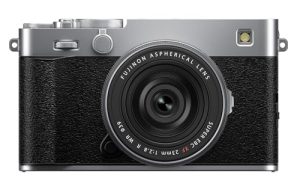
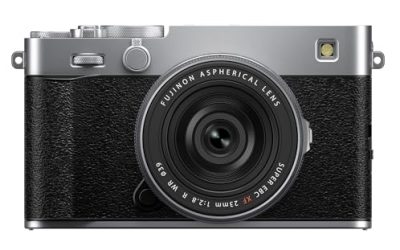
| Fujifilm X-S20 Mirrorless Camera |
| Check price on Amazon |
| Nikon Z30 Mirrorless Camera |
| Check price on Amazon |
 Sony Alpha a6400 with 16-50mm Lens |
| Check price on Amazon |
 Panasonic LUMIX G97 with 12-60mm Lens |
| Check price on Amazon |
Our Top Picks
- Canon EOS R50 Mirrorless Camera RF-S18-45mm F4.5-6.3 is2.71 x 4.58 x 3.37 Inches1 poundsCheck on Amazon
- Sony Alpha a6400 Mirrorless Camera: Compact APS-C Interchangeable6.2 x 9.2 x 4.55 inches6.2 x 9.2 x 4.55 inches1.14 poundsCheck on Amazon
An amateur who shoots both stills and video needs one camera that refuses to compromise on either job, because buying a stills body now and a video body later costs far more than choosing a balanced hybrid once. The real decision is how much help the camera gives you while you learn: autofocus that tracks a face without hunting, a screen you can flip toward yourself, and controls that stay understandable.
The five cameras below suit different starting points. Family photographers, travel shooters, new vloggers and hobbyists returning to photography all appear in this lineup, and every pick pairs a capable sensor with genuine 4K recording, a kit lens option and subject-aware focusing drawn from its Amazon listing details, plus an honest note on where each model asks its owner for compromise.
Quick Picks
As an Amazon Associate we earn from qualifying purchases.
| Product | Best for | Key spec from title |
|---|---|---|
| Canon EOS R50 with RF-S 18-45mm Lens | First-time mirrorless buyers | 24.2MP APS-C sensor with 4K video |
| Fujifilm X-S20 Mirrorless Camera | Amateurs who record long clips | 26.1MP sensor with in-body stabilization |
| Nikon Z30 Mirrorless Camera | Vlogging and talking to camera | 20.9MP DX sensor with 4K UHD video |
| Sony Alpha a6400 with 16-50mm Lens | Fast-moving family and pet shots | 24.2MP sensor with real-time Eye AF |
| Panasonic LUMIX G97 with 12-60mm Lens | Handheld travel shooting | 20.3MP Micro Four Thirds sensor with Dual IS |
How to Choose
Autofocus That Tracks People and Animals
Hybrid shooting punishes weak autofocus twice: a missed focus ruins a portrait, and focus hunting ruins a clip beyond repair. Look for eye detection that works on people in both stills and video modes, plus animal detection if pets feature in your shooting. Touch-to-track on the rear screen matters for amateurs because it replaces menu digging with one tap. The strongest systems here hold a moving child or dog in focus while you concentrate on framing, timing and simply staying in the moment.
Video Modes You Will Actually Use
A headline 4K badge hides big differences in frame rates, recording limits and heat behaviour. Casual clips of birthdays and holidays need clean 4K at standard frame rates, while anyone filming themselves talking needs a fully articulating screen and a microphone input for better sound. Check whether 4K footage is cropped, because a crop narrows your kit lens at exactly the wrong moment. Amateurs benefit more from dependable, cool-running recording than from exotic slow-motion modes they may touch twice a year.
Stabilization for Handheld Work
Walking footage and low-light stills both expose shaky hands, so stabilization deserves real weight in your decision. In-body stabilization steadies every lens you mount, including inexpensive primes, while lens-based stabilization only helps with the glass that carries it. Panasonic pairs both systems together, Fujifilm builds stabilization into the X-S20 body, and the Canon, Nikon and Sony kits rely on stabilized lenses plus electronic correction in video. If most of your filming happens on foot rather than on a tripod, rank this criterion near the top.
Size, Screens and Room to Grow
A camera you leave at home captures nothing, so honest size assessment matters. Compact APS-C and Micro Four Thirds bodies with retracting kit zooms slip into a jacket pocket or small sling, while larger grips reward longer handheld sessions. A vari-angle screen serves vloggers and low-angle stills shooters alike, whereas a tilting screen feels faster for waist-level photography. Finally, count the affordable lenses in each mount, because your second lens, bought within a year, is where a system either opens up or stalls.
The 5 Best Options
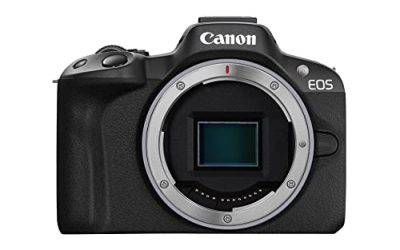
Canon EOS R50 with RF-S 18-45mm Lens
- Best for: first-time mirrorless buyers who want guidance built into the camera.
- Sensor: 24.2MP APS-C CMOS
- Video: 4K at up to 30p, Full HD at up to 120p
- Autofocus: Dual Pixel CMOS AF II with people and animal detection
- Screen: vari-angle touchscreen, 1.62 million dots
first-time mirrorless buyers who want guidance built into the camera.
no in-body stabilization, so handheld video leans on the kit lens and digital correction.
Canon’s EOS R50 is the friendliest starting point here, pairing a 24.2 megapixel APS-C sensor with Dual Pixel autofocus that finds eyes quickly and holds them through movement. Its 4K video is oversampled from a higher-resolution capture, so clips look crisp, and the fully articulating touchscreen makes self-filming straightforward. Guided on-screen explanations help genuine beginners, yet the controls still reward you as skills grow. The compact RF-S 18-45mm kit lens keeps the whole outfit light enough for daily carry.
Fujifilm X-S20 Mirrorless Camera
- Best for: amateurs who record longer clips and want stabilized handheld footage.
- Sensor: 26.1MP APS-C X-Trans CMOS 4
- Video: 6.2K at up to 30p, 4K at up to 60p
- Autofocus: subject-detection for animals, birds, vehicles and people
- Screen: vari-angle touchscreen, 1.84 million dots
amateurs who record longer clips and want stabilized handheld footage.
the body sits at the higher end of this group, and the menu system rewards a little study.
The X-S20 gives amateurs an unusually complete hybrid package: a 26.1 megapixel sensor, in-body stabilization rated for long handheld exposures, and video recording that stretches to open-gate and high-frame-rate options as your ambitions grow. A dedicated vlog mode gathers the settings self-filmers reach for most, and Fujifilm’s film simulations make straight-from-camera colour genuinely enjoyable for stills. Battery life is a clear strength in this class, which suits travel days when charging chances are scarce and shooting runs from morning markets to evening streets.
Nikon Z30 Mirrorless Camera
- Best for: vloggers and creators who film themselves more than they shoot stills.
- Sensor: 20.9MP APS-C (DX) CMOS
- Video: 4K UHD at up to 30p, Full HD at up to 120p
- Autofocus: eye-detection for people and animals
- Screen: vari-angle touchscreen, 1.04 million dots
vloggers and creators who film themselves more than they shoot stills.
no viewfinder and no in-body stabilization, so bright-sun composition and walking shots need care.
Nikon built the Z30 squarely for people who talk to the camera, so it skips the viewfinder and puts everything into a bright vari-angle screen you can flip forward for vlogging. The 20.9 megapixel DX sensor records clean 4K video, eye-detection autofocus keeps your face sharp while you move, and a tally lamp shows plainly when recording is live. Stereo microphones are built in, with a socket for an external microphone when audio quality becomes a priority. It also works as a webcam over USB for streaming and calls.
Sony Alpha a6400 with 16-50mm Lens
- Best for: fast-moving family, pet and sports-day shooting where focus speed decides the keeper rate.
- Sensor: 24.2MP APS-C Exmor CMOS
- Video: 4K at up to 30p, Full HD at up to 120p
- Autofocus: real-time Eye AF and real-time tracking
- Screen: tilting touchscreen, flips up 180 degrees
fast-moving family, pet and sports-day shooting where focus speed decides the keeper rate.
the flip-up screen is blocked by a hot-shoe microphone, and there is no in-body stabilization.
Sony’s a6400 remains a favourite with amateurs because its autofocus is startlingly quick: it locks onto eyes in stills and video and tracks subjects across the frame with real confidence. The 24.2 megapixel sensor delivers detailed stills, 4K video is recorded with full pixel readout, and the screen flips up for self-recording. The bundled 16-50mm power zoom collapses down for transport, turning the outfit into something close to pocketable. A metal body and weather sealing add reassurance for outdoor family and travel shooting in changeable conditions.
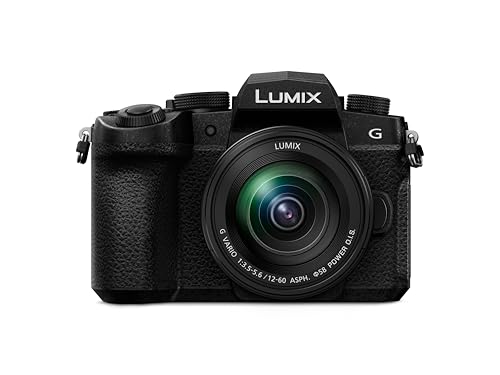
Panasonic LUMIX G97 with 12-60mm Lens
- Best for: handheld travel shooting and amateurs who care about audio monitoring.
- Sensor: 20.3MP Micro Four Thirds Live MOS
- Video: 4K at up to 30p, Full HD at up to 120p
- Autofocus: contrast-detection with face and eye detection
- Screen: free-angle touchscreen, 1.84 million dots
handheld travel shooting and amateurs who care about audio monitoring.
contrast-based autofocus can pulse during video, and the smaller sensor trails APS-C in deep low light.
The G97 leans into handheld shooting, combining a 20.3 megapixel Micro Four Thirds sensor with Dual IS that coordinates body and lens stabilization for steadier stills and walking footage. It records 4K video, offers V-Log L for anyone who wants to grade footage later, and includes both headphone and microphone sockets, a pairing rare at this level. The bundled 12-60mm lens covers a wider everyday range than most kit zooms, from group shots to short telephoto portraits. A dust- and splash-resistant body suits outdoor hobbies and travel.
Which One Fits Your Situation
You Mostly Photograph Family and Film the Occasions
Choose between the Canon EOS R50 and the Sony a6400. Both find eyes fast, both keep their menus approachable, and both pair well with an inexpensive prime lens later for indoor portraits. The Canon’s articulating screen and guided interface suit complete beginners, while the Sony’s tracking stamina suits toddlers and dogs who never sit still.
You Want to Vlog or Start a Channel
The Nikon Z30 was designed for exactly this, with its forward-facing screen, tally lamp and webcam support. The Fujifilm X-S20 is the step-up alternative when longer recording sessions, stronger stabilization and richer colour options matter more than the smallest body. Either way, budget for a microphone before a second lens, because viewers forgive soft footage sooner than poor sound.
You Travel Light and Shoot Everything Handheld
The Panasonic G97 earns its place here through Dual IS stabilization, a weather-resistant body and a kit zoom with genuinely useful reach. Micro Four Thirds lenses stay small, so a second lens adds little weight to a day bag. The X-S20 runs it close on stabilization, but the Panasonic’s headphone socket and broader kit lens range tip the balance for mixed photo and video trips.
You Plan to Grow Into More Serious Video
Start with the Fujifilm X-S20. Its open-gate recording, higher frame rates and strong battery give you headroom that entry bodies lack, while the stills side remains thoroughly capable for learning composition and exposure. The G97 is the gentler-priced route into graded footage thanks to V-Log L, though its autofocus style asks for more deliberate technique as scenes get busier.
Common Mistakes
- Buying on megapixels alone, when autofocus behaviour and screen design shape an amateur’s results far more every day.
- Ignoring the kit lens range, then discovering the bundled zoom is too narrow for indoor family scenes or too short for school events.
- Forgetting audio entirely, even though a small microphone improves perceived video quality more than a resolution upgrade.
- Choosing a body with no upgrade path in lenses, so the system has to be replaced instead of grown when skills improve.
- Leaving stabilization out of the comparison, then fighting shaky walking footage that no editing setting fully repairs.
Frequently Asked Questions
Do amateurs really need 4K video, or is Full HD enough?
Full HD still looks fine on phones and smaller screens, and it keeps file sizes gentle. However, 4K gives you room to crop a clip, straighten a horizon or pull a still frame without obvious quality loss. Since every camera here records 4K natively, choosing it costs nothing at purchase time, and you can always record in Full HD on days when storage matters more.
Which of these cameras is easiest for a complete beginner?
The Canon EOS R50 is the gentlest introduction, thanks to its guided shooting modes, clear on-screen explanations and a touchscreen interface that behaves like a phone. Its autofocus needs almost no management, so a beginner can concentrate on light and composition. The Sony a6400 is nearly as automatic, though its older menu layout takes slightly longer to learn at first.
Can these cameras work as webcams for calls and streaming?
Yes, all five can feed live video to a computer, though the method varies by brand, from simple USB streaming on the Nikon Z30 to manufacturer software or capture support on the others. This makes a hybrid camera a sensible single purchase for someone who films at home, joins video calls and shoots family events, rather than buying a separate webcam as well.
Should I buy the kit lens or a body with a prime lens instead?
Start with the kit lens unless you already know your favourite focal length from phone shooting. A kit zoom teaches you which distances you actually use, and that knowledge makes the second purchase far smarter. After a few months, most amateurs add a fast prime for indoor portraits and low light, where the wider aperture transforms results more than any body upgrade would.
More from Amazon
Programs that pair well with the guide above. Offers and eligibility are set by Amazon and may change.
Free shipping on eligible items, Prime Video and more. Eligible new members can start with a free trial.
Start a Prime free trialAudiobooks and podcasts to listen to on the go. Eligible new members can start with a free trial.
Try Audible freeAd-free music streaming. Eligible new subscribers can start with a free trial.
Try Music Unlimited freeA free business account with business pricing and bulk-buying tools for work, shop or home office.
Create a business accountAs an Amazon Associate we earn from qualifying purchases.