Our Short List of 3

- Best for: Portrait photographers who want one body for client sessions, family shoots, and low-light events.
- 33MP full-frame sensor
- 10 fps continuous shooting
- 4K 60p video recording
- Real-time eye autofocus

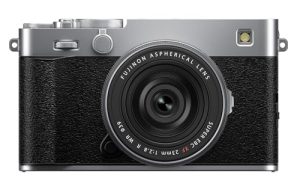
- Best for: Hobbyists who love Fujifilm colour and want flattering portraits from a compact, easy-to-carry body.
- 26.1MP APS-C X-Trans sensor
- 6.2K video recording
- 7-stop in-body image stabilization
- Subject-detection autofocus with eye detection

- Best for: Hybrid shooters who photograph people and record video of the same events, from weddings to family gatherings.
- 24.2MP full-frame sensor
- Phase Hybrid autofocus
- Active I.S. image stabilization
- Unlimited 4:2:2 10-bit video recording
All 3 Picks at a Glance
| Product | Specs | Action |
|---|---|---|
| Sony Alpha 7 IV |
| Check price on Amazon |
| Fujifilm X-S20 |
| Check price on Amazon |
| Panasonic LUMIX S5 II |
| Check price on Amazon |
Our Top Picks
- Sony Alpha 7 IV Full-frame Mirrorless Interchangeable Lens5.45 x 3.80 x 2.83 inches9.6 x 6.5 x 6.7 inches2.2 PoundsCheck on Amazon
Photographing people asks different things of a camera than landscapes or wildlife do. The subject moves, blinks, turns away mid-sentence, and the light in a living room or a reception hall rarely cooperates. A body that locks onto an eye in a fraction of a second and renders skin the way it actually looks will save more portraits than an extra ten megapixels ever will.
This guide is for parents photographing their children, hobbyists taking portraits of friends and family, and part-time portrait shooters building a small client book. Every camera below is a current mirrorless body chosen from the name and specifications on its Amazon listing, judged on what matters when a person is in front of the lens.
Quick Picks
As an Amazon Associate we earn from qualifying purchases.
| Product | Best for | Key spec from title |
|---|---|---|
| Sony Alpha 7 IV | Serious portrait work and client sessions | 33MP full-frame sensor |
| Canon EOS R8 | Lightweight full-frame portraits on a walk | 24.2MP full-frame CMOS sensor |
| Nikon Z5 II | Reliable everyday family photography | 24.5MP full-frame sensor |
| Fujifilm X-S20 | Colour-rich portraits in a compact body | 26.1MP APS-C sensor |
| Panasonic LUMIX S5 II | Portraits plus video for hybrid shooters | 24.2MP full-frame sensor |
How to Choose
Start With Eye Autofocus, Not Megapixels
A portrait lives or dies on the eyes, and modern eye autofocus is the single feature that changes the most frames. Look for a body that detects human eyes and holds focus while the subject shifts position, laughs, or looks down at a child. Sony calls its system real-time eye autofocus, Canon uses Dual Pixel CMOS AF II with subject detection, and Nikon, Fujifilm, and Panasonic all ship eye and subject detection of their own. Megapixels matter far less at portrait distances, where 24MP already prints large, so judge the autofocus first and treat resolution as a secondary number.
Pick a Sensor Size for the Look You Want
Full-frame sensors render the soft, blurred backgrounds that flatter faces, and they keep skin tones clean when you push the ISO indoors. Four of the five cameras here use full-frame sensors for exactly that reason. APS-C bodies like the Fujifilm X-S20 trade a little background blur for a smaller, lighter kit and a useful crop that turns a 56mm lens into an 85mm portrait field of view. If you shoot mostly outdoors in good light, either size works. If you shoot indoors, in churches, or at evening gatherings, the larger sensor earns its keep.
Think About Lenses Before You Think About the Body
A portrait camera is only half the purchase, because the lens shapes the face. An 85mm lens flatters features and compresses the background, a 50mm lens feels natural for half-length portraits, and a 35mm lens suits environmental portraits that include the room or the street. Before settling on a body, check that its mount has an affordable 85mm or 50mm prime you actually want to own. Sony E-mount has the deepest third-party bench, Canon RF and Nikon Z are catching up fast, Fujifilm X has superb compact primes, and Panasonic L-mount pairs well with Sigma glass.
Weigh Weight Against How Long You Shoot
Portrait sessions run long, and a heavy body with a fast prime wears on your wrist and your patience. The Canon EOS R8 and the Fujifilm X-S20 are the lightest cameras here, which matters when you carry a camera through a full wedding afternoon or a day at the park. Larger bodies like the Sony A7 IV and the Panasonic S5 II balance better with heavier portrait primes and give you dual card slots and bigger batteries. Handle the trade honestly: the camera you leave at home because it feels heavy takes no portraits at all.
The 5 Best Options
Sony Alpha 7 IV
- Best for: Portrait photographers who want one body for client sessions, family shoots, and low-light events.
- 33MP full-frame sensor
- 10 fps continuous shooting
- 4K 60p video recording
- Real-time eye autofocus
Portrait photographers who want one body for client sessions, family shoots, and low-light events.
The menu system is dense and takes time to learn, and the body is heavier than the APS-C and compact full-frame options here.
The A7 IV is the portrait workhorse of this roundup, and it earns that place through a combination few rivals match. Its 33MP full-frame sensor resolves fine hair and fabric texture without demanding perfect light, while real-time eye autofocus tracks a subject who turns, walks toward you, or glances away and back. Dual card slots mean a client session is never one card failure away from disaster, and the huge E-mount lens bench puts every portrait prime within reach.
Watch out for: The menu system is dense and takes time to learn, and the body is heavier than the APS-C and compact full-frame options here.
Canon EOS R8
Canon has long been the default choice for pleasing skin tones straight out of camera, and the R8 brings that colour science into the lightest full-frame body in this guide. Dual Pixel CMOS AF II finds eyes quickly and sticks to them through movement, which suits children who never sit still and couples who wander during a session. Pair it with a compact RF 50mm prime and the whole kit disappears into a small bag, yet still delivers the shallow depth of field that makes portraits feel three-dimensional.
Specs
- 24.2MP full-frame CMOS sensor
- 4K 60p video recording
- Dual Pixel CMOS AF II with subject detection and tracking
- DIGIC X image processor
- RF lens mount
- Lightweight compact body
Best for: Photographers who want full-frame portraits and flattering Canon colour in the lightest kit possible.
Watch out for: It has a single card slot and a smaller battery than larger Canon bodies, so carry a spare battery and card for long sessions.
Nikon Z5 II
The Z5 II is the steady, dependable pick for people who photograph family first and everything else second. Its 24.5MP full-frame sensor handles indoor light gracefully, the eye-detection autofocus keeps up with toddlers and pets alike, and dual SD card slots give you a backup of every birthday and holiday frame. Nikon colour leans natural rather than punchy, which suits skin tones, and the Z mount now has affordable 50mm and 85mm primes that pair beautifully with this body.
Specs
- 24.5MP full-frame sensor
- Eye-detection autofocus
- In-body image stabilization
- Dual SD card slots
- Vari-angle touchscreen
- Full-frame mirrorless stills and video camera
Best for: Family photographers who want a reliable full-frame body with backup card slots and natural-looking skin tones.
Watch out for: The autofocus, while capable, is a step behind Sony and Canon when tracking fast-moving subjects in dim rooms.
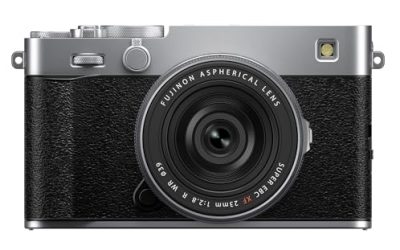
Fujifilm X-S20
- Best for: Hobbyists who love Fujifilm colour and want flattering portraits from a compact, easy-to-carry body.
- 26.1MP APS-C X-Trans sensor
- 6.2K video recording
- 7-stop in-body image stabilization
- Subject-detection autofocus with eye detection
Hobbyists who love Fujifilm colour and want flattering portraits from a compact, easy-to-carry body.
The APS-C sensor gives less background blur than full-frame at the same aperture, so budget for a fast prime if creamy backgrounds matter to you.
Fujifilm renders people differently from every other brand here, and many portrait shooters choose the X-S20 for that reason alone. Its film simulations produce warm, film-like skin tones with little editing, and the 26.1MP APS-C sensor keeps files detailed without overwhelming your storage. Subject-detection autofocus finds eyes and faces even when the subject is small in the frame, the fully articulated screen helps with low-angle portraits of children, and the deep grip makes the small body comfortable through a long afternoon.
Watch out for: The APS-C sensor gives less background blur than full-frame at the same aperture, so budget for a fast prime if creamy backgrounds matter to you.
Panasonic LUMIX S5 II
- Best for: Hybrid shooters who photograph people and record video of the same events, from weddings to family gatherings.
- 24.2MP full-frame sensor
- Phase Hybrid autofocus
- Active I.S. image stabilization
- Unlimited 4:2:2 10-bit video recording
Hybrid shooters who photograph people and record video of the same events, from weddings to family gatherings.
The L-mount lens bench is smaller than Sony, Canon, or Nikon, so check that the portrait prime you want exists before committing.
The S5 II is the hybrid pick, built for photographers who shoot portraits and video in the same session. Phase Hybrid autofocus finally gives Panasonic the confident human detection its earlier contrast systems lacked, locking onto eyes and faces in stills and while recording. The 24.2MP full-frame sensor produces clean files at high ISO for dim venues, Active I.S. steadies handheld shooting at slow shutter speeds, and the L-mount opens up Sigma portrait primes that cost less than first-party glass.
Watch out for: The L-mount lens bench is smaller than Sony, Canon, or Nikon, so check that the portrait prime you want exists before committing.
Which One Fits Your Situation
You Shoot Portraits for Clients
Choose the Sony Alpha 7 IV. Dual card slots protect paid work, the 33MP sensor gives you room to crop a loose frame into a tight headshot, and eye autofocus stays locked through posing changes. The E-mount lens bench means an 85mm prime for headshots and a 35mm for environmental portraits are both easy finds, and the large battery lasts through long sessions.
You Photograph Your Own Family
Choose the Nikon Z5 II or the Canon EOS R8. The Nikon brings dual card slots and calm, natural colour for birthdays and holidays, while the Canon is lighter to carry all day and its colour needs less editing. Either one handles a living room at dusk without fuss, and both pair well with an affordable 50mm prime for everyday portraits.
You Want the Smallest Kit That Still Flatters Faces
Choose the Fujifilm X-S20. It slips into a small bag with a compact prime, its film simulations make skin look warm with minimal editing, and the flip screen helps when you crouch to a child’s eye level. Accept the smaller sensor in exchange for a camera you actually carry everywhere, and add a fast 56mm prime when you want stronger background blur.
You Shoot Stills and Video at the Same Event
Choose the Panasonic LUMIX S5 II. Its autofocus now tracks people confidently in both modes, the stabilization smooths handheld clips of speeches and first dances, and unlimited recording means the camera will not stop mid-moment. Pair it with a Sigma 50mm or 85mm L-mount prime, and you have one kit that covers the whole event without swapping bodies.
Common Mistakes
- Buying the most expensive body first and leaving no budget for a portrait prime, when an 85mm or 50mm lens changes faces more than any sensor upgrade.
- Shooting every portrait at the widest aperture, which leaves one eye sharp and the other soft when the subject turns even slightly.
- Ignoring eye autofocus settings and leaving the camera on single-point focus, then wondering why moving children come out soft.
- Choosing a camera by megapixels alone, when sensor size, colour, and autofocus behaviour shape portraits far more.
- Forgetting a second memory card or a spare battery, so a long session ends early or a full card forces you to stop mid-shoot.
Frequently Asked Questions
Do I need a full-frame camera for portraits?
No, but full-frame makes the classic portrait look easier to achieve. Its larger sensor blurs backgrounds more at the same aperture and keeps skin clean at higher ISO indoors. APS-C bodies like the Fujifilm X-S20 still take excellent portraits, especially with a fast prime, so choose full-frame when you shoot indoors often and APS-C when size and budget matter more.
What focal length is best for photographing people?
An 85mm lens is the classic portrait choice because it flatters facial features and compresses the background. A 50mm lens works well for half-length portraits and small groups, while 35mm suits environmental portraits that include surroundings. Avoid very wide lenses close to a face, since they stretch features in unflattering ways.
Is eye autofocus really important for portraits?
Yes, because it removes the most common cause of ruined portraits: focus landing on a nose or an ear instead of the eye. Modern eye detection tracks a subject who moves, laughs, or turns, and it lets you concentrate on expression and composition instead of constantly repositioning a focus point.
Can one camera handle portraits, family photos, and video?
Yes, and the Panasonic LUMIX S5 II is the strongest hybrid here, with confident human detection in stills and video plus unlimited recording. The Sony A7 IV and Canon R8 also record excellent video alongside stills. Pick the hybrid body if video is a regular part of your events, and a stills-first body if it is only occasional.
More from Amazon
Programs that pair well with the guide above. Offers and eligibility are set by Amazon and may change.
Free shipping on eligible items, Prime Video and more. Eligible new members can start with a free trial.
Start a Prime free trialAudiobooks and podcasts to listen to on the go. Eligible new members can start with a free trial.
Try Audible freeAd-free music streaming. Eligible new subscribers can start with a free trial.
Try Music Unlimited freeA free business account with business pricing and bulk-buying tools for work, shop or home office.
Create a business accountAs an Amazon Associate we earn from qualifying purchases.