Our Short List of 3

- Best for: Cinematic colour on a budget for directors starting out in music video.
- Sensor: 4/3-inch sensor
- Resolution: 4096 by 2160 video recording
- Dynamic range: 13 stops
- ISO: dual native ISO up to 25,600

- Best for: High-end hybrid music video where image quality comes first on every shoot.
- Sensor: 45MP full-frame CMOS sensor
- Video: 8K/60P internal RAW recording
- Format: Cinema RAW Light
- Log: Canon Log 3

- Best for: Run-and-gun music video shoots that need slow motion and mobility all day long.
- Sensor: Super 35 APS-C sensor
- Video: 4K oversampled from 6K
- Frame rate: 4K up to 120 frames per second
- Colour: 10-bit 4:2:2 with S-Log3 and S-Cinetone
All 3 Picks at a Glance
| Product | Specs | Action |
|---|---|---|
| Blackmagic Pocket Cinema Camera 4K |
| Check price on Amazon |
| Canon EOS R5 C |
| Check price on Amazon |
| Sony FX30 |
| Check price on Amazon |
Our Top Picks
A music video lives on motion, colour and mood, and the camera has to serve all three at once. Slow motion stretches a performance into something cinematic, low light on a stage demands clean high-ISO footage, and the grade has to hold skin tones and neon together without falling apart. A camera built for stills can shoot video, yet it often lacks the recording formats, the dynamic range or the cooling to survive a long day on set.
This guide is for directors, videographers and independent artists who shoot music videos on real budgets and need footage that grades well. The three cameras below were picked from the names and specifications shown on their Amazon pages, with attention to sensor size, recording formats, slow motion and low-light performance. Use the choosing guide to weigh cinema features against versatility, then match a camera to the videos you shoot. Before buying, compare recording limits, battery life and media costs, since those practical details shape a long shoot day.
Quick Picks
As an Amazon Associate we earn from qualifying purchases
| Product | Best for | Key spec from title |
|---|---|---|
| Blackmagic Pocket Cinema Camera 4K | Cinematic colour on a budget | 4/3-inch sensor, 13 stops dynamic range |
| Canon EOS R5 C | High-end hybrid music video | 45MP full-frame sensor, 8K/60P internal RAW |
| Sony FX30 | Run-and-gun music video shoots | Super 35 sensor, 4K up to 120 frames per second |
How to Choose
Sensor Size and Look
Sensor size shapes the look of a music video more than any other single factor, since it sets depth of field, low-light behaviour and the character of the image. A full-frame sensor gives shallow depth of field and clean high-ISO footage for dark stages, while a Super 35 sensor matches the cinema look most audiences expect. A smaller Four Thirds sensor can still deliver a filmic image with the right lenses and lighting, especially when the budget favours lights and lenses over the body. Choose the sensor that fits the mood of your videos and the lenses you already own. A fast prime can also rescue a smaller sensor in dim light.
Recording Formats and Colour
Music videos are graded hard, so the recording format matters more than it does for a family video. RAW and log formats hold far more colour information than standard compressed video, which lets the colourist push skin tones, neon and shadows without banding. A camera that records 10-bit colour gives the grade room to breathe, while 8-bit footage breaks apart under heavy correction. Check the formats each body records internally, since an external recorder adds cost and bulk to a run-and-gun shoot. Also check whether log footage needs extra storage for editing and grading.
Slow Motion and Frame Rates
Slow motion turns a jump, a hair flick or a drum hit into a moment the audience remembers, so frame rates deserve a close look. A camera that records 4K at 120 frames per second gives smooth slow motion at full quality, while lower frame rates limit the effect to 1080p or force a crop. Think about the slow-motion shots your videos actually use, and make sure the camera delivers them at the resolution you publish in. A body that crops heavily at high frame rates may frustrate a director mid-shoot. Always check the crop at high frame rates before the shoot day.
Low Light and Stage Work
Music videos are often shot on dark stages, in clubs and at night, where the camera must perform with little light and mixed colours. Dual native ISO designs keep noise down at high sensitivities, and a fast lens helps more than any camera feature. Check how the camera behaves at the ISO values your shoots need, and test its autofocus in dim light when the performer moves. A camera that holds clean footage in the dark saves the shoot when the lighting rig is smaller than planned. Bring a fast lens and a light for close-ups in dark venues.
The 3 Best Options
Blackmagic Pocket Cinema Camera 4K
- Best for: Cinematic colour on a budget for directors starting out in music video.
- Sensor: 4/3-inch sensor
- Resolution: 4096 by 2160 video recording
- Dynamic range: 13 stops
- ISO: dual native ISO up to 25,600
Cinematic colour on a budget for directors starting out in music video.
The small sensor needs fast lenses for shallow depth of field on dark stages.
The Blackmagic Pocket Cinema Camera 4K is the budget cinema pick in this guide, with a Four Thirds sensor that records 4096 by 2160 video and 13 stops of dynamic range for a filmic grade. Dual native ISO reaches up to 25,600 for clean low-light footage on dark stages, and the camera records Blackmagic RAW internally for a grade with real depth. DaVinci Resolve Studio is included, so the editing and colour tools arrive with the camera rather than as a separate purchase. For directors who want a cinema image without a cinema budget, this body is hard to beat. Its compact size also suits gimbals and rigs.
Canon EOS R5 C
- Best for: High-end hybrid music video where image quality comes first on every shoot.
- Sensor: 45MP full-frame CMOS sensor
- Video: 8K/60P internal RAW recording
- Format: Cinema RAW Light
- Log: Canon Log 3
High-end hybrid music video where image quality comes first on every shoot.
The large files need fast storage and a strong editing computer for smooth playback.
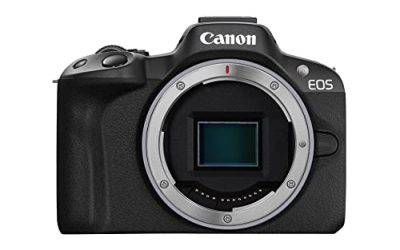
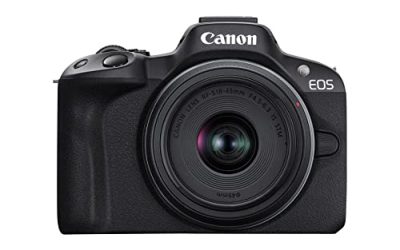
The Canon EOS R5 C is the high-end hybrid in this guide, combining a 45-megapixel full-frame sensor with Cinema EOS video features in a single body. It records internal 8K RAW at 60 frames per second and Cinema RAW Light for grades with enormous latitude, while an internal cooling fan keeps recording through long takes without overheating. Canon Log 3 and 13 assignable buttons give the operator control on set, and the RF mount opens a range of sharp cinema and stills lenses. For music videos that demand the finest image and the most grading freedom, the R5 C leads this group. Cooling also protects long continuous takes.
Sony FX30
- Best for: Run-and-gun music video shoots that need slow motion and mobility all day long.
- Sensor: Super 35 APS-C sensor
- Video: 4K oversampled from 6K
- Frame rate: 4K up to 120 frames per second
- Colour: 10-bit 4:2:2 with S-Log3 and S-Cinetone
Run-and-gun music video shoots that need slow motion and mobility all day long.
No built-in viewfinder, so monitoring relies on the rear screen in bright light.
The Sony FX30 brings Cinema Line features to a compact Super 35 body, with 6K oversampling that delivers sharp 4K video and recording up to 120 frames per second for smooth slow motion. Its 10-bit 4:2:2 colour and S-Log3 profile give the grade real latitude, while S-Cinetone offers a pleasing look straight from the camera. The E mount opens a wide range of lenses, and the NP-FZ100 battery keeps the camera running through long shoot days. For run-and-gun music video work where the camera moves all day, the FX30 is the most practical pick here. Its compact build also travels easily between locations and fits small camera bags.
Which One Fits Your Situation
Low-Budget Independent Videos
Independent artists shoot with small crews, borrowed lights and tight schedules, so the camera has to deliver a cinema look without a cinema budget. The Blackmagic Pocket Cinema Camera 4K fits this role, with RAW recording and included editing software that keep costs down. Spend the saving on lights and a fast lens, since good light shapes the image more than any body can. Spare batteries and extra media keep the small crew shooting.
High-End Commercial Videos
Commercial music videos demand the finest image, the widest grading latitude and a body that survives long days on set. The Canon EOS R5 C leads here, with 8K RAW recording, a cooling fan and a full-frame sensor that handles dark stages cleanly. Pair it with cinema lenses and a proper monitoring setup, and the footage will hold up to any grade the client asks for. A dedicated focus puller and colourist complete the professional workflow.
Performance and Dance Videos
Performance videos mix fast movement, changing light and long takes, so autofocus, slow motion and battery life all matter. The Sony FX30 suits this work with 4K at 120 frames per second, reliable autofocus and a battery that lasts through a shoot day. Its compact body moves easily on a gimbal, which keeps the camera close to the performer without tiring the operator. Rehearse camera moves with the choreography before recording the takes.
Narrative and Story Videos
Story-driven videos need a filmic look, careful lighting and footage that grades into a consistent mood across scenes. The Blackmagic body gives the most cinematic image per unit of cost, while the R5 C offers the finest detail for large screens. Choose the camera that matches the scale of the production, and keep the lenses and lighting consistent so the grade holds together. Plan the colour palette early so scenes share one mood.
Common Mistakes
- Buying a stills camera for video work without checking its recording formats and limits or its overheating behaviour on long takes.
- Ignoring the recording format, then finding the footage falls apart under a heavy grade and losing skin-tone detail in the shadows.
- Choosing a body before the lenses, although lenses shape the look more than the sensor and the mounts they need to fit.
- Forgetting storage and editing power, so large RAW files stall the workflow and badly delay delivery to the artist.
- Skipping low-light tests, then discovering noise and banding on the first dark stage when a reshoot is no longer possible.
Frequently Asked Questions
What frame rate is best for music videos?
Most music videos are shot at 24 or 25 frames per second, with slow motion captured at 60 or 120 frames per second and played back slowly. A camera that records 4K at 120 frames per second gives smooth slow motion at full quality for performance and dance shots. Match the frame rate to the mood of the song.
Do I need RAW recording for a music video?
RAW recording is not required, yet it gives the colourist far more room to shape the image, especially under mixed stage lighting. A 10-bit log format is a strong middle ground that grades well without the storage cost of RAW. For simple videos with natural light, standard recording can suffice, although the grade will have less latitude.
Is a full-frame camera better for music videos?
A full-frame camera gives shallower depth of field and cleaner high-ISO footage, which suits dark stages and close portraits. Super 35 and Four Thirds sensors can still deliver a cinematic look with the right lenses and lighting, and they often cost less. The better choice depends on the budget, the lenses owned and the look the director wants.
How important is autofocus for music video?
Autofocus matters when the performer moves and the camera follows, since manual focus is hard to hold on a moving subject at wide apertures. Eye and face detection help the camera stay locked on the artist through a performance. For locked-off shots and controlled scenes, manual focus gives the operator full control and is often the better choice.
More from Amazon
Programs that pair well with the guide above. Offers and eligibility are set by Amazon and may change.
Free shipping on eligible items, Prime Video and more. Eligible new members can start with a free trial.
Start a Prime free trialAudiobooks and podcasts to listen to on the go. Eligible new members can start with a free trial.
Try Audible freeAd-free music streaming. Eligible new subscribers can start with a free trial.
Try Music Unlimited freeA free business account with business pricing and bulk-buying tools for work, shop or home office.
Create a business accountAs an Amazon Associate we earn from qualifying purchases.