
Our Short List of 3
All 5 Picks at a Glance
| Product | Specs | Action |
|---|---|---|
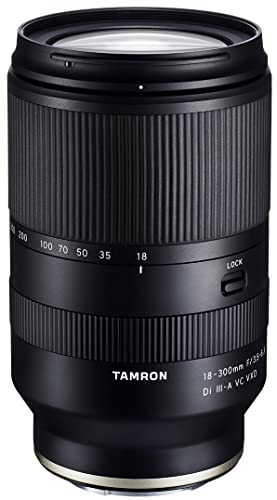
| 1. Tamron 18-300mm f/3.5-6.3 Di III-A VC VXD — Best All-in-One Superzoom | Check price on Amazon | |
 2. Sigma 19mm f/2.8 DN Art — Best Wide Prime | Check price on Amazon | |
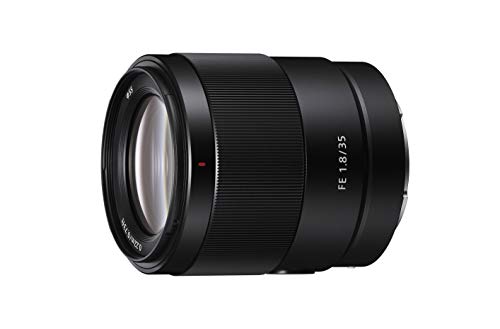 3. Sony FE 35mm f/1.8 — Best Fast Normal Prime | Check price on Amazon | |
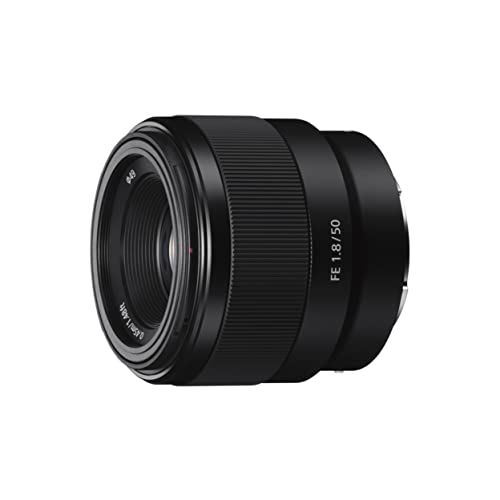 4. Sony FE 50mm f/1.8 — Best Portrait Prime | Check price on Amazon | |
 5. Sony E 30mm f/3.5 Macro — Best Macro Prime | Check price on Amazon |
Our Top Picks
- Tamron 18-300mm F/3.5-6.3 Di III-A VC VXD LensSony E Mount4.9 x 3 x 3 inches1.37 PoundsCheck on Amazon
The Sony A6000 pairs a 24.3MP APS-C sensor with one of the smallest bodies Sony has ever made, and that combination still holds up well. The sensor resolves plenty of detail, the autofocus locks on quickly, and the body slips into a small bag with ease. The weak link for many owners is the kit zoom, which is handy in daylight but modest in dim rooms and limited when you want a blurred background.
A better lens changes the A6000 more than almost any other upgrade. Native E-mount glass keeps the kit tiny, because every lens below was made for this mount and this sensor size, with no adapter. The five lenses in this guide cover the focal lengths most A6000 owners actually use: a superzoom, a wide prime, two fast primes, and a true macro.
As an Amazon Associate, we earn from qualifying purchases.
How the 1.5x Crop Factor Shapes Your Choice
Every lens on the A6000 behaves longer than the number printed on its barrel, because the APS-C sensor crops the image circle: multiply the focal length by 1.5 to get the full-frame equivalent field of view. A 19mm lens frames like a 28.5mm lens on a full-frame camera, and a 50mm lens frames like a 75mm lens. A lens that sounds wide on paper can feel normal on the A6000, and a lens that sounds normal can feel like a portrait lens.
The A6000 has no in-body stabilization, so stabilization in the lens matters for handheld video and for stills in dim light. The superzoom in this guide carries built-in stabilization, while the fast primes below rely on wide apertures instead. A lens at f/1.8 gathers far more light than a kit zoom at f/5.6, which lets you keep shutter speeds high and ISO values low indoors.
Weight matters just as much on a camera this small. The A6000 body weighs about 344 grams with battery and card, so a heavy lens tips the balance forward and makes the grip feel cramped. Three of the five lenses here weigh under 300 grams. Full-frame FE lenses work on the A6000 with the crop factor applied, and the two FE primes below are good examples of that.
1. Tamron 18-300mm f/3.5-6.3 Di III-A VC VXD — Best All-in-One Superzoom
The Tamron 18-300mm f/3.5-6.3 Di III-A VC VXD is the one-lens answer for A6000 owners who want to carry less. On the A6000 it covers 27mm to 450mm in full-frame equivalent terms, from a wide view for streets and landscapes to long reach for sports, wildlife, and distant details. One lens handles a whole trip, with less dust on the sensor and fewer missed moments.
Image quality is the surprise here. The lens stays crisp in the center through most of the range, with good contrast and pleasing color, and it holds up well when you crop a little for distant subjects. Vibration Compensation steadies handheld video and stills in shade and indoors, which matters on a body with no in-body stabilization, and the VXD linear motor focuses quickly and quietly.
Close-up ability is a bonus most superzooms lack. At the wide end the lens focuses down to 0.15 meters with 0.5x magnification, so flowers, food, and small details fill the frame without a dedicated macro lens. At 620 grams it is the heaviest lens in this guide, and the long end is dim at f/6.3. For daylight travel and weekends when you want one lens on the camera, it is the most versatile choice here.
2. Sigma 19mm f/2.8 DN Art — Best Wide Prime
The Sigma 19mm f/2.8 DN Art is the wide prime the A6000 kit never had. On the A6000 it frames like a 28.5mm lens, a classic wide view that suits landscapes, architecture, interiors, and street scenes. At 140 grams it adds almost nothing to the bag, and it turns the A6000 into a camera you can carry everywhere.
Image quality is strong for a lens this small and light. The 19mm is crisp in the center wide open, with good contrast and pleasing color, and it sharpens across the frame when stopped down a little. The f/2.8 aperture is brighter than the kit zoom at the same framing, so indoor shots stay clean. There is no stabilization, so you will lean on the f/2.8 aperture in dim rooms, but the lens is so light that camera shake is easy to control with a steady grip.
The 0.2-meter minimum focus distance lets you get close to food, flowers, and small details. Autofocus is quick and quiet, and the lens focuses internally, so the front element never rotates. For A6000 owners who want a wide view without the bulk of a wide zoom, this is the lightest and simplest way to get it.
3. Sony FE 35mm f/1.8 — Best Fast Normal Prime
The Sony FE 35mm f/1.8 is the classic normal lens for the A6000, and the most useful single prime for portraits and daily shooting. On the A6000 it frames like a 52.5mm lens, close to the natural view of the human eye, so framing feels instinctive. The f/1.8 aperture gives soft, creamy backgrounds that the kit zoom cannot approach, and it keeps shutter speeds high indoors and in evening light.
Optically this is one of the finest value lenses Sony has made for the E system. It is crisp across the frame when stopped down a little, and it holds up well wide open in the center, where your subject usually sits. The 0.22-meter minimum focus distance and 0.24x magnification let you fill the frame with small subjects, and the 9-blade circular aperture helps highlights stay round and gentle.
At 280 grams it keeps the A6000 balanced, and the dust and moisture resistant design shrugs off light drizzle on a walk. Because it is a full-frame FE lens, it also works if you move to a full-frame Sony body later. For low-light daily shooting and portraits with a natural view, this is the best first prime for the A6000.
4. Sony FE 50mm f/1.8 — Best Portrait Prime
The Sony FE 50mm f/1.8 is a full-frame lens that makes a superb portrait prime on the A6000. On the A6000 it frames like a 75mm lens, long enough for head-and-shoulders portraits with soft backgrounds, without crowding your subject. The f/1.8 aperture gathers far more light than any zoom in this guide and melts backgrounds into soft, creamy color behind a sharp subject.
Optically this is one of the finest value lenses Sony has made for the E system. It is crisp across the frame when stopped down a little, and it holds up well wide open in the center, where your subject usually sits. The 0.45-meter minimum focus distance lets you fill the frame with a face, and the 7-blade circular aperture helps highlights stay round and gentle.
At 186 grams it is the second lightest lens in this guide, and it keeps the A6000 balanced for walking all day. Because it is a full-frame FE lens, it also works if you move to a full-frame Sony body later, where it becomes a true 50mm normal lens. For portraits and low-light shooting, this is the best value prime for the A6000.
5. Sony E 30mm f/3.5 Macro — Best Macro Prime
The Sony E 30mm f/3.5 Macro is the close-up specialist the A6000 kit never had. On the A6000 it frames like a 45mm lens, a natural normal view that also doubles as an everyday prime, and it focuses down to 0.095 meters with true 1:1 magnification. That means a flower, a coin, or a watch dial fills the frame at life size, which no other lens in this guide can do.
Image quality is strong for a lens this small and light. The 30mm is crisp across the frame when stopped down a little, and the internal focus design keeps the front element still as you focus closer. The f/3.5 aperture is modest, so you will want good light or a tripod for the closest shots, but the 1:1 magnification is the point: this is a true macro lens, not a zoom with a close-focus mode.
The short working distance is the one thing to know before you buy. At 1:1 magnification the front of the lens sits only a few centimeters from your subject, so it suits still subjects like flowers, food, and small objects far better than skittish insects. For A6000 owners who love close-up detail, this is the smallest way to get true macro ability.
Which Lens Should You Buy First
Match the lens to the shooting you do most. For travel with one lens, the Tamron 18-300mm is the clear first buy: it covers wide streets and long telephoto reach in one zoom, has stabilization for handheld video, and replaces two or three lenses in your bag. For landscapes, interiors, and street photography with a light kit, the Sigma 19mm f/2.8 is the better first buy, because at 140 grams it makes the A6000 pocketable.
For portraits and low-light daily shooting, the Sony FE 35mm f/1.8 is the better first buy, because its normal view and wide aperture flatter people and keep indoor shots clean. Add the Sony FE 50mm f/1.8 when portraits matter most, and add the Sony E 30mm Macro when flowers, food, and small details fill your weekends.
Frequently Asked Questions
Do I need a stabilized lens for the A6000?
Yes, because the A6000 has no in-body stabilization. The Tamron 18-300mm in this guide has built-in stabilization, which steadies handheld video and stills at long focal lengths. The fast primes here have no stabilization, so they rely on wide apertures to keep shutter speeds high in dim light.
Is the Tamron 18-300mm sharp enough for the 24.3MP sensor?
Yes, for travel and everyday shooting. It is sharpest in the center and in the middle of the range, which covers most travel scenes, and the built-in stabilization helps a lot for handheld shots at the long end.
Can I use full-frame FE lenses on the A6000?
Yes. FE lenses mount directly on the A6000 with no adapter, and the 1.5x crop factor applies to their focal length. The Sony FE 35mm f/1.8 frames like a 52.5mm lens and the FE 50mm f/1.8 frames like a 75mm lens on the A6000, and both also work if you move to a full-frame Sony body later.
What is the best single lens for travel with the Sony A6000?
The Tamron 18-300mm f/3.5-6.3 Di III-A VC VXD is the best single travel lens for the A6000. It covers 27mm to 450mm in equivalent terms, has stabilization for handheld video, and weighs only 620 grams, so one lens handles streets, landscapes, wildlife, and portraits on a trip.
Final Thoughts
The A6000 rewards small, bright glass. The Sigma 19mm f/2.8 and the Sony 30mm Macro make the camera disappear into your day at 140 grams or less. The Sony FE 35mm f/1.8 and FE 50mm f/1.8 open up dim rooms and soft portraits that the kit zoom cannot reach. The Tamron 18-300mm covers a whole trip with one zoom, from wide streets to distant wildlife. Pick the lens that matches the shooting you do most, and the A6000 will feel like a new camera.
More from Amazon
Programs that pair well with the guide above. Offers and eligibility are set by Amazon and may change.
Free shipping on eligible items, Prime Video and more. Eligible new members can start with a free trial.
Start a Prime free trialAudiobooks and podcasts to listen to on the go. Eligible new members can start with a free trial.
Try Audible freeAd-free music streaming. Eligible new subscribers can start with a free trial.
Try Music Unlimited freeA free business account with business pricing and bulk-buying tools for work, shop or home office.
Create a business accountAs an Amazon Associate we earn from qualifying purchases.









