
Our Short List of 3
All 5 Picks at a Glance
| Product | Specs | Action |
|---|---|---|
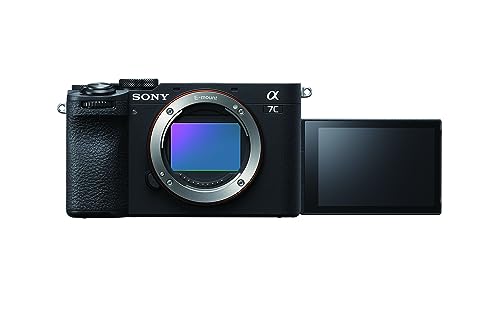 1. Sony A7C II Body | Check price on Amazon | |
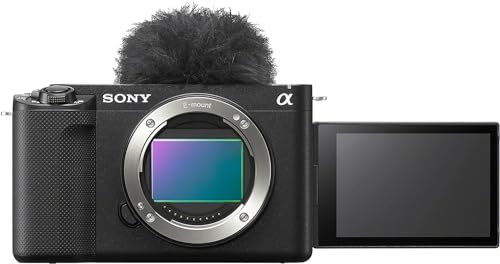 2. Sony ZV-E1 Body | Check price on Amazon | |
 3. Fujifilm X-S20 Body | Check price on Amazon | |
 4. OM System OM-5 with 12-45mm f/4 PRO Lens Kit | Check price on Amazon | |
 5. Canon EOS R50 with RF-S 18-45mm Lens Kit | Check price on Amazon |
Our Top Picks
- Sony Alpha 7C II Full-Frame Interchangeable Lens Camera4.902.5 x 4.9 x 2.8 inches0.95 PoundsCheck on Amazon
- Canon EOS R50 Mirrorless Camera RF-S18-45mm F4.5-6.3 is2.71 x 4.58 x 3.37 Inches1 poundsCheck on Amazon
Travel videography asks a camera to do many jobs at once. It must fit in a small bag, hold focus on a moving subject, keep handheld footage smooth on a crowded street, and keep filming through a long day of walking. It also needs to handle bright beaches, dim restaurants, cold mountain air, and sudden rain. The five cameras below were chosen for exactly that kind of work. Each one is compact for its sensor size, records strong 4K video, and offers dependable subject tracking.
As an Amazon Associate, we earn from qualifying purchases.
How to Choose a Travel Video Camera
Sensor size shapes the look of your footage and the size of your bag. Full-frame bodies gather more light and give a shallower depth of field, which suits evening markets and indoor scenes. APS-C bodies balance image quality and size, while Micro Four Thirds bodies are the lightest of all. None of these choices is wrong for travel. The right one depends on how much weight you will carry and how often you film after dark.
Autofocus matters more on the road than it does in a studio. When you walk backward while filming a friend or follow a child through a plaza, you cannot tap the screen every few seconds. Look for eye and subject detection that locks on and stays locked, even when the subject turns away or passes behind a passerby. The cameras in this guide all offer modern subject detection, and several use artificial intelligence to recognise people, animals, and vehicles.
Stabilisation is the next priority. A camera with in-body image stabilisation smooths the small shakes of walking, and a digital active mode can steady footage further when you film while moving. That combination often removes the need for a gimbal on short trips, which saves weight and setup time.
Battery life decides how much of a day you can film. A larger battery, such as the NP-FZ100 in the Sony bodies below, lasts far longer than the small cells in pocket cameras. Still, plan to carry one spare battery and a compact USB charger, and note that many of these cameras charge over USB-C from a power bank.
Video formats deserve a close look before you buy. Ten-bit 4:2:2 recording captures more colour information than eight-bit footage, which gives you more room to adjust exposure and colour in editing. Higher frame rates, such as 4K at 60 frames per second or Full HD at 120 frames per second, let you slow motion smoothly. A fully articulating screen helps when you film yourself, and a microphone jack plus a headphone jack help you monitor sound in noisy places. Weather sealing is a bonus for mountain and coastal trips, where dust and drizzle appear without warning.
Finally, think about the whole kit, not only the body. A compact zoom that covers wide to short telephoto handles most travel scenes, from hotel rooms to distant rooftops. A fast prime adds low-light ability for evenings. Keep the total kit under a kilogram when you can, and test the bag, batteries, memory cards, and microphone together before departure day.
1. Sony A7C II Body
The Sony A7C II is the most capable all-round camera in this guide. It packs a 33-megapixel full-frame sensor into a body that weighs about 514 grams, so it slips into a small shoulder bag with a compact zoom attached. For travel video, it records 4K at up to 60 frames per second with 10-bit 4:2:2 colour, oversampled from 7K. The five-axis in-body stabilisation is rated at up to seven stops, and Active Mode steadies walking shots further.
Autofocus is a clear strength. The AI processing unit recognises people, animals, birds, and vehicles, and eye detection holds focus while a subject moves through a frame. That is useful when you film a guide leading a group through a market or a friend walking toward you along a beach. The fully articulating touchscreen makes self-filming simple, and the NP-FZ100 battery is the same large cell used in bigger Sony bodies, so a day of mixed filming and stills is realistic with one spare in a pocket.
2. Sony ZV-E1 Body
The Sony ZV-E1 is built for video first, and it shows in every control. It uses a 12.1-megapixel full-frame sensor tuned for 4K, so it performs strongly in low light, which suits night markets, candlelit restaurants, and blue-hour city scenes. It records 4K at up to 120 frames per second with 10-bit 4:2:2 colour, and it offers S-Log3 and S-Cinetone profiles for a cinematic look with gentle grading.
Stabilisation is handled by five-axis in-body stabilisation plus Dynamic Active Mode, which steadies footage when you walk and talk to the camera. AI autofocus tracks people and animals, and tools such as Product Showcase mode and Auto Framing help solo creators film themselves without an assistant. There is no viewfinder, which keeps the body small at about 483 grams, and the vari-angle screen flips forward for self-filming.
Battery life comes from the same NP-FZ100 cell as the A7C II. Bring a compact 28-60mm zoom for general travel, add a fast wide prime for interiors, and the ZV-E1 becomes a pocketable full-frame video kit for travellers who film themselves often.
3. Fujifilm X-S20 Body
The Fujifilm X-S20 is the strongest APS-C choice for travellers who want rich colour and long filming sessions from a small body. Its 26.1-megapixel X-Trans CMOS 4 sensor and X-Processor 5 record 6.2K at 30 frames per second and 4K at 60 frames per second with 10-bit 4:2:2 colour. In-body stabilisation is rated at up to seven stops, and a dedicated Vlog mode on the mode dial makes self-filming quick to set up.
Battery life is the headline feature. The larger NP-W235 battery is rated for around 750 frames in normal mode, more than double the capacity of its predecessor. Subject detection covers people, animals, and vehicles, and the deep grip keeps the camera secure with a heavier zoom attached. Fujifilm film simulations give footage a finished look with little editing, which suits travellers who want to share clips the same evening.
Pair the X-S20 with a compact zoom such as the XF 18-55mm for general use, or the XC 15-45mm for the lightest possible kit. The fully articulating screen, microphone jack, and headphone jack cover the essentials for travel video.
4. OM System OM-5 with 12-45mm f/4 PRO Lens Kit
The OM System OM-5 kit is the lightest complete setup in this guide, and the most weather resistant. The body weighs about 366 grams, and the bundled M.Zuiko 12-45mm f/4 PRO lens adds only about 254 grams, giving a 24-90mm equivalent range. That matters on long hikes, where every gram counts by the afternoon.
The 20.4-megapixel Micro Four Thirds sensor records 4K at up to 30 frames per second, and five-axis stabilisation is rated at up to 6.5 stops on its own, rising further with a stabilised lens. The IP53 dustproof, splashproof, and freezeproof sealing is class-leading at this size, so rain on a coastal walk or dust on a desert trail is less of a worry. Phase-detection autofocus with face and eye detection tracks people well, and the fully articulating screen supports vertical video for social clips.
This kit suits travellers who hike or explore in changeable weather and want a camera that keeps working when conditions turn. The 12-45mm lens is sharp across its range and focuses closely, so it handles landscapes, street scenes, and food in one zoom.
5. Canon EOS R50 with RF-S 18-45mm Lens Kit
The Canon EOS R50 kit is the most approachable pick in this guide, and a strong choice for a first travel video camera. The 24.2-megapixel APS-C sensor and DIGIC X processor record uncropped 4K at 30 frames per second, oversampled from 6K, with Full HD at 120 frames per second for smooth slow motion. Dual Pixel CMOS AF II covers the frame with 651 zones and tracks eyes, people, animals, and vehicles with confidence.
The kit lens, the RF-S 18-45mm f/4.5-6.3 IS STM, collapses down for travel and covers wide street scenes to short portraits. The body weighs about 375 grams, and the vari-angle touchscreen makes self-filming and low-angle shots easy. Continuous video recording runs for up to one hour, which helps for interviews and walking tours.
For travellers on a lighter kit, the R50 is easy to learn, quick to focus, and simple to carry all day. It pairs well with a compact RF-S prime for evenings, and its colour output looks warm and natural with little editing.
Building a Light Travel Video Kit
A good travel video kit is built around weight, sound, and power, not only the camera. Pack one versatile zoom, one fast prime, two batteries, two memory cards, and a small microphone. A compact microphone improves sound far more than any camera upgrade, because wind and crowd noise ruin more clips than soft focus ever will. A tiny tripod doubles as a handle for walking shots and a stand for time-lapse clips.
Plan your media before you leave. Fast UHS-II cards handle high-bitrate 4K without dropping frames, and a small card reader lets you back up footage to a phone or laptop each evening. Keep a lens cloth in an outer pocket, and charge over USB-C whenever you stop for a meal, so the battery lasts longer.
Choose your video settings for the trip, not for a single clip. Record 4K at 30 frames per second for general scenes, switch to 60 frames per second for action, and save 120 frames per second for slow motion. Use a flat or log profile only when you plan to grade the footage later; otherwise, a standard profile looks better straight from the camera. Lock white balance in mixed light, and use a variable neutral density filter in bright sun.
Frequently Asked Questions
Which camera is best for travel videography for a beginner?
The Canon EOS R50 kit is the easiest entry point, with dependable Dual Pixel autofocus, a light body, and a kit lens included. The Sony ZV-E1 is also simple to use for self-filming, while the Fujifilm X-S20 suits creators who want more manual control.
Do I need a gimbal for travel video?
Not always. All five cameras here have in-body stabilisation, and the Sony bodies add a strong digital active mode. A gimbal still helps for long walking shots, but many travellers film handheld all day and save the weight for lenses and batteries.
Is full-frame worth the extra weight for travel video?
Full-frame helps most in low light and for shallow depth of field, which suits evening scenes and portraits. APS-C and Micro Four Thirds kits are lighter and easier to carry, and modern sensors in those formats still record excellent 4K for sharing and editing.
How many batteries should I carry for a day of travel filming?
Carry the battery in the camera plus one spare as a minimum, and add a second spare for long days away from power. A USB-C power bank can recharge a battery during meals and transit, which extends a filming day without adding much bulk.
Final Thoughts
The best travel video camera is the one that stays with you all day, holds focus when the moment happens, and keeps filming when the light fades. The Sony A7C II leads on all-round quality, the ZV-E1 leads on self-filming and low light, the Fujifilm X-S20 leads on battery life and colour, the OM-5 kit leads on weight and weather sealing, and the Canon R50 kit leads on simplicity and ease of use. Pick the strength that matches your trips, pack light, and spend the saved weight on a spare battery and a good microphone.
More from Amazon
Programs that pair well with the guide above. Offers and eligibility are set by Amazon and may change.
Free shipping on eligible items, Prime Video and more. Eligible new members can start with a free trial.
Start a Prime free trialAudiobooks and podcasts to listen to on the go. Eligible new members can start with a free trial.
Try Audible freeAd-free music streaming. Eligible new subscribers can start with a free trial.
Try Music Unlimited freeA free business account with business pricing and bulk-buying tools for work, shop or home office.
Create a business accountAs an Amazon Associate we earn from qualifying purchases.









