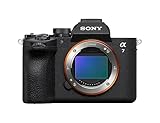
The best travel digital camera for most people in 2026 is a 1-inch sensor compact with a real zoom lens, and the Sony RX100 VII remains the most frequently recommended example. If you prefer one fixed focal length and image quality over reach, the Fujifilm X100VI is the premium choice, while the OM System Tough TG-7 wins for beaches, hiking, and rain. A travel camera should be small enough that you actually carry it, versatile enough to cover a street, a landmark, and a dim restaurant, and durable enough to survive a backpack.
Our top picks
 KODAK PIXPRO FZ55 16MP Compact Digital Camera
- 16MP Sensor: Captures detailed photos with a CMOS…
- Optical Zoom: 5x optical zoom with a 28mm…
- Full HD Video: Records 1080p video for travel…
 KODAK PIXPRO FZ45 16MP Compact Digital Camera
- 16MP Sensor: Captures detailed photos with a CMOS…
- Optical Zoom: 4x optical zoom with a 27mm…
- Full HD Video: Records 1080p video for travel…
| Product | Key specs | |
|---|---|---|
| KODAK PIXPRO FZ55 16MP Compact Digital Camera | 16MP Sensor: Captures detailed photos with a CMOS… Optical Zoom: 5x optical zoom with a 28mm… Full HD Video: Records 1080p video for travel… | Check price |
 Digital Camera | Check price | |
| KODAK PIXPRO FZ45 16MP Compact Digital Camera | 16MP Sensor: Captures detailed photos with a CMOS… Optical Zoom: 4x optical zoom with a 27mm… Full HD Video: Records 1080p video for travel… | Check price |
 Duluvulu 4K Digital Camera for Photography Autofocus | Check price |
As an Amazon Associate we earn from qualifying purchases at no extra cost to you.
Quick comparison
| Pick | Best for | Sensor | Lens (35 mm equivalent) | Video | Price range |
|---|---|---|---|---|---|
| Sony RX100 VII | All-round pocket zoom | 1-inch type, 20.1 MP | 24-200 mm, f/2.8-4.5 | 4K | Upper-mid |
| Canon PowerShot G7 X Mark III | Beginners and vloggers | 1-inch type, 20.1 MP | 24-100 mm, f/1.8-2.8 | 4K, flip screen | Mid |
| Panasonic Lumix ZS99 (TZ99) | Long zoom on a budget | 1/2.3-inch, 20.3 MP | 24-720 mm | 4K | Budget to mid |
| Fujifilm X100VI | Image quality and street photos | APS-C, 40.2 MP | 35 mm f/2 fixed | Up to 6.2K | Premium |
| Ricoh GR IV | Pocketable APS-C | APS-C | 28 mm fixed | Basic | Premium |
| OM System Tough TG-7 | Rugged and waterproof | 1/2.3-inch, 12 MP | 25-100 mm, f/2-4.9 | 4K | Mid |
Best overall: Sony RX100 VII
The RX100 VII packs a 24-200 mm zoom, a pop-up electronic viewfinder, and Sony’s real-time tracking autofocus into a body that weighs about 300 g, per the manufacturer’s spec sheet. That zoom range covers wide landscapes through candid portraits, and the stacked 1-inch sensor handles fast autofocus well. The main trade-off is price, which has stayed high for a model first released in 2019, and the lens becomes dim (f/4.5) at full zoom, which hurts indoors at night.
Best for beginners: Canon PowerShot G7 X Mark III
The G7 X Mark III has a brighter lens than the RX100 (f/1.8 at the wide end) and a flip-up touchscreen, so it doubles as a travel vlogging camera. It records 4K without a crop and has a microphone input. Its zoom stops at 100 mm, so you may need to walk closer to distant subjects. Canon colors are pleasant straight from the camera, which suits travelers who do not want to edit raw files.
Best long zoom: Panasonic Lumix ZS99 (TZ99)
The ZS99 reaches 720 mm equivalent in a body that still fits a jacket pocket, which helps with wildlife, architecture details, and distant signs. The sensor is much smaller than the 1-inch cameras above, so image quality drops in dim light and when you crop. Use it for bright-light travel and treat the zoom as the reason to buy it. A 1-inch Lumix travel zoom with a 15x lens exists if you want better quality and accept a shorter reach.
Best for image quality: Fujifilm X100VI
The X100VI offers a 40.2 MP APS-C sensor, in-body stabilization, and a 35 mm f/2 lens with a hybrid viewfinder, per Fujifilm’s specifications. The fixed 35 mm view suits streets, markets, and portraits, and the camera is a pleasure to use. Downsides include limited reach (you crop or step closer) and demand that often exceeds supply, so check availability before planning a trip around it.
Best pocket APS-C: Ricoh GR IV
The GR series is the choice for street photographers who want an APS-C sensor in a body that disappears in a pocket. The 28 mm equivalent lens is wide, discreet, and quick to snap. It is not a video camera, has no zoom, and its small battery means carrying spares.
Best rugged pick: OM System Tough TG-7
The TG-7 is waterproof (to about 50 m per OM System), shockproof, and freezeproof, with macro modes that make it fun for tide pools and insects. Image quality from the 12 MP sensor is modest, but its durability means you can use it in conditions that would kill a normal compact.
How to choose a travel camera
Decide on weight first
A pocket compact is roughly 250 to 400 g. A mirrorless body with one lens usually passes 800 g. If a camera lives in the hotel because it is heavy, a smaller option is the better camera.
Match focal length to what you shoot
24 mm suits landscapes and interiors, 35 mm suits streets and travel scenes, 100 mm suits portraits, and 200 mm or beyond suits wildlife and distant details. A 24-200 mm zoom covers most trips without lens changes.
A quick battery calculation
Compact cameras typically deliver 250 to 400 shots per charge by CIPA standards. If you shoot 300 photos a day plus some video, plan on one spare battery for every travel day away from a power outlet, or carry a USB power bank if the camera charges over USB-C.
Choose sensor size for evening photos
One-inch sensors collect around 2.5 times more light than 1/2.3-inch sensors, per the sensor area difference. That gap shows up at restaurants, museums, and night streets, where tiny-sensor cameras get noisy.
Which travel camera fits which traveler
| Your situation | Best match | Why |
|---|---|---|
| One bag, mixed sightseeing and dinners | Sony RX100 VII | 24-200 mm covers most scenes without changing lenses |
| First dedicated camera, some vlogging | Canon PowerShot G7 X Mark III | Bright lens, flip screen, simple menus |
| Safari, cruises, distant landmarks | Panasonic Lumix ZS99 | 720 mm equivalent reach in a pocket |
| Street and city walking, quality first | Fujifilm X100VI or Ricoh GR IV | APS-C sensor in a body that blends in |
| Beach, snorkeling, rainy hikes | OM System Tough TG-7 | Waterproof and shockproof without a housing |
Ownership realities for travel cameras
Small cameras fail in predictable ways. Lens covers and zoom barrels collect sand and grit, so a microfiber cloth and a small blower are worth packing. Battery doors and port covers on rugged models need a clean rubber seal; a single grain of sand can compromise water resistance, so rinse in fresh water after salt exposure and let the camera dry before opening the battery door. Screens scratch when a camera shares a pocket with keys, so a slim case or a screen protector is cheap insurance.
Plan your memory too. A day of photos at 20 MP in JPEG uses roughly 6 to 10 MB per frame, so 500 photos need about 4 GB; if you shoot raw files, multiply by three or four. Carry two smaller cards instead of one large card so a single failure does not lose the whole trip, and copy images to a phone or tablet each evening.
Finally, check your destination’s rules. Some museums ban tripods, some prohibit flash, and some limit lenses over a certain length. A camera without a detachable lens or an obvious tripod habit rarely raises questions, which is one more reason pocket compacts work well for travel.
Frequently Asked Questions
Is a compact camera better than a smartphone for travel?
For optical zoom, a viewfinder, and lower noise in dim light, yes. For convenience and sharing, a phone wins. Many travelers carry both and use the camera for portraits and zoomed shots.
What is the best sensor size for a travel compact?
A 1-inch type sensor is the sweet spot between pocketability and image quality. APS-C gives more quality but usually means a fixed lens.
Should I buy a mirrorless camera for travel instead?
Choose mirrorless if you want interchangeable lenses and faster autofocus for action. Choose a compact if weight and pocketability matter more.
Do travel cameras need image stabilization?
Yes, especially with a zoom lens. Stabilization lets you shoot sharper handheld in dim light and is more important at longer focal lengths.
Is a waterproof camera worth it?
If your trip involves snorkeling, beaches, or hiking in rain, a rugged camera like the Tough TG-7 saves the worry. For city travel, it is unnecessary.
More from Amazon
Programs that pair well with the guide above. Offers and eligibility are set by Amazon and may change.
Free shipping on eligible items, Prime Video and more. Eligible new members can start with a free trial.
Start a Prime free trialAudiobooks and podcasts to listen to on the go. Eligible new members can start with a free trial.
Try Audible freeAd-free music streaming. Eligible new subscribers can start with a free trial.
Try Music Unlimited freeA free business account with business pricing and bulk-buying tools for work, shop or home office.
Create a business accountAs an Amazon Associate we earn from qualifying purchases.