Key takeaways
- Open frame: cheaper, easier to reach, good for PLA, PETG and TPU. Lower heat buildup. Dust, drafts and pets can affect prints, and moving parts are exposed.
- Enclosed: steadier temperatures, quieter, protects fingers from hot parts and moving mechanisms, and suits ABS and ASA. Costs more and needs careful ventilation.
For most first-time buyers who want prints to simply work, an enclosed or highly automated CoreXY printer from Bambu Lab or Prusa is the safest choice, while a compact bed-slinger such as the Bambu Lab A1 mini suits small desks and tight budgets, and a tinkerer-friendly budget machine from Creality or Elegoo suits people who enjoy fixing and tuning. Fused deposition modeling (FDM) printers melt plastic filament and lay it down layer by layer, so the right pick depends on what you print, how much space you have, and how much fiddling you tolerate.
Our top picks


As an Amazon Associate we earn from qualifying purchases at no extra cost to you.
At a Glance: Current FDM Printers Compared
| Printer | Best for | Key stated specs (maker) | Limits |
|---|---|---|---|
| Bambu Lab A1 mini | Beginners, small spaces, budget tier | Build volume about 180 x 180 x 180 mm; open frame; optional multicolor add-on | Small volume; open frame suits PLA and PETG, not warp-prone materials |
| Bambu Lab A1 | Beginners wanting a larger bed, mid-range tier | Build volume about 256 x 256 x 256 mm; bed-slinger design; automatic calibration | Open frame; moving bed limits speed on tall, heavy parts |
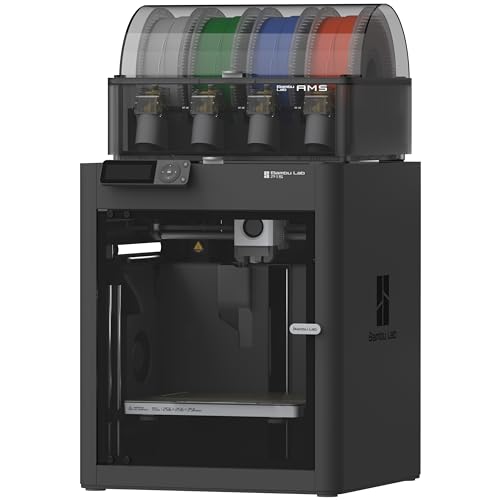
| Bambu Lab P1S | Enclosed printing, families and classrooms, mid-range tier | About 256 x 256 x 256 mm; enclosed CoreXY; filtered chamber | Enclosure traps heat, so open the lid for PLA on warm days |
| Prusa MK4S | Reliability, open hardware, repairability, mid-range tier | About 250 x 210 x 220 mm; bed-slinger; available as kit or assembled | Open frame; slower than CoreXY rivals |
| Prusa Core One | Enclosed CoreXY from a repair-friendly maker, premium tier | About 250 x 220 x 270 mm; enclosed CoreXY; kit or assembled options | Higher cost; assembly time if you choose the kit |
| Creality K1C | Fast enclosed printing on a budget-to-mid tier | About 220 x 220 x 250 mm; enclosed CoreXY; hardened steel nozzle listed by the maker | Smaller volume; reviewers report more tuning than Bambu |
| Elegoo Neptune 4 Pro | Budget tinkerers | About 225 x 225 x 265 mm; open bed-slinger; Klipper-based firmware | Open frame; fewer polish features |
Maker lineups refresh often, and a newer revision of any model above may be on sale, so treat the model names as a starting point and read the current maker page for the revision in front of you.
What “FDM” Means and Why It Suits Most Buyers
FDM printers push thermoplastic filament through a heated nozzle. They are the most common consumer 3D printers, they handle everything from phone stands to replacement appliance knobs, and filament is sold in many materials. Resin printers can capture finer detail for miniatures, but they involve liquid resin, washing and curing, so they need more safety care. If you want functional parts, cosplay props, organizers or prototypes, FDM is the usual starting point.
Bambu Lab A1 mini and A1: Easiest Starts
The A1 mini is the compact entry point. The maker lists a build volume of roughly 180 millimeters per side, which covers most desk accessories, small tools and figurines. Reviewers consistently describe the Bambu approach of automatic bed leveling, flow calibration and a polished slicer as the main reason beginners get usable prints quickly. The trade-off is the small build area and the open frame.
The A1 steps up to roughly 256 millimeters per side, which is far more flexible for helmets, larger organizers and multi-part builds. It shares the open bed-slinger layout, meaning the bed moves back and forth. That layout is simple and cheap to build, but tall, heavy models can wobble at high speed, and reviewers note you may need to slow down for them. Both models offer an optional multicolor accessory from the maker, which adds waste and print time, so think about whether you need multicolor before paying for it.
Bambu Lab P1S: Enclosed for Wider Material Choice
The P1S keeps the same size class as the A1 but uses an enclosed CoreXY design. An enclosure holds heat steady, which helps with materials such as ABS and ASA that curl when drafts cool the part. The maker lists a filtered chamber, but filters do not make fumes harmless. Run printers in a ventilated room, follow the filament maker’s guidance, and keep the printer away from where people sleep. Reviewers also point out that enclosed machines can overheat PLA, so you may need to open the lid or door when printing low-temperature plastics.
Prusa MK4S and Core One: Repair-Friendly Reliability
Prusa Research is known for open designs, detailed manuals and parts that are sold individually. The MK4S is a bed-slinger of about 250 by 210 by 220 millimeters. It is offered as a kit, which teaches you how the machine works, or as an assembled unit. Reviewers describe it as dependable and quiet for its class, though slower than newer CoreXY machines.
The Core One is the maker’s enclosed CoreXY machine, listing a build volume of about 250 by 220 by 270 millimeters. It targets buyers who want an enclosure, higher speeds and the same repair-friendly philosophy. It sits in the premium tier, so it makes the most sense for people who plan to print often, for small-business prototyping, or for classrooms that want parts and documentation available long term.
Creality and Elegoo: Budget Tinkerer Options
Creality’s K1C is an enclosed CoreXY machine, and the maker lists a hardened steel nozzle, which helps with abrasive filaments such as carbon-fiber blends. Reviewers say it prints fast for its tier but can require more tuning, firmware care and occasional parts replacement than Bambu or Prusa. The Elegoo Neptune 4 Pro is an open bed-slinger with a build volume of about 225 by 225 by 265 millimeters and Klipper-based firmware. It appeals to people who like adjusting settings and are comfortable reading community guides when something misbehaves.
Open Frame vs Enclosed: Which Do You Need?
- Open frame: cheaper, easier to reach, good for PLA, PETG and TPU. Lower heat buildup. Dust, drafts and pets can affect prints, and moving parts are exposed.
- Enclosed: steadier temperatures, quieter, protects fingers from hot parts and moving mechanisms, and suits ABS and ASA. Costs more and needs careful ventilation.
Hot nozzles and beds can burn skin, and melted plastic can release fumes. Never leave a printer running unattended for long jobs unless you are comfortable with the machine’s safety features, and keep a smoke alarm in the room. Follow the manufacturer’s manual for fire-safety, power and ventilation guidance, and use a properly rated outlet. If you suspect a wiring or heater fault, stop using the printer and contact the maker or a qualified electrician.
Build Volume, Noise and Space
Measure your desk first. A printer needs room around it for filament spools, a purge area and airflow. CoreXY machines are usually less shaky at speed, while bed-slingers need a sturdy surface. Fan and motor noise is a real consideration in apartments, and reviewers often mention enclosed machines as quieter in daily use. If you will print in a shared room, favor an enclosure and a quiet-operation mode.
Filaments to Start With
- PLA: easiest, low odor, good for decorative parts.
- PETG: tougher and more heat tolerant than PLA, slightly stringy.
- TPU: flexible, needs slower speeds and a suitable extruder path.
- ABS and ASA: strong and heat tolerant but need an enclosure and ventilation.
- Carbon-fiber blends: need hardened nozzles because they are abrasive.
Pick X If… Decision Table
| Pick this | If you… |
|---|---|
| Bambu Lab A1 mini | have a small desk, want the easiest start and mostly print small PLA objects |
| Bambu Lab A1 | want a bigger bed without an enclosure and plan to print PLA and PETG |
| Bambu Lab P1S | want an enclosure, quieter operation and room to grow into ABS or ASA |
| Prusa MK4S | value repair manuals, spare parts and an open ecosystem over top speed |
| Prusa Core One | want an enclosed CoreXY and long-term serviceability |
| Creality K1C | want an enclosed fast machine in a lower tier and accept some tuning |
| Elegoo Neptune 4 Pro | enjoy tinkering and want the lowest tier of entry with a decent bed |
Alternatives Worth Considering
- Bambu Lab X1 Carbon line: a higher-end enclosed machine with extra sensors, for buyers who want the maker’s top tier.
- Creality Ender-3 V3 series: budget bed-slingers with large community support, suited to learning the basics.
- Anycubic and other budget brands: entry machines worth reading reviews on, since quality varies by revision.
Running Costs and Care
Beyond the printer, budget for filament, spare nozzles, build plates and a dry storage box, since many filaments absorb moisture and print worse when damp. Keep rods and belts clean, follow the maker’s lubrication schedule, and replace worn nozzles. A printed part that is meant to hold weight or contact food should be treated carefully: standard FDM surfaces can harbor bacteria in layer lines, so do not assume food safety unless the filament maker and part design support it.
Frequently Asked Questions
What is the best FDM 3D printer for a complete beginner?
Reviewers most often point beginners to Bambu Lab’s A1 mini or A1 because of automatic calibration and a simple slicer. If you want an enclosure from day one, the P1S is the usual next step. Choose by the space you have and what you plan to print.
Do I need an enclosed printer?
You need one if you plan to print ABS or ASA, want quieter operation, or have children or pets nearby. For PLA and PETG, an open printer works well. An enclosure also helps keep fingers away from moving parts.
Is a kit printer better than an assembled one?
A kit teaches you how the machine works and makes later repairs easier, but it takes hours to build. An assembled printer saves time. Prusa offers both, so the choice is about how much you want to learn.
Are 3D printer fumes dangerous?
Heated plastics can release fine particles and vapors, and the amount depends on the material. Print in a ventilated room, follow the filament maker’s guidance, and avoid sleeping areas. People with respiratory conditions should speak to their doctor before spending long hours near a printer.
How big a build volume do I need?
Around 180 millimeters per side covers small objects and parts. Around 250 millimeters per side covers most household projects and larger props. Remember that bigger parts can also be split and glued, so you can print large items on smaller machines.
Can an FDM printer replace professional manufacturing?
It is excellent for prototypes, jigs and custom parts. For parts that carry safety loads or need certified materials, a professional service is a better choice. Treat home prints as non-critical unless the design and material suit the job.
More from Amazon
Programs that pair well with the guide above. Offers and eligibility are set by Amazon and may change.
Free shipping on eligible items, Prime Video and more. Eligible new members can start with a free trial.
Start a Prime free trialAudiobooks and podcasts to listen to on the go. Eligible new members can start with a free trial.
Try Audible freeAd-free music streaming. Eligible new subscribers can start with a free trial.
Try Music Unlimited freeA free business account with business pricing and bulk-buying tools for work, shop or home office.
Create a business accountAs an Amazon Associate we earn from qualifying purchases.