For most people the best compact camera is a 1-inch-sensor model with a useful zoom, such as the Sony RX100 VII or Canon PowerShot G7 X Mark III; street photographers who want a pocketable large-sensor camera should look at the Ricoh GR III or GR IIIx; and buyers who want a premium, retro-styled fixed-lens camera should consider the Fujifilm X100VI. This guide compares those models and a few alternatives by sensor size, lens, handling and stated limits, so you can match a camera to how you actually shoot. Compact cameras are made in small production runs, so stock and pricing vary by region and some models are periodically hard to find.
Our top picks
 KODAK PIXPRO FZ55 16MP Compact Digital Camera
- 16MP Sensor: Captures detailed photos with a CMOS…
- Optical Zoom: 5x optical zoom with a 28mm…
- Full HD Video: Records 1080p video for travel…
 KODAK PIXPRO FZ45 16MP Compact Digital Camera
- 16MP Sensor: Captures detailed photos with a CMOS…
- Optical Zoom: 4x optical zoom with a 27mm…
- Full HD Video: Records 1080p video for travel…
 KODAK PIXPRO FZ55 16MP Compact Digital Camera
- 16MP Sensor: Captures detailed photos with a CMOS…
- Optical Zoom: 5x optical zoom with a 28mm…
- Full HD Video: Records 1080p video for travel…
| Product | Key specs | |
|---|---|---|
| KODAK PIXPRO FZ55 16MP Compact Digital Camera | 16MP Sensor: Captures detailed photos with a CMOS… Optical Zoom: 5x optical zoom with a 28mm… Full HD Video: Records 1080p video for travel… | Check price |
| KODAK PIXPRO FZ45 16MP Compact Digital Camera | 16MP Sensor: Captures detailed photos with a CMOS… Optical Zoom: 4x optical zoom with a 27mm… Full HD Video: Records 1080p video for travel… | Check price |
| KODAK PIXPRO FZ55 16MP Compact Digital Camera | 16MP Sensor: Captures detailed photos with a CMOS… Optical Zoom: 5x optical zoom with a 28mm… Full HD Video: Records 1080p video for travel… | Check price |
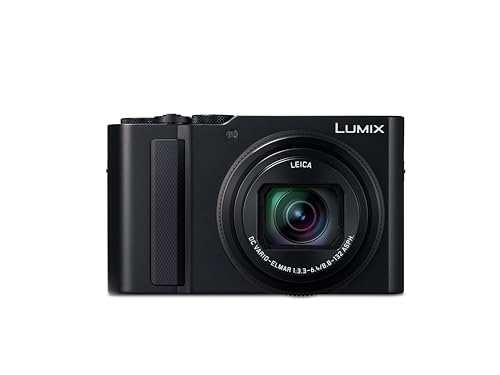 Panasonic LUMIX ZS300 Compact Travel Camera | Check price |
As an Amazon Associate we earn from qualifying purchases at no extra cost to you.
At a glance
| Camera | Best for | Key stated specs | Limits | Tier |
|---|---|---|---|---|
| Sony RX100 VII | Travel zoom in a pocket | 1-inch sensor, 24-200mm equivalent zoom, electronic viewfinder, fast autofocus as listed by the maker | Smaller sensor than APS-C, slow telephoto aperture | Premium compact |
| Canon PowerShot G7 X Mark III | Vlogging and everyday photos | 1-inch sensor, 24-100mm equivalent, F1.8-2.8, live-streaming and vertical video support | No viewfinder, shorter zoom | Mid-range |
| Sony ZV-1 II | Vloggers wanting wide view | 1-inch sensor, wide 18-50mm equivalent zoom, flip-out screen | Short zoom, no viewfinder | Mid-range |
| Ricoh GR III / GR IIIx | Street, everyday carry | APS-C sensor, 28mm (GR III) or 40mm (GR IIIx) equivalent fixed lens, in-body stabilisation | No zoom, no viewfinder, no flash built-in listed on GR III | Premium compact |
| Fujifilm X100VI | Stylish all-round fixed-lens | APS-C sensor, 23mm F2 lens (about 35mm equivalent), hybrid viewfinder, in-body stabilisation | Fixed focal length, larger than pocket compacts, demand high | Premium |
| Panasonic Lumix LX100 II | Enthusiasts wanting a larger sensor with zoom | Four Thirds sensor, 24-75mm equivalent lens, viewfinder | Older design, short zoom | Premium |
| Canon PowerShot SX-series long-zoom compacts | Long zoom on a budget | Small sensor, very long zoom as listed by maker | Image quality drops in low light | Budget |
Why sensor size matters
A larger sensor usually means cleaner images in dim light and more control over background blur, but it also demands a larger lens and a larger body. The one-inch sensors in the Sony and Canon models are a middle point: noticeably better than a phone in low light and at long zoom, but smaller than the APS-C sensors in the Ricoh GR III and Fujifilm X100VI. Reviewers often note that modern phones narrow the gap in bright conditions, so the main reasons to buy a compact are lens quality, optical zoom, physical controls and a more deliberate shooting experience.
Fixed-lens cameras with APS-C sensors, such as the Ricoh and Fujifilm models, give up zoom to keep the lens small and the optics strong. If you value flexibility more than size, a zoom compact with a one-inch sensor is a better fit. If you want the best image quality in a pocketable body and are comfortable framing with your feet, the fixed-lens APS-C models make sense.
Zoom compacts
Sony RX100 VII
The RX100 series defined the premium pocket camera, and the seventh generation is the one the maker positions as the flagship. It combines a one-inch sensor with a 24-200mm equivalent zoom, a pop-up electronic viewfinder and Sony’s real-time tracking autofocus. The long zoom makes it suitable for travel, family events and casual wildlife. Reviewers point out that the telephoto end has a narrower maximum aperture, so low-light performance drops when zoomed in, and menus are dense. Earlier models in the line, such as the RX100 VA, are sometimes still sold at a lower tier with a shorter zoom.
Canon PowerShot G7 X Mark III
This model is a favourite among content creators because of its bright F1.8 aperture at the wide end, a tilting touchscreen, a microphone input and support for direct live streaming as stated by the maker. The 24-100mm equivalent zoom covers most everyday needs, though it is shorter than the Sony. It lacks a built-in viewfinder, which matters in bright sun. Stock has been inconsistent in some regions, so buyers sometimes look at the G5 X Mark II, which adds a viewfinder in a thicker body.
Sony ZV-1 II
Built for vloggers, this camera has a wider 18-50mm equivalent lens that handles arm-length selfie video, a flip-out screen and a directional microphone with a wind screen. Its short zoom means it is less suitable for travel photography than the RX100 VII, and it is not designed for sports or wildlife. If you shoot mostly video of yourself or small groups, it is a strong match.
Fixed-lens APS-C cameras
Ricoh GR III and GR IIIx
These cameras have a loyal following among street photographers. The GR III has a 28mm equivalent lens and the GR IIIx a 40mm equivalent. Both use an APS-C sensor, include in-body stabilisation as listed by the maker and fit in a jacket pocket. There is no viewfinder or zoom, and battery life is modest, so carrying a spare is common advice from reviewers. If you prefer a wide view with environment included, pick the GR III; if you prefer natural, portrait-friendly framing, pick the GR IIIx.
Fujifilm X100VI
The X100VI keeps the retro design of the line while adding a high-resolution APS-C sensor, in-body stabilisation and an updated processor, according to the maker. Its 23mm F2 lens gives a roughly 35mm equivalent view. The hybrid viewfinder lets you switch between optical and electronic modes. It is larger than the Ricoh and the lens is fixed, but it offers a more tactile experience with dials and a leaf shutter that supports flash sync at high speeds. Demand has outstripped supply at times, so availability may affect your decision.
Other options
The Panasonic Lumix LX100 II offers a Four Thirds sensor with a 24-75mm equivalent lens and a viewfinder, and appeals to enthusiasts who want manual controls on the lens barrel. It is an older design and the zoom range is short. At the budget end, long-zoom compacts in the Canon PowerShot SX series offer large zoom ranges but smaller sensors, so image quality falls quickly in dim light. They suit daylight holidays, not night events. Premium shoppers sometimes look at full-frame fixed-lens cameras such as the Leica Q3, which sit in a tier above the cameras in this guide and are significantly larger.
Handling, size and care notes
- Pocketability: The RX100 VII and G7 X III fit a jacket pocket; the X100VI is more like a small bag item. Try the size against your clothing before buying.
- Battery life: Compacts have small batteries. The makers list shot counts per charge; carry a spare and check whether USB charging is supported.
- Video limits: Compact cameras can overheat or limit clip length in long 4K recording, so read the manual if video is your priority.
- Lens care: Fixed lenses are not removable, so dust on the sensor is a service issue. Keep the lens cap on, use a lens pen or blower and avoid changing environments quickly to prevent condensation.
- Memory cards: Use the card type the maker specifies, and format in the camera.
Pick X if…
| If you want… | Pick | Why |
|---|---|---|
| A pocket zoom for travel | Sony RX100 VII | 24-200mm, viewfinder, fast autofocus |
| A vlogging camera with a bright lens | Canon PowerShot G7 X Mark III | F1.8 wide end, mic input |
| A wide vlogging camera | Sony ZV-1 II | 18-50mm equivalent lens |
| Street photography in a pocket | Ricoh GR III or GR IIIx | APS-C sensor, discreet |
| An enthusiast fixed-lens camera with style | Fujifilm X100VI | Hybrid viewfinder, dials, stabilisation |
| A larger sensor with a zoom lens | Panasonic Lumix LX100 II | Four Thirds, 24-75mm |
| A long zoom on a tight budget | Canon PowerShot SX series | Large zoom range, small sensor |
Alternatives to a dedicated compact
- A modern phone: Strong in daylight and convenient, but lacks optical zoom reach and physical controls.
- An entry-level mirrorless camera with a pancake lens: Larger than a compact but allows lens changes and better autofocus tracking.
- A used compact: Previous-generation RX100 models and other proven compacts offer good value at a lower tier, though battery wear and condition should be inspected.
Frequently Asked Questions
Are compact cameras still worth buying in 2026?
Yes, for buyers who want optical zoom, better low-light quality than a phone or a more deliberate shooting experience. Phones have closed the gap in casual daylight photography, but a larger sensor and dedicated lens still offer an advantage in some situations. Whether it is worth it depends on how much you value those benefits.
What is the best compact camera for travel?
The Sony RX100 VII is often named for travel because of its 24-200mm equivalent zoom and built-in viewfinder in a pocket body. If you prefer a single wide prime and want the best image quality, the Ricoh GR III or Fujifilm X100VI are the alternatives. Choose zoom for versatility and a prime for quality and discretion.
Is a one-inch sensor good enough?
For most online sharing and prints up to moderate sizes, yes. A one-inch sensor outperforms the small sensors in basic compacts and many phones in low light. Larger APS-C sensors give additional headroom, particularly for dim interiors and shallow depth of field.
Which compact is best for vlogging?
The Canon G7 X Mark III and Sony ZV-1 II are the usual picks. Both have flip-out or tilting screens and microphone support. The Sony has a wider lens for arm-length framing, while the Canon has a brighter aperture at its wide end.
Do compact cameras have interchangeable lenses?
No, the lens is fixed on the models in this guide. That is why the lens specification, whether a zoom range or a single focal length, is the most important thing to read. If you want lens changes, look at an entry-level mirrorless body instead.
Why are some compact cameras hard to find?
Makers produce compacts in smaller volumes than before, and demand for models such as the Fujifilm X100VI and Ricoh GR series has at times exceeded supply. Availability varies by country and retailer. If your first choice is out of stock, consider the closest alternative in the same sensor and lens category.
More from Amazon
Programs that pair well with the guide above. Offers and eligibility are set by Amazon and may change.
Free shipping on eligible items, Prime Video and more. Eligible new members can start with a free trial.
Start a Prime free trialAudiobooks and podcasts to listen to on the go. Eligible new members can start with a free trial.
Try Audible freeAd-free music streaming. Eligible new subscribers can start with a free trial.
Try Music Unlimited freeA free business account with business pricing and bulk-buying tools for work, shop or home office.
Create a business accountAs an Amazon Associate we earn from qualifying purchases.