Key takeaways
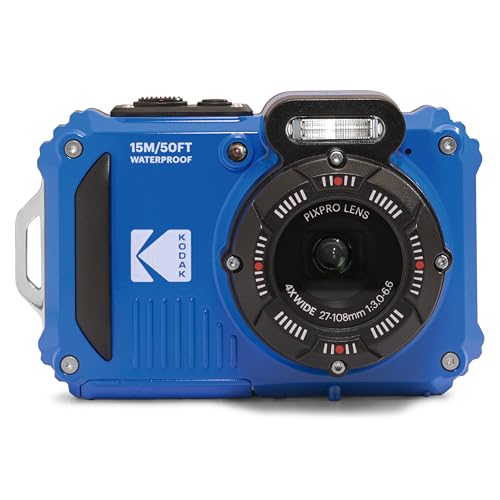
- The best waterproof camera for most families, snorkelers and beachgoers is the KODAK PIXPRO WPZ2. It is a genuinely waterproof compact camera rated to 15 meters (about 49 feet) without a housing, with a 16MP sensor and a 4X optical…
The best waterproof camera for most families, snorkelers and beachgoers is the KODAK PIXPRO WPZ2. It is a genuinely waterproof compact camera rated to 15 meters (about 49 feet) without a housing, with a 16MP sensor and a 4X optical zoom, and it comes in yellow, blue and red, all of which are easy to spot if dropped in the water. It usually sells around $160–$190.
If you want 4K video and the ability to go deeper, the AKASO EK7000 action camera records 4K at 30fps and is rated to 131 feet when used in its included waterproof case, for roughly $60–$80. The two unbranded underwater cameras on this list, a 4K dual-screen model rated to 16 feet and an “8K” model rated to 33 feet, are budget options for kids or casual pool use; treat their headline resolution claims with caution.
Our top picks




As an Amazon Associate we earn from qualifying purchases at no extra cost to you. Ratings are shown as listed on Amazon.
Waterproof Camera Comparison
| Camera | Type | Waterproof Depth | Headline Resolution | Zoom / Extras | Typical Price |
|---|---|---|---|---|---|
| KODAK PIXPRO WPZ2 | Rugged compact | 15 m (about 49 ft), no case | 16MP | 4X zoom; yellow, blue or red | $160–$190 |
| AKASO EK7000 | Action camera | 131 ft (in included case) | 4K30, 20MP | EIS, Wi-Fi, remote, 4X zoom, external mic support | $60–$80 |
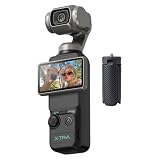
| 8K Underwater Camera (70MP) | Budget compact | 33 ft | “8K”, “70MP” claimed | Wi-Fi, 32GB card included | $100–$120 |
| 4K Underwater Camera (64MP) | Budget compact | 16 ft | “4K”, “64MP” claimed | Dual screens for selfies | $60–$75 |
Top Picks Explained
KODAK PIXPRO WPZ2 – Best Overall Waterproof Camera
Best for: snorkeling, beach vacations, pool days, kayaking and families who want a simple point-and-shoot that survives water and sand.
The WPZ2 is waterproof on its own, so there is no case to fog up or forget to seal. A 15-meter rating covers snorkeling and shallow recreational dives. The 4X optical zoom lets you frame subjects on the beach without walking closer, which most action cameras cannot do optically. The bright color options are practical, not just cosmetic: a yellow or red camera is easier to find on a dark seabed or in a bag. It is also built to be rugged, which helps on rocky shores and boat decks.
Trade-offs: a small 16MP compact sensor will not match a smartphone’s computational processing in low light, and video quality is a step behind 4K action cameras. If stills and simplicity matter most, it is the best fit.
Color choice: the yellow, blue and red versions are the same camera; prices sometimes differ slightly by color, so pick whichever is cheapest or easiest to spot.
AKASO EK7000 – Best Budget for 4K Video
Best for: snorkelers and divers who want video, and anyone who wants an action camera for biking, surfing or skiing too.
The EK7000 records 4K at 30fps with electronic image stabilization and takes 20MP stills. In its included waterproof case it is rated to 131 feet, which covers recreational scuba depths. Wi-Fi lets you transfer clips to your phone, and support for an external microphone helps for vlogging out of the water.
Trade-offs: the camera itself is not waterproof without the case, the case muffles audio and can fog in cold water, and zoom is digital. Use anti-fog inserts on dives.
8K Underwater Camera (70MP, 33FT) – Budget Alternative
This unbranded camera advertises 8K video and 70MP photos, rated to 33 feet, with Wi-Fi and a 32GB card in the box. Budget cameras like this commonly use interpolation to reach headline numbers, so real detail will be well below what “8K” suggests. It can still be a fun, low-risk camera for teens or pool use, but it is not a substitute for the Kodak or AKASO for vacation memories.
4K Underwater Camera (64MP, 16FT) – Kids and Pool Option
The dual-screen design, with a rear screen and a front selfie screen, makes framing selfies and group shots easy. The 16-foot rating is fine for pools and shallow snorkeling, not deeper water. Like the 8K model, the 64MP and 4K figures are best treated as marketing; consider it a durable, inexpensive camera for kids rather than a serious photo tool.
How to Choose a Waterproof Camera
Depth rating
| Activity | Typical depth | Minimum rating |
|---|---|---|
| Pool and splash play | Under 10 ft | 16 ft |
| Snorkeling | Surface to 15 ft | 33 ft |
| Free diving | 15–40 ft | 49 ft or more |
| Recreational scuba | Up to 60–130 ft | 131 ft (case) or dive housing |
Built-in waterproofing vs. a case
Built-in waterproof cameras like the WPZ2 are easier: no case to seal and fewer fogging problems. Cased action cameras can go deeper but need more care.
Optical vs. digital zoom
Optical zoom keeps image quality as you zoom; digital zoom crops and loses detail. The WPZ2 is the stronger choice for zoomed shots.
Be skeptical of megapixel claims
A small sensor advertised at 64MP or 70MP usually produces interpolated images. Sensor size, lens quality and processing matter more than the headline number.
Care after use
Rinse the camera in fresh water after saltwater or chlorine, dry it before opening the battery door, and check that seals are clean and free of sand before each trip.
FAQ
Is a waterproof camera better than a phone in a pouch?
For snorkeling and frequent water use, yes. Pouches can leak and make touchscreens hard to use; a dedicated camera has physical buttons and no risk to your phone.
Do waterproof cameras float?
Most do not. Use a wrist strap or a floating strap.
Which is best for kids?
The budget 4K dual-screen camera is fine for pool play; the Kodak WPZ2 is the better long-term choice for family vacations.