
Our Top Picks
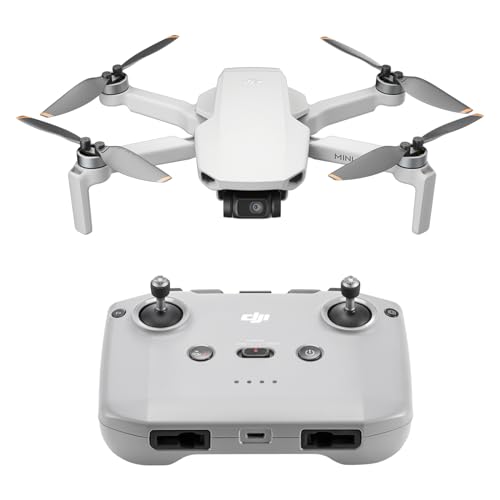
A road trip is a moving photo shoot. The light changes every hour, the landscape shifts from desert to coastline to mountain pass, and the best viewpoints are often the ones you cannot reach on foot. A drone turns those moments into aerial photographs and smooth video clips, and the right one earns its place in a bag that is already full of camera gear, snacks, and charging cables.


The drones in this guide were chosen for life on the road. Each one folds down small, carries a camera that records in 4K, and flies long enough to cover a scenic overlook in a single battery. They are also simple enough to launch from a rest area or a trailhead parking lot, then pack away again in minutes.
As an Amazon Associate, we earn from qualifying purchases.
What Makes a Drone Road-Trip Ready
Portability comes first. A drone that folds flat slides into a camera bag side pocket or a glove box, while a bulky airframe demands its own case and eats up trunk space. Weight matters too. In the United States, drones under 249 grams flown for fun do not need FAA registration or Remote ID, which removes one piece of paperwork from every state line on a long drive.
Flight time is the second test. A battery that lasts around half an hour gives you time to frame a shot, wait for a cloud to move, and fly a second pass. Shorter flight times are workable when you carry spare batteries, but on a road trip every extra battery is one more thing to charge at a motel or from a car outlet overnight.
Camera quality is the third test. A 4K camera with a mechanical gimbal delivers steady footage even when a breeze picks up over a canyon rim. Wind resistance, GPS return to home, and a reliable video link round out the list, because a drone that drifts or loses signal over a lake is a drone you may never see again.
1. DJI Neo
The DJI Neo is the smallest drone in this guide, and it may be the easiest to live with on a road trip. It weighs 135 grams, fits in a jacket pocket, and can take off from the palm of your hand, so there is no need to find a flat patch of ground at a crowded overlook. Built-in propeller guards mean it can fly close to a car, a fence, or a trail sign without a small bump ending the flight.
Its camera records 4K video at 30 frames per second and takes 12-megapixel stills through a single-axis gimbal. Subject tracking follows a person walking along a trail, and QuickShots modes such as Dronie and Circle create polished clips with one tap. The Neo stores footage on 22 GB of internal memory, so there is no memory card to lose between stops, though heavy shooters will want to offload clips to a phone or laptop each evening.
Flight time is up to 18 minutes per battery, the shortest in this guide, so the Neo suits quick aerial snapshots rather than long cinematic flights. Its 10-kilometer maximum transmission range is far more than any roadside flight needs, and Level 4 wind resistance keeps it steady in a moderate breeze.
Specs
- Weight 135 g; camera 4K/30fps, 12 MP, 1/2-inch sensor; flight time up to 18 minutes; transmission range up to 10 km; internal storage 22 GB; wind resistance Level 4; palm takeoff and landing; subject tracking and QuickShots.
2. DJI Mini 3
The DJI Mini 3 is the all-rounder of this group, and it is the pick for travelers who want the longest flight time in the smallest possible package. At 248 grams it stays under the 249-gram threshold for recreational flying, yet it carries a 3-axis mechanical gimbal and a camera that records 4K HDR video and 48-megapixel stills.
Its headline figure is endurance. One battery delivers up to 38 minutes in the air, and an optional Intelligent Flight Battery Plus stretches that to 51 minutes, though the heavier battery pushes the aircraft over 249 grams. On a road trip, that long flight time means fewer battery swaps at a scenic stop and more time waiting for the right light. True vertical shooting is a bonus for anyone who films for social platforms, capturing tall cliffs and waterfalls in portrait orientation without cropping.
Wind resistance is rated Level 5, so the Mini 3 holds position in gusts that would ground lighter drones, and GPS auto return brings it home when the battery runs low or the signal drops.
Specs
- Weight 248 g; camera 4K HDR video, 48 MP stills, 3-axis gimbal; flight time up to 38 minutes (up to 51 minutes with Battery Plus); transmission range up to 10 km; wind resistance Level 5; true vertical shooting; GPS auto return.
3. DJI Mini 4K
The DJI Mini 4K is the entry point into DJI’s Mini line, and it brings the essentials of the bigger models to a simpler, lighter kit. It weighs 246 grams, folds down to palm size, and records 4K video at 30 frames per second with a 3-axis gimbal that keeps footage steady over bumpy terrain and breezy ridgelines.
Flight time reaches 31 minutes on one battery, and two-battery and three-battery bundles extend total airtime to 62 and 93 minutes, which suits a full day of stops along a scenic byway. The camera uses a 12-megapixel sensor, and QuickShots modes such as Helix, Rocket, and Boomerang add variety to short clips without any editing skill. One-tap takeoff and landing, GPS return to home, and stable hovering make it friendly for a first-time flyer.
Its 10-kilometer transmission range and Level 5 wind resistance match the Mini 3. The Mini 4K is the sensible choice for travelers who want proven DJI image quality in a sub-249-gram airframe.
Specs
- Weight 246 g; camera 4K/30fps, 12 MP, 3-axis gimbal; flight time up to 31 minutes per battery; transmission range up to 10 km; wind resistance Level 5; one-tap takeoff and landing; GPS return to home; QuickShots modes.
4. Potensic ATOM

The Potensic ATOM is the strongest non-DJI option in this guide, and it earns its place with a 3-axis gimbal, a Sony CMOS sensor, and a folded size that slips into a daypack. At 241 grams it also stays under the 249-gram line, so recreational flyers avoid registration.
Its camera records 4K video at 30 frames per second and takes 12-megapixel photos, stabilized by the mechanical gimbal even in Level 5 wind. Flight time is up to 32 minutes per battery, and the PixSync 3.0 transmission system reaches up to 6 kilometers, which is more than enough for flights along a river valley or above a beach. Visual tracking follows a moving subject, and QuickShots modes create short cinematic clips for a trip diary.
A three-battery configuration can deliver up to 96 minutes of total flying across the day, and a parallel charging hub refills all three packs together, which is handy when the only outlet is a motel room or a car inverter. The ATOM is a good fit for travelers who want DJI-style image quality from a different brand.
Specs
- Weight 241 g; camera 4K/30fps, 12 MP Sony CMOS sensor, 3-axis gimbal; flight time up to 32 minutes per battery; transmission range up to 6 km; wind resistance Level 5; visual tracking; QuickShots; foldable design.
5. Holy Stone HS720G

The Holy Stone HS720G is the budget-friendly GPS drone in this guide, and it is the pick for travelers who want a larger, steadier airframe with a carrying case and a full set of assisted flight modes. Its 4K camera pairs with a 2-axis motorized gimbal and electronic image stabilization, a combination that smooths out footage over highways, lakeshores, and open fields.
GPS positioning powers smart return to home, follow-me mode, and waypoint flying, so the drone can trace a route along a coastline or circle a viewpoint while you watch the live feed. Brushless motors give it a quieter, more efficient flight than brushed designs, and 5G WiFi transmission keeps the live view clear on a phone screen. Built-in Remote ID keeps the aircraft compliant with current United States rules, and the 120-degree field of view captures wide landscapes in a single frame.
The HS720G is heavier than the sub-249-gram drones above, so recreational flyers in the United States should register it before a trip, a quick online step that takes only a few minutes.
Specs
- Camera 4K with EIS and 2-axis gimbal; field of view 120 degrees; GPS with smart return to home, follow me, and waypoint modes; brushless motors; 5G WiFi transmission; built-in Remote ID; foldable design with carrying case.
How to Pack a Drone for a Road Trip
Bring a car charger with a USB-C output and a cable for the drone batteries, plus a second cable for the controller and phone. A small landing pad is worth its weight on dusty pullouts and gravel shoulders, where loose grit can damage motors and scratch a lens. Pack a microfiber cloth for the lens, a few spare propellers, and the small screwdriver that comes with most kits.
Check the weather at each stop before launching. A drone that handles wind well on paper can still struggle in a gusty canyon, and rain is a hard no for every model in this guide. Fly early or late in the day, when the light is warm and the wind is often calmer, and keep flights short at each stop so the drone is packed away before the group is ready to move on.
Drone Rules to Know Before You Fly
Rules change from place to place, and a road trip crosses many jurisdictions in a single day. In the United States, recreational flyers must keep the drone within sight, stay below 400 feet above ground level, and avoid flying over people, moving traffic, or emergency operations. Drones under 249 grams flown for fun do not need registration, but heavier models such as the Holy Stone HS720G do, and registration is completed online through the FAA.
National parks in the United States prohibit launching, landing, and flying drones, so enjoy those viewpoints from the ground and save the drone for state parks, public lands, and roadside stops where local rules allow it. Many state parks have their own drone policies, and some require a permit, so a quick check of the park website before arrival avoids an awkward conversation with a ranger.
Frequently Asked Questions
What is the best drone for a road trip?
The DJI Mini 3 is the strongest all-round choice, with up to 38 minutes of flight time, a 4K HDR camera on a 3-axis gimbal, and a 248-gram body that stays under the registration threshold for recreational flying.
Do I need to register a drone for a road trip in the United States?
Drones under 249 grams flown for fun do not need FAA registration or Remote ID in the United States, which covers the DJI Neo, DJI Mini 3, DJI Mini 4K, and Potensic ATOM in this guide. Heavier drones, including the Holy Stone HS720G, must be registered online through the FAA before flying.
How many batteries should I carry on a road trip?
Two or three batteries cover most days on the road. One battery gives roughly 18 to 38 minutes in the air depending on the model, and a second battery doubles that without a long recharge stop. A charging hub or a car charger lets you refill packs while driving between stops.
Can I fly a drone in national parks?
No. Launching, landing, and flying drones is prohibited in national parks in the United States, including from roads and parking areas inside park boundaries. Plan drone flights for stops outside the parks, such as nearby public lands and scenic byways where local rules allow it, and always confirm the current policy before launching.
Final Thoughts
The best road trip drone is the one that is with you at the viewpoint, charged and ready, when the light turns golden. The DJI Mini 3 leads this guide on flight time and image quality, the DJI Neo wins on sheer portability, and the Potensic ATOM brings a strong gimbal from outside the DJI family.
Pack light, charge overnight, check the rules at each stop, and keep flights short and thoughtful. The road will supply the scenery. A compact drone simply lets you see it from above.
More from Amazon
Programs that pair well with the guide above. Offers and eligibility are set by Amazon and may change.
Free shipping on eligible items, Prime Video and more. Eligible new members can start with a free trial.
Start a Prime free trialAudiobooks and podcasts to listen to on the go. Eligible new members can start with a free trial.
Try Audible freeAd-free music streaming. Eligible new subscribers can start with a free trial.
Try Music Unlimited freeA free business account with business pricing and bulk-buying tools for work, shop or home office.
Create a business accountAs an Amazon Associate we earn from qualifying purchases.









