Key takeaways
- Ultra-wide lens availability. Interiors usually need 14-17mm on full frame (about 10-11mm on APS-C). Wider than 14mm stretches furniture and makes rooms look misleadingly large.
- Auto exposure bracketing (AEB). Bright windows and dark corners commonly span 10 or more stops. Three to five brackets at 2-stop intervals cover most rooms.
- Tethering or app control. Firing from a phone avoids bumping the tripod between brackets.
- A flip or tilting screen. Shooting at 4-5 feet height, often from corners, is easier with an articulating screen.
- Clean files at ISO 100-400. Real estate is shot from a tripod, so high ISO rarely matters; dynamic range at base ISO does.
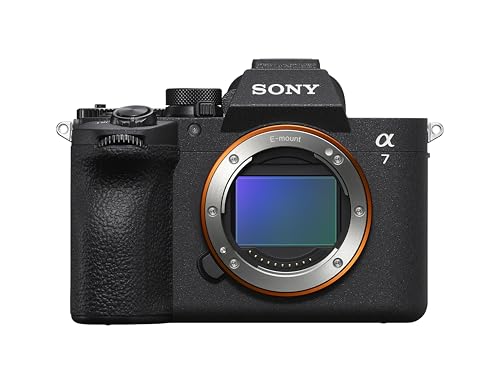
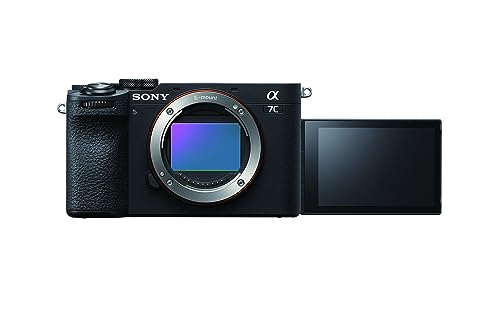
The best cameras for real estate photography in 2026 are full-frame mirrorless bodies that pair easily with an ultra-wide lens and bracket exposures quickly: the Nikon Z5II is the best value starting point, the Sony A7C II offers the widest lens choice in a small body, the Canon EOS R6 Mark III suits agents and photographers who also shoot video walkthroughs, and the Fujifilm X-T5 is the strongest APS-C option. Add a dedicated 360 camera such as the Ricoh Theta X if you sell virtual tours.
Real estate is a workflow business. A typical listing means 25-40 delivered images, often shot in under an hour, edited the same day. The camera that wins is the one that makes that routine fast and consistent, not the one with the fastest burst rate.
Our top picks


As an Amazon Associate we earn from qualifying purchases at no extra cost to you. Ratings are shown as listed on Amazon.
The Real Estate Camera Checklist
- Ultra-wide lens availability. Interiors usually need 14-17mm on full frame (about 10-11mm on APS-C). Wider than 14mm stretches furniture and makes rooms look misleadingly large.
- Auto exposure bracketing (AEB). Bright windows and dark corners commonly span 10 or more stops. Three to five brackets at 2-stop intervals cover most rooms.
- Tethering or app control. Firing from a phone avoids bumping the tripod between brackets.
- A flip or tilting screen. Shooting at 4-5 feet height, often from corners, is easier with an articulating screen.
- Clean files at ISO 100-400. Real estate is shot from a tripod, so high ISO rarely matters; dynamic range at base ISO does.
Camera Comparison for Property Work
| Camera | Sensor / resolution | Weight (with battery) | Card slots | Screen | Body price range |
|---|---|---|---|---|---|
| Nikon Z5II | Full frame, 24.5MP | approx. 700 g | 2 x SD | Fully articulating | $1,500-$1,700 |
| Sony A7C II | Full frame, 33MP | approx. 514 g | 1 x SD | Fully articulating | $1,900-$2,200 |
| Canon EOS R6 Mark III | Full frame, 32.5MP | approx. 690 g | CFexpress B + SD | Fully articulating | $2,600-$2,800 |
| Fujifilm X-T5 | APS-C, 40MP | approx. 557 g | 2 x SD | Three-way tilting | $1,500-$1,700 |
| Ricoh Theta X (360 tours) | Dual 1/2-inch, 60MP 360 stills | approx. 170 g | microSD + internal | 2.25-inch touchscreen | $600-$800 |
Recommended Lens Pairings
| Camera | Primary interior lens | Full-frame equivalent | Filter thread | Lens price range |
|---|---|---|---|---|
| Nikon Z5II | Nikon Z 14-30mm f/4 S | 14-30mm | 82 mm | $1,100-$1,300 |
| Sony A7C II | Sony FE 16-35mm F4 G PZ | 16-35mm | 72 mm | $1,000-$1,200 |
| Canon EOS R6 Mark III | Canon RF 14-35mm F4 L IS USM | 14-35mm | 77 mm | $1,500-$1,700 |
| Fujifilm X-T5 | Fujifilm XF 10-24mm F4 R OIS WR | 15-36mm | 72 mm | $900-$1,000 |
Choosing a lens with a front filter thread matters for exteriors: a circular polarizer cuts reflections on windows and deepens skies, and ultra-wide lenses with bulbous front elements cannot take one without an expensive holder system.
Which Setup Fits Your Business
New agent shooting own listings
Nikon Z5II with the Z 14-30mm f/4 S. It is the lowest-cost full-frame kit with dual card slots, which protects against losing a shoot to a failed card. The articulating screen makes low-angle kitchen and bathroom shots easier.
Full-time photographer with 4-8 shoots a day
Canon EOS R6 Mark III or Sony A7C II. The Canon’s dual slots and stronger battery suit long days; the Sony’s light body and huge range of E-mount ultra-wides (including third-party zooms from Sigma and Tamron) suit photographers who also shoot twilight exteriors and detail work. Canon’s new EOS R8 Mark II, due to ship in late October 2026 with in-body stabilization at a lower price, is worth considering for lighter workloads once it is on shelves.
Video walkthroughs and social reels
Canon EOS R6 Mark III. Its strong stabilization and 4K options make gimbal-free walkthrough clips more practical, though a gimbal still gives the smoothest results.
Budget-conscious or APS-C users
Fujifilm X-T5 with the XF 10-24mm. The 40MP sensor gives cropping room, and the dial-based controls make repeating the same settings room after room simple.
Virtual tours
Ricoh Theta X. It is built for property tour platforms, has a removable battery and a touchscreen, and sits on a monopod in the center of the room. Consumer 360 action cameras can also work, but Theta models are widely supported by tour software. Stock has been inconsistent, so availability varies by retailer.
A Fast, Repeatable Room Workflow
- Set the tripod at roughly chest height (about 4-5 feet). Higher angles show too much ceiling; lower angles show too much floor.
- Level the camera horizontally and vertically using the in-camera electronic level so walls stay vertical and need little correction.
- Use aperture priority at f/7.1-f/8, ISO 100. This gives front-to-back sharpness without diffraction softening.
- Bracket three or five frames at 2-stop spacing (for example -2, 0, +2 or -4 to +4).
- Turn on all lights and open blinds before shooting; mixed color temperatures are corrected later.
- Fire with a 2-second timer or phone app so the camera is still for every bracket.
- Merge in HDR or flash-ambient blend software, then correct verticals and color casts.
Time check: at around 60-90 seconds per composition, a 30-image listing takes about 30-45 minutes on site, leaving room for exteriors and a few detail shots.
Common Mistakes
- Going too wide. Shooting below about 14mm full-frame equivalent distorts room proportions and can mislead buyers.
- Tilting the camera. Even a slight downward tilt makes walls converge, which costs editing time.
- Ignoring the window view. Overexposed white windows look amateur; the darkest bracket should retain the outside view.
- Skipping a backup. Copying cards to a laptop or cloud before leaving the property avoids reshoots.
Frequently Asked Questions
Can I use a phone for real estate photos?
For quick listings, recent phones produce acceptable HDR images, but their ultra-wide lenses distort edges, and you lose control over bracketing and lens choice. A dedicated camera gives more consistent results across a portfolio.
Do I need a drone too?
Aerials help with large lots and rural properties. Commercial drone flights require an FAA Part 107 certificate in the US, and new foreign-made drone models face sales restrictions, so check what is available before planning around one.