
For most people, a flexible-leg tripod such as the Joby GorillaPod is the best mini tripod because it grips railings and branches as well as sitting flat, while a rigid table-top model like the Manfrotto PIXI suits compact cameras and phones on tables, and a Peak Design or Ulanzi-style travel unit suits those who want packable strength with a ball head. The right choice depends on your camera weight, where you place it, and how much you want to carry.
Our top picks


As an Amazon Associate we earn from qualifying purchases at no extra cost to you.
At a Glance: Mini Tripod Types and Examples
| Model or type | Style | Best for | Key points as stated by the maker | Limits |
|---|---|---|---|---|
| Joby GorillaPod range (Mobile, 1K, 3K, 5K) | Flexible-leg tripod | Phones, compacts, mirrorless cameras and heavier DSLRs depending on the model | Bendable legs that wrap around objects; each model lists a maximum load | Stability depends on the load rating; heavy lenses can tip |
| Manfrotto PIXI / PIXI EVO | Fixed-leg table-top | Compact cameras, phones and small mirrorless | Small, light, with a ball head | Limited height; needs a flat surface |
| Manfrotto Compact / Element Mii | Small folding tripod | Travel with extendable legs | Folds small for bags | Taller than a table-top; slower to set up |
| Peak Design Travel Tripod (compact) | Full-height travel tripod | When you want a tripod that packs very small | Compact folded size | Not a table-top; heavier than minis |
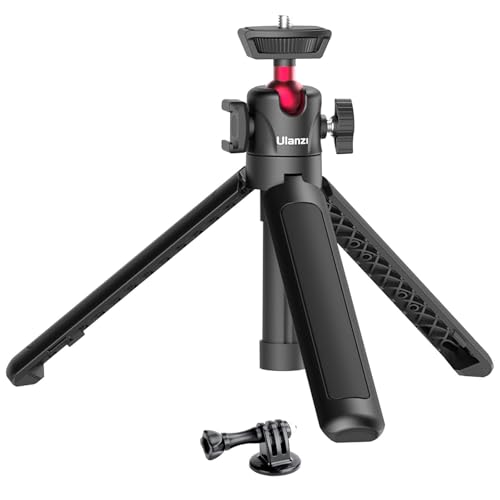
| Ulanzi / SmallRig mini tripods | Budget mini or phone tripods | Vlogging and phone work | Often include phone clamps and cold shoe mounts | Quality varies; check load rating |
| Benro / Vanguard table-top tripods | Table-top or mini | Photographers who want a steadier ball head | Various load ratings | Check model details |
| Platypod-style flat platforms | Flat mounting plate | Mounting on walls, cars, and low angles | Flat base for clamps | Not a conventional tripod |
Model names and load ratings change. Check the maker’s page for the model you intend to buy and compare its rated load to the combined weight of your camera, lens and accessories.
Understand the Main Types
Flexible-leg tripods
Joby’s GorillaPod made the category popular. The bendable legs wrap around poles, branches and railings, so you can shoot from places a normal tripod cannot go. Models differ in size and rated load, so a Mobile model for phones is not suitable for a DSLR with a telephoto lens. Choose the rating based on your heaviest setup and leave some margin for movement.
Rigid table-top tripods
These have fixed or short telescoping legs and a ball head. They are stable on a table, wall or floor, and quick to deploy. They suit compact cameras, phones and small mirrorless cameras. Height is the limit: you often need a table or ledge.
Travel-size full tripods
If you want eye-level shooting, a compact travel tripod folds small but extends further. It is heavier than a mini but often more stable.
Selfie-stick tripods and phone grips
Many phone creators use extendable grips that double as a mini tripod. They are convenient but may be unstable with bigger loads and in wind.
What to Check Before Buying
- Rated load: Add the weight of the camera, lens, flash and any microphone. Choose a tripod whose stated maximum is comfortably above that total.
- Head type: Ball heads are fast; some mini tripods use a fixed or tilt-only head. Check whether the head locks firmly.
- Mounting screw: Most cameras use a standard quarter-inch thread. Phones need a clamp. Check whether the clamp is included.
- Quick-release plate: Helps when you switch between tripod and hand-held shooting. Some systems use Arca-Swiss compatible plates.
- Height and leg angle: Wider leg angles give stability; low height gives a ground-level view.
- Materials and grip: Rubber feet reduce slipping on smooth surfaces; metal spikes work on soft ground only if included by the maker.
- Weight and packed size: A tripod you leave at home is no help. Check packed length against your bag.
Budget Tiers Without Prices
- Budget tier: Generic phone and compact camera mini tripods. Fine for light loads, but check build quality and the maker’s rated load.
- Mid-range tier: Joby GorillaPod models and Manfrotto PIXI. Widely sold with clear load ratings.
- Premium tier: Peak Design and other compact travel tripods with stronger materials and refined heads.
Safety and Care Notes
- Never exceed the load rating from the maker, and be cautious with heavy lenses that shift the balance forward.
- When attaching to a railing or tree, make sure the setup is secure and not a hazard to people below. Do not leave expensive gear unattended.
- Keep fingers clear of folding legs and clamps.
- Rinse and dry the tripod after use near salt water or sand, as the manual advises.
- Check the head lock before releasing the camera.
Pick X If… Decision Table
| You want… | Pick | Why |
|---|---|---|
| Something that grips poles and branches | Joby GorillaPod | Bendable legs |
| A quick table-top setup for compacts | Manfrotto PIXI | Small and simple |
| Eye-level shots from a very small pack | Peak Design Travel Tripod or similar compact | Packs small but extends higher |
| A phone tripod for vlogging | Ulanzi or similar phone mini tripod | Clamp and accessory mounts |
| A steadier head for mirrorless | Joby 3K or 5K, or Benro/Vanguard table-top | Higher rated load |
| Mounting in awkward spots | Flat platform or clamp-based support | Flexible placement |
Alternatives to Consider
- Bean bags: A small bean bag on a wall or car window frame can be steadier than a mini tripod and costs little.
- Monopods: Lighter and faster, helpful for telephoto lenses and events.
- Clamps and magic arms: Attach to rails and poles for video or creative angles.
Frequently Asked Questions
What is the best mini tripod for a phone?
A small flexible-leg tripod with a phone clamp, such as the Joby GorillaPod Mobile range, is a common choice because it grips surfaces. Check the clamp’s maximum phone width and thickness, including any case.
Can a mini tripod hold a mirrorless camera?
Yes, if the stated maximum load is comfortably higher than the weight of your body and lens. Models in the mid-weight GorillaPod range or sturdy table-tops are typical for smaller mirrorless setups.
Are flexible tripods stable?
They are stable when the legs are wrapped securely or set flat on a surface with a load within the rating. They are less stable with front-heavy telephoto lenses or in wind.
Can I use a mini tripod for long exposures?
For short night exposures on a firm surface, yes. For long exposures, use a timer or remote release to avoid shake, and make sure the tripod is on a solid base.
How do I choose between a mini tripod and a full travel tripod?
A mini is lighter and fits a pocket, but it limits height and relies on surfaces. A compact travel tripod gives eye-level shots and better stability, but takes more space and weight.
Do I need a ball head?
A ball head allows quick positioning and is common on mini tripods. If the head wobbles or will not lock, choose a different model, as your camera may droop out of position.





