Our Top Picks
The best drones under $300 in this set are the DJI Mini 4K, the Potensic ATOM SE and the DJI Neo, with a low-cost GPS model from the seller sllcll for anyone who only wants to find out whether the hobby sticks. Which one suits you depends on whether you want a controller-based camera drone, a palm-launch flyer that follows you around, or the cheapest possible start. Eight Amazon listings are compared below using only what each listing title says, so every number here is a seller claim until you confirm it on the product page. Watch the bundles in particular: several listings are the same aircraft sold with extra batteries, and the bundle changes the price tier far more than it changes the flying. A few combos also sit above the headline budget, so the keyword is a loose fit for them.
Top picks at a glance
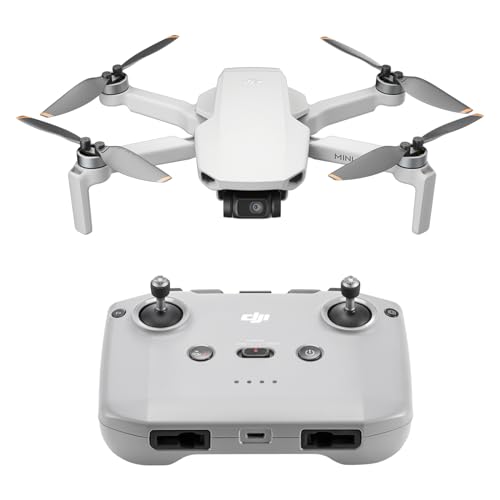
DJI Mini 4K, Drone With 4K UHD Camera, Under 249 g | 3-Axis Gimbal, 10km Video Transmission, Auto Return, Wind Resistance, 31-Min Flight Time, Intelligent Flight


As an Amazon Associate we earn from qualifying purchases. Product prices and availability are accurate as of the date/time indicated.

DJI Mini 4K Camera Drone Combo, Drone with 4K UHD Camera for Adults, Under 249 g, 3-Axis Gimbal Stabilization, 10km Video Transmission, Auto Return, 2 Batteries for 62-Min Max Flight Time, QuickShots


As an Amazon Associate we earn from qualifying purchases. Product prices and availability are accurate as of the date/time indicated.

Potensic ATOM SE GPS Drone with 4K EIS Camera, Under 249g, 93 Mins Flight, 4KM FPV Transmission, Brushless Motor, Max Speed 16m/s, 60W Fast Parallel Charging Hub, Fly More Combo


As an Amazon Associate we earn from qualifying purchases. Product prices and availability are accurate as of the date/time indicated.

DJI Mini 4K Fly More Combo, Drone with 4K UHD Camera for Adults, Under 249 g, 3-Axis Gimbal Stabilization, 10km Video Transmission, Auto Return, 3 Batteries for 93-Min Max Flight Time, QuickShots


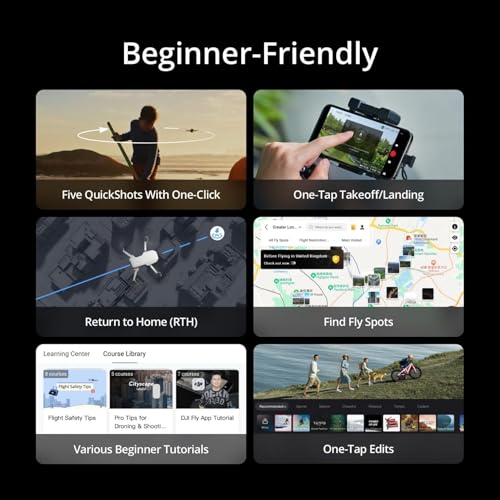


As an Amazon Associate we earn from qualifying purchases. Product prices and availability are accurate as of the date/time indicated.

DJI Mini 3, 3-Axis Mechanical Gimbal Mini Camera Drone | 4K HDR Video, 38-Min Flight Time, up to 32800ft (10km) Video Transmission, True Vertical Shooting, GPS Auto Return


As an Amazon Associate we earn from qualifying purchases. Product prices and availability are accurate as of the date/time indicated.

DJI Neo Fly More Combo, Mini Drone With 4K UHD Camera for Adults | 135g Self-Flying Drone That Follows You, Palm Takeoff, Subject Tracking, QuickShots, With RC-N3 and 3 Batteries


As an Amazon Associate we earn from qualifying purchases. Product prices and availability are accurate as of the date/time indicated.

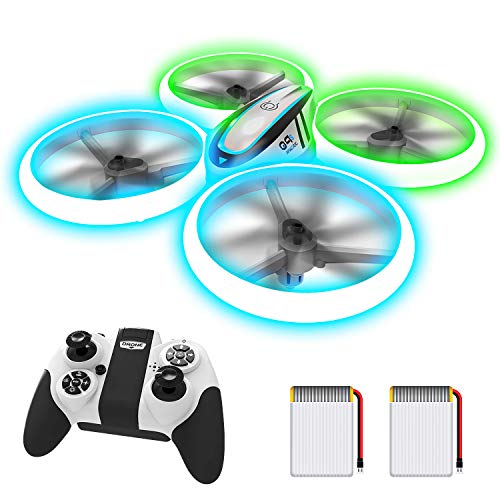
GPS Drone with 4K Camera for Adults, RC Foldable Quadcopter with 4.5” HD Screen Controller, Brushless Motor, GPS Auto Return, 60 Min Flight, 4GB SD Card, Beginner Gift, Under 249g


As an Amazon Associate we earn from qualifying purchases. Product prices and availability are accurate as of the date/time indicated.
| Model | Key point from the title | Price tier | Best for |
|---|---|---|---|
| DJI Mini 4K (single listing) | 4K camera, 3-axis gimbal, under 249 g, 31-minute flight claim | Mid-range | First camera drone with a proper gimbal |
| DJI Mini 4K Combo (2 batteries) | Same aircraft, 2 batteries, 62-minute combined claim | Premium | Weekend shooters who want a spare pack |
| Potensic ATOM SE | GPS, 4K EIS camera, under 249 g, 93-minute claim, fly more combo | Mid-range | Buyers who want GPS plus a lot of battery |
| DJI Mini 4K Fly More Combo (3 batteries) | Same aircraft, 3 batteries, 93-minute combined claim | Premium | Travel days with no chance to recharge |
| DJI Neo (controller-free) | 135 g, follows you, palm takeoff, propeller guard | Budget | Casual selfie and family clips |
| DJI Mini 3 | 3-axis gimbal, 4K HDR, 38-minute claim, vertical shooting | Premium | Social video in portrait orientation |
| DJI Neo Fly More Combo | Adds RC-N3 controller and 3 batteries | Mid-range | Neo fans who want a controller option |
| sllcll GPS Drone with screen controller | 4.5-inch screen controller, GPS return, 60-minute claim | Budget | Lowest-cost trial of a GPS drone |
What is shifting in the sub-$300 drone market
A few patterns show up across listings like these, though details vary by brand and change often. The first is the sub-250-gram class. Many beginner-friendly camera drones are built to stay under that weight, partly because lighter aircraft have historically faced lighter registration requirements in the United States for recreational flying. Rules can change, so treat that as background and confirm the current position on the FAA website before you fly.
The second pattern is bundle-driven pricing. The same aircraft is often sold as a bare kit, a combo with a second battery, and a larger kit with three batteries, a charging hub and a bag. The headline flight-time number in a combo title is frequently the sum across all batteries, not the time you get from one pack. Sellers are not hiding this, but it is easy to read past in a long title.
Third, features that once cost much more, such as GPS return-to-home and gimbal stabilization, now appear in cheaper listings, while generic marketplace brands add large claims for range, resolution and flight time. Those claims deserve more skepticism than a major brand’s spec page, simply because there is less published documentation to compare against. Finally, controller-free “self-flying” drones have created a separate category aimed at people who want clips of themselves rather than aerial photography, and they should be judged on different terms.
One more shift is worth knowing about: the line between toy and camera drone has blurred. Listings use similar words, such as “brushless motor,” “GPS” and “4K,” for products that differ a lot in build and software. Reading the title for the specific mechanism (gimbal or EIS, GPS or none, one battery or three) is more reliable than relying on those headline labels.
How these listings were picked
The set comes from Amazon listings returned for this search, filtered for price range and for being an actual drone. Each one was read against its own title and the manufacturer’s published information where the title points to it. Nobody on the team used or measured these units. Our basis is published specifications, manufacturer documentation and buyer reviews, and we flag anything the title leaves open as “check the listing.”
The eight listings, one by one
DJI Mini 4K (single listing)
The title names a 4K UHD camera, a 3-axis gimbal, a weight under 249 g, 10 km video transmission, auto return, wind resistance and a 31-minute flight time. A mechanical gimbal is the feature that usually separates a camera drone from a flying toy, since it keeps footage steadier than electronic correction alone. It suits someone buying a first serious drone who will fly mostly for scenery and family trips.
Use scenario: a hike where you want a short clip from a ridge, then you pack it away. A single battery is enough for that pattern.
- Pro: gimbal stabilization is named in the title
- Pro: low weight class, easy to carry
- Con: only one battery is implied, so a second flight needs a recharge
Check the listing for what is in the box, whether a controller is included, and the memory card situation. The 10 km figure is a transmission claim, and real range depends on interference and local rules, including keeping the aircraft in sight. Question to ask before buying: do I need a spare battery, or will one 20-minute outing per trip do?
Who should skip it: anyone planning long shooting days, or anyone who wants a controller with a built-in screen, since the title does not mention one. Pair it with a spare battery bought later if you find yourself short.
DJI Mini 4K Combo with 2 batteries
This is the same aircraft as the listing above with a second battery and a “62-Min Max Flight Time” claim, which is two packs added together. The title also mentions QuickShots, DJI’s automated flight patterns, which help beginners get cinematic movement without manual piloting. It lands in the premium tier of this set, and it sits above the $300 mark in the data we pulled.
It suits people who already know they will fly more than once per outing. The extra pack roughly doubles the time you can shoot without a break.
- Pro: two batteries in one purchase
- Pro: automated shot modes help new pilots
- Con: costs noticeably more than the single listing for what is otherwise the same aircraft
Check the listing for how the batteries are charged, since a one-at-a-time charger turns a spare pack into a long wait. Question to ask: would a second battery bought later cost less than this bundle premium?
Who should skip it: buyers who fly once a month for ten minutes. A spare pack will sit in a drawer, and the money is better kept for a memory card and a carrying case.
Potensic ATOM SE
The title packs in GPS, a 4K camera with electronic image stabilization (EIS), under 249 g, a brushless motor, 4 km FPV transmission, a 16 m/s top speed, a 60W parallel charging hub and a “93 Mins” flight claim for the fly more combo. Note the difference from the DJI listings: stabilization is electronic, not a mechanical gimbal, and range is stated as 4 km rather than 10 km. Whether that matters depends on how smooth you need the footage.
The parallel charging hub is the practical highlight, because charging several batteries together cuts downtime on a shoot day. It suits budget-conscious buyers who still want GPS and more than one battery.
- Pro: GPS and a fast charging hub named in the title
- Pro: multi-battery combo at a mid-range tier
- Con: EIS rather than a mechanical gimbal, so footage can look different in wind
The title does not say how many batteries add up to 93 minutes, so check the listing. Question to ask: do I want smooth footage badly enough to pay for a gimbal?
Who should skip it: anyone who films mainly in gusty conditions, where electronic correction has less room to work, or who wants the longest stated transmission range. The listing also leaves out the weight of the controller and the camera sensor details, so read the product page for both.
DJI Mini 4K Fly More Combo with 3 batteries
Three batteries and a “93-Min Max Flight Time” claim, which is three packs at 31 minutes each. It is the same aircraft again, and the same 10 km transmission and auto-return wording appear in the title. This is the listing for a long day outdoors where you may not be near a power outlet.
It is the most expensive of the three Mini 4K listings, and it sits at the top of this set’s price range.
- Pro: three flights before you must recharge anything
- Pro: all of the base listing’s named features
- Con: well above the stated budget, and you pay for hardware you may not use
Check the listing for the carrying bag and charger contents. Question to ask: will I really fly more than two batteries in a single day? If not, the middle bundle is likely enough.
Who should skip it: casual flyers and anyone watching the budget. Because the aircraft is identical across the three Mini 4K listings, this is purely a decision about batteries and bag, not about image quality or features.
DJI Neo (controller-free)
The title describes a 135 g mini drone with a 4K UHD camera that follows you, palm takeoff, subject tracking, QuickShots, stabilized video and a built-in propeller guard, sold controller-free. That is a different product idea from the Mini family: you launch it from your hand and let it track you. The built-in guard is a sensible touch if children or pets are nearby.
It suits vlogging, family gatherings and anyone who finds a controller intimidating. It is the lowest-priced DJI in this set.
- Pro: very light, no controller to learn
- Pro: propeller guard and palm takeoff lower the barrier
- Con: controller-free means limited manual control, so check how the listing says you steer it
Check the listing for the control method (app, voice or gestures), the battery count and flight time, none of which the title states. Safety note: keep your hands clear of propellers and follow the manufacturer’s instructions. Question to ask: do I want to fly the drone, or have it film me?
Who should skip it: people who want precise framing, wide landscape shots or the ability to fly far from where they stand. A follow-me flyer is happiest within a few meters of its subject and in open, uncluttered space with no overhead branches.
DJI Mini 3
This listing names a 3-axis mechanical gimbal, 4K HDR video, a 38-minute flight claim, 10 km video transmission, “true vertical shooting” and GPS auto return. Vertical shooting is aimed at social platforms, where portrait video is the default. The 38-minute figure is higher than the 31 minutes claimed for the Mini 4K listings, which is a reminder that the model name alone does not tell you which listing is stronger on every line.
It suits creators posting short vertical clips who value flight time over the newest features.
- Pro: gimbal plus vertical shooting named in the title
- Pro: the longest single-battery claim in this set
- Con: priced in the premium tier, above the Mini 4K single listing
The title does not state weight, so check the listing for it, because that affects the rules you must follow. Question to ask: is the price gap over the Mini 4K justified by the longer flight claim?
Who should skip it: buyers who never post vertical video, since the Mini 4K listings cover standard filming for a lower price. Also check whether vertical capture here means rotating the camera or cropping a wide frame, because the title does not explain the method.
DJI Neo Fly More Combo
This one adds an RC-N3 controller and three batteries to the same 135 g self-flying Neo. The title repeats the 4K camera, palm takeoff, subject tracking and QuickShots. Being able to use a dedicated controller turns a casual selfie drone into something with manual options, which many buyers eventually want.
It suits people who like the Neo concept but expect to want more control and more flight time. It is a near-duplicate of the controller-free Neo in terms of aircraft, so you are paying for the extras.
- Pro: controller and three batteries in the box
- Pro: stays at a mid-range tier
- Con: if you only want selfie mode, the extras go unused
Check the listing for what the RC-N3 can do with the Neo and for the charging method. Question to ask: is the controller what I am paying for, or are the extra batteries?
Who should skip it: anyone who just wants a selfie flyer for birthdays and holidays. In that case the controller-free listing delivers the same core idea for a lower tier, and a spare battery can be added later if flights feel too short.
sllcll GPS Drone with 4.5-inch screen controller
The title describes a foldable quadcopter with a built-in 4.5-inch HD screen on the controller, a brushless motor, GPS auto return, a 60-minute flight claim, a 4 GB SD card, “under 249g” and a beginner-gift pitch. For the price, the integrated screen is convenient because you do not need a phone. The seller is a little-known brand, so treat the specs as claims and look for a manufacturer page or a clear warranty.
It suits a cautious first purchase, such as a gift where you are not sure the recipient will keep flying. It is the lowest-priced item in this set.
- Pro: lowest cost and a screen included
- Pro: GPS return named in the title
- Con: little documentation to cross-check; 60 minutes is likely a total across batteries
Check the listing for the camera resolution (the title does not claim 4K), the number of batteries, and any support or warranty details. Question to ask: what happens if I need a replacement propeller or battery in six months?
Who should skip it: anyone who wants a long-term camera tool or who needs reliable spare parts. Photographers who care about image quality should read sample footage carefully, because a screen-controller drone at this price usually trades away sensor quality, and the title is silent about the sensor.
Buying guide: how to read a drone listing
Weight, registration and where you can fly
Weight matters beyond carrying comfort. In the United States, recreational pilots have generally faced different obligations depending on whether the aircraft is above or below 250 g, and additional rules such as Remote ID can apply to some drones. These rules evolve, so read the current FAA guidance rather than trusting a listing’s “no registration needed” line. Always check local restrictions near airports, parks, stadiums and crowds, and keep the aircraft in sight unless you are legally authorized to do otherwise. This is general information, not legal advice.
Battery claims and bundles
A title that says “93 Mins” is usually telling you the total across several batteries. Divide the claimed time by the number of batteries to find the per-battery figure, then expect real flights to be shorter than the claim, since wind, cold weather and fast flying all shorten them. Never run a battery to empty: lithium packs should be charged, stored and transported according to the manufacturer’s instructions, and never left charging unattended.
Gimbal versus electronic stabilization
A 3-axis mechanical gimbal physically keeps the camera level. EIS crops and corrects the image in software. Gimbals generally produce steadier footage in turbulent air, while EIS can be fine in calm conditions. If footage quality is your main reason for buying, lean toward a gimbal listing; if you want a cheap flying camera for casual clips, EIS may be acceptable.
Controller and display
Some drones use your phone as the screen, some include a screen controller, and some use no controller at all. A dedicated screen saves phone battery and is easier to see in sunlight, while a phone-based setup is cheaper but adds a cable and an app to the mix. Controller-free drones trade manual control for simplicity.
Range claims and video link
Figures like 10 km or 4 km describe a best case in open areas without interference. Your practical range is limited by line of sight, signal and law. For most beginners, a few hundred meters of reliable video is plenty, so do not pay extra for range you will not use.
Memory cards, spare parts and extras
Check whether a memory card is included and what size it is; a 4 GB card, as mentioned in one title, fills quickly with 4K footage, so plan to buy a larger one. Propellers are the part most likely to get damaged by a rough landing, so look for spares in the box or for a seller that stocks them. Cases, extra hubs and ND filters are optional extras that can quickly add up, so list what you actually need before you accept a bundle.
A worked example
Assume you want to film a day trip. Your plan: four separate flights of about 12 minutes of actual flying each, so 48 minutes in total. Assume, as an estimate rather than a measured figure, that usable flight time is about 70 percent of the claimed maximum, leaving a reserve for landing and wind. On a 31-minute claim, that is roughly 22 minutes usable per battery. Divide 48 by 22 and you need about 2.2 batteries, so three packs is the safe answer. That makes the three-battery bundle a better fit than two, while a one-flight outing would be well served by a single battery. The same arithmetic works on any listing once you know the battery count.
| Spec concept | What to look for | Why it matters |
|---|---|---|
| Weight class | A stated weight, ideally under 250 g | Affects the rules you must follow and portability |
| Stabilization | 3-axis gimbal or EIS, named plainly | Drives how smooth the footage looks |
| Battery count | Packs in the box and per-pack time | Turns a total claim into real flying time |
| GPS and return | GPS named, auto-return named | Helps recover the drone if the signal drops |
| Control method | Controller, phone, or controller-free | Decides how much manual control you get |
| Support | Brand page, spare parts, warranty | Matters most with small marketplace sellers |
For more on picking by purpose, see our guide to the best drones for photography, or compare the broader lightweight 4K drone picks and DJI drone options if you want to see where these listings sit in the wider line-up.
Mistakes buyers make
Reading a combined flight time as per-battery time is the most common slip, and it leads people to buy too few packs. Close behind is paying for a bundle full of accessories they will not use, when a bare kit plus a single extra battery would be cheaper. Another is ignoring weight: a drone that is slightly over 250 g can mean extra obligations that a first-time buyer may not expect.
Buyers also assume “4K” means cinema-grade footage. The label describes the output resolution, not the sensor or lens, and the title rarely says more. A fourth mistake is flying before reading the manual, which skips safety features such as return-to-home settings and propeller guard use. Finally, many people choose a beginner drone for a child without reading age guidance. If that is your plan, our guide to drones for kids is a better starting point. Follow the manufacturer’s instructions and local rules for every flight.
One more error is skipping the pre-flight routine. Before every flight, check the propellers for cracks, confirm the battery is seated and charged, make sure the return-to-home point is set, and pick an open area away from people, power lines and trees. A two-minute check prevents most of the crashes that end a beginner’s first week.
Verdict by use case
For the best all-round camera drone, the single DJI Mini 4K listing is the clearest pick, with a gimbal, a low weight class and a mid-range tier. If you want GPS and plenty of batteries for less, the Potensic ATOM SE combo is the value option, accepting EIS instead of a gimbal. For selfies and family clips with no learning curve, take the controller-free DJI Neo; step up to the Neo Fly More Combo only if you expect to want a controller.
For vertical social video, the DJI Mini 3 is the specialist. For long trip days, the Mini 4K Fly More Combo covers it, and the 2-battery combo suits the middle ground. For the smallest outlay, the sllcll listing works as a trial, provided you accept limited documentation. Remember that the Mini 4K combos and the Mini 3 exceed the $300 ceiling, so budget accordingly.
Frequently asked questions
Which drone under $300 is best for beginners?
The DJI Neo is the easiest to start with because it needs no controller and has a built-in propeller guard, according to its title. If you want to learn to fly manually and shoot steadier video, the DJI Mini 4K with its gimbal is the better long-term choice. Pick based on whether you want to film yourself or film the landscape.
Do I need to register a drone that weighs under 250 g?
Historically, US recreational pilots have had lighter requirements for aircraft below 250 g, but rules, Remote ID and exceptions change. Do not rely on a listing’s claim. Check current FAA guidance and any local restrictions before you fly. This is general information, not legal advice.
Is a 4K label enough to judge video quality?
No. A 4K label tells you the output resolution, not how good the sensor, lens or stabilization is. A gimbal-equipped drone often gives steadier results than an electronically stabilized one at the same resolution. Look for stabilization type and any manufacturer sample footage before you decide.
How should I read a flight-time claim like 93 minutes?
Treat it as a total across batteries unless the title says otherwise. Divide by the number of batteries to get the per-pack claim, then expect real flights to run shorter. As an estimate, planning on roughly 70 percent of the claimed time per pack leaves a safe reserve in most conditions.
Are lesser-known brands like sllcll safe to buy?
They can be fine, but there is less documentation to verify claims. Look for a clear warranty, spare parts availability and buyer reviews that mention support. Be cautious with batteries from any brand, and charge and store them according to the manufacturer’s instructions.
Should I buy a combo or the base kit?
Do the battery arithmetic first. If you fly one short session per outing, the base kit is enough. If you plan several flights without access to power, a combo saves money compared with buying packs one at a time. Also check whether the combo includes a charging hub, since that cuts waiting time between flights.