Key takeaways
- One 1-liter water bottle, with additional water carried separately when conditions require it.
- Compact, shelf-stable food providing approximately 1,500–2,000 calories.
- Lightweight rain shell, warm layer, socks, underwear, and a hat suited to the local climate.
- Phone charging cable, power bank, and wall charger.
- Headlamp or flashlight with spare batteries, stored separately from the light to prevent accidental activation.
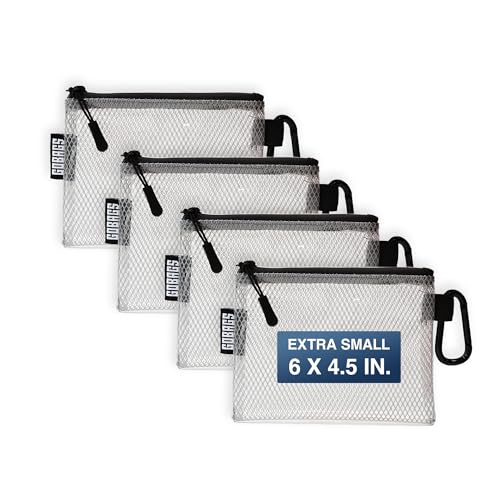
- Copies of identification, emergency contacts, medication information, and essential documents in a waterproof pouch.
- Basic first-aid supplies, personal hygiene items, masks if useful in dusty conditions, and prescription medication managed according to professional advice.
- Small repair kit, multitool where legally permitted, lighter or matches stored safely, and several meters of cord.
- Cash in small denominations, keys, glasses, and other items that would be difficult to replace quickly.
The best go bags are comfortable 20–35-liter backpacks with durable fabric, weather protection, visible organization, and enough capacity for water, clothing, power, documents, and a small first-aid kit without becoming too heavy to carry.
For most people, the Osprey Daylite Expandable Travel Pack 26+6 is the most balanced travel-and-readiness choice; the Patagonia Black Hole Pack 32L is better for wet weather and rough handling; the Mystery Ranch Coulee 30 is the strongest choice for load comfort; and the 5.11 Rush 24 2.0 suits buyers who prioritize pockets, external attachment points, and a more tactical layout.
Our top picks



As an Amazon Associate we earn from qualifying purchases at no extra cost to you. Ratings are shown as listed on Amazon.
Best go bags at a glance
| Bag | Capacity | Approx. weight | Weather resistance | Best for | Typical price range |
|---|---|---|---|---|---|
| Osprey Daylite Expandable Travel Pack 26+6 | 26–32 L | About 1.7 lb | Water-resistant recycled nylon; use a liner in sustained rain | Everyday carry, air travel, lighter evacuation kit | $150–$200 |
| Patagonia Black Hole Pack 32L | 32 L | About 1.6 lb | Strong weather-resistant recycled polyester; not waterproof | Wet climates, commuting, outdoor travel | $180–$220 |
| Mystery Ranch Coulee 30 | 30 L | About 2.2–2.4 lb | Durable nylon with rain-cover compatibility | Longer walks and heavier loads | $180–$250 |
| 5.11 Rush 24 2.0 | 37 L | About 3.1 lb | Water-resistant 1050D nylon; seams are not fully waterproof | Maximum organization and modular attachments | $140–$190 |
| Goruck GR2 26L | 26 L | About 3.2 lb | Highly abrasion-resistant nylon with water-resistant zippers | Frequent travel and compact, rugged packing | $200–$300 |
Specifications and prices can vary by size, fabric version, and seasonal changes. Capacity is only part of the decision: a 37-liter bag that weighs more than 3 pounds may carry less comfortably than a well-fitted 30-liter hiking pack.
Our picks by situation
Best all-around: Osprey Daylite Expandable Travel Pack 26+6
The Daylite Expandable Travel Pack is a sensible first go bag because it works as an ordinary travel pack rather than looking purpose-built for emergencies. Its main compartment opens widely, the expansion section adds useful capacity, and its laptop and document storage make it practical for commuting. The stowable harness is useful on planes, trains, and crowded buses.
Its limitation is load support. The suspension is adequate for clothing, electronics, snacks, documents, and a water bottle, but it is not the best choice for carrying dense equipment over many miles. Treat the expansion section as overflow, not permission to carry an extra 6 liters of heavy gear.
Best for wet conditions: Patagonia Black Hole Pack 32L
The Black Hole Pack has a tough recycled polyester shell with a weather-resistant finish and a comparatively simple interior. That simplicity is beneficial when packing quickly: use pouches or dry bags to create your own organization. The bag is comfortable for moderate loads and has enough space for a jacket, spare layers, food, water, power equipment, and personal essentials.
Do not confuse water resistance with waterproofing. Prolonged rain can eventually reach zippers and seams. A lightweight pack liner or separate waterproof bags for documents, batteries, and spare clothing add much more protection than relying on the fabric treatment alone.
Best for walking with a heavier load: Mystery Ranch Coulee 30
The Coulee 30 earns its place through carry comfort. Its supportive harness, adjustable torso system on applicable versions, hip belt, and three-zip access make it easier to control a load while walking on uneven ground. This is the better option when evacuation may involve several hours on foot rather than a short trip to a vehicle.
The trade-off is weight and appearance. It is less minimal than a travel pack, and its structure can occupy more space when stored. Its multiple access points are convenient, but they also require deliberate packing so small items do not migrate between compartments.
Best organization: 5.11 Rush 24 2.0
The Rush 24 2.0 offers a large main compartment, front administrative organization, side pockets, compression straps, and MOLLE-compatible webbing. It is easy to separate lighting, first-aid supplies, tools, cables, food, and documents. The 37-liter capacity can support a more substantial loadout.
That capacity can become a disadvantage. The bag itself is heavy, and a fully loaded 37-liter pack can quickly exceed what an inexperienced carrier can comfortably manage. External webbing also catches on seats, doorways, and brush, while its tactical styling may be undesirable for discreet everyday use.
Best rugged travel option: Goruck GR2 26L
The GR2 26L is built around a suitcase-style opening, tough fabric, and a separate laptop compartment. It is particularly useful for people who travel frequently and want one compact bag for clothing, work equipment, and a modest emergency reserve. Its internal mesh compartments help prevent loose items from disappearing at the bottom.
It is expensive and heavy for its capacity. The shoulder straps are comfortable for many users, but the bag lacks the ventilated, load-transferring feel of a hiking pack. Choose it for durability and travel organization, not for carrying the largest possible evacuation load.
Decision matrix: which type fits your routine?
| Your situation | Recommended capacity | Best bag direction | Why |
|---|---|---|---|
| Small budget and daily commuting | 20–28 L | Simple travel or school-style pack | Lower cost, less conspicuous, easier to use frequently |
| New to preparedness | 24–30 L | Osprey Daylite Expandable Travel Pack or similar | Enough room without encouraging excessive weight |
| Frequent rain or snow | 28–35 L | Weather-resistant outdoor pack plus liner | Protects clothing and electronics while retaining flexibility |
| Possible long walk or uneven terrain | 28–35 L | Hiking pack with adjustable torso and hip belt | Better weight transfer and less shoulder fatigue |
| Limited apartment storage | 20–26 L | Compressible everyday backpack | Stores easily and is more likely to be used regularly |
| Frequent flights and work travel | 24–30 L | Clamshell travel pack | Efficient packing, laptop protection, and discreet appearance |
What to pack in a realistic go bag
A useful starting loadout should support roughly 12–24 hours rather than attempting to recreate an entire household. For one adult, a practical list might include:
- One 1-liter water bottle, with additional water carried separately when conditions require it.
- Compact, shelf-stable food providing approximately 1,500–2,000 calories.
- Lightweight rain shell, warm layer, socks, underwear, and a hat suited to the local climate.
- Phone charging cable, power bank, and wall charger.
- Headlamp or flashlight with spare batteries, stored separately from the light to prevent accidental activation.
- Copies of identification, emergency contacts, medication information, and essential documents in a waterproof pouch.
- Basic first-aid supplies, personal hygiene items, masks if useful in dusty conditions, and prescription medication managed according to professional advice.
- Small repair kit, multitool where legally permitted, lighter or matches stored safely, and several meters of cord.
- Cash in small denominations, keys, glasses, and other items that would be difficult to replace quickly.
Weight matters more than theoretical capacity. A 1-liter bottle adds about 2.2 pounds, and two bottles add about 4.4 pounds before food or equipment. A 30-liter loadout can easily reach 15–20 pounds. If you are not accustomed to carrying that weight, begin lighter and build up gradually rather than filling every pocket.
How to set up and maintain the bag
- Pack by access priority. Put water, a rain layer, and lighting where they can be reached without unpacking everything. Keep documents and electronics in protected inner compartments.
- Use smaller pouches. Group first aid, power items, hygiene supplies, and repair equipment. This prevents the common mistake of buying a highly organized bag but creating one disorganized main compartment.
- Place heavy items close to your back. Dense objects should sit between the shoulder blades, not at the outer front panel or the bottom.
- Perform a loaded walk. Walk for 30–60 minutes with the actual contents. Adjust the shoulder straps, sternum strap, and hip belt, then remove anything you did not need.
- Rotate consumables. Check water, food, batteries, medication, sunscreen, and seasonal clothing at least every six months, or more often for items with shorter expiry dates.
- Clean and inspect it. Empty crumbs and grit, wipe the fabric according to the manufacturer’s instructions, and inspect zippers, buckles, seams, shoulder-strap stitching, and elastic pockets.
The parts most likely to wear first are zipper sliders, stretch-mesh pockets, seam binding, and bottom panels dragged across rough surfaces. Avoid overloading, do not machine-dry a coated pack unless its instructions specifically allow it, and do not store it permanently in a damp vehicle.
Bottom line
Choose the Osprey Daylite Expandable Travel Pack 26+6 for the best balance of everyday usefulness and emergency readiness. Choose the Patagonia Black Hole Pack 32L for wet-weather versatility, the Mystery Ranch Coulee 30 for walking comfort, the 5.11 Rush 24 2.0 for maximum organization, and the Goruck GR2 26L for rugged, compact travel. Whichever model you select, a lighter, regularly maintained load that you can carry comfortably is more useful than a larger bag filled with equipment you rarely inspect.