For most buyers the best high-megapixel camera is a 40 to 46 megapixel full-frame body such as the Canon EOS R5 Mark II or Nikon Z8, while landscape and studio shooters who crop heavily or print very large should look at the 61 megapixel Sony A7R V, and medium-format fans can step up to the Fujifilm GFX100S II. If you mainly share online and shoot events, a 24 to 33 megapixel body is usually the smarter choice because files stay small and low-light noise stays lower.
Our top picks
 KODAK PIXPRO FZ55 16MP Compact Digital Camera
- 16MP Sensor: Captures detailed photos with a CMOS…
- Optical Zoom: 5x optical zoom with a 28mm…
- Full HD Video: Records 1080p video for travel…
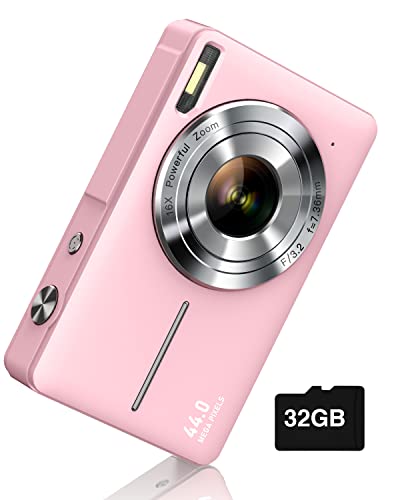


As an Amazon Associate we earn from qualifying purchases at no extra cost to you.
What Megapixels Actually Change
Megapixels describe how many pixels the sensor records. A higher count gives you more room to crop, bigger prints at the same sharpness, and finer detail in landscapes, architecture and product work. It does not automatically give better colour, dynamic range or low-light results. Because the same sensor area is divided into more, smaller pixels, high-resolution sensors can show more noise at very high ISO settings when viewed at 100 percent, although reviewers note that modern designs have narrowed this gap considerably.
There are costs beyond the camera body. Files from a 45 to 61 megapixel camera are large, so you need faster memory cards, more storage and a computer that can handle big raw files. Lenses also matter: a high-resolution sensor can reveal softness at the corners and edges of lesser lenses, so the glass you pair with the body decides how much of the extra resolution you actually see. Shutter technique matters too, because tiny movements that were invisible on a 20 megapixel file become obvious on a 60 megapixel one. Reviewers often recommend a sturdy tripod, a faster shutter speed than you used before, or stabilisation to get the most from these sensors.
At a Glance: High-Resolution Options
| Camera | Best for | Maker-stated resolution | Main limit |
|---|---|---|---|
| Sony A7R V | Landscape, studio, big prints | About 61 megapixels, full-frame | Large files, premium tier |
| Canon EOS R5 Mark II | Hybrid stills and video work | About 45 megapixels, full-frame | Premium tier, heat management in long video |
| Nikon Z8 | Action plus detail | About 45.7 megapixels, full-frame | Larger body than a typical mirrorless |
| Nikon Z7 II | Landscape on a tighter budget | About 45.7 megapixels, full-frame | Older autofocus than the newest bodies |
| Fujifilm X-T5 | Compact high-resolution crop sensor | About 40 megapixels, APS-C | Smaller sensor, less shallow depth of field |
| Fujifilm GFX100S II | Studio, fine art, commercial | About 102 megapixels, medium format | Lens cost, size, slower handling |
| Sony A7 IV | All-rounder with moderate files | About 33 megapixels, full-frame | Less cropping latitude |
Sony A7R V: The Resolution Leader in Full-Frame
Sony lists the A7R V at about 61 megapixels, and it remains the benchmark for photographers who want the most detail from a 35mm-format sensor. Reviewers highlight its subject-recognition autofocus and in-body stabilisation, which help when shooting handheld at high resolution. It is a strong match for landscape, architecture, commercial and wildlife work where cropping into the frame is routine. The trade-offs are file size and the need for premium lenses, such as Sony G Master optics, to justify the sensor. If you rarely print large or crop hard, you may pay for resolution you never use.
Canon EOS R5 Mark II and Nikon Z8: The Fast High-Resolution Pair
The Canon EOS R5 Mark II and Nikon Z8 sit in the 45 megapixel range and combine that resolution with fast burst shooting and advanced autofocus. That makes them practical for wildlife, sports and events where you also want large crops. The Canon is often chosen by shooters already invested in RF lenses and by those who want strong video features. The Nikon Z8 is popular with photographers who want a flagship-level feature set in a body smaller than a traditional flagship. Both are premium-tier purchases, and both generate large files, so plan for card and storage upgrades.
Budget-Conscious High Resolution
If you want high resolution without top-tier spending, the Nikon Z7 II is a common suggestion because it offers about 45.7 megapixels at a lower tier than the newest flagships, though its autofocus and processing are a generation behind. The Fujifilm X-T5 is another route: its roughly 40 megapixel APS-C sensor delivers fine detail in a compact body, and Fujifilm lenses are generally smaller and lighter than full-frame equivalents. The compromise is a smaller sensor, which means less background blur at equivalent framing and somewhat less low-light headroom.
Medium Format: Fujifilm GFX100S II
Fujifilm lists the GFX100S II at about 102 megapixels on a sensor larger than full-frame. Reviewers describe its files as exceptionally detailed with strong tonal gradation, which suits portraits, fine art and studio product work. The system is bulkier, the lens range is smaller and lenses are costly, and burst shooting is slower than on full-frame sports bodies. It is a considered choice for people who prioritise image quality above speed and portability.
Do You Need More Than 33 Megapixels?
Many buyers do not. A 24 to 33 megapixel camera such as the Sony A7 IV or Canon EOS R6 Mark II produces files that are comfortable to store and edit, handles high ISO well and still prints sharply at generous sizes. Photographers who shoot weddings, events or family work and rarely crop heavily often find these bodies more efficient. Go beyond that only if you have a specific use: large gallery prints, heavy cropping for wildlife, or commercial clients who demand maximum detail.
Lens, Storage and Workflow Notes
- Lenses: Use well-regarded prime or professional zoom lenses. A kit lens may not resolve what a 45 or 61 megapixel sensor can record.
- Cards: Check which card types your body uses. Many high-resolution bodies use CFexpress or fast UHS-II SD cards, and the maker lists the supported formats.
- Computer: Large raw files benefit from plenty of memory and a fast drive. Editing can feel slow on older machines.
- Stabilisation: In-body stabilisation helps, but a tripod and remote release remain the best way to extract full sharpness for landscapes.
- Storage: Plan backups early. Thousands of 60 megapixel raw files fill drives quickly.
Pick X If You Want Y
| Pick this | If you want |
|---|---|
| Sony A7R V | The most detail in a full-frame body for landscape or studio work |
| Canon EOS R5 Mark II | High resolution with strong hybrid video features in the RF system |
| Nikon Z8 | High resolution plus fast action performance |
| Nikon Z7 II | High resolution at a lower tier and no need for the newest autofocus |
| Fujifilm X-T5 | A compact body and lighter lenses with 40 megapixels |
| Fujifilm GFX100S II | Medium-format image quality for studio and fine art |
| Sony A7 IV | Balanced resolution, manageable files and wide lens choice |
Alternatives Worth Considering
- Canon EOS R6 Mark II: About 24 megapixels with fast autofocus and good low-light behaviour. A good fit if speed matters more than cropping.
- Panasonic Lumix S5 II: A full-frame hybrid body in the 24 megapixel class with a strong video reputation.
- Used or previous-generation bodies: Earlier 42 to 50 megapixel models can deliver much of the detail at a lower tier if you accept older autofocus.
Frequently Asked Questions
How many megapixels do I need for large prints?
Many print labs suggest around 240 to 300 pixels per inch for close viewing, but large prints are usually viewed from farther away, so lower densities work. A 24 megapixel image can produce a good large print, and 45 megapixels or more simply gives extra margin for cropping or very large formats.
Do more megapixels mean worse low-light performance?
Not necessarily. Smaller pixels can capture less light each, but when you compare images at the same output size, reviewers generally find modern high-resolution sensors perform close to lower-resolution ones. At extreme ISO settings, lower-resolution cameras may still look cleaner.
Will a high-megapixel camera make my old lenses look worse?
It can expose their weaknesses. Softness, chromatic aberration and corner blur are easier to see at high resolution. Check independent lens reviews for resolution on high-megapixel bodies before pairing an older lens.
Is a phone camera with a high megapixel count comparable?
Phone sensors are far smaller, so they rely on computational processing. Their headline megapixel counts are not directly comparable to a camera sensor, and dedicated cameras still offer better lens choice, optical depth of field and handling.
What memory cards do I need?
It depends on the body. Several high-resolution cameras use CFexpress Type B or dual-format slots, while others rely on UHS-II SD cards. Check the maker’s specifications for supported card types and recommended speed classes, especially for burst or video recording.
Should a beginner buy a 60 megapixel camera?
Usually not. A beginner is typically better served by a 24 to 33 megapixel body with lighter files and a lower overall cost, and can move to higher resolution once cropping or large printing becomes a real need.
More from Amazon
Programs that pair well with the guide above. Offers and eligibility are set by Amazon and may change.
Free shipping on eligible items, Prime Video and more. Eligible new members can start with a free trial.
Start a Prime free trialAudiobooks and podcasts to listen to on the go. Eligible new members can start with a free trial.
Try Audible freeAd-free music streaming. Eligible new subscribers can start with a free trial.
Try Music Unlimited freeA free business account with business pricing and bulk-buying tools for work, shop or home office.
Create a business accountAs an Amazon Associate we earn from qualifying purchases.