For most photographers, a mid-weight aluminium tripod from a reputable maker such as Manfrotto’s Element MII or a similar Benro, Vanguard or K&F Concept model is the best budget answer, while travellers should look at compact folding designs and small cameras or phones can be well served by a flexible Joby GorillaPod. The key is matching the tripod’s stated load capacity, folded length and maximum height to your camera, lens and how you shoot, rather than chasing the lowest outlay.
Information below comes from the makers’ published specifications, and reviewer opinions are attributed to the outlet. Budget tripod ranges change often, so treat named models as examples of a type and read the current specification page before buying.
Our top picks
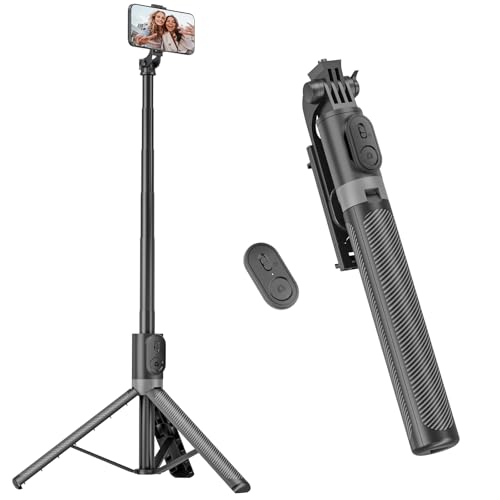
 CAMBOFOTO 74″ Camera Tripod
- Adjustable 20″–74″ Height: Easily extend from tabletop to…
- Heavy Duty & Stable: Durable aluminum legs support…
- Multi-Device Compatibility: Includes quick release plate & phone…


As an Amazon Associate we earn from qualifying purchases at no extra cost to you.
At a Glance: Budget Tripods Compared
| Option | Type | Best for | Key stated traits | Limits |
|---|---|---|---|---|
| Manfrotto Element MII | Travel tripod, aluminium or carbon | Travellers and hikers | Compact folded length, ball head included, load rating stated by Manfrotto | Lower payload than full-size tripods |
| Manfrotto Compact series | Light entry tripod | Beginners and casual shooters | Lightweight, simple lever locks | Less stable with long lenses or wind |
| Benro Slim and similar | Travel tripod | Value-minded travellers | Aluminium or carbon, ball head, compact fold | Fine details such as head friction vary by model |
| Vanguard Alta or VEO lines | Mid-weight tripods | General photography and video | Wide leg angles, reversible centre columns in some models | Heavier than travel tripods |
| K&F Concept travel tripods | Value tripods | Hobbyists on a tight outlay | Compact designs, quick-release plates, multiple height options | Long-term support varies, reviewers advise reading load ratings carefully |
| Joby GorillaPod | Flexible mini tripod | Phones, compacts, vlogging | Bendable legs for wrapping around objects, multiple sizes with stated loads | Not for tall shots or heavy cameras |
What Matters on a Budget Tripod
Load capacity
Every tripod has a stated maximum load, and every head has its own. A good habit is to choose a tripod whose capacity is comfortably above the total weight of your camera, lens and accessories. Makers often use generous ratings, and reviewers commonly warn that budget tripods feel less steady near their limits.
Height and folded length
You want the tripod to extend to eye level without raising the centre column fully, because the column reduces stability. Folded length decides whether it fits in a backpack or suitcase. Travel designs fold the legs back over the head to shorten length at the expense of some stability.
Weight and material
Aluminium is the budget default. It is strong and affordable but heavier than carbon fibre. Carbon is lighter and absorbs vibration, but it usually sits in a higher tier. For short walks, aluminium is fine, and for long hikes the weight saving of carbon may be worth it.
Leg locks
Flip locks are fast and easy to inspect, while twist locks are slim and resist grit. Either works if well made. Budget tripods can have loose locks, so reviewers recommend checking they hold under pressure.
Head type
Many budget tripods ship with a ball head, which is quick to position, while pan-and-tilt heads offer finer adjustments for video and architecture. For video pans, a fluid head is much smoother, but these typically increase the outlay.
Quick-release plates
Arca-Swiss compatible plates are common and let you swap between tripod, monopod and gimbal. Proprietary plates lock you into one system, so check what the maker includes.
Best by Use Case
Best for travel: Manfrotto Element MII or similar travel tripods
The Element MII is a popular travel tripod, with a compact folded length and an included ball head. Manfrotto lists a stated load capacity suitable for typical mirrorless and many DSLR setups, and reviewers generally describe it as a good balance of weight and stability. It is a smart choice for hiking and city breaks, but a heavy telephoto lens may overload it.
Best entry-level option: Manfrotto Compact series
This line suits beginners who want something light and inexpensive for family photos, timer shots and occasional low-light scenes. It is not meant for long lenses or windy locations, and reviewers note it can feel flexible when fully extended.
Best value alternatives: Benro, Vanguard and K&F Concept
These brands provide a wide range of tripods at moderate tiers. Benro and Vanguard have long-standing reputations and offer wide support networks. K&F Concept is often noted by reviewers for feature-rich designs at lower tiers, but you should read load ratings and warranty terms. Look for features such as a reversible centre column, hook for a counterweight bag and removable legs that convert to a monopod.
Best for phones and small cameras: Joby GorillaPod
GorillaPod models bend and grip railings, branches and uneven ground, making them popular for vlogging and phone photography. Joby lists different sizes, each with its own load rating. They are not designed for tall shots or heavy gear, so match the model to your camera weight.
Best for stability at a low tier: heavier aluminium tripods
A heavier tripod from Vanguard or similar brands may feel more planted than a travel tripod, particularly with telephoto lenses or in wind. If you shoot at home, in a studio or in a car-based setting, extra weight is an advantage rather than a drawback.
Budget Tiers
| Tier | Typical choices | What you give up |
|---|---|---|
| Budget | Lightweight aluminium tripods, GorillaPods, entry Manfrotto Compact | Stability, load capacity and head smoothness |
| Mid-range | Manfrotto Element MII, Benro and Vanguard mid models, K&F travel tripods | Carbon construction and premium heads |
| Premium | Carbon fibre travel and studio tripods with high-end heads | Higher cost, though lighter and more durable |
Fit, Size and Care Notes
- Check the total load: Include lens, flash and any grips. Hang a bag from the hook for extra stability, if provided.
- Use thicker leg sections first: Extend the upper, thicker leg sections before the thin lower ones to maximise stability.
- Avoid the centre column: Use it only when needed, since it adds wobble.
- Wind and water: Keep the legs low in wind. Rinse off salt water and sand, and dry the tripod before storing.
- Lock safety: Tighten all locks and the quick-release before letting go. Never leave a camera unattended on a tripod in busy areas or on uneven ground.
- Airline limits: Check carry-on length limits if you travel with a tripod.
Finally, think about the places you shoot. Sand, rocks, wet grass and wooden floors all affect stability, and rubber feet that suit a living room may slip on tiles or sink in soft ground. Some budget tripods include spiked feet or interchangeable feet, which are useful outdoors. A tripod you will actually carry is better than a sturdier one left at home, so weigh portability honestly against the stability you need for your usual subjects.
Pick X If… Decision Table
| Pick this | If you |
|---|---|
| Manfrotto Element MII | Travel often and shoot with a mirrorless or smaller DSLR |
| Manfrotto Compact | Need a basic light tripod for occasional use |
| Benro or Vanguard mid-weight | Want solid all-round stability at a moderate tier |
| K&F Concept | Want a feature-rich tripod on a tighter outlay and accept less brand support |
| Joby GorillaPod | Shoot with a phone or compact camera and want flexibility |
Alternatives Worth Considering
- Monopod: Lighter and quick to use for sports and wildlife, with no hands-free stability.
- Table-top tripod: Small and low-cost for macro, food and vlogging at a desk.
- Beanbag: Surprisingly steady on cars, walls and rocks for long lenses.
- Used premium tripod: A second-hand tripod from a top brand can outperform a new budget model, if you inspect the locks and legs.
Frequently Asked Questions
How much weight can a budget tripod hold?
It varies widely. Makers list a maximum load for each model, and many budget tripods suit mirrorless cameras and smaller DSLRs. Stay comfortably below the stated figure for best stability.
Is carbon fibre worth it on a budget?
Carbon fibre is lighter and damps vibration well, but it typically costs more. If you carry your tripod far, it may be worth the extra, otherwise aluminium is a sound value choice.
Do I need a ball head or a pan-and-tilt head?
Ball heads are quick and versatile for stills. Pan-and-tilt heads give more precise control for architecture and video. For smooth video pans, consider a fluid head.
Can a cheap tripod damage my camera?
A poorly locked or overloaded tripod can tip or slip. Follow the load rating, tighten all locks and keep the tripod on stable ground. If a lock feels loose, stop using that leg and contact the maker.
What height should I choose?
Choose a tripod that reaches your eye level without using the centre column fully. If you are tall, check the maximum height listed by the maker, since many travel tripods are shorter.
Are phone tripods different from camera tripods?
Phone tripods are lighter and often include a clamp for the phone. Camera tripods use a screw mount and higher load ratings. Some tripods include both, or you can add a phone clamp to a camera tripod.