Key takeaways
- Fast road rides and racing: Look for a close race fit, low-bulk sleeves and fabric that vents well at speed. A snug cut limits flapping, but can feel restrictive when standing or riding slowly.
- Long days and mixed-pace group rides: Choose an endurance fit with accessible pockets, a stable hem and enough stretch to accommodate your riding posture without pulling across the shoulders.
- Hot, sunny conditions: Prioritize lightweight, open-knit or mesh zones, a full zipper for extra airflow and a lighter color. Add sun protection separately where needed; a jersey’s coverage varies by cut.
- Cool or changeable weather: A long-sleeve jersey or a standard jersey layered under a packable wind shell is more adaptable than relying on a thick, poorly ventilated top.
- Limited budget or occasional riding: A basic synthetic jersey with a dependable zipper, three usable pockets and a grippy hem is a better buy than paying extra for a race fit you will rarely use.
Best Cycling Jerseys: Picks for Road Speed, Endurance and Changing Weather
The best cycling jersey for most road and endurance riders is a close-fitting short-sleeve jersey with breathable fabric, three rear pockets, a full-length zipper and a hem that stays put; choose a lightweight race cut for speed, or a roomier endurance cut if comfort and storage matter more.
Quick picks by riding situation
- Fast road rides and racing: Look for a close race fit, low-bulk sleeves and fabric that vents well at speed. A snug cut limits flapping, but can feel restrictive when standing or riding slowly.
- Long days and mixed-pace group rides: Choose an endurance fit with accessible pockets, a stable hem and enough stretch to accommodate your riding posture without pulling across the shoulders.
- Hot, sunny conditions: Prioritize lightweight, open-knit or mesh zones, a full zipper for extra airflow and a lighter color. Add sun protection separately where needed; a jersey’s coverage varies by cut.
- Cool or changeable weather: A long-sleeve jersey or a standard jersey layered under a packable wind shell is more adaptable than relying on a thick, poorly ventilated top.
- Limited budget or occasional riding: A basic synthetic jersey with a dependable zipper, three usable pockets and a grippy hem is a better buy than paying extra for a race fit you will rarely use.
What to compare before buying
Fit: Race jerseys are usually designed to fit close in the riding position; they may feel unusually tight while standing. Endurance cuts offer more ease, though excess fabric can bunch in the wind. Check the brand’s chest and torso measurements, and compare them with a jersey that fits you well. If you are between sizes, choose based on how you ride: a snug fit for hard road efforts, or the roomier option for relaxed riding and layering.
Our top picks

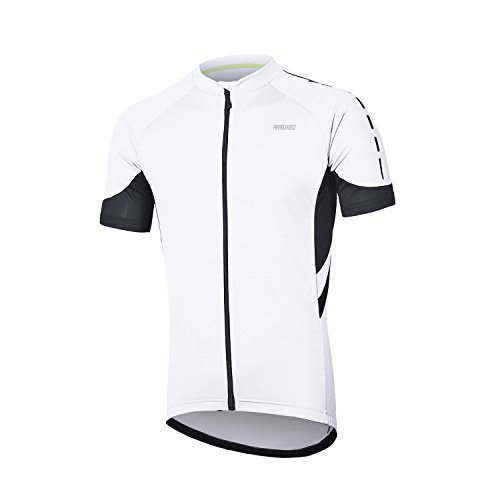

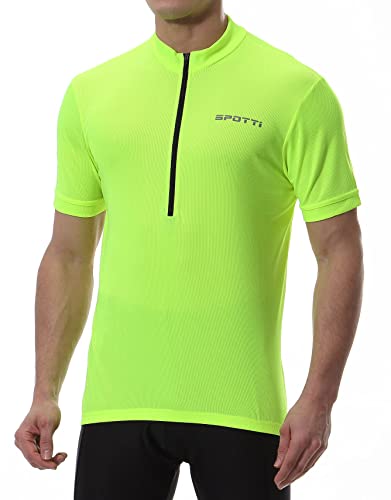
As an Amazon Associate we earn from qualifying purchases at no extra cost to you. Ratings are shown as listed on Amazon.
Breathability: Polyester is common because it dries relatively quickly and is easy to care for. More mesh or lighter fabric can improve airflow, but may feel less substantial and offer less coverage. Fabric names alone do not guarantee comfort: panel layout, fit and how much air reaches your torso all matter.
Pockets: Three rear pockets are a useful baseline. Look for openings you can reach without twisting excessively and enough depth to keep a phone, food and a thin shell from bouncing out. A zipped pocket helps secure keys or cards, but it rarely replaces the main pockets’ capacity.
Zipper and visibility: A full-length zipper makes it easier to regulate heat and put the jersey on. A smooth-running zipper with a covered or soft backing is less likely to irritate skin; avoid forcing it when fabric is caught in the teeth. Reflective details can help other road users see you in low light, but they do not replace lights or high-visibility clothing.
Weather suitability: Most short-sleeve jerseys are not windproof or waterproof. For cool starts, layer with a vest or shell; for sustained rain, use a suitable outer layer. Long sleeves add coverage, but warmth depends on fabric weight and wind resistance, not sleeve length alone.
Comparison: jersey types and useful specifications
The figures below are practical comparison ranges, not guaranteed specifications for every model. Brands and sizes vary, so confirm the product’s own size chart and material details before ordering.
| Jersey type | Typical fabric | Typical weight, size M | Rear storage | Best suited to |
|---|---|---|---|---|
| Budget short-sleeve | Polyester knit, often mostly one fabric | 160–230 g | 3 pockets; zipped pocket varies | Casual and occasional road rides |
| Endurance short-sleeve | Polyester with stretch or mesh panels | 140–210 g | 3 pockets; some add a security pocket | Long rides and mixed pace |
| Race-fit short-sleeve | Light polyester/elastane panels | 110–180 g | 3 close-fitting pockets | Fast riding and warm conditions |
| Long-sleeve or thermal | Heavier knit, sometimes brushed inside | 220–350 g | Usually 3 pockets | Cool weather, depending on layering |
Weight is a useful reference, but it is not a comfort score. A very light jersey may pack smaller and feel cooler, while a heavier one may offer more coverage or warmth. Pocket stitching, zipper operation and hem stability are often more important over a long ride than a small difference on the scale.
Choose by budget, riding frequency and conditions
| Your situation | What to prioritize | Practical choice |
|---|---|---|
| Occasional rides, roughly once a week or less | Easy care, comfortable fit, basic pocket security | Entry-level synthetic short-sleeve jersey |
| Several rides weekly, including long days | Stable pockets, durable seams, useful zipper | Mid-range endurance jersey |
| Fast group rides or racing | Close fit, low-flap sleeves, breathable panels | Race-cut jersey, after checking measurements |
| Early starts or variable temperatures | Layer compatibility and coverage | Endurance jersey plus a packable vest or shell |
| Hot-weather riding | Airflow, light fabric and a full zipper | Lightweight short-sleeve jersey with mesh zones |
Fit-check before removing the tags
Try the jersey on in a cycling posture, not just standing upright. Reach forward as if holding the handlebars: the hem should still cover your lower back, the shoulders should not pull sharply, and the sleeves should stay in place without pinching. Then put a phone and a few ride essentials in the pockets. If the jersey rides up, strains at the zipper or makes the loaded pockets sag, try a different size or cut rather than assuming it will loosen comfortably.
For example, if your chest measurement falls between two sizes, a race-cut jersey is more likely to feel restrictive in the smaller size. An endurance cut may accommodate that measurement better, but check torso length too: a looser fit is no help if the pockets sit too high or the back hem exposes skin in your riding position.
Keeping a jersey useful for longer
Sweat, sunscreen and friction gradually wear fabric, elastic and stitching. Rinse or wash the jersey after a sweaty ride, following its care label; close the zipper and turn the garment inside out to reduce snags. Avoid fabric softener, which can affect moisture-managing fabrics, and keep it away from rough hook-and-loop closures. Air-drying helps avoid unnecessary heat damage.
The first problems to watch for are often a hem that loses its grip, pocket seams that stretch under repeated loading, and a zipper that catches or separates. Distribute heavier items across the rear pockets instead of loading one side, and keep sharp objects away from lightweight fabric. These habits help preserve the jersey, but they cannot compensate for weak construction or pockets that are too shallow for your usual cargo.
Bottom line
For a versatile first choice, pick an endurance-fit short-sleeve jersey with breathable synthetic fabric, three secure rear pockets, a full-length zipper and a grippy hem. Go lighter and closer-fitting for hot, fast road riding; choose sleeves and layering based on the conditions you actually ride in. A jersey that fits your riding posture and safely carries your essentials is a better match than one chosen by fabric claims or low weight alone.