For most buyers who shoot both photos and video, a mirrorless hybrid such as the Sony A7 IV, Canon EOS R6 Mark II or Panasonic Lumix S5 II is the strongest all-round fit, while the Fujifilm X-T5 or X-S20 suits people who want a smaller body with strong stills, and a Panasonic Lumix G9 II or OM System OM-1 suits those who value compact lenses and stabilization. A hybrid camera is simply one built to handle serious stills and serious video in the same body, so the choice comes down to sensor size, autofocus, video limits and lens ecosystem.
The models below are established current or recent lines. Makers refresh bodies often, so read the manufacturer’s page for the latest successor before buying, and treat any spec quoted here as the maker’s stated figure for that line.
Our top picks


As an Amazon Associate we earn from qualifying purchases at no extra cost to you.
At a Glance
| Camera | Sensor | Best for | Limits |
|---|---|---|---|
| Sony A7 IV | Full frame, roughly 33 megapixels per the maker | Balanced stills and 4K video, wide lens choice | Menus can feel dense; heat limits on long clips |
| Canon EOS R6 Mark II | Full frame, roughly 24 megapixels per the maker | Fast autofocus, action and events | Lower resolution than some rivals |
| Panasonic Lumix S5 II | Full frame, roughly 24 megapixels per the maker | Video-focused hybrid with phase-detect autofocus | Larger lenses on the L-mount system |
| Fujifilm X-T5 and X-S20 | APS-C | Compact bodies, film simulations, travel | APS-C low-light limits versus full frame |
| OM System OM-1 and Panasonic G9 II | Micro Four Thirds | Compact lenses, stabilization, wildlife and travel | Smaller sensor means less shallow depth of field |
What Makes a Camera a Good Hybrid
A hybrid needs four things. First, reliable autofocus for both stills and video, including subject tracking for people, animals and vehicles. Second, good video features: 4K at useful frame rates, a high-bit-depth recording option and clean audio inputs. Third, in-body image stabilization so handheld clips stay steady. Fourth, a body with a fully articulating screen, a decent grip and good battery life. Makers differ on how they balance these, and reviewers often note that a camera tuned for stills may skimp on video cooling or ports.
Full-Frame Hybrids
The Sony A7 IV has been a benchmark for general hybrid use, with a resolution step up from earlier generations and Sony’s mature autofocus. The E-mount system offers one of the widest selections of lenses from Sony, Sigma, Tamron and others, which helps keep costs down. The Canon EOS R6 Mark II focuses on speed and autofocus performance, and reviewers regularly praise its handling and its ability to deliver high-quality video. The Panasonic Lumix S5 II brought phase-detect autofocus to the S series and is popular with video-minded shooters; it supports an active cooling design as stated by the maker.
Full frame generally offers better low-light performance and shallower depth of field, but lenses are larger. If you plan to record long interviews or events, read the maker’s recording-time notes, because many cameras limit clip length or throttle in warm conditions.
APS-C Hybrids
Fujifilm’s X-T5 emphasizes still photography with a high-resolution sensor and a classic dial layout, while the X-S20 leans toward video and vlogging with a larger battery and a vari-angle screen according to the maker. Sony’s A6700 and Canon’s EOS R7 are other APS-C hybrids with strong autofocus. APS-C bodies and lenses cost less and weigh less, which suits travel and everyday carry. You trade some low-light performance and the shallowest depth of field.
Micro Four Thirds Hybrids
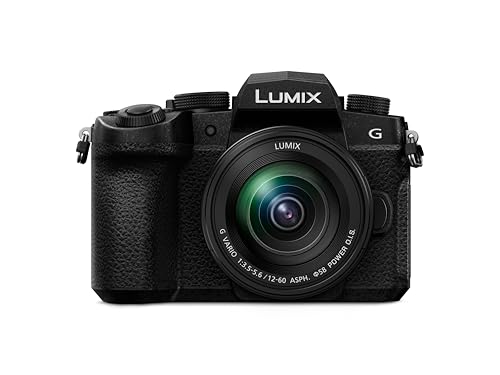
Panasonic’s Lumix G9 II and OM System’s OM-1 use the smaller Micro Four Thirds sensor. Lenses are compact, telephoto reach is generous, and stabilization is excellent according to makers and reviewers. This is a favorite for wildlife, travel and hiking. If you need very shallow background blur or the best low-light performance, a bigger sensor will serve better.
Video Specs That Matter
Look for the maker’s stated maximum video resolution and frame rate, the recording bit depth, and whether footage can be recorded in a log profile for color grading. Check for a headphone jack, a microphone input and a full-size HDMI port. Recording limits and overheating behavior are very different across models, so read independent reviewers’ notes on long-clip behavior. If you only shoot short family clips, these concerns matter less.
Lenses and Ecosystem
A body is only part of the purchase. Sony E and Canon RF ecosystems have the most native lenses. Canon restricts third-party autofocus lenses on RF, though that has been changing, so read each lens maker’s compatibility list. Panasonic L-mount lets you use lenses from Leica and Sigma. Fujifilm’s X-mount offers compact primes. For a first lens, a general-purpose standard zoom or a fast prime covers most needs.
Fit, Size and Care Notes
Try holding a camera before you buy it, as grip size and button layout differ significantly. Mirrorless bodies are not weatherproof by default; weather sealing is stated by the maker on specific models. Use a camera strap, keep the sensor covered when changing lenses and store batteries according to the manual. Memory card types vary: some bodies take dual card slots with one UHS-II and one CFexpress or CFast option, so check what the body needs.
Budget Tiers
Budget: entry-level APS-C hybrids such as the Fujifilm X-S20 class or older full-frame bodies. Mid-range: full-frame cameras like the Sony A7 IV, Canon R6 Mark II and Panasonic S5 II. Premium: high-end hybrids from the Sony A7S and Canon R5 families and cinema-oriented lines aimed at professionals.
Autofocus, Stabilization and Handling in Practice
Autofocus is the feature that most separates current hybrids from older bodies. Makers now advertise subject detection for people, animals and vehicles, and reviewers frequently note that the latest generation holds focus on moving subjects far better than models from only a few years ago. For video, look at how the camera handles focus transitions: smooth, controllable rack focus is more important to filmmakers than raw tracking speed.
In-body stabilization varies. Makers publish stabilization ratings in stops, and some models combine in-body and electronic stabilization for video at the cost of a slight crop. If you shoot handheld, test the combination you plan to use. Handling matters too: a camera that fits your hand and has customizable buttons will get used more often than one with better specs that feels awkward.
Workflow, Storage and Accessories
High-quality video needs fast cards and plenty of storage space. Read the maker’s card recommendations, and budget for at least two cards and a card reader. A sturdy tripod, a spare battery and a microphone are the most useful early accessories. If you plan to record interviews, a shotgun or wireless microphone matters more than a pricier lens. For photographers who edit raw files, plan for a computer with enough memory and a fast drive.
Finally, consider support and updates. Some makers release firmware updates that add features or fix overheating, and some cameras ship with a long list of lens corrections that depend on the system. Reading the maker’s support page tells you how actively a model is maintained.
Pick X If…
| Pick this if… | Choose |
|---|---|
| You want the widest lens choice | Sony A7 IV |
| You shoot action and events | Canon EOS R6 Mark II |
| Video is your priority | Panasonic Lumix S5 II |
| You want a small travel body | Fujifilm X-T5 or X-S20 |
| You shoot wildlife with compact lenses | OM System OM-1 or Panasonic G9 II |
Alternatives Worth Considering
- Nikon Z6 III: a full-frame hybrid with a partially stacked sensor for fast readout, according to Nikon.
- Sony A6700: a compact APS-C hybrid with strong subject-tracking autofocus.
- Canon EOS R7: a high-speed APS-C hybrid suited to sports and wildlife.
- Panasonic Lumix GH7: a Micro Four Thirds camera aimed at video creators.
Frequently Asked Questions
What is a hybrid camera?
A hybrid camera is a mirrorless or similar body designed to produce high-quality photos and video equally well. It combines strong autofocus, stabilization and video features in one device so you do not need separate cameras for each task.
Is full frame better for hybrid shooting?
Full frame generally gives better low-light performance and shallower depth of field, but bodies and lenses are larger. APS-C and Micro Four Thirds are smaller and often cheaper, and many people prefer them for travel.
Do hybrid cameras overheat?
Some can during long 4K recording, especially in warm conditions. Makers publish recording limits for specific models, and reviewers often test long clips. If you record for long stretches, choose a model with active cooling or a good heat record.
Which lens should I buy first?
A standard zoom covers most uses for beginners, while a fast prime offers better low-light and background blur. Make sure the lens matches your camera’s mount, and read the maker’s compatibility notes for third-party lenses.
Do I need dual card slots?
For paid work, dual slots allow backup recording, which protects against card failure. For casual shooting, a single slot is usually fine. Check which card speeds the camera supports for high-bitrate video.
Should I buy the newest model or the previous generation?
Previous-generation bodies often offer most of the same features at lower tiers, which is useful on a budget. Newer models typically add autofocus and video improvements, so compare the maker’s spec pages against what you actually need.
More from Amazon
Programs that pair well with the guide above. Offers and eligibility are set by Amazon and may change.
Free shipping on eligible items, Prime Video and more. Eligible new members can start with a free trial.
Start a Prime free trialAudiobooks and podcasts to listen to on the go. Eligible new members can start with a free trial.
Try Audible freeAd-free music streaming. Eligible new subscribers can start with a free trial.
Try Music Unlimited freeA free business account with business pricing and bulk-buying tools for work, shop or home office.
Create a business accountAs an Amazon Associate we earn from qualifying purchases.